Thinking about a Scottsdale neighborhood with an HOA but not sure what the dues cover or which rules matter most? You are not alone. HOAs in Scottsdale range from simple community maintenance to amenity-rich, guard-gated living, and the details can shape both your budget and your lifestyle. In this guide, you will learn how different HOA structures work, what to review in the documents, how dues and reserves impact risk, and the steps to take before you write an offer. Let’s dive in.
HOA types in Scottsdale
Scottsdale communities use several HOA models, and each one affects your costs, approvals, and day-to-day experience.
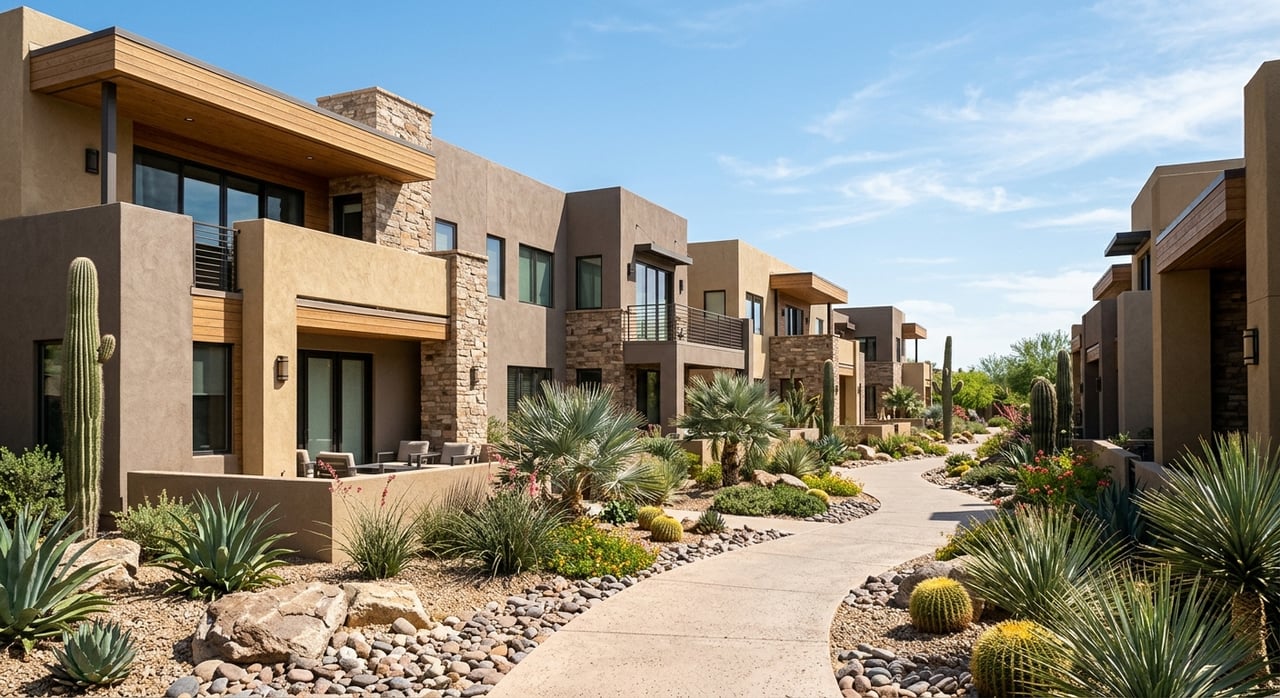
- Master-planned with master and sub-associations. A master association manages big-picture items like parks, community pools, trails, or gates. Sub-associations handle neighborhood-specific maintenance. You may pay two sets of dues and follow two sets of rules.
- Single-association PUDs. These are often detached single-family neighborhoods with one HOA that manages common areas and architectural review. Dues tend to be lower than amenity-heavy master plans.
- Condominium or townhome associations. Owners share building elements like roofs, elevators, and insurance for common areas. Lender rules, reserves, and renovation guidelines are often more detailed than in PUDs.
- Luxury gated or club communities. Dues are higher to fund private security, staffed gates, golf or club operations, and robust reserves. Architectural standards are usually more restrictive.
- Age-restricted communities. These are less common inside Scottsdale city limits than elsewhere in Maricopa County. Where they exist, expect additional occupancy and resale rules.
Why this matters to you: Multiple associations can multiply dues and rules. Condo and PUD projects have different lender and insurance requirements. Understanding the structure upfront helps you choose the right fit and avoid surprises later.
Key HOA documents to review
Before you commit, your goal is to understand what is permitted, who maintains what, and how well the association is funded.
- CC&Rs. The Covenants, Conditions and Restrictions define how the community operates, including permitted uses, maintenance, rental limits, and enforcement powers.
- Bylaws and Articles of Incorporation. These explain how the board is elected, how meetings work, and the association’s legal structure.
- Rules and Regulations. Day-to-day rules for parking, pools, noise, landscaping, and architectural standards.
- Reserve Study and Budget. Shows long-term capital needs and current funding levels for big-ticket items like roofs, paving, gates, pools, and lake liners.
- Board Meeting Minutes. A window into current issues, enforcement trends, upcoming projects, and the likelihood of special assessments.
- Estoppel or Resale Certificate. Confirms assessment status, fees due at closing, and details lenders often require.
- Insurance Summary. Clarifies what the master policy covers and what you must insure separately.
- Architectural Guidelines and Forms. Process, timelines, and standards for exterior changes.
- Management and Key Vendor Contracts. Long-term cost commitments for services like landscaping, security, or pool maintenance.
- Litigation Disclosures. Any lawsuits can affect dues, reserves, and marketability.
Your document request checklist
Ask the seller or management company for:
- CC&Rs, bylaws, and articles of incorporation, including all recorded amendments
- Current operating budget and the most recent year’s financial statements
- The most recent reserve study, evidence of reserve funding percentage, and prior studies
- Board meeting minutes for the last 12 months, ideally up to 24 months
- Notices of recent or upcoming special assessments
- The current schedule of regular assessments and all resale-related fees
- A sample or current estoppel or resale certificate with typical turnaround time and fee
- Master insurance certificate with coverages, deductibles, and limits
- Rules and regulations, architectural guidelines, and design review forms
- The management agreement and key vendor contracts
- A summary of litigation or significant claims and any legal reserve policy
- Rental, pet, and occupancy policies
- Parking, vehicle, and guest rules
- Reserve funding and budget contingency policies
- Fines, enforcement, and hearing procedures
- Management company and board contact information for follow-up questions
Red flags to watch for
- Vague rules that grant broad discretionary powers to the board
- Low reserve funding or reserve studies that recommend higher funding than the budget provides
- A pattern of special assessments or major projects that may require new assessments
- Ongoing litigation or large legal exposures
- Strict rental caps or rules that conflict with your plans
- Architectural approval timelines that are long or unclear, with high fees or complex submittals
- High transfer or estoppel fees and slow processing times that can delay closing
- Insurance gaps or high deductibles you would need to cover
How to read minutes like a pro
- Look for repeated discussions of reserve shortfalls, deferred maintenance, or upcoming assessments
- Frequent violation hearings or fines can signal strict enforcement or recurring community issues
- Notes on vendor changes with large cost increases that may drive dues higher
- References to assessment delinquencies, which can pressure cash flow and reserves
HOA finances, dues, and reserves
Understanding the money side helps you anticipate both regular dues and potential assessments.
- How operations are funded. Regular assessments cover daily operations, common-area utilities, management, insurance, and reserve contributions. Special assessments fund unplanned or underfunded capital projects.
- Why reserve studies matter. The reserve study estimates long-term replacement costs. Key indicators include the percent funded and upcoming capital projects. Low funding levels increase the odds of special assessments.
- Common cost drivers. Staffed gates and security, golf and club amenities, large landscaped areas or lakes, private roads, and buildings with elevators or parking structures raise expenses and reserve needs. Aging infrastructure also increases repair frequency.
- Budgeting for buyers. Budget for your HOA dues, possible master association dues, insurance, taxes, and utilities. Include a contingency for special assessments, especially if reserves are low or major projects are planned. A practical contingency is 1 to 3 percent of the purchase price over five years in communities with low reserves or active capital projects, scaled to what you see in the documents.
- Lender and insurer considerations. Lenders often require current resale certificates and may have project-level requirements for condos. High delinquency rates can affect financing options. Confirm what the master policy covers so you can match your homeowner policy to any gaps.
Approvals, contingencies, and timing in Arizona
You can set yourself up for a smoother closing by planning for document delivery, review windows, and approval timelines.
Pre-offer steps
- Review listing details for known fees, management contacts, and rental or pet rules
- Ask for CC&Rs, the budget, the reserve study, and a sample resale certificate before you write
- Call the management company to confirm dues, transfer fees, and typical estoppel turnaround
Contract protections
- Include a clear HOA document review contingency. Standard Arizona forms commonly provide a set number of days to review the association documents, so confirm the exact language in the form you use.
- Make your contingency cover CC&Rs and rules, financials, reserve study, minutes, and any pending special assessments
- Confirm estoppel timing and fees so you can set realistic closing dates
- Consider inspection language that allows review of common elements if major work is underway
Architectural approvals
- If you plan exterior changes like landscaping, paint, additions, solar, or RV parking, review the guidelines and timelines early
- Condo renovations may require licensed and insured contractors and must follow work-hour rules or elevator procedures
Lender, insurer, and title steps
- Ask your lender about condo or project approvals early if you are buying a condo
- Get homeowner insurance quotes after you see the master policy coverage, deductibles, and limits
- Understand the HOA’s right to lien for unpaid assessments and how that interacts with closing
Typical timing to expect
- HOA document delivery and resale certificate: often 5 to 15 business days
- Buyer review window under contract: commonly 5 to 14 days
- Architectural approvals: a few days to several months depending on complexity and meeting schedules
Negotiation strategies tied to HOA findings
- Request the full HOA package before you write, or extend the review period if documents are not ready
- If you discover pending assessments or weak reserves, negotiate for concessions, a price adjustment, or for the seller to pay the assessment at closing
- Consider escrow holdbacks or prorations for known, unresolved projects
Scottsdale context and how to compare communities
Scottsdale spans high-density condos near Old Town to large master plans farther out. Luxury enclaves often include multiple associations, staffed gates, and private amenities that increase dues and reserve needs. Older condo buildings in the metro area may have recent renovation projects or deferred maintenance, which can lead to assessments. The key is to compare the full picture for each neighborhood.
What to gather for each neighborhood
- Monthly or quarterly assessment amounts, including master and sub-association dues if both apply
- Amenities list, such as gates, security, pools, club or golf access, parks, and trail networks
- History of special assessments and any known upcoming capital projects
- Rental and pet policies if those are important to your plans
- Architectural review strictness and approval timelines if you plan exterior improvements
Present HOA costs as part of your total housing cost alongside mortgage, insurance, taxes, utilities, and your assessment contingency. This comparison helps you see the true value of amenities and the financial trade-offs among different neighborhoods.
Next steps
If you are comparing Scottsdale communities, your smartest move is to get the right documents early, read them with a clear checklist, and plan realistic timelines. You will buy with confidence when you understand the structure, the rules, the reserves, and any approvals you will need.
If you would like a neighborhood-by-neighborhood comparison of HOA structures, dues, and key rules, reach out to Kayla Kerulis for concierge support and local insight.
FAQs
What is an HOA in Scottsdale communities?
- An HOA is a governing body for a neighborhood or building that manages common areas, enforces community standards, collects dues, and funds long-term repairs through reserves.
What are CC&Rs, and why do they matter to buyers?
- CC&Rs are the core rules that run with the property, outlining permitted uses, maintenance responsibilities, rental limits, assessments, and enforcement, so you should review them before making an offer.
How long does HOA document review and approval take in Arizona?
- HOA document delivery often takes 5 to 15 business days, buyer review windows commonly range from 5 to 14 days, and architectural approvals can take days to several months depending on complexity.
How do dues and special assessments work in Scottsdale HOAs?
- Regular assessments fund operations, insurance, and reserves, while special assessments are one-time charges for underfunded or unexpected projects, which are more likely if reserves are low.
What is a master and sub-association, and how can it affect costs?
- A master association oversees big community elements while sub-associations manage local maintenance, which can mean you pay two sets of dues and follow two sets of rules.
Can I rent my Scottsdale home if it is in an HOA?
- It depends on the community’s CC&Rs and rules, since many HOAs have restrictions or caps on rentals, so confirm the policy during your document review.