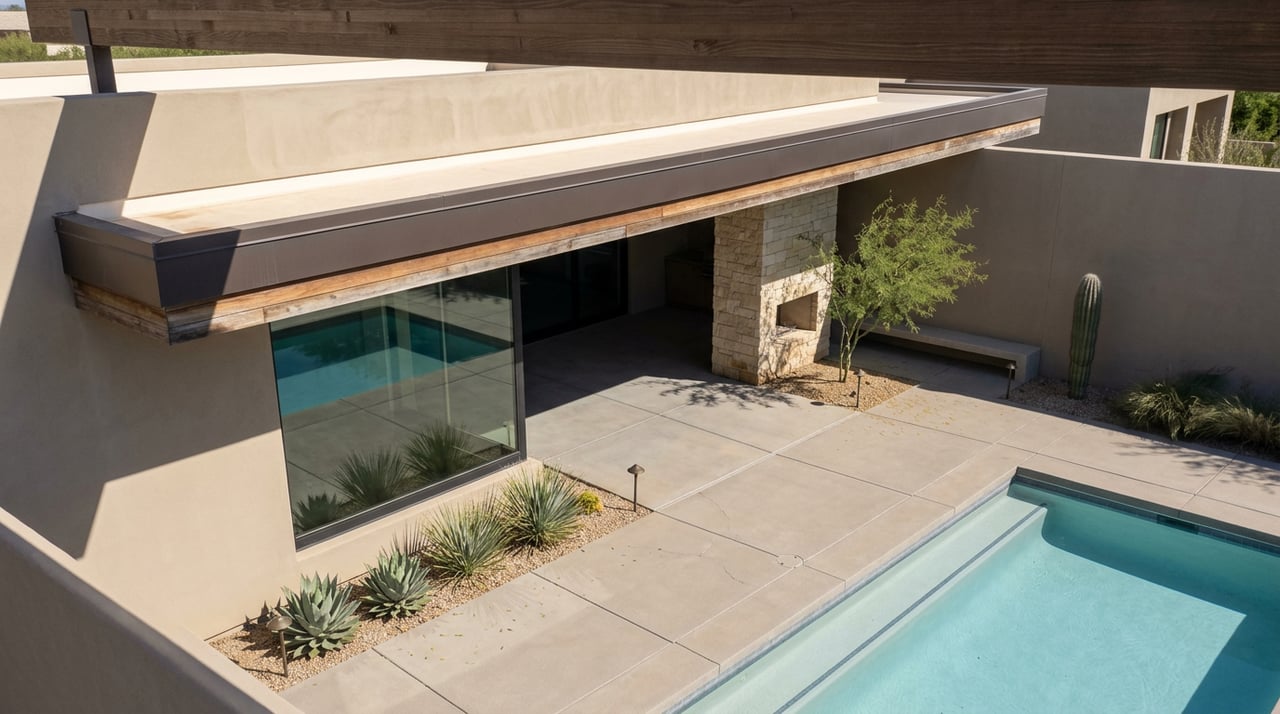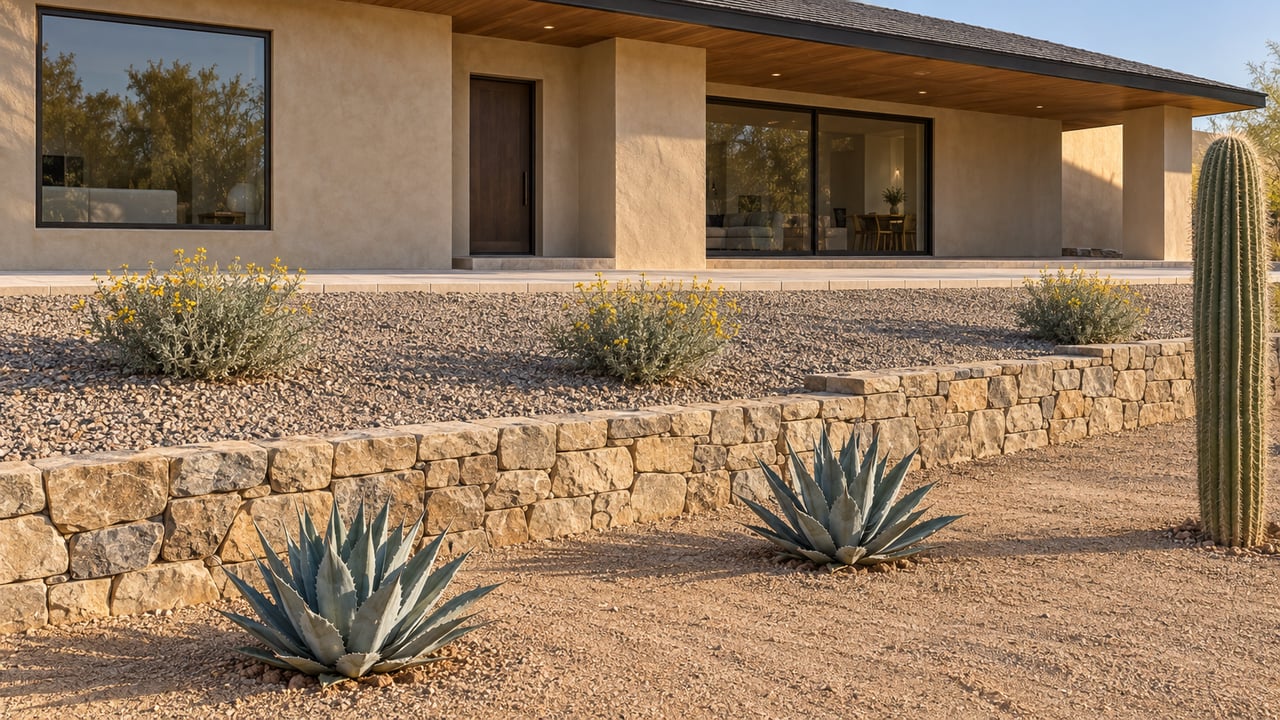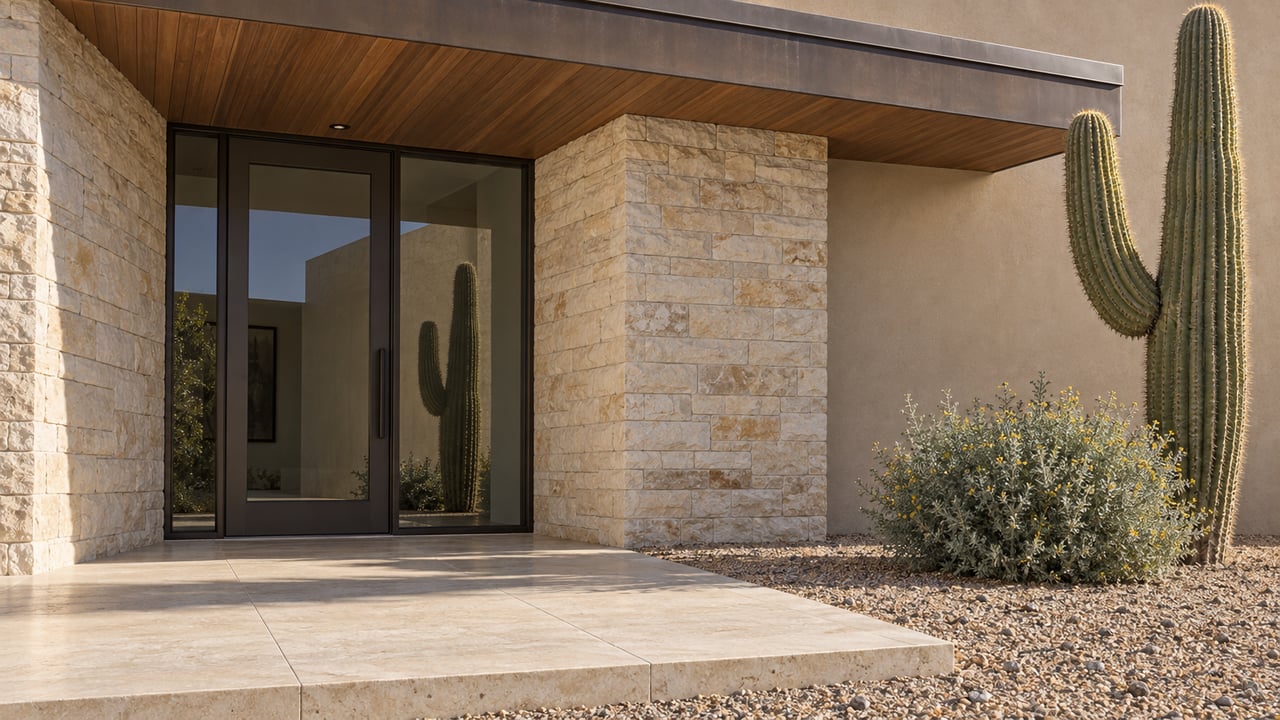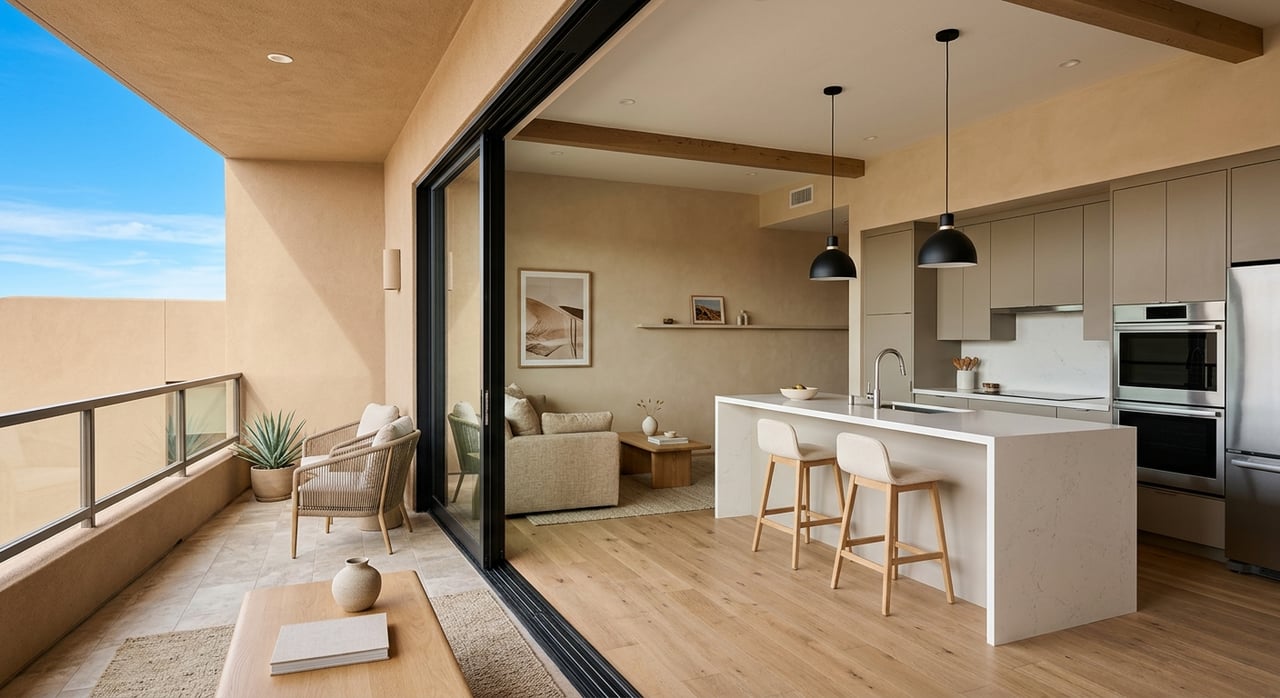
Thinking about when to buy or sell in Chandler? Timing matters here, and not just a little. Chandler follows a clear seasonal rhythm shaped by winter visitors, spring listing surges, and the summer heat. When you understand how demand and inventory shift through the year, you can plan smarter, negotiate better, and feel confident about your next move. Let’s dive in.
Chandler’s seasonal rhythm
Winter demand drivers
From November through March, Chandler benefits from a steady winter visitor presence. Many seasonal residents come from colder states, and they favor move-in ready homes, condos, and 55-plus or active-adult communities. You tend to see more decisive buyers in this window, including some cash purchasers. That mix can boost demand even if the number of listings is not at peak level.
Sellers who cater to seasonal buyers often highlight turnkey features and low-maintenance living. If you are buying in winter, be ready to move quickly on desirable properties. If you are selling, the right presentation can help you capture this demand.
Spring listing surge
Spring, roughly March through May, is the busiest stretch for both new listings and buyer traffic. Many sellers aim to list in late February through April to catch peak activity. More homes hit the market, and buyers compete for the best ones. Days on market often shorten in this period, and multiple offers can be common in popular price bands.
Families who want to move before a new school year often start early in spring. With more buyers in the mix, pricing and presentation matter more. Strong preparation can help your home stand out in a crowded field.
Summer slowdown
June through August brings higher temperatures and shifting buyer behavior. Casual showings drop off, and buyers who are active tend to be more purposeful. Inventory can stay elevated if spring sellers did not land a buyer, and some builders continue to release new homes. That combination often gives buyers more room to negotiate.
Sellers may need to price more competitively and lean into features that make hot weather living easier. If you are buying in summer, look for price reductions and ask for concessions that address heat-related maintenance.
Fall reset
September and October act as a bridge between summer and the winter season. Some sellers hold off for spring, which can reduce fresh inventory, while serious buyers re-enter the market. Activity is typically calmer than spring, which can benefit buyers who want less competition. For sellers, this period still produces results with the right pricing and marketing.
What it means for prices and speed
Seasonality shows up in familiar ways on the metrics you watch.
- Inventory and new listings: You usually see the biggest wave of new listings from late winter into spring. Summer often brings a slower flow of new listings, with a smaller second bump in early fall. In winter, inventory can be moderate, but demand from seasonal visitors helps absorb well-presented homes.
- Prices: Stronger buyer competition in spring can put upward pressure on prices. In summer and fall, appreciation may slow or flatten short term, especially if inventory remains elevated. Some Chandler areas near major employers and new construction can show smaller seasonal swings.
- Days on market: Homes often move faster in spring. In summer and fall, time on market tends to stretch, and sellers may need to be more price-conscious. Winter can be quick for properties that match seasonal buyer preferences, such as turnkey condos or low-maintenance homes.
- Leverage and concessions: Sellers usually hold more leverage in spring. Buyer leverage improves in summer and fall when activity cools and listings linger longer. Winter is mixed. Certain segments benefit from snowbird demand, which supports sellers, while other niches may still favor buyers.
- Financing and rates: Interest rates can amplify or mute normal seasonal effects. Fast-moving cash buyers are more common in winter segments, which can compress timelines. If you are financing, have approvals and rate strategies ready before peak season.
Neighborhood nuances in Chandler
Seasonality is not uniform across the city. Your neighborhood and price band matter.
55-plus and active-adult areas
Communities with larger shares of seasonal residents tend to see stronger winter demand. Listings that emphasize turnkey living, lock-and-leave convenience, and proximity to recreation can attract quick attention. Cash transactions are more common in this segment, which can shorten negotiations.
New construction and master-planned hubs
In areas like Ocotillo, Fulton Ranch, and newer subdivisions, builder activity can influence the rhythm. When traffic slows in summer or fall, builders may use incentives to keep sales moving. That can shift leverage toward buyers and also temper price spikes in surrounding resale neighborhoods during spring.
Entry-level and first-time buyer segments
Price-sensitive segments often track school-year and employment calendars. Summer can bring more flexibility for moves, but higher inventory and slower traffic may also give buyers better negotiation terms. Mortgage rate changes have an outsized impact here, so plan your timing and approvals carefully.
Move-up and luxury tiers
Higher-priced homes can be less seasonal because job relocations and lifestyle moves happen year-round. Luxury buyers may also enter in winter from out of state, which adds depth to demand. Professional presentation and targeted marketing remain critical across seasons in this tier.
Central and amenity-rich areas
Neighborhoods near Downtown Chandler and key amenities often hold steadier demand. Seasonality still exists, but swings in days on market and pricing can be more muted. Proximity to large technology and manufacturing employers also supports a more consistent buyer base over the year.
Timing strategies for sellers
You can sell successfully in any season with the right strategy. The steps below align with Chandler’s yearly rhythm.
- Best overall window: Late February through April typically offers the strongest buyer pool and faster sales. Prepare early to hit this lane with top-tier presentation.
- Listing in summer: Price to the market and highlight features that ease hot weather. Showcase energy-efficient HVAC, shaded outdoor areas, sun screens, updated insulation, and low-water landscaping. Schedule showings intelligently to limit heat-related wear and maximize comfort.
- Listing in winter: Tailor your marketing to seasonal buyers. Emphasize turnkey living, lock-and-leave confidence, and proximity to recreation and community amenities. Plan weekend open houses and invest in bright, high-quality photography that flatters winter light.
- Negotiation posture: In spring, multiple offers are more likely. You can be firmer on contingency timelines and repair requests. In summer and fall, prepare to offer concessions like rate buydowns, repair credits, or flexible closings to capture committed buyers.
- Pre-listing preparation: Order a pre-inspection when appropriate, gather HOA documents in advance, and service HVAC systems. Making it easy for buyers to move quickly can shorten days on market and improve your net outcome.
Buying smart by season
Your path to a stronger purchase shifts by season too.
- Winter: Expect more competition for move-in ready homes that appeal to seasonal buyers. Get fully underwritten approvals, align your decision timeline, and be ready to act fast on the right fit.
- Spring: Move quickly, and present clean offers. Strong earnest money, clear timelines, and a prioritized search plan help you stand out when multiple offers are common.
- Summer: Conditions often tilt toward buyers. Watch for price reductions and builder incentives. Use inspections to address heat-related systems like HVAC, pool equipment, and irrigation.
- Fall: With fewer active shoppers, you can take a bit more time to compare options. Focus on listings that have lingered, and negotiate on both price and terms.
- Financing and timing: If rates are moving, work closely with your lender on locks and scenarios. If you are coordinating a sale and a purchase, consider options like rent-backs or bridge solutions to align timelines.
How to read the market now
Because seasonality can shift with mortgage rates, job trends, and new construction, rely on current local data when you are close to making a move. Track month-by-month changes in active listings, new listings, median days on market, list-to-sale price ratios, and price reductions. Neighborhood snapshots can look very different from citywide averages, so focus on recent activity near your target streets and price range.
If you want a season-aware plan tailored to your address or search area, you deserve expert support. With concierge service, modern listing marketing, and deep East Valley neighborhood insight, you can navigate Chandler’s seasonal rhythm with confidence. Connect with Kayla Kerulis to create a market-driven strategy that fits your timing and goals.
FAQs
When is the best month to list in Chandler?
- Late February through April often delivers the strongest buyer competition and faster sales, but neighborhood and property type can shift the ideal week to list.
Do buyers get better deals in summer in Chandler?
- Often yes. With slower traffic and longer days on market, buyers may gain leverage, and some builders offer incentives to keep inventory moving.
How do winter visitors affect Chandler real estate?
- Winter demand from seasonal residents can be meaningful, especially for condos, turnkey properties, and active-adult communities, which can shorten timelines in those segments.
Does the summer heat change showings and marketing?
- Yes. Fewer casual showings occur in peak heat. Homes that highlight efficient cooling, shaded outdoor living, and low-maintenance landscaping tend to show better.
Can mortgage rates override normal seasonality in Chandler?
- They can. Sharp rate moves may amplify or mute seasonal patterns. Build your timing and negotiation strategy around the current rate environment.