Is your Chandler home almost ready to hit the market, but you are wondering which fixes actually move the needle? You are not alone. In our desert climate, certain systems and surfaces take a beating, and buyers notice fast. In this guide, you will learn the targeted pre-listing repairs that tend to strengthen offers, reduce inspection requests, and keep escrow on track in Chandler. Let’s dive in.
Why Chandler homes need smart prep
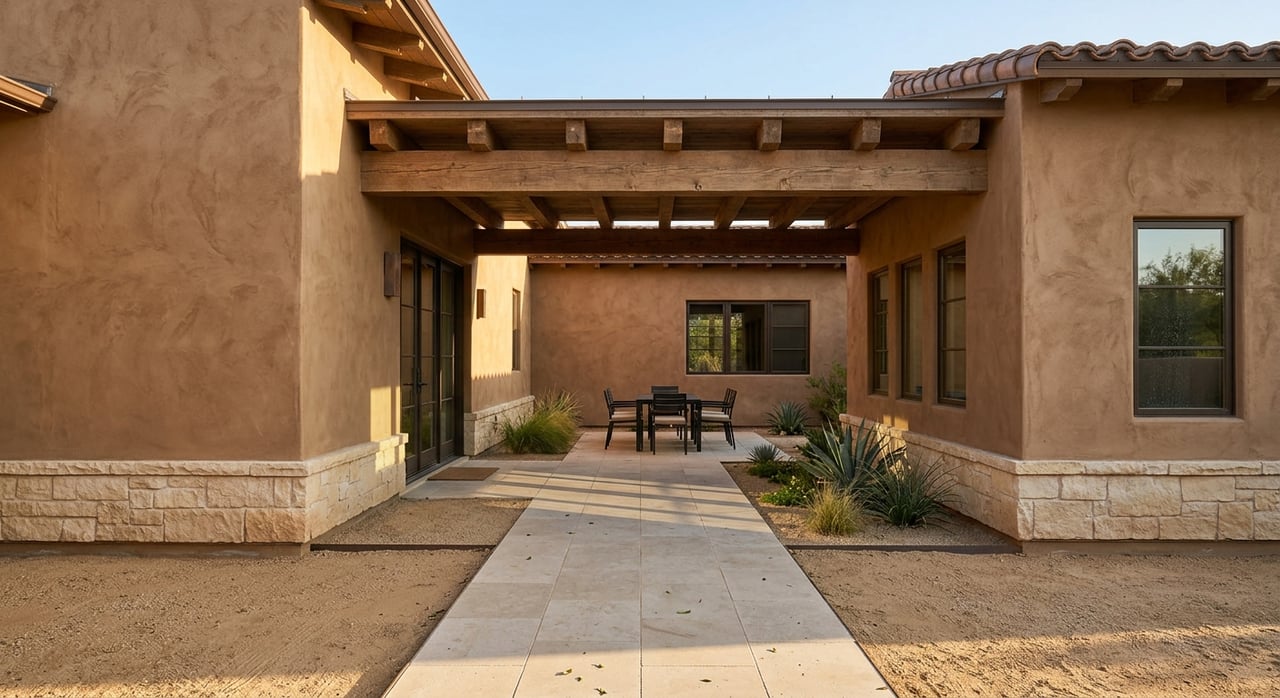
Chandler’s hot summers, intense sun, and monsoon season put extra stress on HVAC, roofs, exterior finishes, landscaping, and pools. Many homes have stucco exteriors, clay or concrete tile roofs, slab foundations, and private pools. These common features show up on inspections and shape buyer expectations.
Buyers here expect reliable cooling, a weather-tight exterior, and minimal immediate system work. When you address visible system and safety items before listing, you usually get clearer showings, stronger first impressions, and smoother negotiations.
High-impact repairs that pay off
HVAC: Keep your cool factor
In Chandler, a dependable A/C is non-negotiable. If a unit struggles to cool or short-cycles, buyers will worry about comfort and cost.
- What to do before listing:
- Schedule a full HVAC tune-up with a licensed technician. Have coils cleaned, refrigerant checked, electrical connections tightened, airflow tested, filters changed, and condensate drains cleared.
- Replace or recalibrate thermostats so they are easy to use. Provide simple operating instructions at showings.
- If the system is near end of life or unreliable, talk with a licensed contractor about replacement. Some lenders look at remaining useful life for major systems.
- Documentation to provide: A dated service invoice and any maintenance agreements. Keep permits if equipment was replaced.
Roof and attic: Protect against monsoon surprises
Tile roofs and flashing can hide small defects that turn into bigger issues when the rains hit. Lender requests for roof documentation are common on older roofs.
- What to do before listing:
- Get a roof inspection from a licensed roofer or home inspector. Ask them to review tiles, flashing, penetrations, valleys, and the attic for stains or signs of leaks.
- Replace broken tiles, repair flashing, and reseal around vents or chimneys. Clean gutters and make sure downspouts move water away from the foundation.
- If the roof is approaching the end of its life, consider a roof certification if a lender might ask for it.
- Documentation to provide: Inspection report or contractor invoice. Keep any permits for significant roof work.
Exterior envelope: Paint, stucco, and sealing
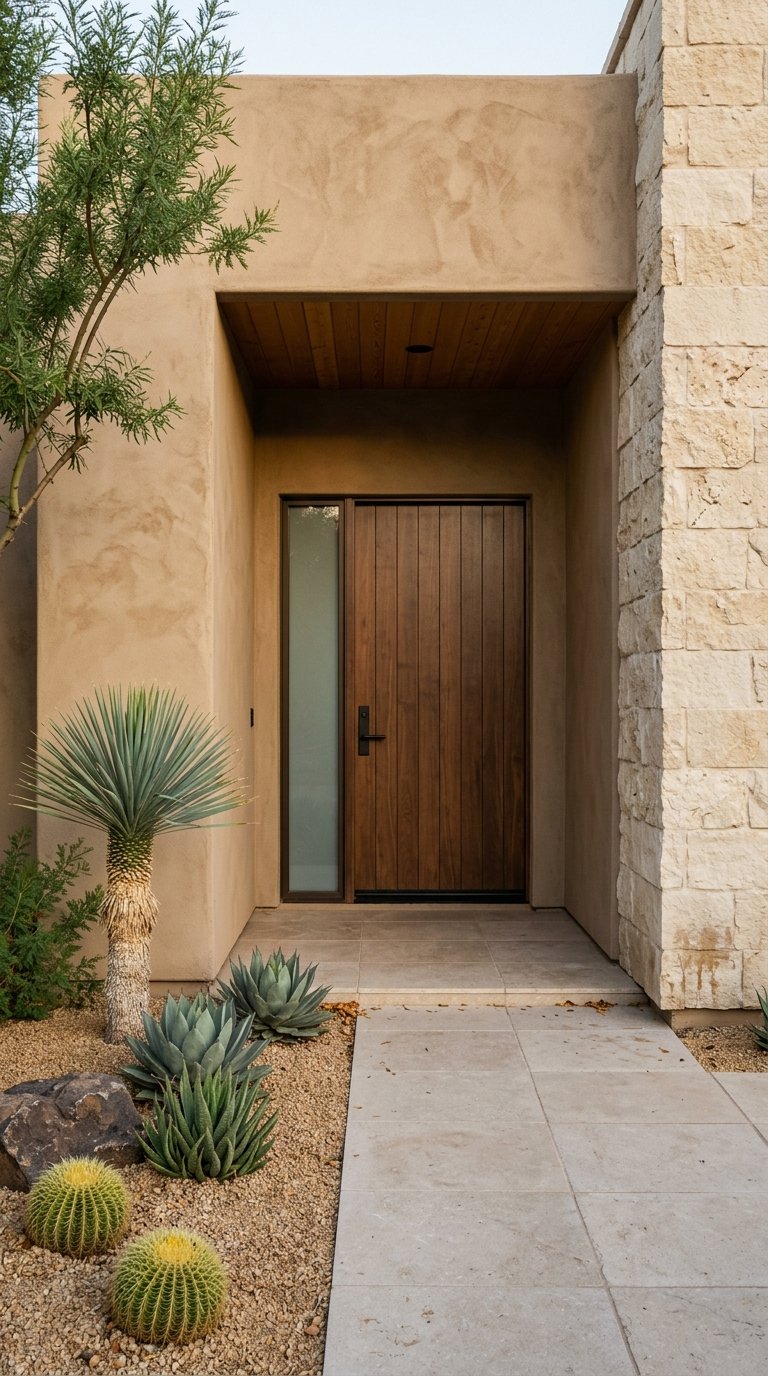
Your exterior sets the tone and signals whether the home is well maintained. Stucco cracks and failed caulk can spook buyers.
- What to do before listing:
- Patch and repaint faded or peeling areas, especially the front elevation and entry. If overall paint is tired, a full repaint can refresh curb appeal.
- Repair stucco cracks and re-caulk around windows, doors, and exterior penetrations.
- Documentation to provide: Contractor receipts and any warranties.
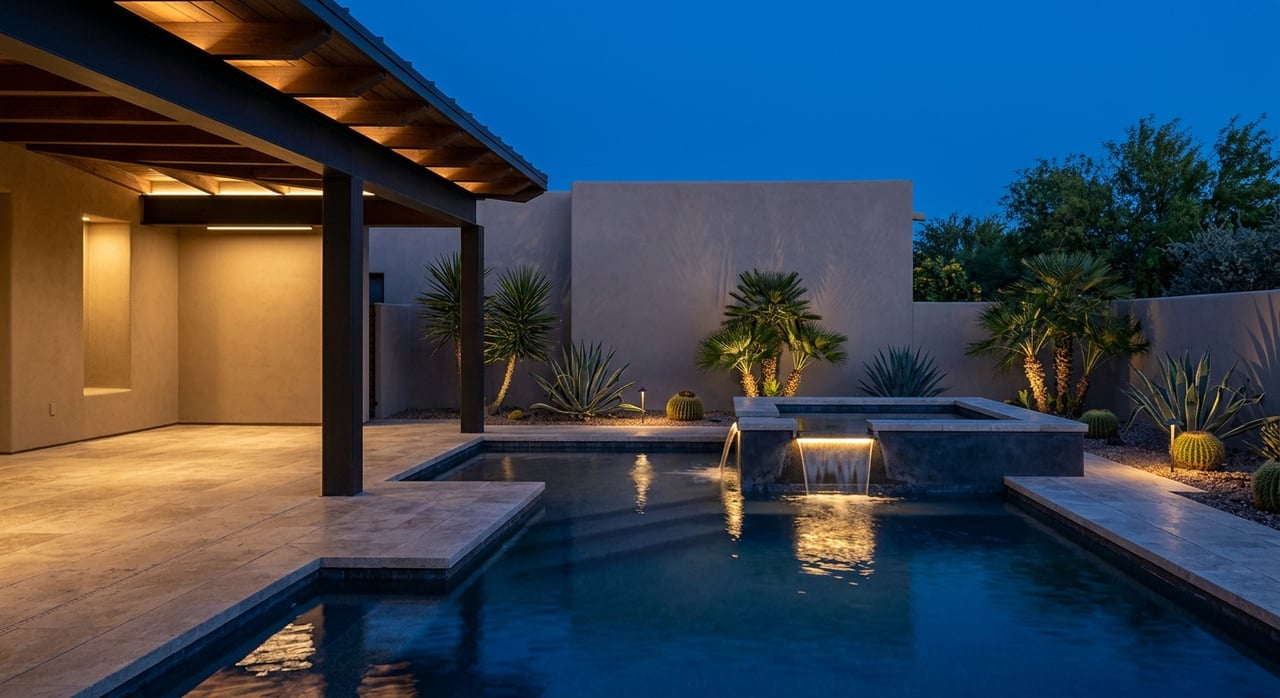
Pool and spa systems: Confidence at first splash
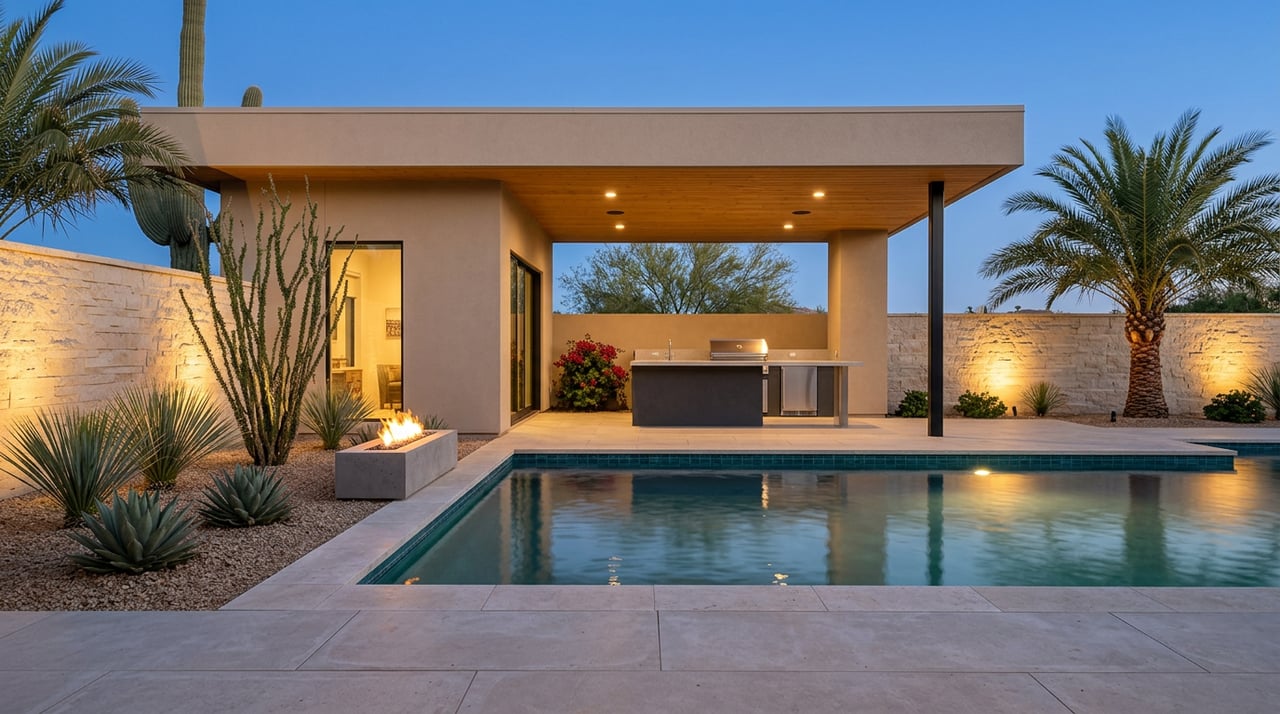
Pool issues are frequent inspection findings and can slow or derail offers. Buyers want clean, functioning equipment and safe surroundings.
- What to do before listing:
- Have a pool technician service the system. Clean or replace filters, confirm pump and motor performance, check automatic controls, and balance water chemistry.
- Repair or replace worn pumps, filters, and variable-speed controls. Ensure pool lights and bonding meet safety requirements.
- Confirm gates and barriers meet local safety standards.
- Documentation to provide: Recent pool service records and equipment manuals. Keep permits for major equipment replacement.
Landscaping, irrigation, and curb appeal
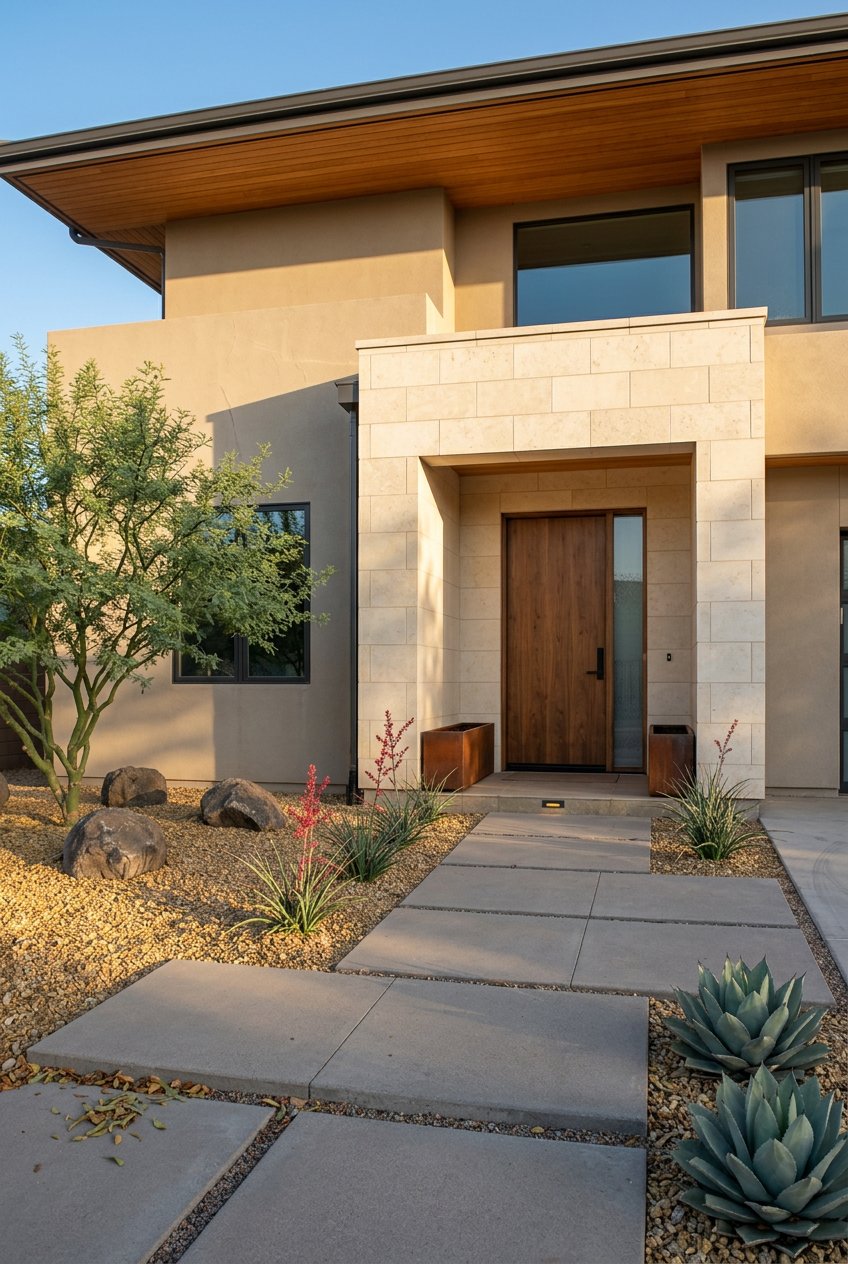
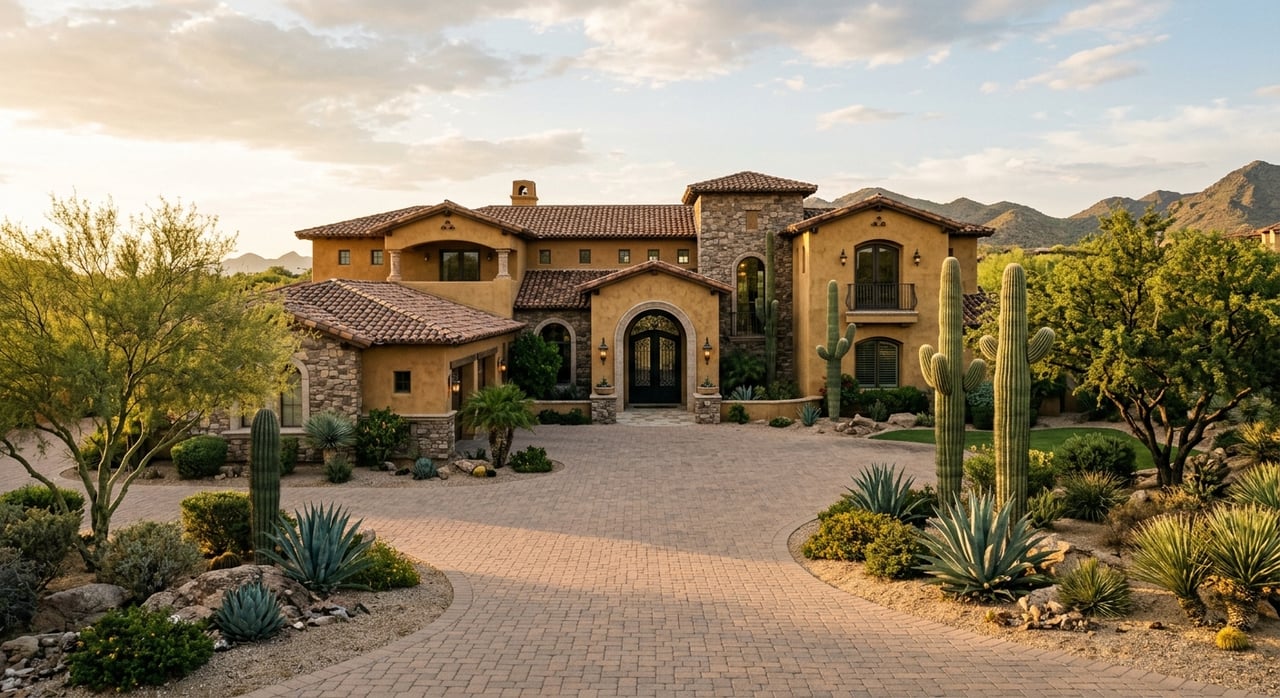
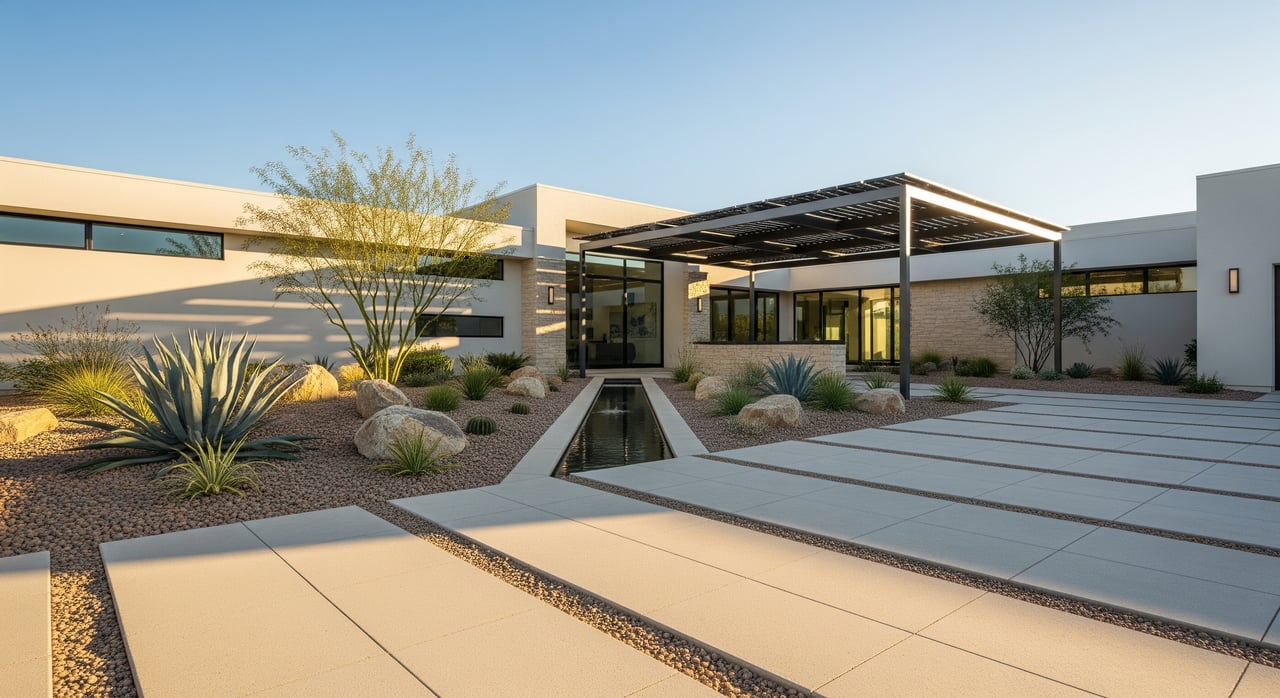
First impressions matter. In Chandler, buyers value low-maintenance, water-wise yards that look clean and intentional.
- What to do before listing:
- Repair irrigation leaks, adjust emitters, and program controllers correctly. Consider converting high-water zones to xeriscape where practical.
- Level uneven pavers and fix trip hazards. Update house numbers and landscape lighting.
- Pressure wash driveways and walkways, trim overgrowth, and remove dead plants.
Plumbing and water heaters: Prevent drips and doubts
Leaks and aging water heaters often trigger repair requests. Tighten up plumbing to reduce buyer concerns.
- What to do before listing:
- Fix visible leaks, clean faucet aerators, and confirm normal water pressure. Test and service the water heater. Ensure the TPR valve drains properly and secure the tank where required.
- Replace heavily corroded water heaters or document recent maintenance and expected life.
- Documentation to provide: Service receipts and permits for water heater replacement.
Electrical and safety devices: Easy wins that matter
Safety and code-related items are high on every inspector’s list. Many fixes are straightforward.
- What to do before listing:
- Test and repair GFCI outlets where required. Label breakers at the panel and replace damaged outlet covers.
- Install and test smoke and carbon monoxide detectors per current standards.
- If you have an older or problematic electrical panel, get a licensed electrician’s evaluation and prepare options for buyers.
Pest and WDO: Show a clean bill of health
Termites and wood rot are common Arizona concerns. Lenders and buyers may request a report or clearance.
- What to do before listing:
- Consider a pre-listing WDO inspection if the home is older or shows risk signs. Treat any active infestations and repair damaged wood.
- Documentation to provide: Treatment invoices and transferable warranties.
Interior touch-ups: Small items, big signal
Minor defects can add up to a story of deferred maintenance. Tidy details set a move-in-ready tone.
- What to do before listing:
- Tighten cabinet hardware, touch up paint in high-traffic areas, and recaulk tubs and showers.
- Make sure windows and doors open and close smoothly. Replace burned-out bulbs and refresh dated, inexpensive fixtures.
- In kitchens and baths, small updates like new hardware or faucets can elevate the feel without a full remodel.
Kayla’s concierge prep workflow
Step 1: Walk-through and documentation
Start with a detailed walk-through or a pre-listing inspection to flag safety, system, and obvious cosmetic items. Gather existing maintenance records, permits, warranties, pool service logs, and HOA documents. Creating an organized file saves time and builds buyer trust.
Step 2: Safety and systems first
Prioritize items that affect habitability and lender approval. Focus on electrical hazards, major leaks, missing smoke and CO alarms, HVAC performance, water heater function, roof integrity, and pool electrical safety. These issues most often derail escrows and invite costly negotiations.
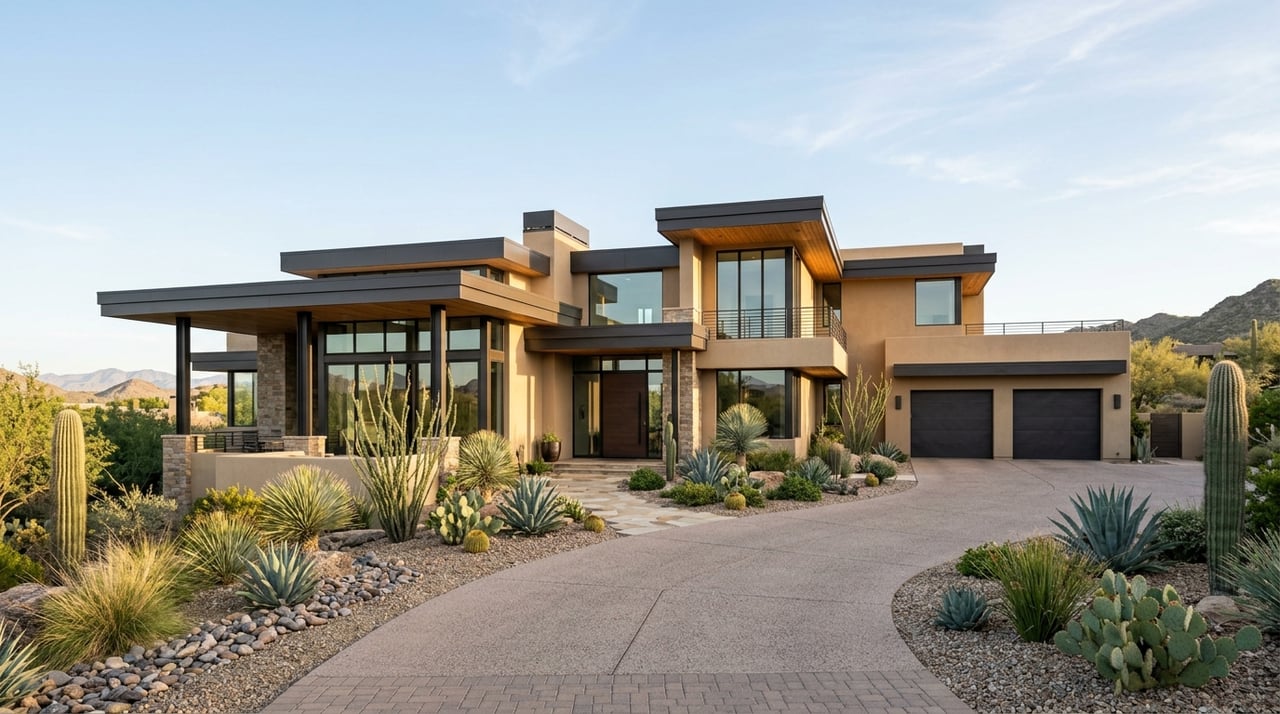
Step 3: Exterior envelope and curb appeal
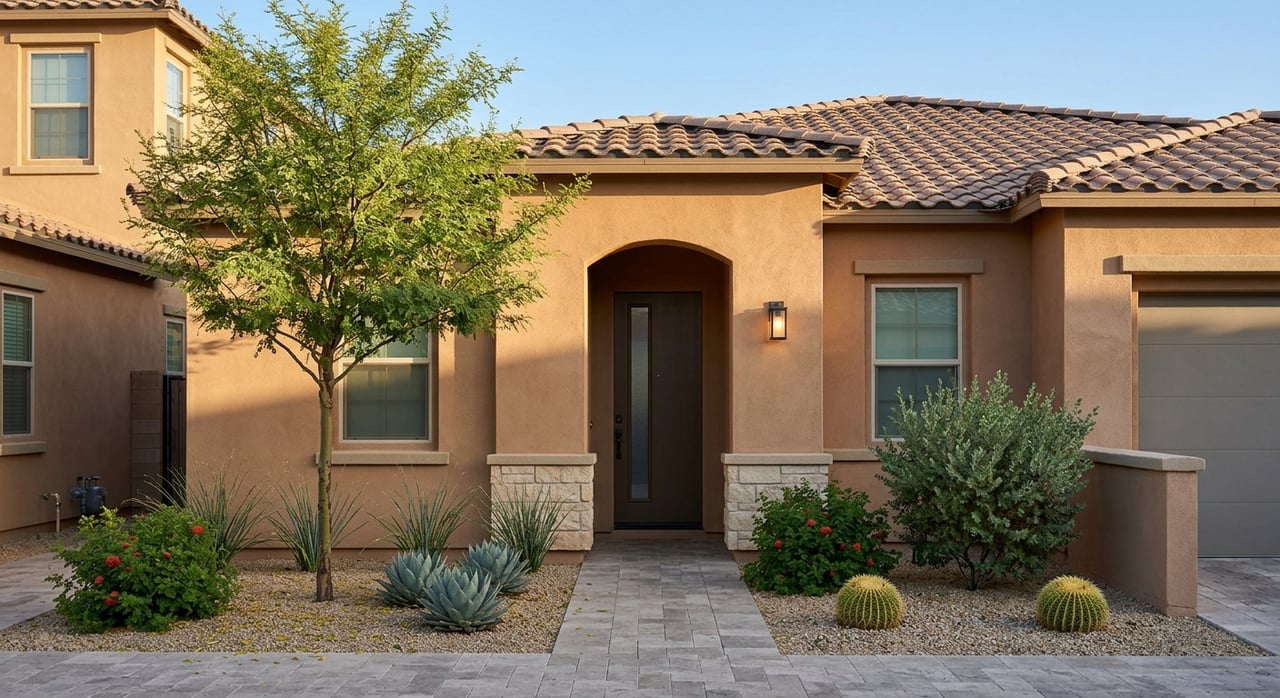
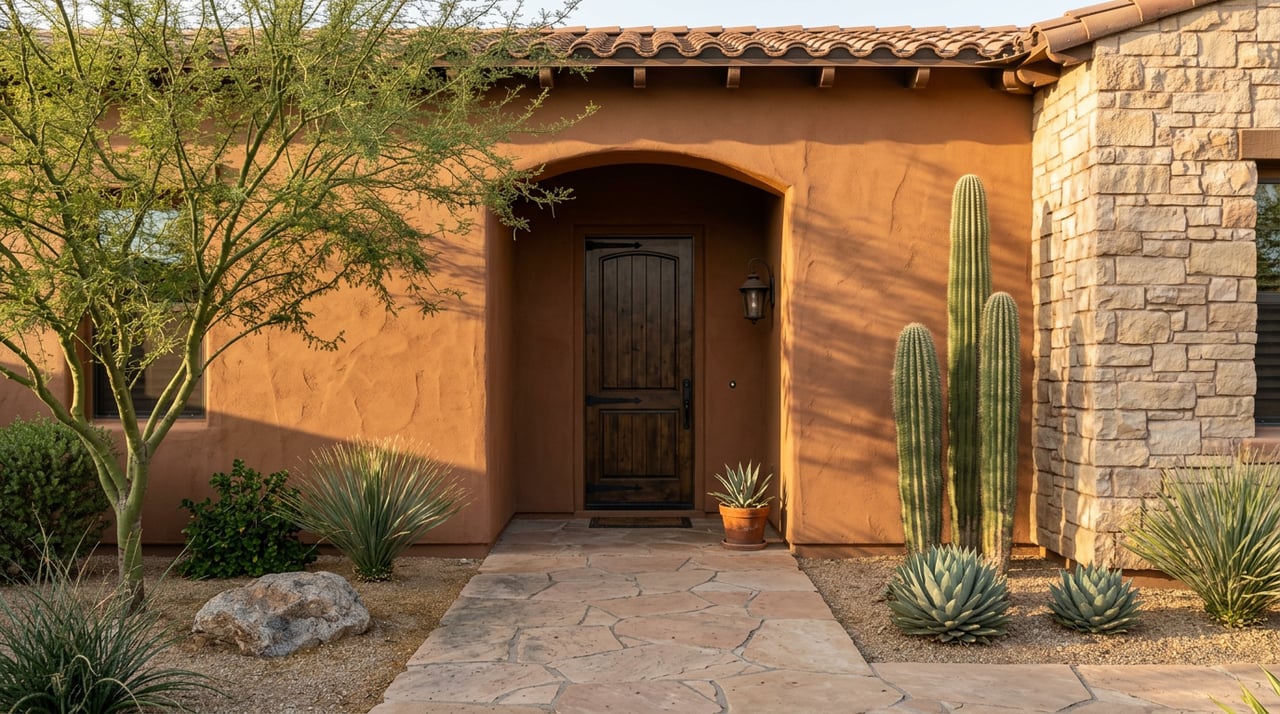
Present a weather-tight, well-maintained home. Address roof tiles and flashing, stucco cracks, exterior caulking, and targeted paint. Improve landscaping and hardscape in the front approach for the fastest boost to first impressions.
Step 4: Targeted interior and staging-friendly fixes
Handle the small items that signal care. Clean stains, adjust sticky windows, fix door hardware, and refresh lighting. Save major remodel decisions for after you evaluate buyer interest and market feedback.
Step 5: Fix vs credit vs price strategy
- Fix items that are low cost and remove anxiety fast, such as HVAC tune-ups, a few broken roof tiles, or missing detectors.
- Offer a credit or price adjustment if a repair is expensive, time-consuming, or better left to a buyer’s contractor. Be mindful that some lenders may still require certain repairs.
- Provide clear documentation and a list of licensed contractors to reassure buyers.
Timeline expectations
- Small tune-ups and cosmetic work: about 1 to 2 weeks.
- HVAC, pool, plumbing, and electrical fixes: about 1 to 3 weeks depending on schedules.
- Major or permitted work, such as roof replacement or pool equipment replacement: about 3 to 8 weeks or more, including permits and inspections.
Permits, contractors, and paperwork in Chandler
Confirm with the City of Chandler Building Services whether your scope needs permits. HVAC replacements, electrical panel work, water heater swaps, and significant roof changes typically require permits and inspections. Keep permit copies and final sign-offs for buyers.
Hire licensed and insured contractors and verify license numbers with the Arizona Registrar of Contractors. For larger jobs, get at least two written bids with itemized scopes and timelines. For HVAC and pools, schedule service right before listing so your invoices are current.
Create a simple maintenance packet for showings and the buyer’s agent. Include recent invoices, warranties, permits, and transfer information for any new equipment or appliances. Organized documentation builds confidence and can reduce repair requests.
When a pre-listing inspection helps
A pre-listing inspection can help you find and correct issues before a buyer’s inspector does. This reduces surprises and gives you stronger footing during negotiations. For older homes or properties with pools, consider specialty reports like a roof certification or a WDO inspection if lenders in the area commonly ask for them.
Simple seller checklist
- Book a licensed HVAC tune-up and replace filters.
- Order a roof check and fix broken tiles or flashing.
- Repair stucco cracks and refresh front-elevation paint.
- Service the pool, confirm safety barriers, and test lights.
- Fix plumbing leaks and confirm proper water heater operation.
- Test GFCI outlets and install working smoke and CO detectors.
- Tidy landscaping, repair walkways, and update house numbers.
- Handle interior touch-ups, lighting, and sticky doors or windows.
- Confirm needed permits and collect all receipts and warranties.
- Package documentation for buyers and your listing folder.
Selling in Chandler is about presenting a comfortable, well-cared-for home that stands up to heat and monsoon season. By focusing on systems and safety first, then polishing curb appeal and small interior items, you reduce friction and increase buyer confidence. If you want a streamlined, concierge-style plan tailored to your property and timeline, connect with Kayla Kerulis to get started.
FAQs
What pre-listing repairs pay off most in Chandler?
- Prioritize HVAC tune-ups, roof tile and flashing repairs, stucco and caulking fixes, and pool equipment service, since these items impact comfort, weather protection, and inspection outcomes.
Should I fix inspection items or offer a credit when selling?
- Repair low-cost, high-impact issues right away; consider a credit or price adjustment for expensive or time-consuming fixes, keeping in mind some lenders still require certain repairs to close.
Do HVAC or water heater replacements need permits in Chandler?
- Yes, replacements for major systems like HVAC units and water heaters typically require permits and licensed contractors; confirm requirements with City of Chandler Building Services.
How long do common pre-listing repairs take?
- Expect 1 to 2 weeks for tune-ups and cosmetics, 1 to 3 weeks for HVAC, pool, plumbing, and electrical work, and 3 to 8 or more weeks for major or permitted projects.
Is a pre-listing inspection worth it for older Chandler homes?
- Often, yes; it can reveal safety or system issues early, allow you to fix or plan credits, and position you better when buyers review inspection reports.