Thinking about trading city noise for desert views without losing access to Scottsdale or Phoenix? If you’re considering Fountain Hills, you’re likely weighing commute times, HOA expectations, and how hillside living really feels day to day. This guide gives you the practical details you need to decide with confidence, from utilities and schools to a clear 60–90 day move timeline. Let’s dive in.
Why Fountain Hills works
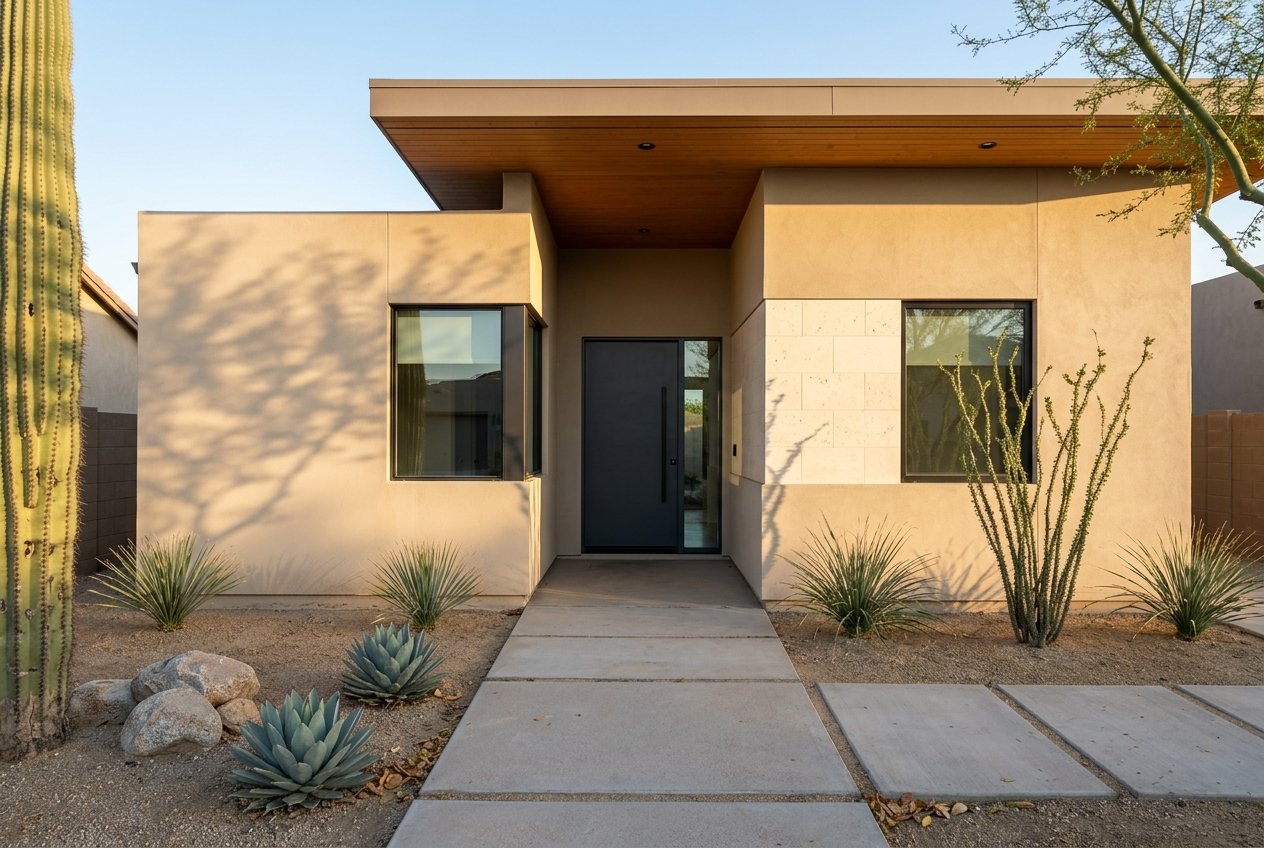
Fountain Hills is a small suburban town in northeastern Maricopa County with roughly 25,000 residents. It is known for its namesake fountain, foothill setting, and a blend of single-family homes, gated communities, and larger lots. Many buyers choose Fountain Hills for the quieter residential vibe and sweeping views while still commuting into nearby job centers. You can explore local services and community updates on the Town of Fountain Hills website.
Commute and connectivity
Fountain Hills is part of Greater Phoenix, and most commuters head toward Scottsdale, Tempe, north Phoenix, or downtown Phoenix. Typical drive times to central Scottsdale or north Phoenix often fall in the 20 to 50 minute range depending on route and time of day. Getting to downtown Phoenix usually takes longer, especially during peak hours. Public transit is limited, so most residents rely on personal vehicles.
- Use ADOT travel and traffic resources to test real-time routes before you decide.
- If you work from home, consider lot orientation, natural light, and internet options when you shortlist homes.
Neighborhood fits and HOAs
You’ll find a mix of neighborhoods that suit different priorities. Focus on lifestyle fit rather than just names.
- Foothill and ridge areas: Elevated views, steeper lots, cul-de-sacs, and dramatic sunsets.
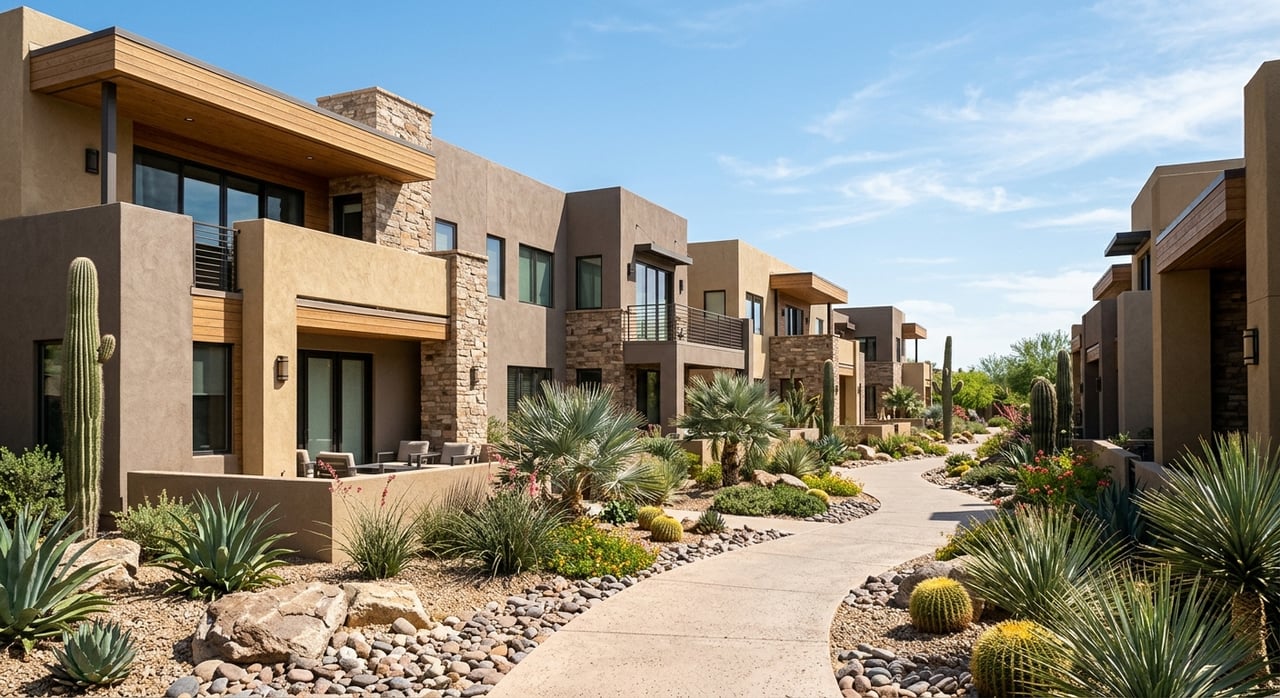
- Planned or gated communities: Community amenities like golf or pools and more defined design standards.
- Established areas near the town center: Shorter drives to shops and restaurants, varied lot sizes, and a more traditional subdivision feel.
- Large-lot or semi-rural edges: More privacy and space, plus added landscape maintenance and potential well or septic considerations.
HOAs are common in Fountain Hills, and rules vary widely. During due diligence, ask your agent to request the full document set and verify enforcement history.
- Fees: Lower-fee neighborhood HOAs vs higher-fee resort or gated communities.
- CC&Rs: Architectural guidelines, paint and landscaping colors, RV and boat parking, rental rules, and pet policies.
- Maintenance: What the HOA handles vs what the owner handles, such as private roads, common areas, and landscaping.
- Financials: Reserve studies, annual budgets, insurance certificates, and any recent special assessments.
Pro tip: Request the HOA budget, meeting minutes for the last 12 months, CC&Rs, and insurance certificates early in escrow. This helps you assess restrictions, costs, and how the association is managed.
Hillside living and climate
Fountain Hills sits where desert flatlands meet foothills, so elevation changes shape both views and daily life.
- Driveways and access: Hillside homes often have steeper driveways. Confirm moving truck access and test vehicle clearance in wet conditions.
- Drainage and erosion: Look for permitted grading, riprap, and retaining walls. Ask inspectors to review drainage patterns.
- Solar exposure and views: Orientation affects heat gain and winter sun. View lots often command a premium.
- Landscaping and water: Desert-friendly plants and efficient irrigation reduce water use and help meet HOA guidelines.
Climate is classic Southwest desert. Summers are hot, and winters are mild.
- Summer readiness: Check HVAC age, size, and energy efficiency. Shade structures and insulation are key.
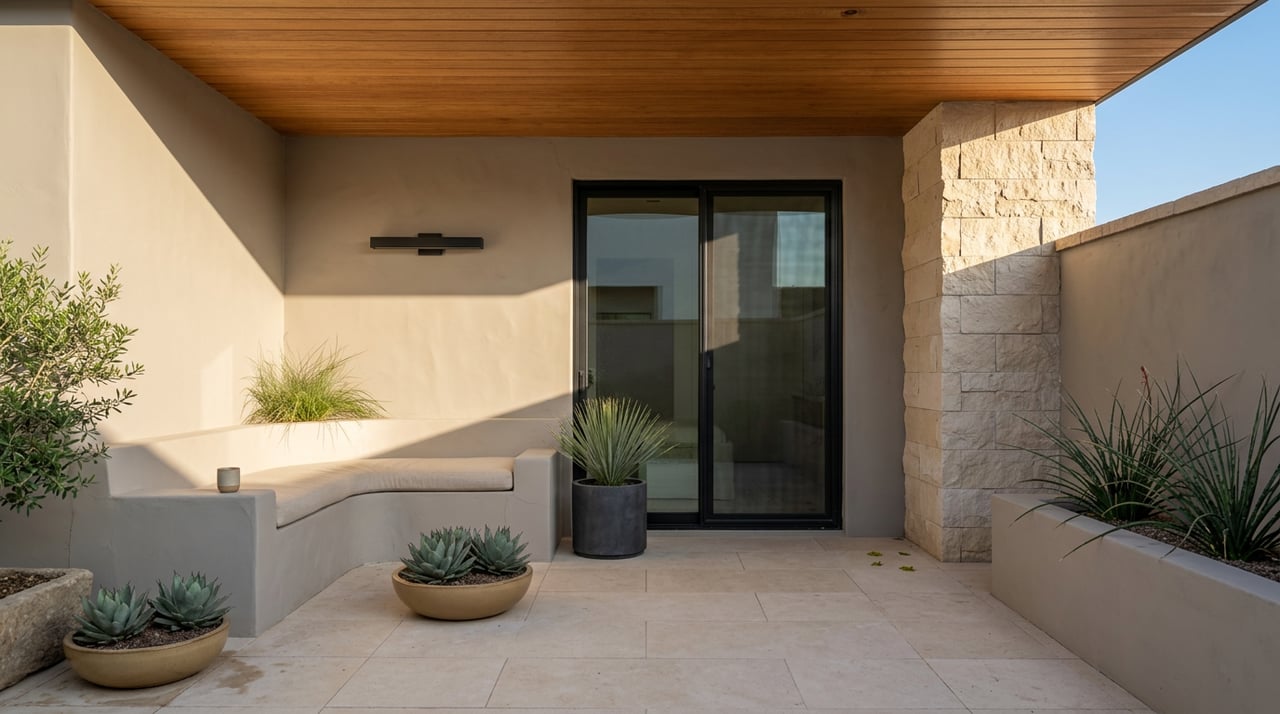
- Pools and outdoor areas: Verify pool systems and safety features. Plan for sun protection and heat-friendly surfaces.
- Irrigation: Confirm irrigation system condition and any winterization guidance.
Utilities, schools, and care
Getting set up is straightforward once you have the right contacts.
- Electricity and gas: Many homes are served by APS electricity service and Southwest Gas. Confirm providers by address.
- Water, sewer, and trash: These are typically municipal. Use the Town of Fountain Hills website for local service contacts and start/stop instructions.
- Internet: Providers commonly include Cox and Lumen/CenturyLink. Check availability at the address and speed tiers for video calls and streaming. You can explore plans via Cox internet service.
Schools are served by the Fountain Hills Unified School District. Keep language neutral and rely on official performance resources.
- Enrollment and boundaries: Visit the Fountain Hills Unified School District for registration steps, required documents, and boundary maps.
- Performance data: Review neutral resources like the Arizona Department of Education school report cards to understand academic indicators. Verify details directly with the district.
Healthcare access includes urgent care and primary care in town, with full-service hospitals in nearby Scottsdale and Phoenix. Drive times vary by time of day and route.
Shopping, parks, and lifestyle
You’ll find grocery stores, pharmacies, restaurants, and services within the town. For larger retail or specialty shops, Scottsdale and Phoenix offer the closest regional options. Quality of life is a major draw here, with year-round outdoor access.
- Fountain Park and public art anchor community life and events.
- Hiking, biking, and trail running are close by. Explore McDowell Mountain Regional Park for desert trails and views.
- Golf and community recreation are widely available, and many planned communities include amenities.
60–90 day move timeline
Use this timeline whether you’re actively searching or already under contract. Always confirm state and county requirements, as rules can change.
60–90 days out
- Define your shortlist criteria: commute tolerance, school needs, lot size, HOA preferences, home style, age, and budget.
- Ask your agent for virtual materials: MLS sheets, floor plans, site plans, comps, and a mapped neighborhood overview.
- Vet lenders and obtain preapproval, or gather proof of funds if paying cash.
- Start school research and prepare enrollment documents.
45–60 days out
- Schedule inspections: home, pest, roof, plus any pool or irrigation checks. Review seller disclosures.
- Begin HOA review: CC&Rs, budget, reserves, meeting minutes, and insurance.
- Get three mover estimates. Ask about experience with steep driveways or hillside access.
- Plan utility transfers and new service start dates for electric, gas, water, trash, and internet.
30 days out
- Finalize your moving date and reserve movers or a truck.
- Confirm homeowners insurance start date and any needed riders.
- Prepare address change, mail forwarding, and any residency documentation.
- Begin packing nonessentials. Label boxes by room and create a simple inventory.
14–7 days out
- Confirm utility activation at the new home and schedule final meter reads at the old home.
- Wrap up local services like pool or landscape maintenance.
- If coming from out of state, review Arizona MVD steps for driver’s licenses and vehicle registration so you can plan an in-person visit.
- Notify schools, medical providers, and key services of your move date.
Move week and days 0–14 after arrival
- Walk the property with your crew and agent for a condition check.
- Change locks, test smoke and CO detectors, and verify HVAC, water, and major systems.
- Register children in school and transfer medical records.
- Introduce yourself to the HOA or property management for trash pickup days, amenity access, and community guidelines.
- Update voter registration and DMV records according to state and county rules. For county services and deadlines, start with Maricopa County and follow links to the appropriate departments.
Virtual tours and vendor help
If you are relocating from out of area, virtual tours can make the process much easier.
- Live video tours: Real-time FaceTime or Zoom walk-throughs with Q&A. Ask to see views, street context, and community amenities.
- Pre-recorded videos: A steady 6 to 12 minute walkthrough of each room, the exterior, garage, driveway grade, and 360-degree viewpoints.
- 3D tours and floor plans: Matterport-style tours and downloadable floor plans help with spatial planning and furniture fit.
- Neighborhood and commute clips: Short videos that highlight nearby grocery stores, clinics, and sample commutes to employment centers.
- Inspection and systems clips: Targeted videos of the roof, HVAC, water heater, pool equipment, and irrigation.
Best practices include a pre-tour checklist for lighting and staging, stable video tech, and a secure approach to personal items. Your documentation package should include recent utility bills, HOA documents, seller disclosures, tax information, and a simple neighborhood map. If you need local service referrals, ask for vetted options for movers, cleaners, handymen, electricians, landscapers, pool service, HVAC, locksmiths, painters, and inspectors. Request license and insurance verification and written estimates.
Work from home setup
Fountain Hills offers quiet streets and varied lot sizes that work well for home offices. When you tour, evaluate natural light, room separation for calls, and outlet and network locations. For connectivity, check address-level availability for providers like Cox and Lumen/CenturyLink and confirm upload speeds for video meetings. If you plan outdoor workspaces, consider shade, misting systems, and privacy screening.
Next steps
Relocating is easier when you have a clear plan and a local guide who understands Fountain Hills at a neighborhood level. If you want help refining your shortlist, arranging virtual tours, or coordinating vetted vendors, reach out for concierge-level support. Ready to get started? Connect with Kayla Kerulis to request a complimentary market consultation.
FAQs
How long is the commute from Fountain Hills to Scottsdale or Phoenix?
- Most residents report 20 to 50 minutes to central Scottsdale or north Phoenix depending on route and time of day, with downtown Phoenix typically longer. Always test live routes during your target commute hours.
What should I know about Fountain Hills schools and enrollment?
- Fountain Hills Unified School District serves local students. Review official performance resources and contact the district for enrollment steps, required documents, and boundary details.
What are typical HOA fees and rules in Fountain Hills?
- Fees and rules vary by community. During due diligence, request CC&Rs, budgets, reserve studies, meeting minutes, and insurance certificates, and confirm any rental or parking restrictions.
How does hillside living affect maintenance and insurance?
- Hillside homes may need attention to drainage, retaining walls, roof condition, and landscape grading. Ask inspectors to evaluate slope, water movement, and permitted grading before you close.
Is public transportation widely available in Fountain Hills?
- Transit is limited, and most residents rely on personal vehicles. If you depend on transit, plan for connections in nearby cities or consider carpool options.
Which utilities and internet providers serve Fountain Hills?
- Many homes use APS for electricity and Southwest Gas for natural gas. Internet options commonly include Cox and Lumen/CenturyLink. Confirm providers and speeds for the exact address.
How hot are summers, and what home features matter most?
- Summers are hot, so prioritize HVAC capacity and efficiency, shade structures, insulation, and well-maintained pool and irrigation systems.
What do I need to handle after I arrive in Arizona?
- Plan to update your driver’s license and vehicle registration, register to vote, and confirm local service providers. Check state and county sites for current steps and timing.