Is your ideal day in Phoenix more morning espresso in Roosevelt Row or sunset on a shaded porch? If you’re weighing central city living against the suburbs, you’re not alone. Urban Phoenix offers everything from industrial lofts to historic bungalows, each with its own trade-offs in cost, commute, and lifestyle. In this guide, you’ll learn what to expect from each home type, how to compare total ownership costs, and the practical questions that help you choose with confidence. Let’s dive in.
What urban Phoenix living looks like
Downtown lofts and condos
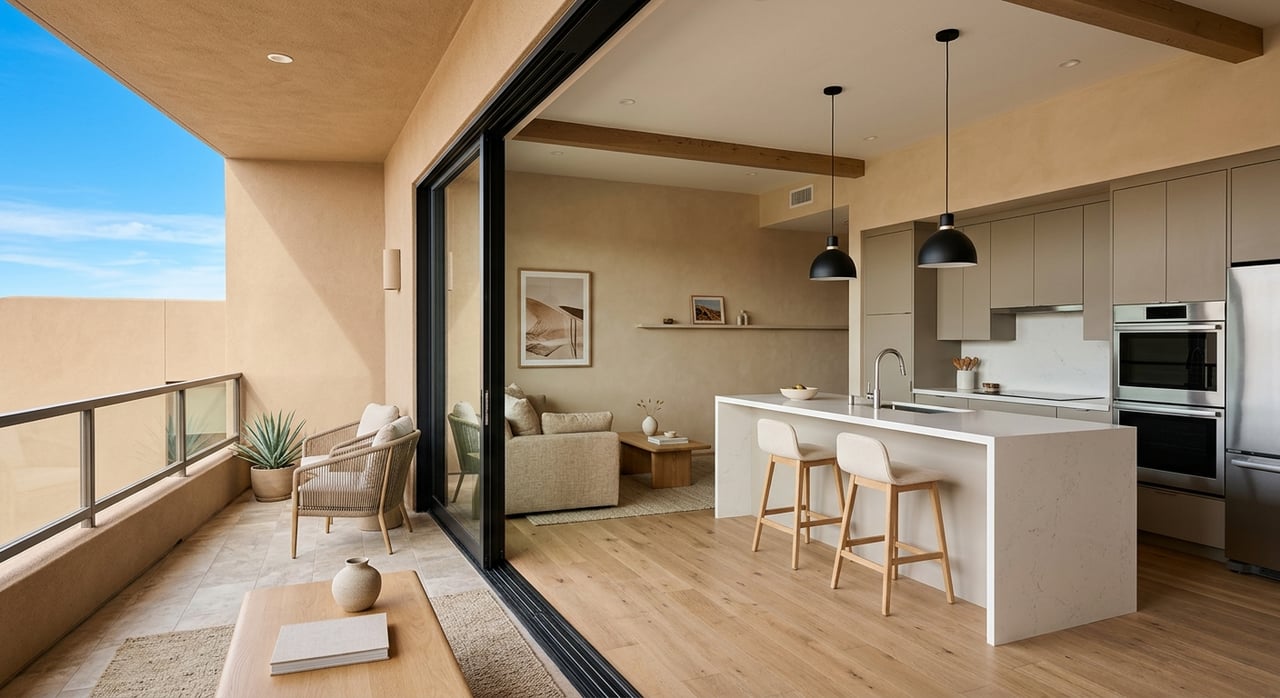
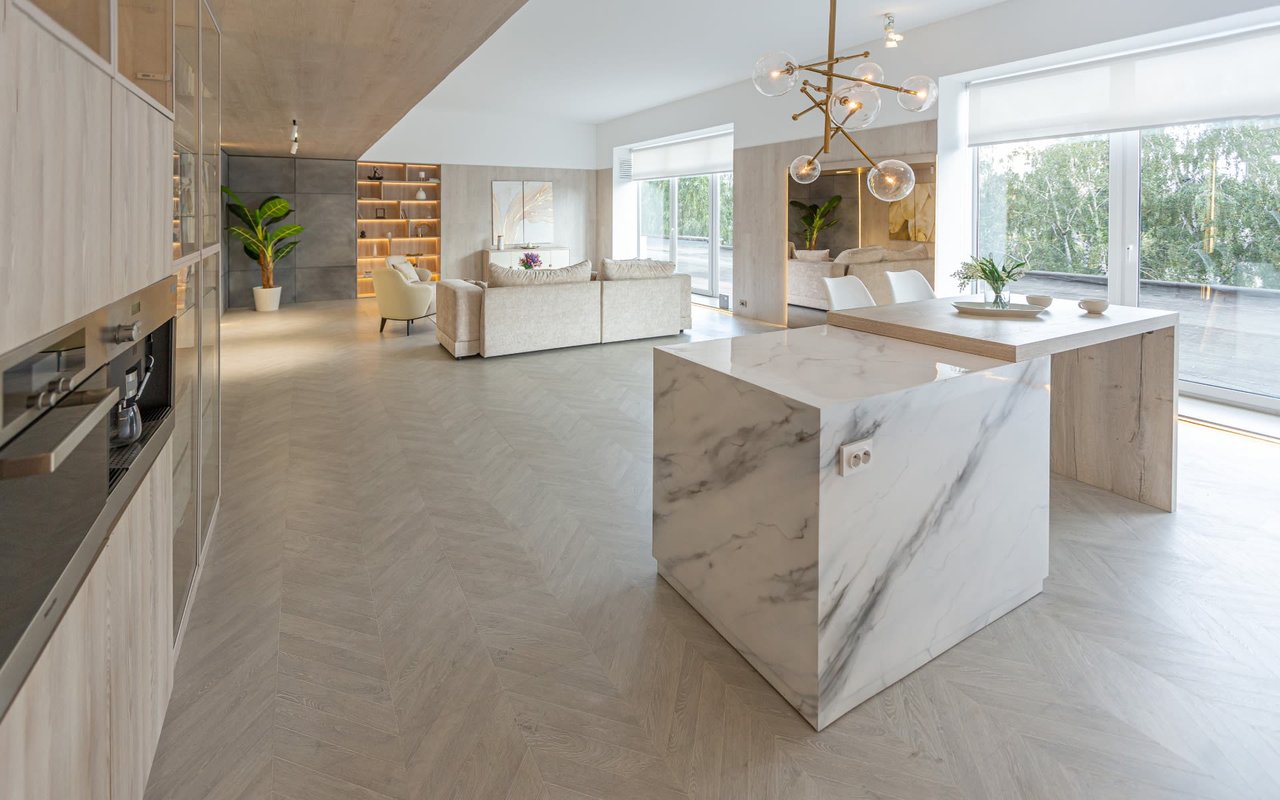
Downtown and Midtown concentrate converted lofts and newer mid-rise condos near arts, dining, and entertainment. You’ll find open floor plans, higher ceilings, balconies, and urban views in buildings around the downtown core, Roosevelt Row, the Warehouse District, and stretches near Central Ave. These properties often include condo associations, structured parking, and building amenities. Review HOA rules, fees, and any short-term rental policies as part of your due diligence.
Historic bungalows and early homes
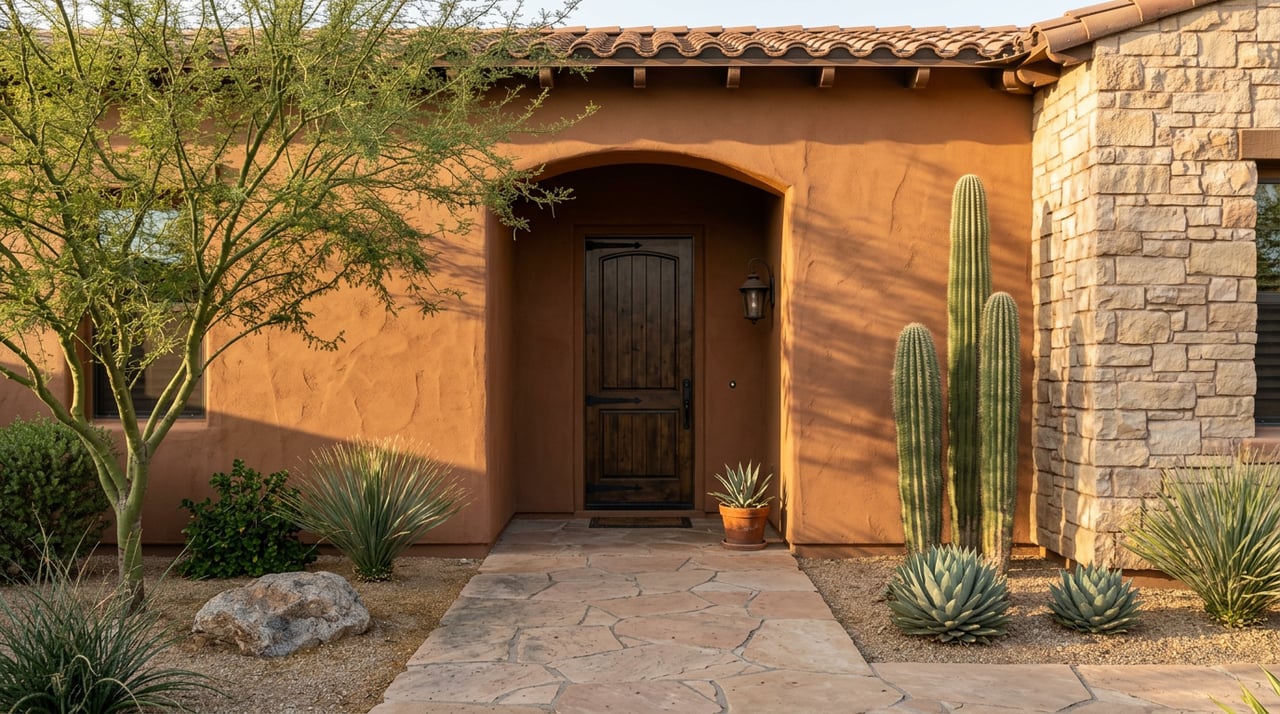
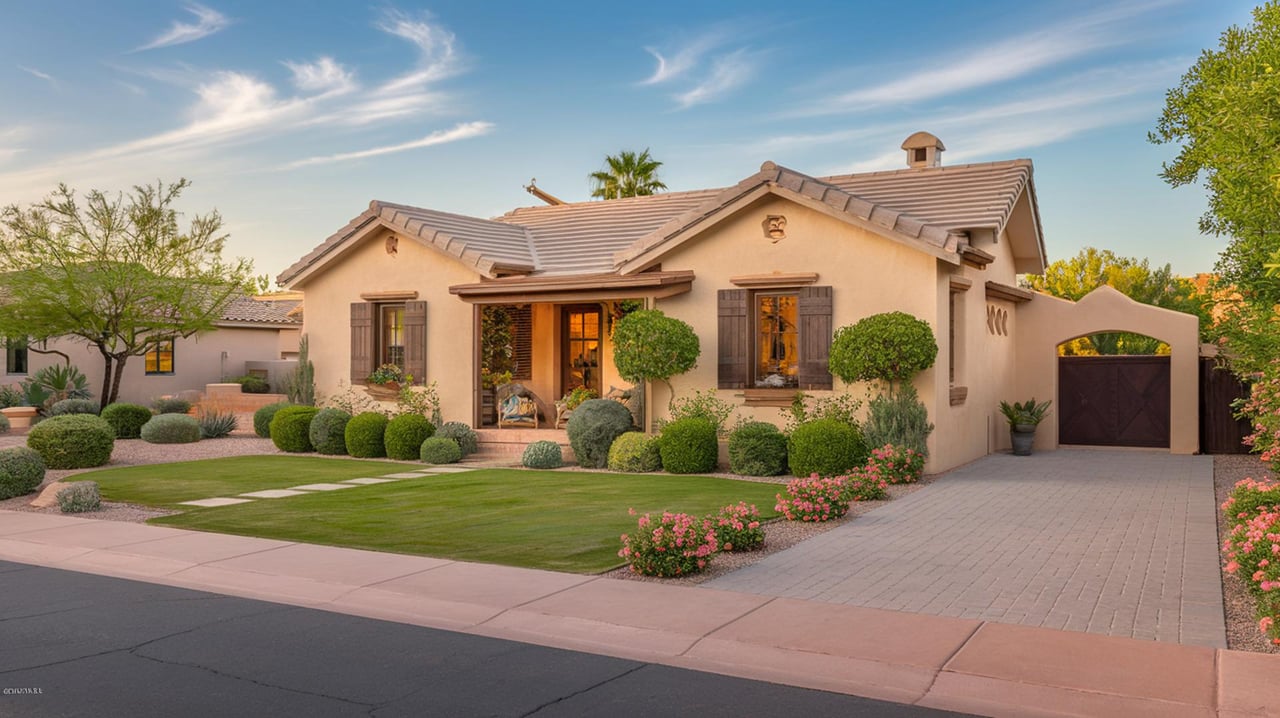
If you love character, 1920s through 1940s bungalows in historic districts offer distinctive architecture and yard space. Neighborhoods like Willo, Encanto-Palmcroft, Coronado, and parts of Garfield feature tree-lined blocks in some areas and a strong sense of place. Expect more maintenance and potential system updates, and be aware that historic-preservation overlays can limit exterior changes. The result can be a beautiful home with lasting appeal if you plan for upkeep.
Modern infill single-family
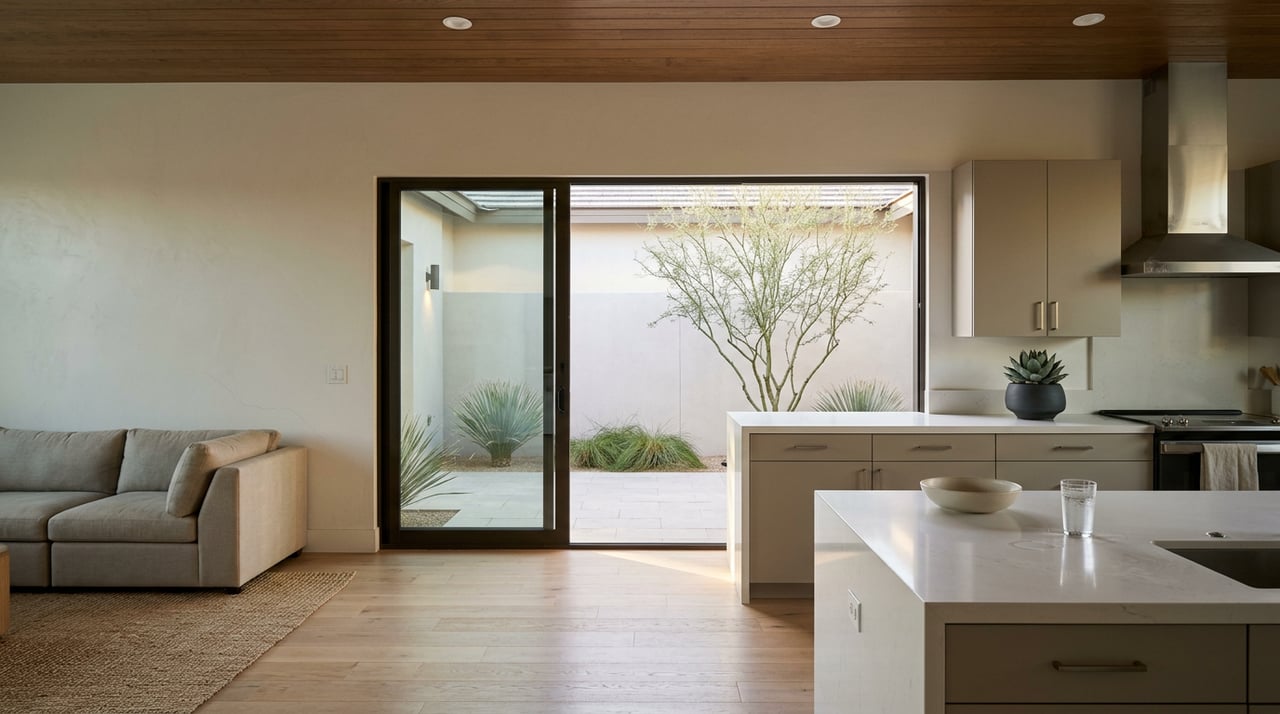
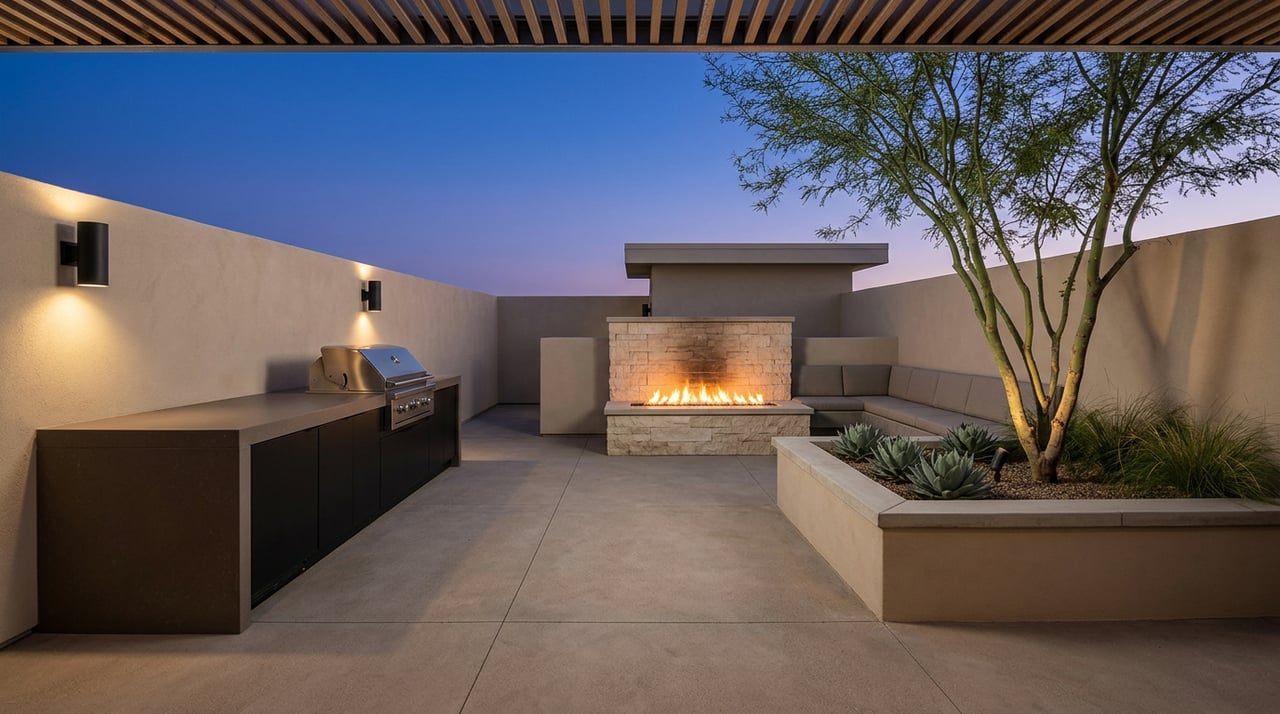
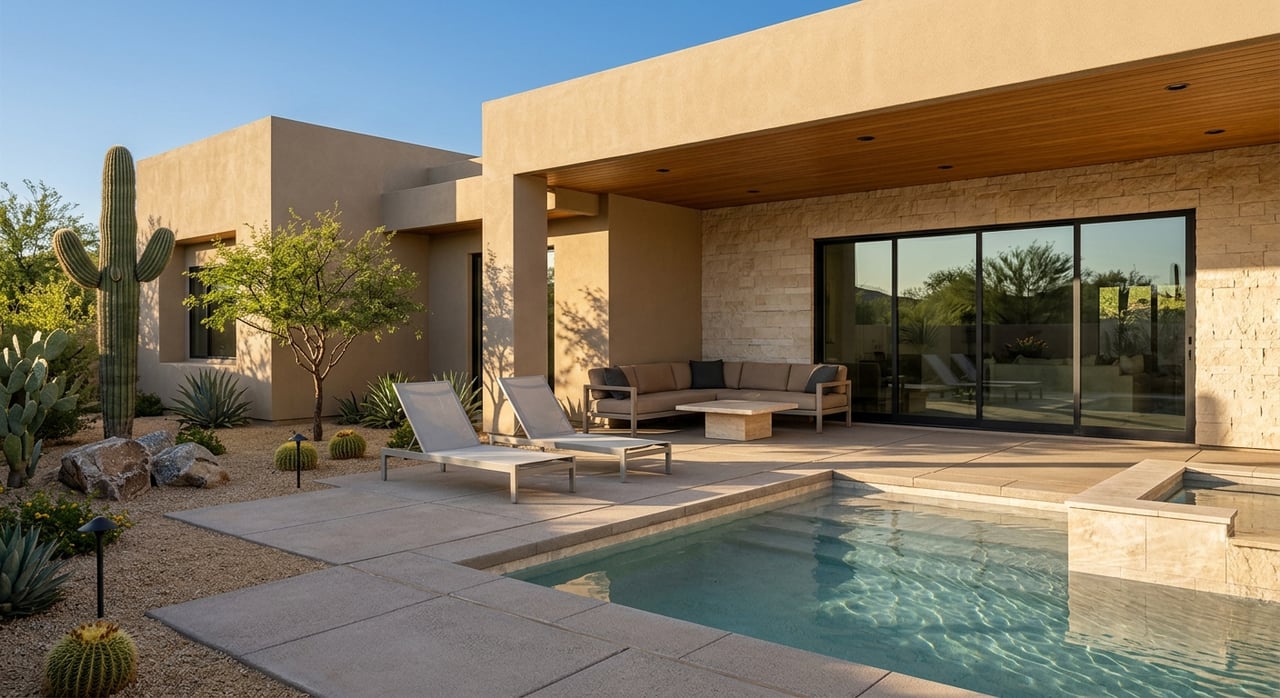
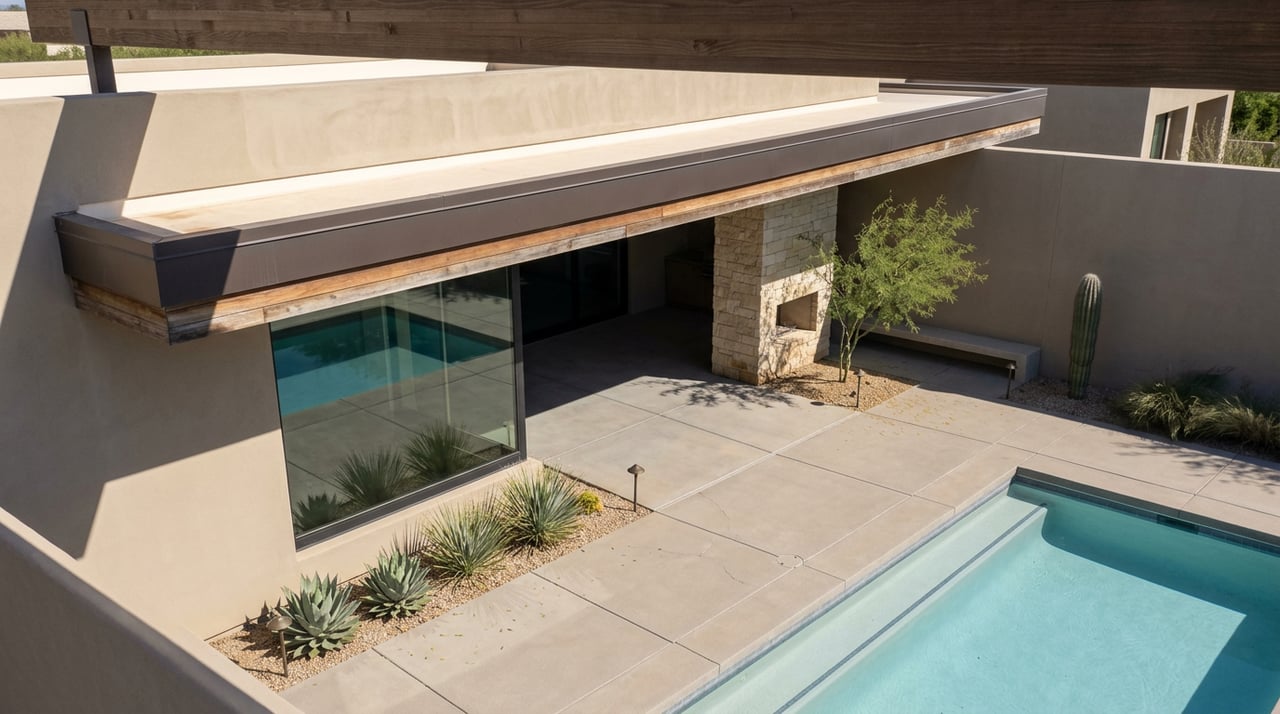
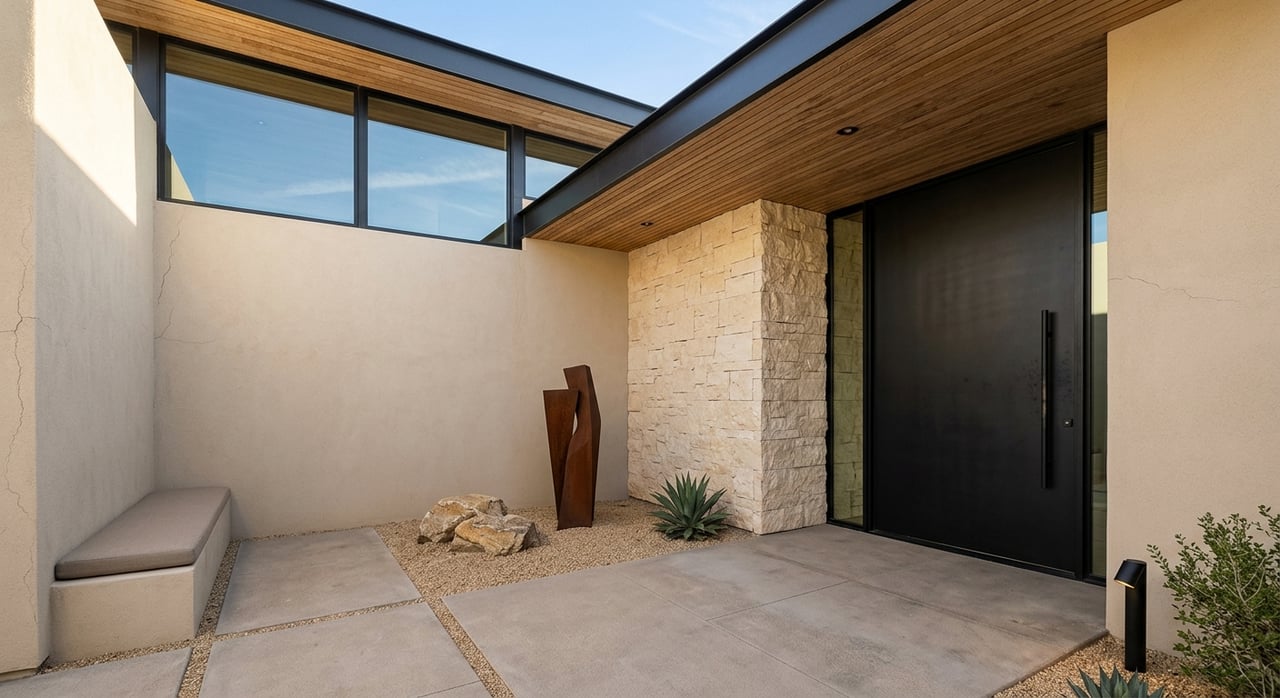
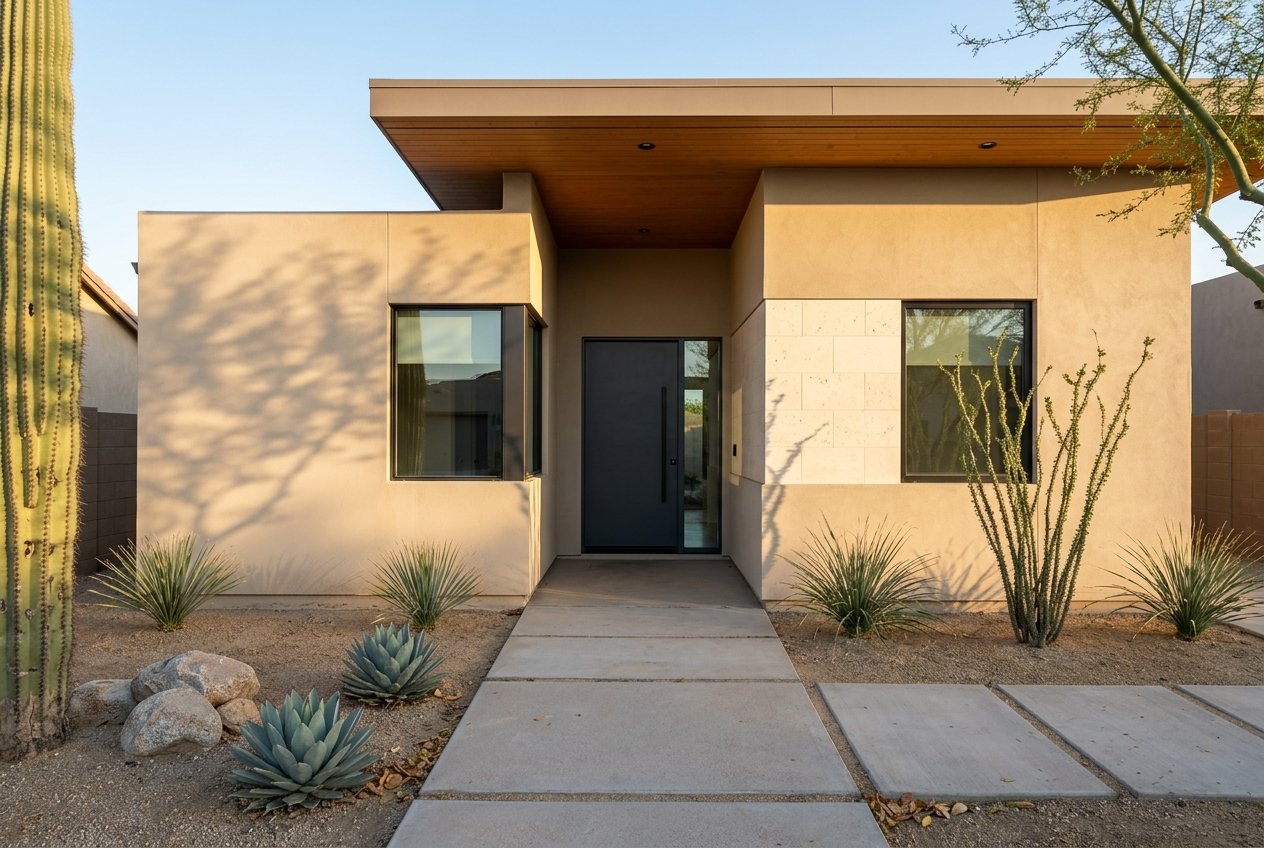
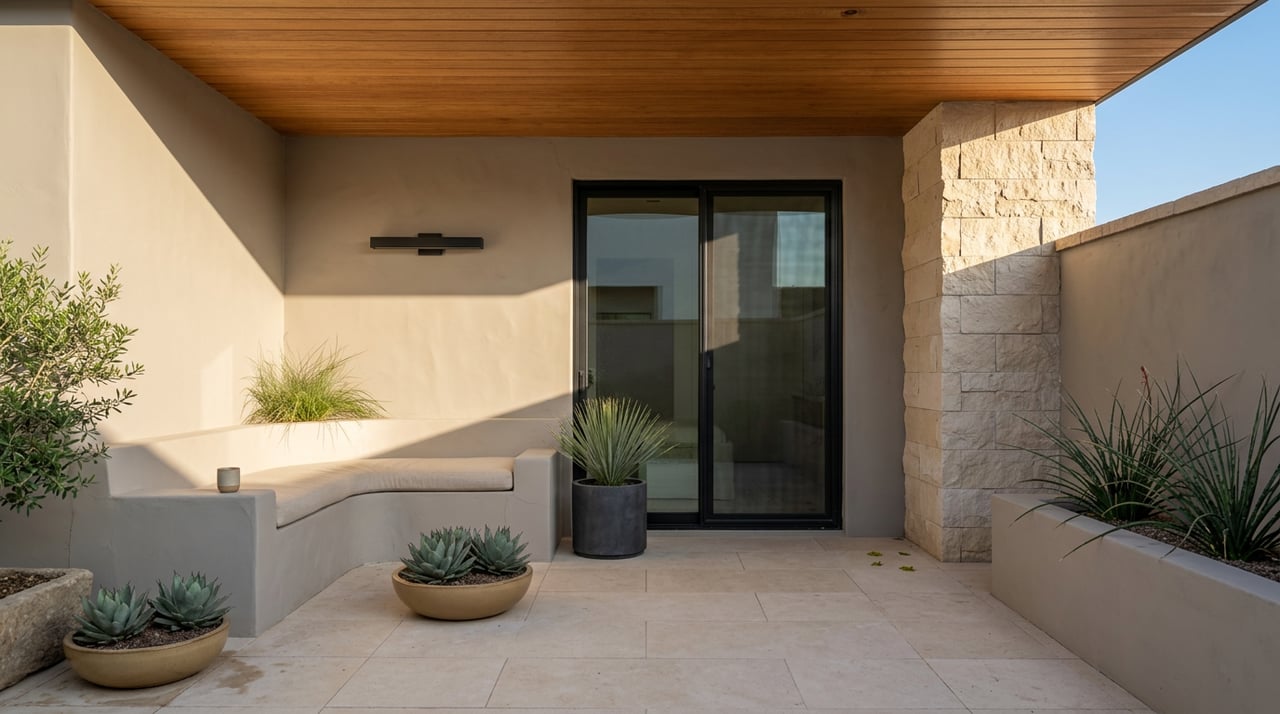
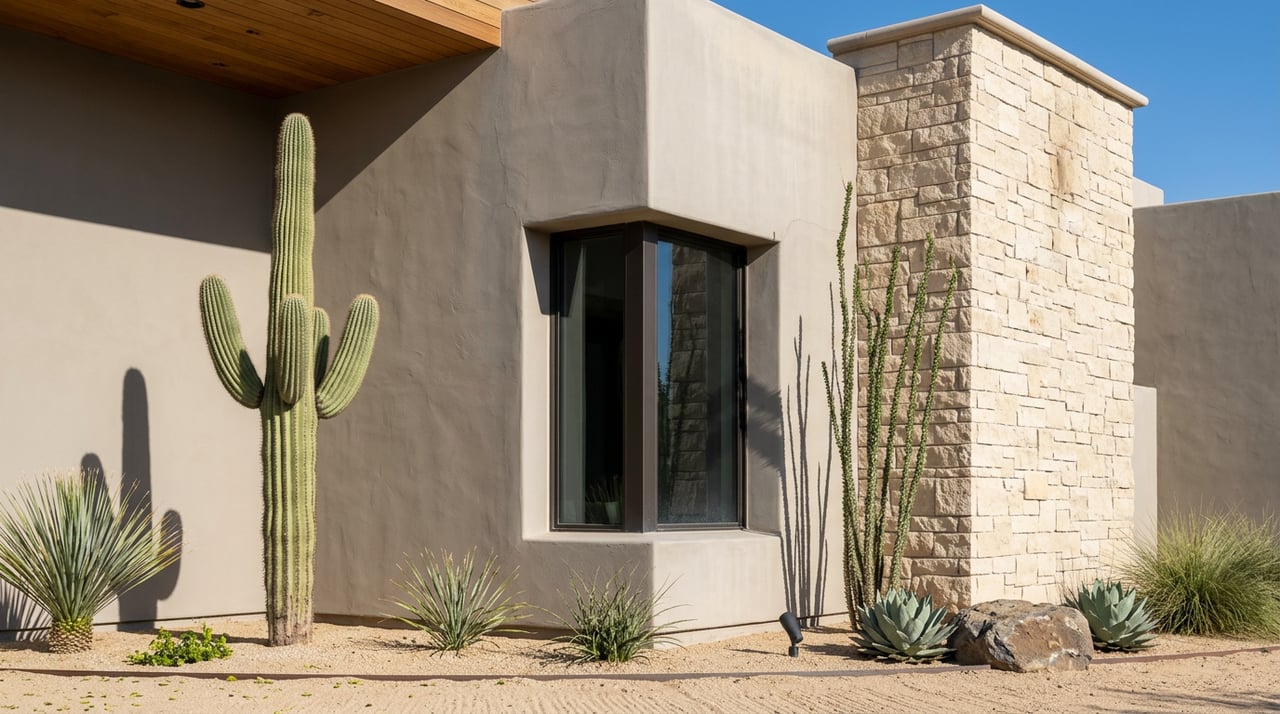
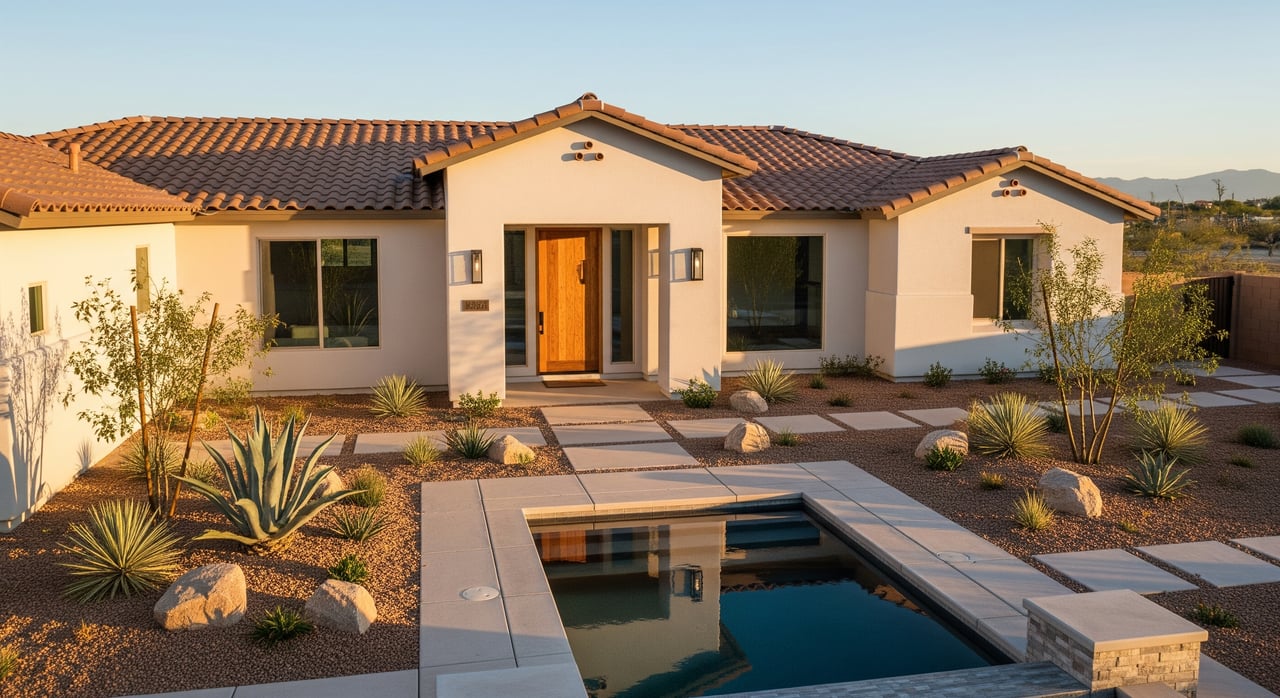
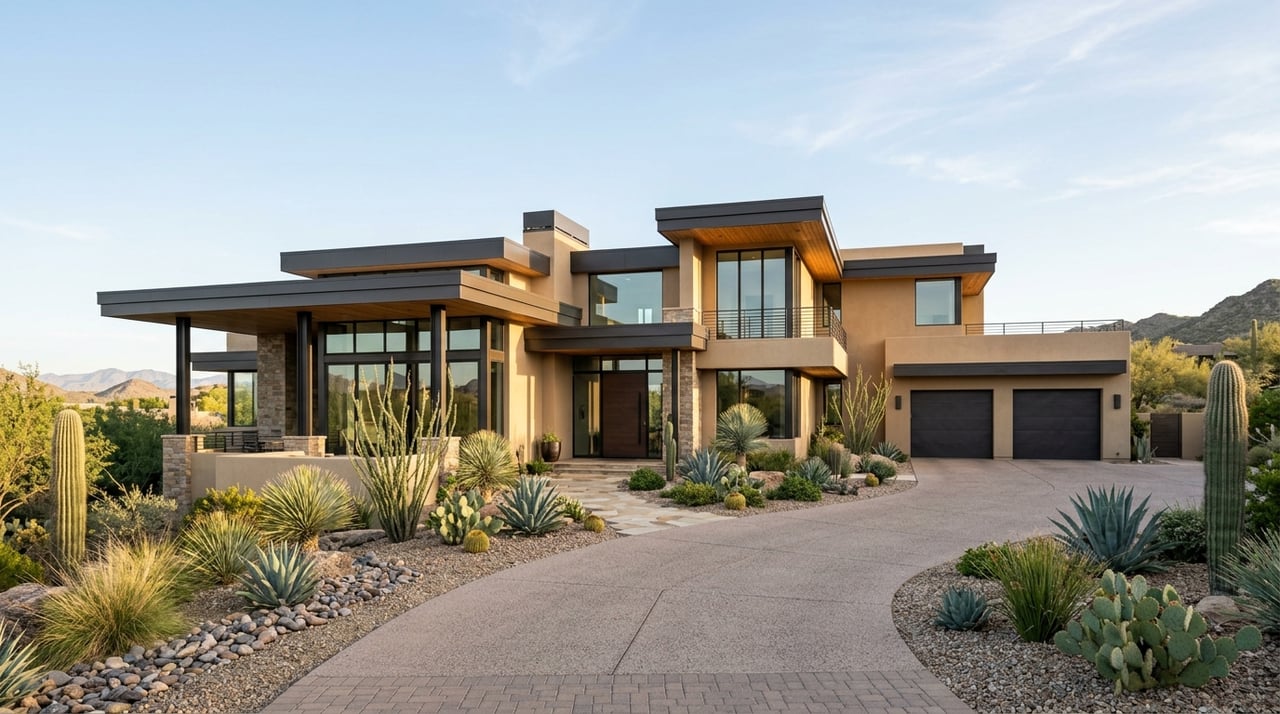
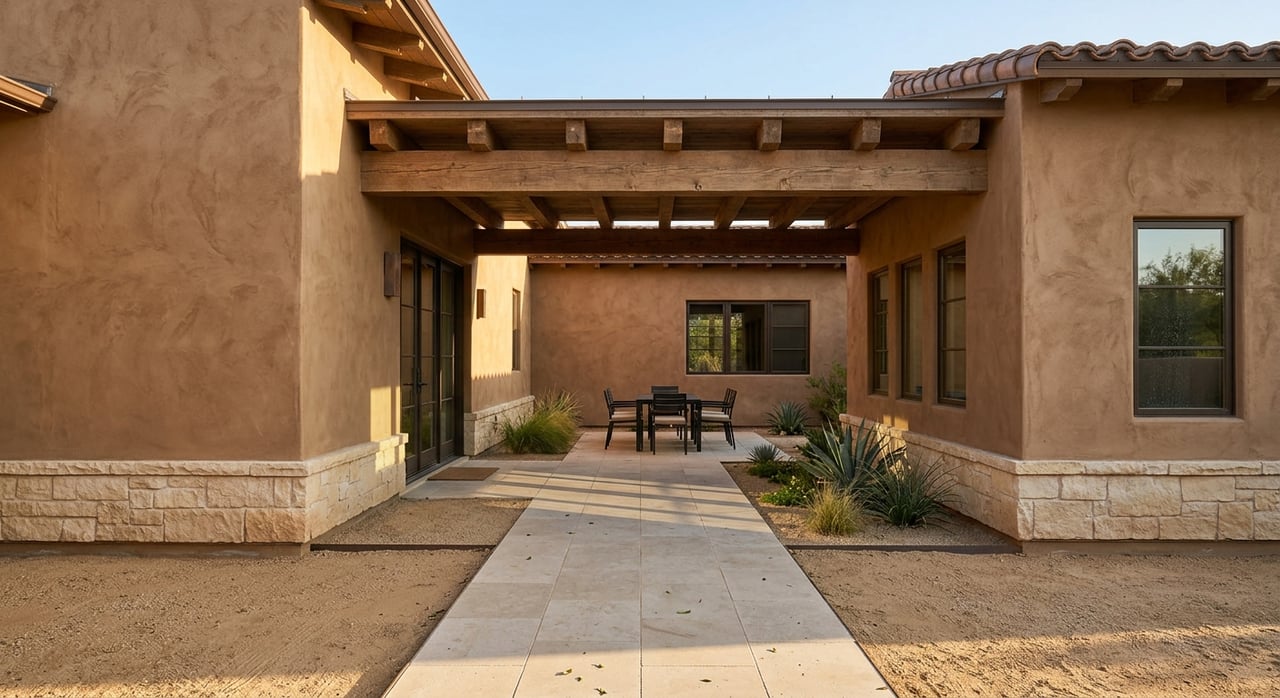
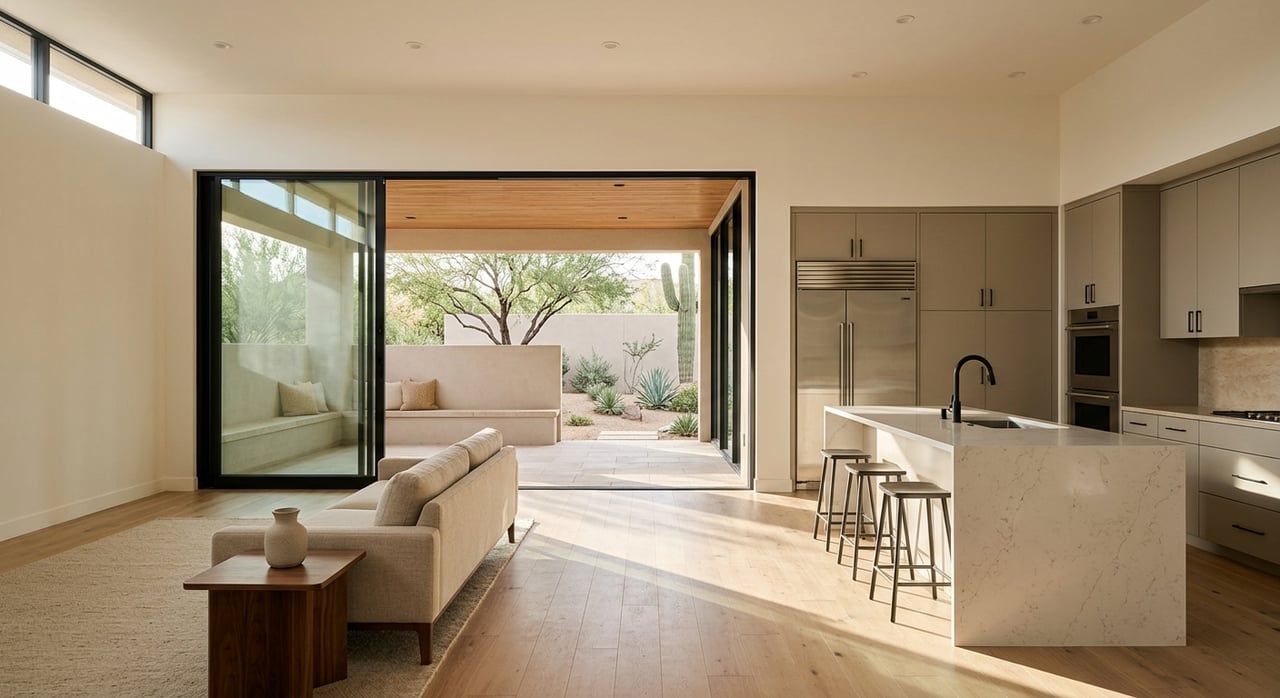
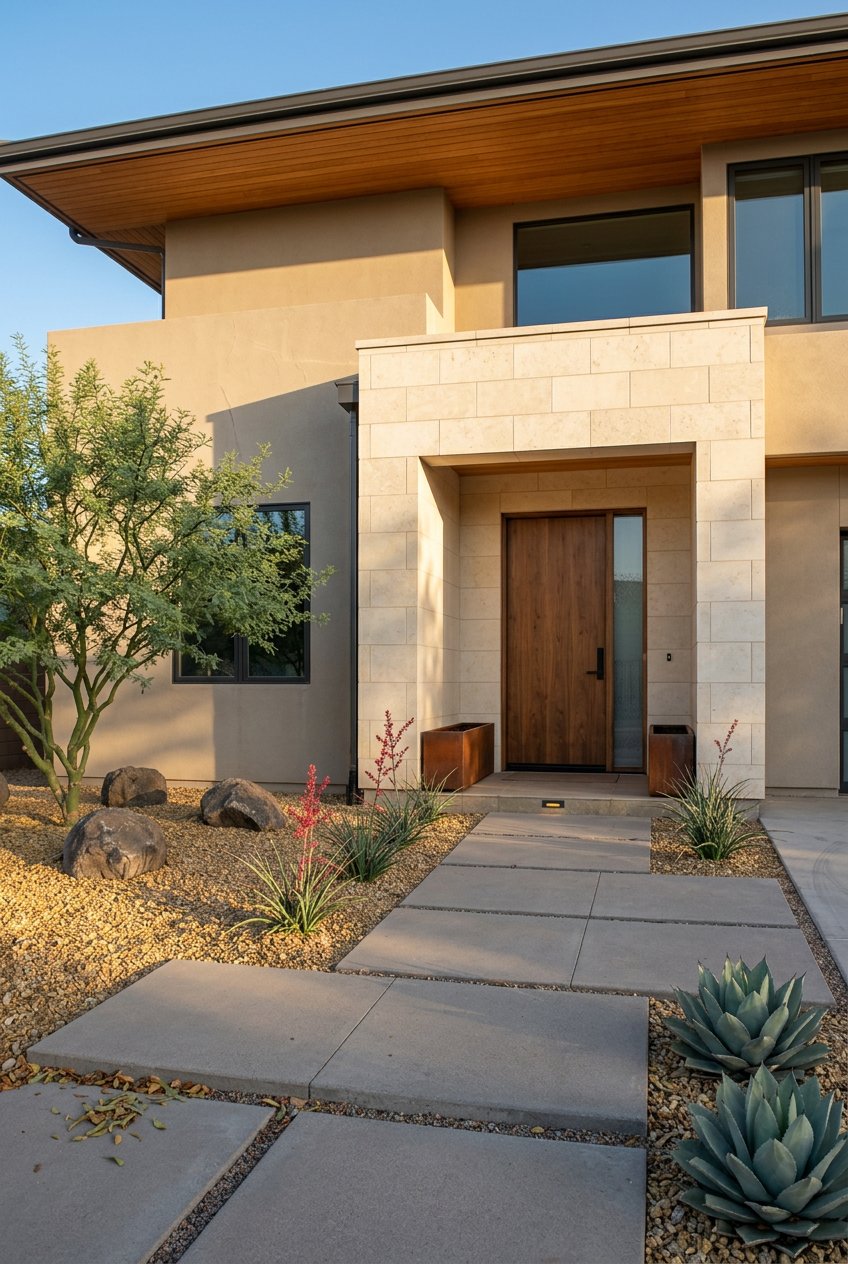
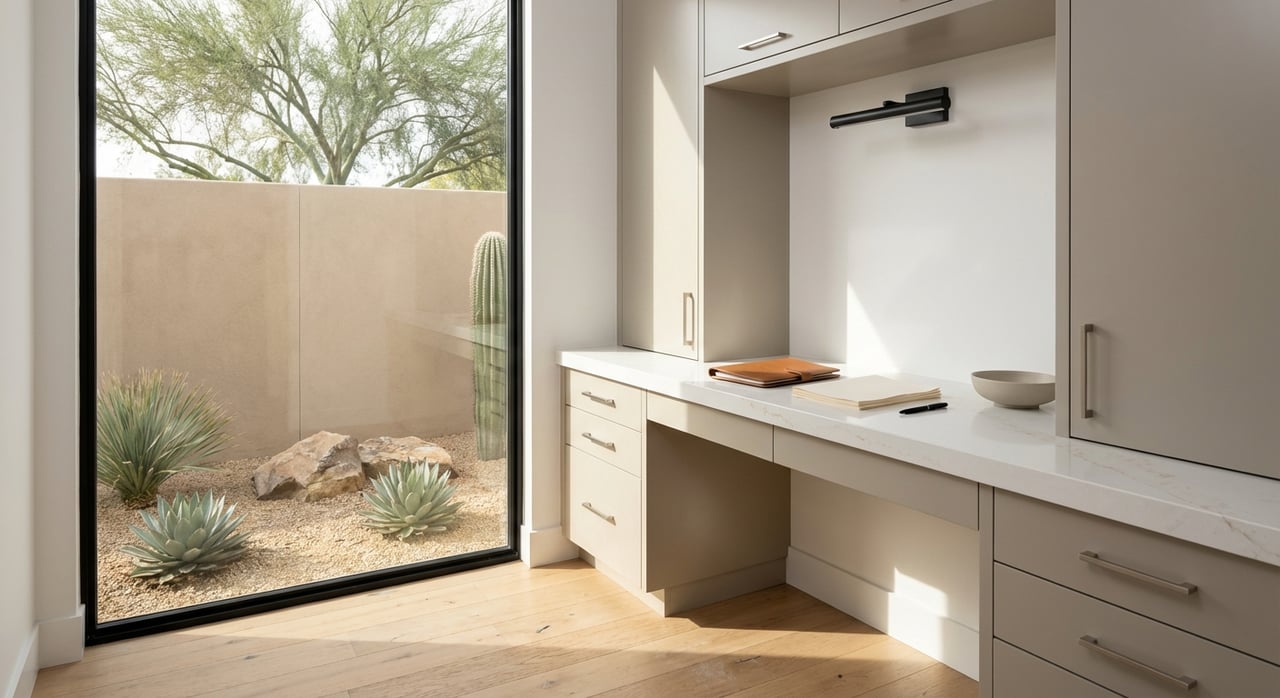
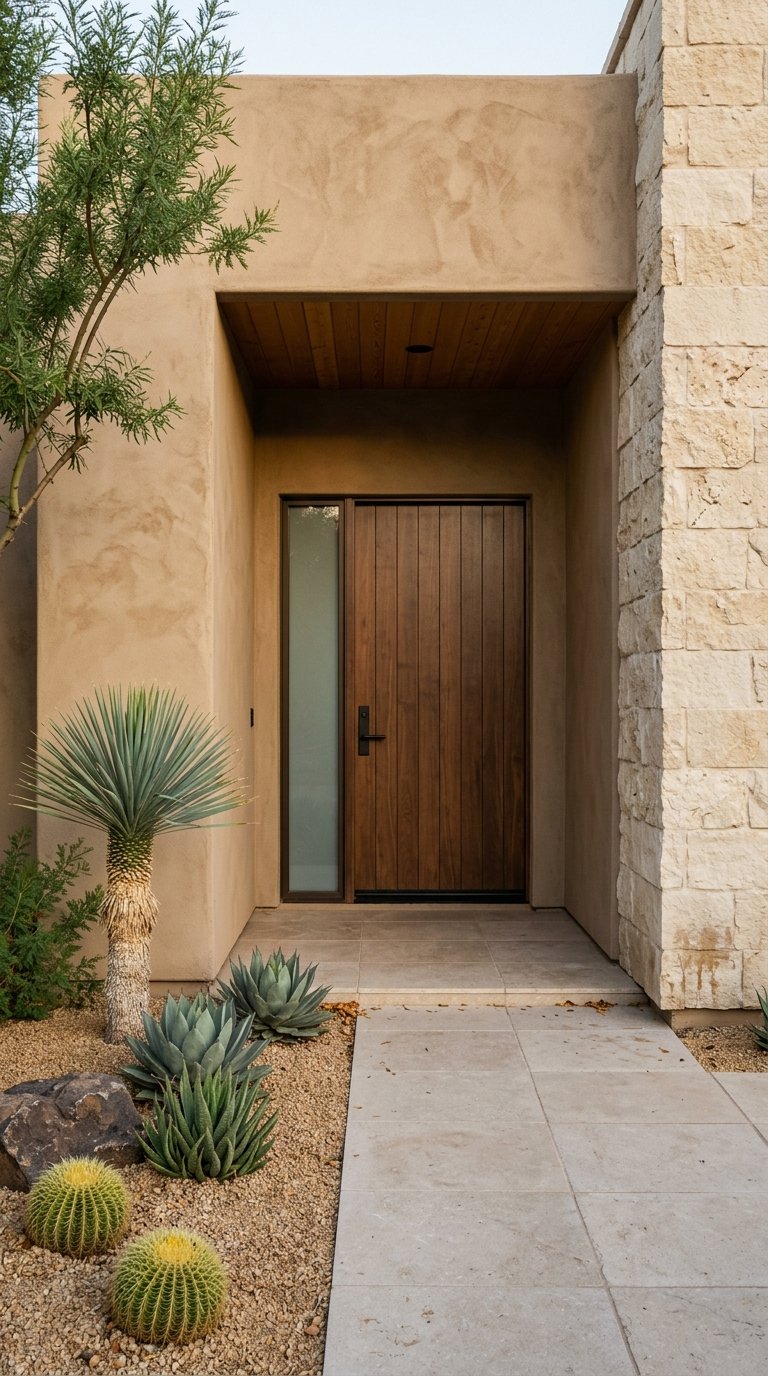
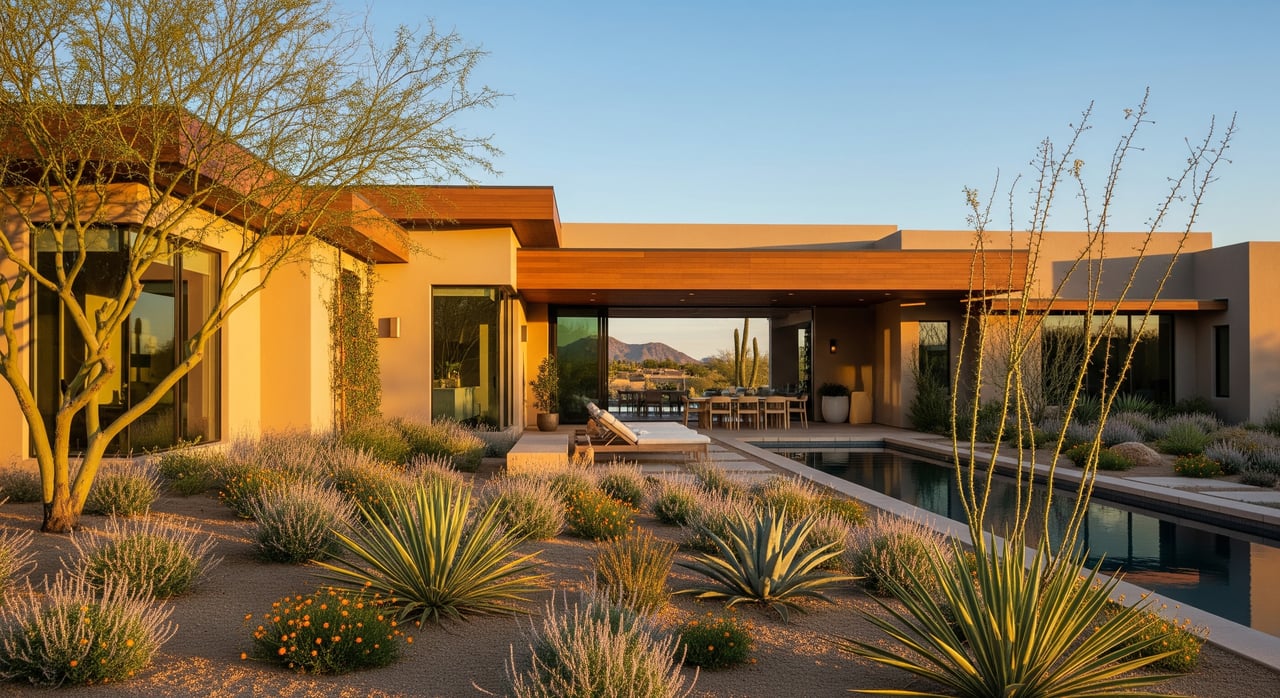
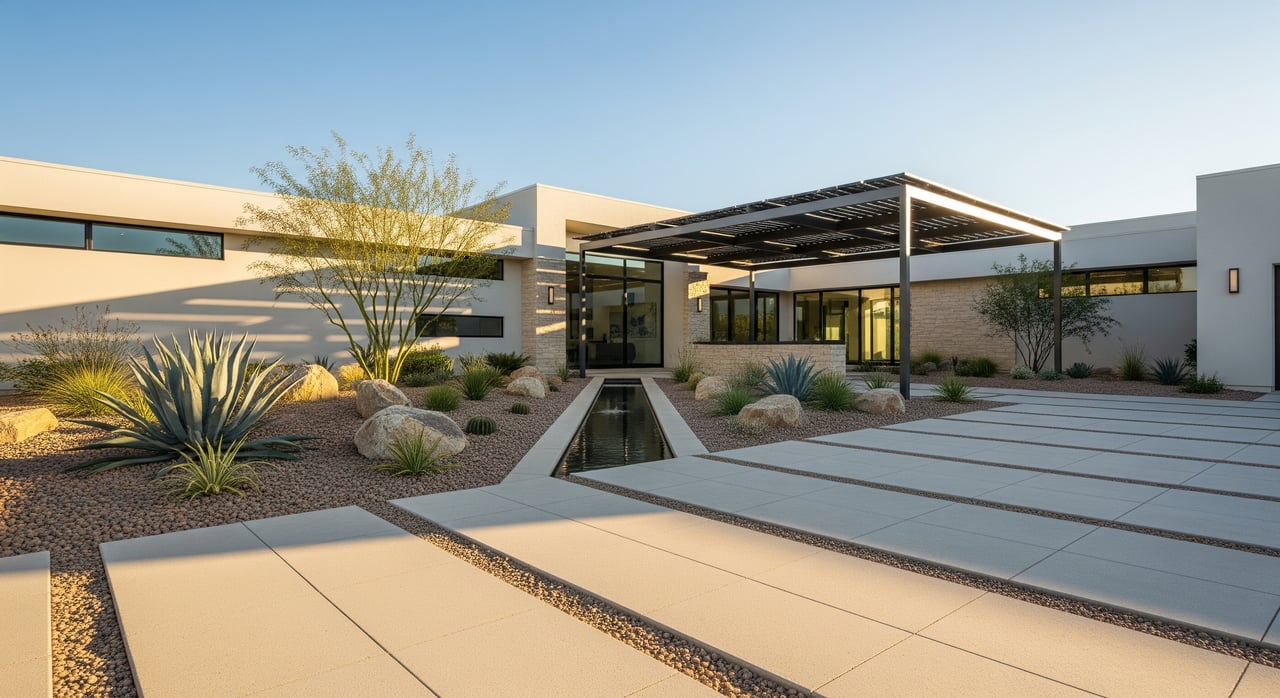
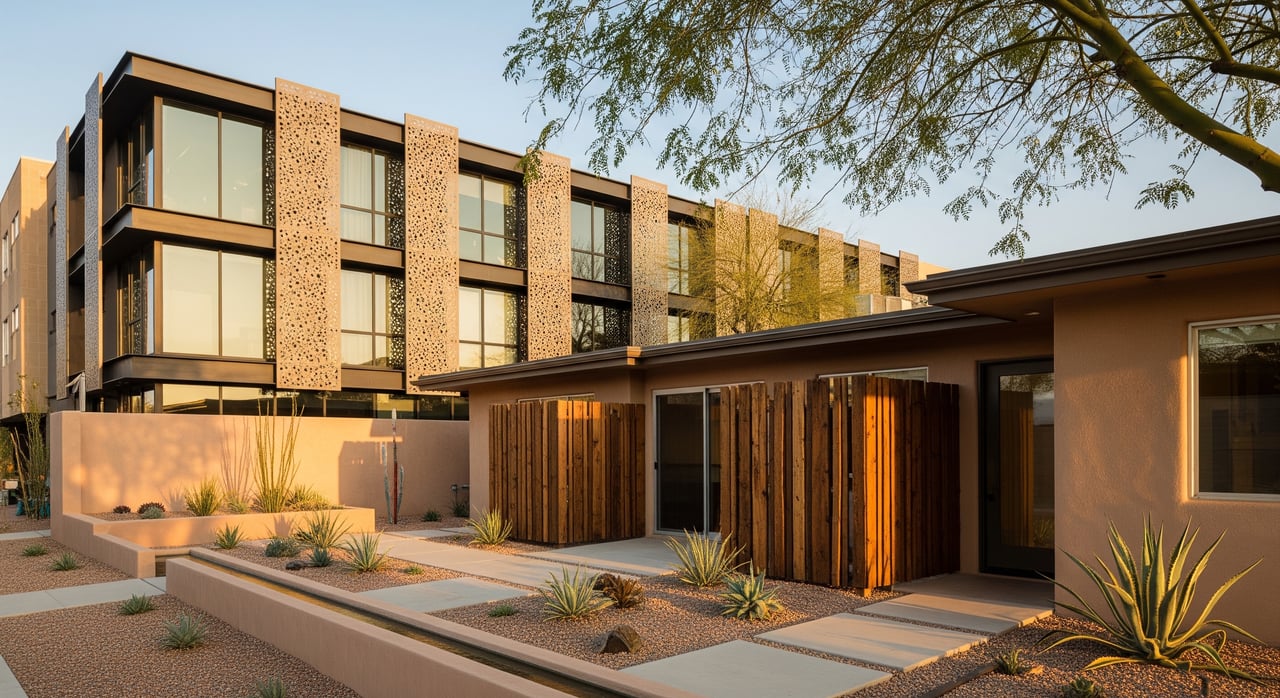
Across central Phoenix, modern infill homes replace older structures or fill vacant lots with contemporary design. These homes often maximize indoor-outdoor living on compact lots, sometimes with rooftop decks or private courtyards. Newer construction can mean warranties and better energy performance. Lot sizes, setbacks, and property tax basis may differ from older homes, so confirm details during your review.
Townhomes and rowhouses
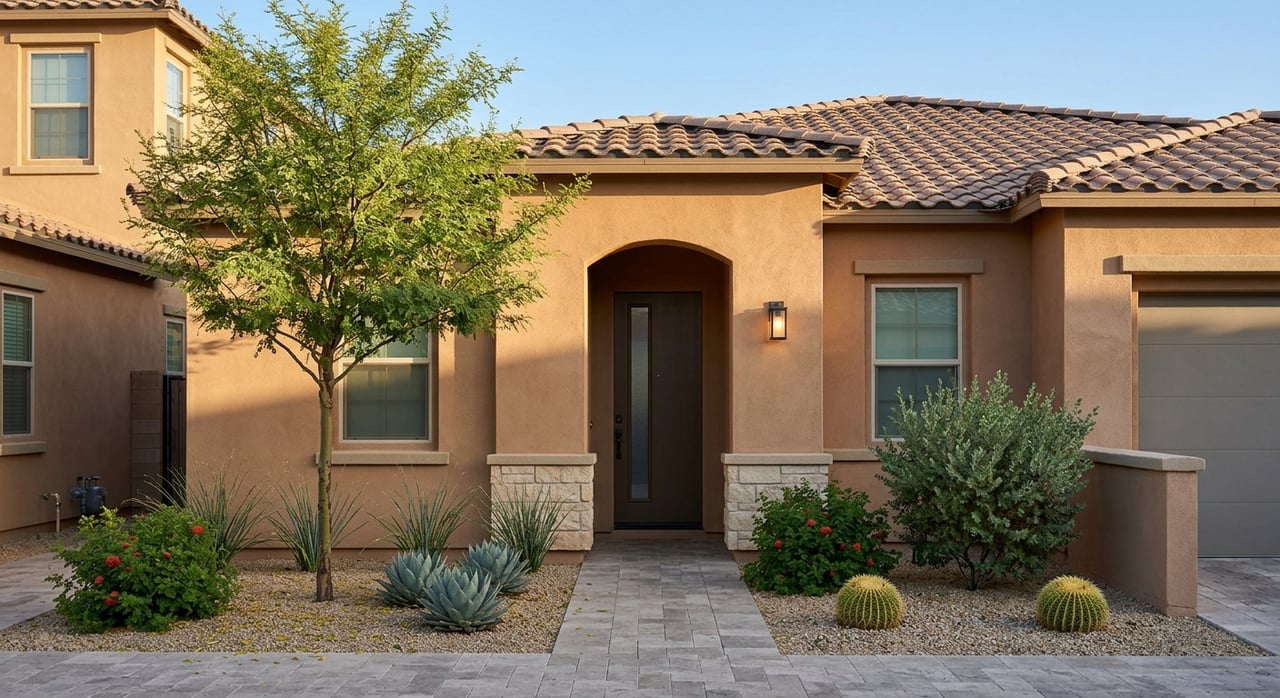
If you want space with lower maintenance, look at townhomes and rowhouses along transit corridors and in redevelopment areas. Expect attached two or three-story layouts, small yards or terraces, and garages. HOAs typically handle common-area upkeep, which can simplify your routine. Compare HOA services and rules to make sure they match your lifestyle.
ADUs and flexible living
Accessory dwelling units, like guest houses or garage conversions, are gaining traction for rental income or multigenerational living. Regulations are set by the City of Phoenix and can evolve with state and local updates. If an ADU matters in your plan, confirm current permitting and any neighborhood requirements. Rules and processes can change, so build in time to verify the latest guidance.
Costs and ownership basics
Price tiers at a glance
Prices vary widely by neighborhood, age, size, and renovation level. A helpful way to think about it is by tier: entry-level urban condos or smaller lofts typically start the range in central Phoenix, mid-range options include renovated condos, townhomes, and smaller infill homes, and premium properties include larger modern infill homes and historic bungalows in desirable districts. These are estimates and shift quickly. Always rely on current MLS data and a local agent for up-to-date pricing and comparable sales.
Beyond the mortgage: fees and utilities
Factor HOA or condo fees for buildings with amenities like pools, elevators, and exterior insurance. In Phoenix’s desert climate, cooling is a major ongoing cost, so energy efficiency, insulation, and HVAC condition have a big impact on monthly bills. Property taxes and insurance are based on assessed values and local rates. Ask for average utility costs and recent system updates to understand the full picture.
Resale and rental considerations
Walkability, transit access, and proximity to arts and dining tend to support demand and resale value. Historic districts and well-established cultural pockets often attract steady interest, but renovation rules can shape what projects make financial sense. If rental income is part of your plan, note that short-term rental regulations can change. Confirm current policies for any property you’re evaluating.
Commutes, transit, and daily flow
Getting around centrally
Central Phoenix can reduce your commute to downtown employment centers and make everyday errands easier. The Valley Metro light rail and bus network connect downtown, Roosevelt Row, Midtown, and the Tempe and ASU corridor, which helps some residents rely less on cars. Walkability can vary block by block, so visit at different times of day to get a feel for foot traffic, shade, and comfort. If transit matters to you, prioritize proximity to rail stops or major bus routes.
Parking and storage
Parking can be the difference between a home you like and one you love. Condos may include assigned garage spaces or rely on street parking and permits. Townhomes often include private garages, while historic homes and infill properties can vary. Clarify parking, storage, and guest policies early to avoid surprises.
Lifestyle and amenities
Culture, dining, and parks
Central Phoenix places you close to art galleries, museums, farmers markets, restaurants, and sports venues. Smaller urban parks and community green spaces dot many neighborhoods, with larger regional parks a short drive away. If a vibrant dining or arts scene matters to you, focus your search in and around downtown, Roosevelt Row, and Midtown. Expect active streets during events and weekend evenings.
Outdoor life and the heat
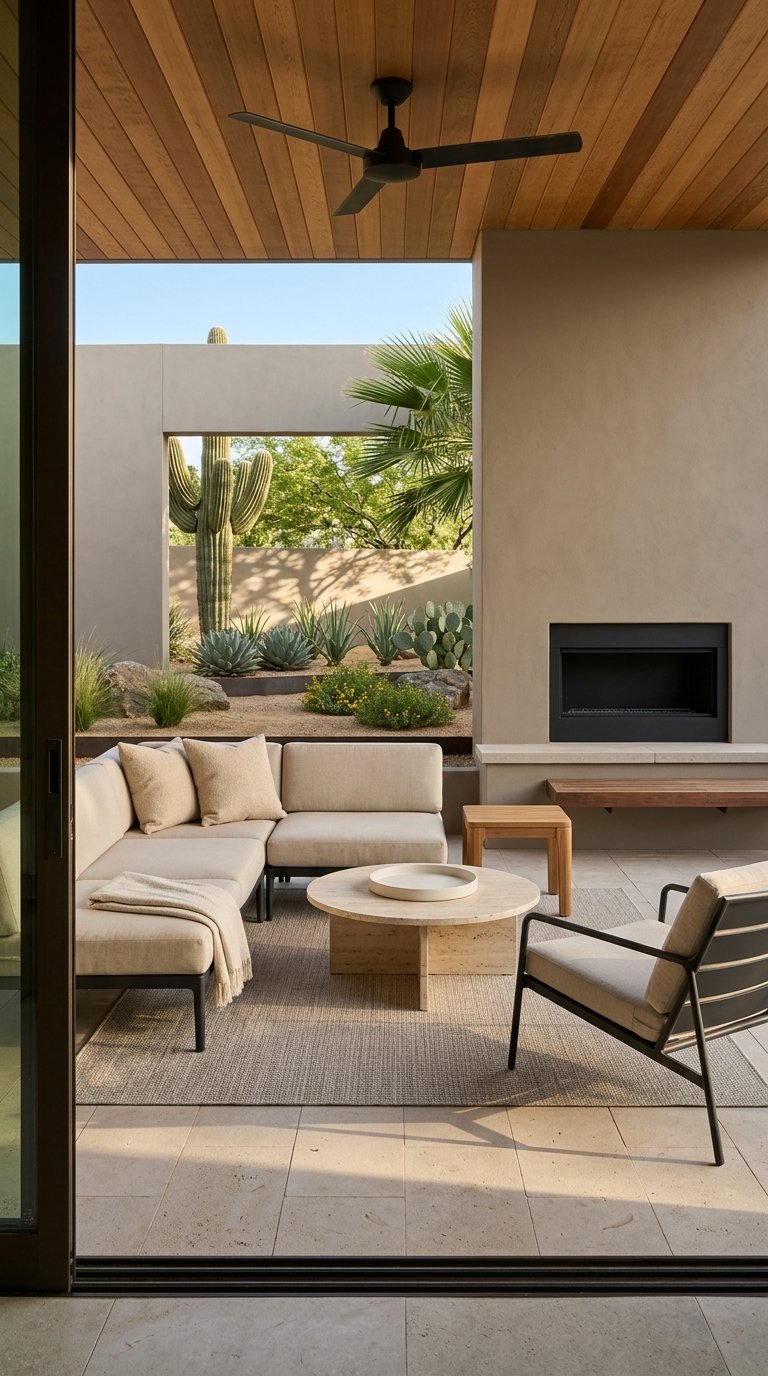
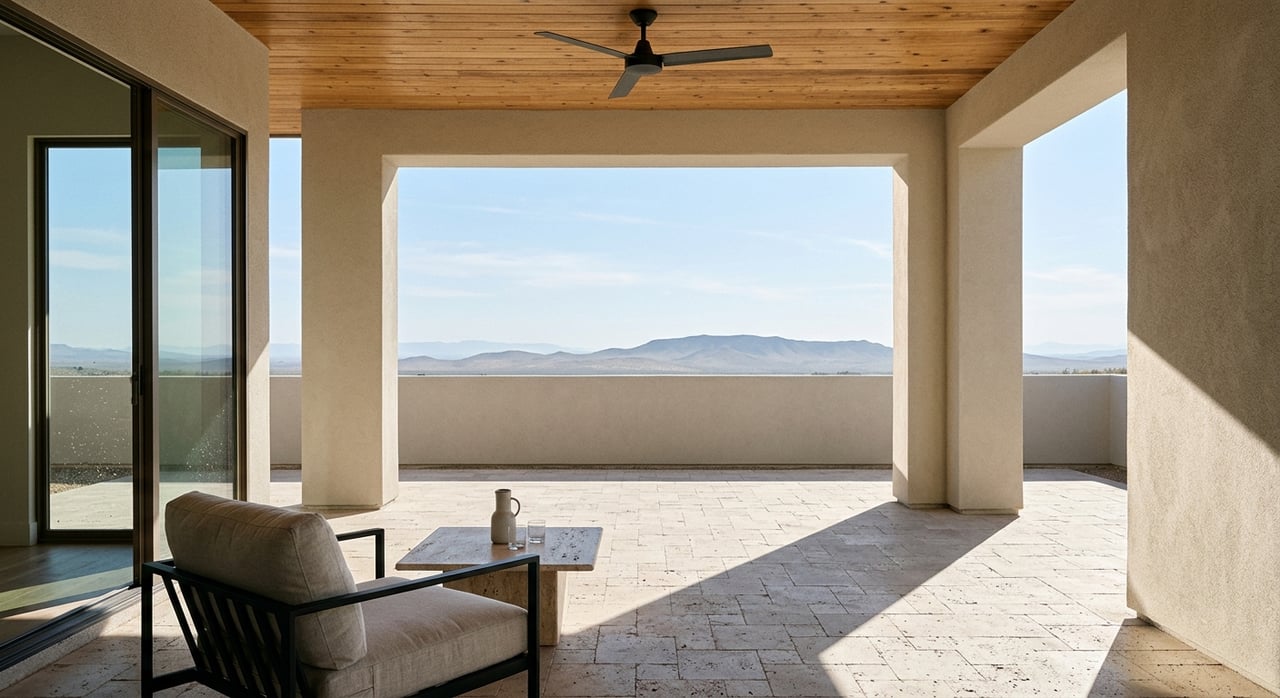
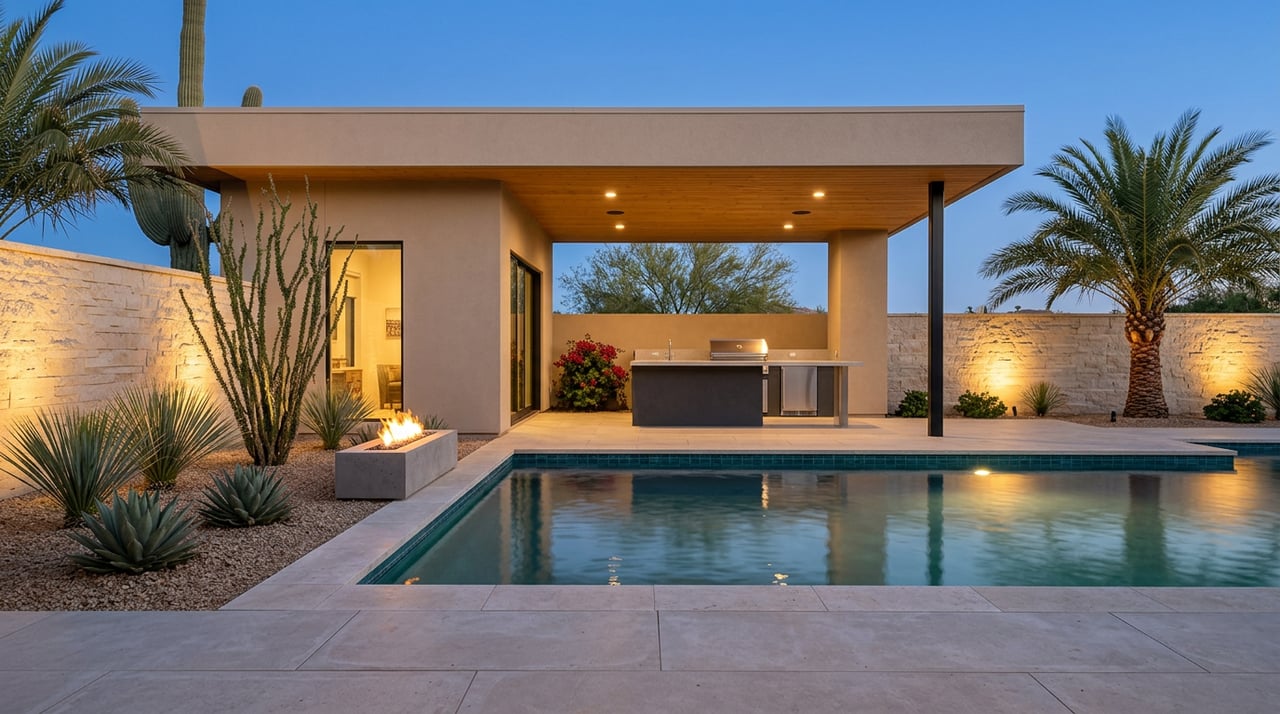
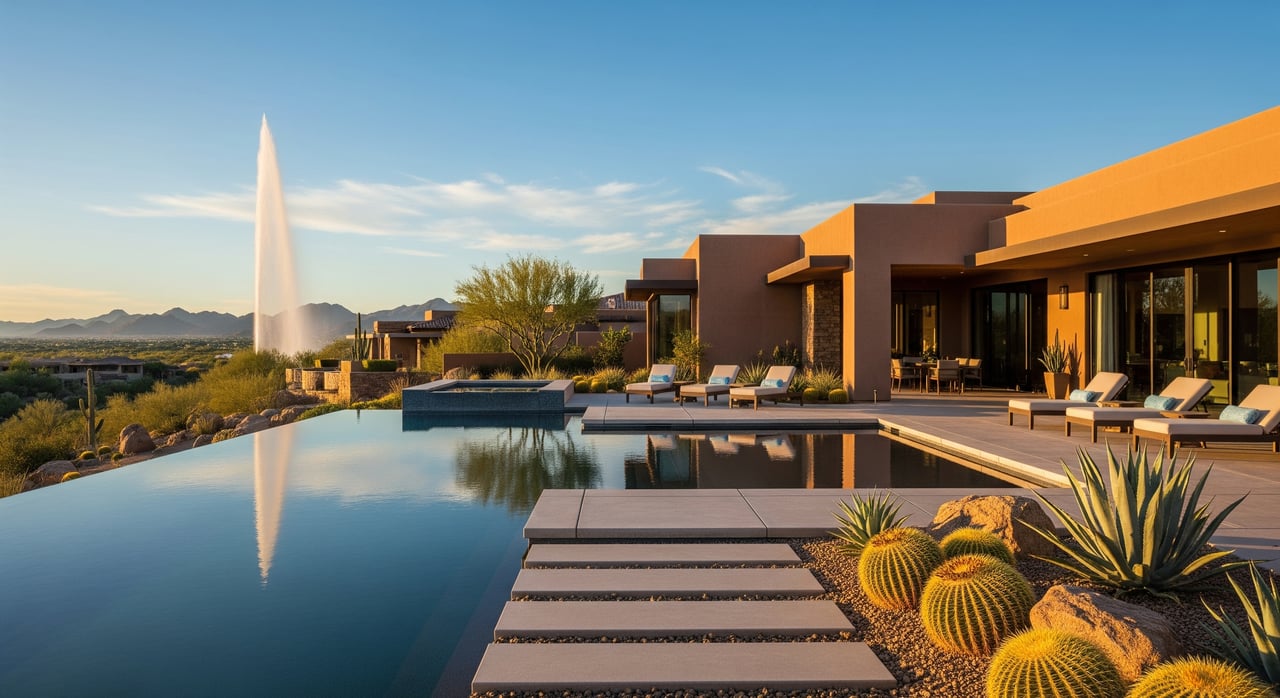
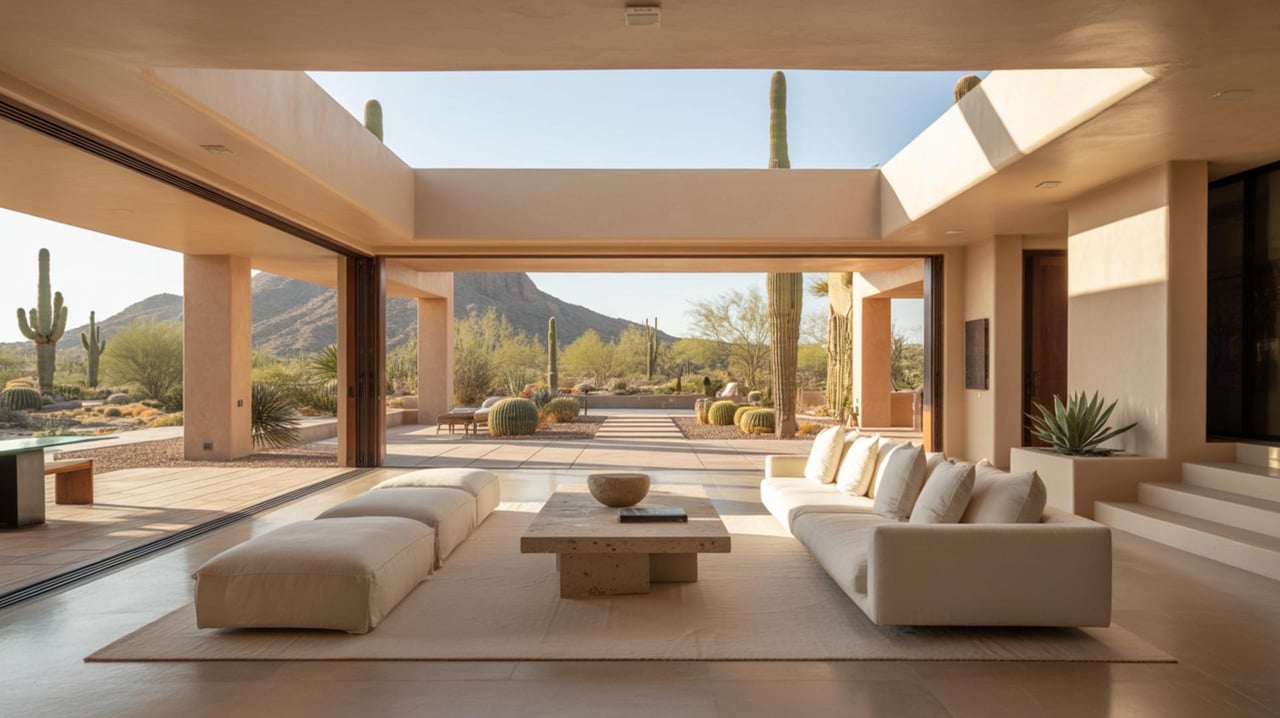
Summer heat shapes daily life. Many residents shift runs and walks to early mornings or evenings and lean into temperature-controlled amenities like pools and fitness centers. Rooftop pools and shaded patios are common in urban developments. Look for shade, landscaping, and well-insulated buildings to boost comfort.
Noise and privacy trade-offs
City living means energy and activity along with more noise in some areas. Loft and condo buildings depend on soundproofing and building design for privacy. Historic bungalows offer outdoor space and privacy but can be near busier corridors depending on the block. Visit candidate homes at different times to check ambient noise and traffic patterns.
How to choose your fit
Decision priorities checklist
- Commute priority: typical time and most-used mode, including light rail, bus, biking, or driving
- Lifestyle: nightlife and arts access compared to quieter blocks with more private outdoor space
- Property type: condo or loft, historic bungalow, modern infill single-family, or townhome
- Maintenance tolerance: HOA-managed elements versus personally maintaining roof, AC, and yard
- Budget: target price and acceptable HOA, utility, insurance, and tax carrying costs
- Renovation appetite: move-in ready or a fixer with potential
Questions to ask at showings
- What are typical HOA fees and what do they cover?
- Are there neighborhood or historic-district rules for exterior changes?
- How old are the HVAC and roof, and what upgrades were done?
- What are average utility bills for similar homes in summer?
- Is parking assigned or garaged, and what are guest rules?
- Are there event or venue impacts nearby that affect noise or traffic?
- What are the current short-term rental rules here?
- Is the lot in a flood zone or subject to drainage issues?
Side-by-side comparison checklist
- Walk score and transit access, including distance to light rail stops
- Lot size and private outdoor space, with attention to shade and sun exposure
- Parking and storage, including bike and gear space
- HOA rules, including pets, rental policies, and exterior changes
- Proximity to grocery, pharmacy, medical care, and the airport
- School district, if relevant, and access to day-care options
Ready to explore central Phoenix?
Whether you’re picturing a skyline-view loft, a craftsman bungalow with a porch swing, or a sleek new infill home, central Phoenix offers a wide range of options. The right fit comes down to how you want to live each day and how you balance commute time, maintenance, and budget with access to culture and transit. If you want expert guidance and a smooth search, connect with Kayla Kerulis to request a complimentary market consultation.
FAQs
What areas in Phoenix are best for urban living?
- Downtown, Roosevelt Row, parts of Midtown, and nearby historic districts like Willo, Encanto-Palmcroft, and Coronado offer a mix of walkable amenities and housing styles.
Are historic bungalows difficult to renovate in Phoenix?
- Many historic districts have preservation overlays that limit exterior changes, so plan for approvals and work with professionals familiar with local guidelines.
Is the light rail useful for commuting in central Phoenix?
- The Valley Metro light rail connects downtown, Roosevelt Row, Midtown, and the Tempe and ASU corridor, which can reduce car dependence for some commuters.
What ownership costs should I expect beyond the mortgage?
- Budget for HOA fees where applicable, utilities with a focus on cooling costs, property taxes, and insurance; ask for average utility bills and system ages.
Can I add or rent out an ADU in central Phoenix?
- ADU rules are set by the City of Phoenix and can change; verify current permitting and any neighborhood restrictions before you plan an ADU or rental strategy.