Life rarely moves on a tidy timeline. A job offer hits your inbox, your household grows, or you decide it is time to simplify. If you are a Phoenix homeowner, the question becomes clear: when should you list so your sale supports your life change, not the other way around? In this guide, you will learn how to plan your sale around real-life milestones, what local timelines look like, and which levers help you control possession and speed. Let’s dive in.
Phoenix market timing today
As of early 2026, major listing portals showed Phoenix median sale prices in the low $400,000s and roughly two months on market. Inventory has been higher than in the boom years, and some areas have seen more “stale” listings, which creates pockets of buyer leverage. Local reporting documented increased listing age in 2025, a sign that sellers may need to plan for longer marketing windows or more negotiation on terms and repairs. You can see that trend in the Axios Phoenix coverage of listing staleness.
Seasonality in Phoenix
National data often points to late winter through early summer as the strongest window for sellers, with higher buyer activity and better price performance. Studies that aggregate many metros back this up, including this overview of national seasonality patterns. Phoenix can behave differently. Warm winters and snowbird traffic sometimes create solid demand in early winter, while spring still draws strong activity. The takeaway is simple: the national spring peak is helpful, but your neighborhood data should guide final timing. A fresh, MLS-based analysis for your subdivision and price tier is your best compass.
Pick your timing framework
You do not need a perfect market to have a smooth sale. You need a plan that matches your life event. Use the framework that fits your situation.
Urgent sale in under 30 days
If you must leave quickly for a job or personal reason, speed becomes the priority.
- Price and terms for speed. Market competitively and prioritize buyers who can close fast. Expect to trade a bit of price for time certainty.
- Consider a cash or institutional buyer. You gain speed and certainty, though your net proceeds may be lower than an open-market sale. If time is the top goal, that tradeoff can be worth it.
- Use a seller rent-back. A short post-closing occupancy lets you close quickly, then move out on a set date as a temporary tenant. Lenders and buyers have rules to follow, so understand how a rent-back agreement works.
- Expect escrow realities. In Arizona, most financed purchases take about 30 to 45 days from contract to close. Cash can close sooner. If you truly need to move in less than 30 days, you may need to lean harder on speed-first options.
Short window, 30 to 90 days
You have a move date, but a few months to prepare.
- Work backward from your ideal move. Allow 2 to 6 weeks for prep, photography, and launch. Plan for 30 to 45 days under contract.
- Refresh what buyers notice. Handle easy wins like paint touch-ups, deep cleaning, landscaping, and light staging that spotlights livable spaces and outdoor areas.
- Flex on dates. Ask for a closing window or a short rent-back if your purchase and sale do not line up perfectly.
Long lead, 3 to 12 months
You have flexibility, so use it to optimize.
- Time your launch. Aim for a local demand window that fits your neighborhood and property. Late winter through early summer often produces strong traffic, and some Phoenix submarkets see robust early-winter activity too.
- Make strategic improvements. Target updates with clear return, like neutral paint, flooring refreshes, lighting, or curb appeal that photographs well in bright desert light.
- Line up financial timing. If you plan to sell around retirement or a larger life change, coordinate with your advisor on proceeds timing and any tax considerations.
Aligning with life events
Relocation or job change
Clarity beats speed for most relocations. Decide where you prefer to compromise: price, timing, or occupancy. If the start date is fixed, explore a rent-back or a buyer with a flexible closing date. If you can delay your move by a few weeks, a properly prepped listing can increase interest and reduce back-and-forth on repairs.
Growing family and school calendars
Many Phoenix-area districts start classes in late July or early August. If you prefer to move during summer break, aim to list in late spring so you can close and transition comfortably. Stage for livable space, including multipurpose rooms and yard areas that show well in late spring and early summer. A short rent-back can keep your timeline stable if your purchase closes a couple of weeks after your sale.
Downsizing or retirement
If you have a longer runway, prioritize decluttering and small updates that photograph well. Align your sale with your benefits timeline and estate planning. The federal home-sale exclusion allows many sellers to exclude a portion of gain if ownership and use tests are met. Review the details in IRS Publication 523 and consult a tax professional for personalized guidance.
Divorce, health, or other constraints
When outside timelines drive your move, focus on certainty and legal compliance. Communicate needed dates to your attorney and your agent. A firm price with a well-qualified buyer, a faster inspection schedule, and a rent-back or escrow holdback can deliver predictability while keeping the process on track.
Phoenix logistics and timelines
Selling well is a project. These are the typical blocks to plan around in Greater Phoenix.
- Pre-list preparation. Budget 2 to 8 weeks for decluttering, light repairs, professional cleaning, landscaping, and staging. High-quality media matters in our bright desert light, so schedule professional photography and video with ample daylight.
- Active marketing to offer. Days on market vary by neighborhood and price point. With higher inventory and more negotiation in some areas, expect a wider range. Strong presentation and market-driven pricing can shorten time on market.
- Under contract to closing. Most financed transactions in Arizona take roughly 30 to 45 days for inspections, appraisal, underwriting, and title work. Cash can close earlier. Build in time for repairs or appraisal discussions.
Occupancy solutions when timing does not match
- Seller rent-back. A short lease after closing lets you stay in the home for a defined period. Clarify rent, deposit, insurance, and the move-out date in writing, and be aware that some lenders cap the allowed rent-back period. Learn the basics of a post-settlement occupancy before you negotiate.
- Flexible closing dates. Instead of a single closing day, negotiate a window, such as “close of escrow by” a certain date. This protects your purchase timeline and may help you negotiate stronger price or terms.
Financial checkpoints in Maricopa County
Selling is not just price minus mortgage. A few local factors can influence your net and your best timing.
- Property tax timing. Maricopa County bills taxes in two installments. The first is due October 1 and delinquent after November 1. The second is due March 1 and delinquent after May 1. Taxes are prorated at closing, so your close date affects the credits between buyer and seller. Review details on the Maricopa County property tax page.
- Capital gains basics. Many sellers qualify for the home-sale exclusion under federal rules. You may be able to exclude up to $250,000 of gain if single or up to $500,000 if married filing jointly, subject to the tests and exceptions outlined in IRS Publication 523.
- Transfer tax horizon. Arizona has not historically imposed a statewide transfer tax, but proposals have surfaced that could allow county-level or targeted transfer taxes. It is wise to verify current law with your title company. You can read an overview of the policy landscape at LegalClarity.
- Seller costs. Expect to cover commissions per your listing agreement, plus title, escrow, prorations, and HOA fees if applicable. Practices around commissions and fee structures have evolved in recent years, so clarify every line item early to avoid surprises at closing.
Phoenix-specific presentation tips
- Lean into early daylight. Schedule photos and showings for cooler morning or golden-hour light. This helps interiors and outdoor living spaces look their best.
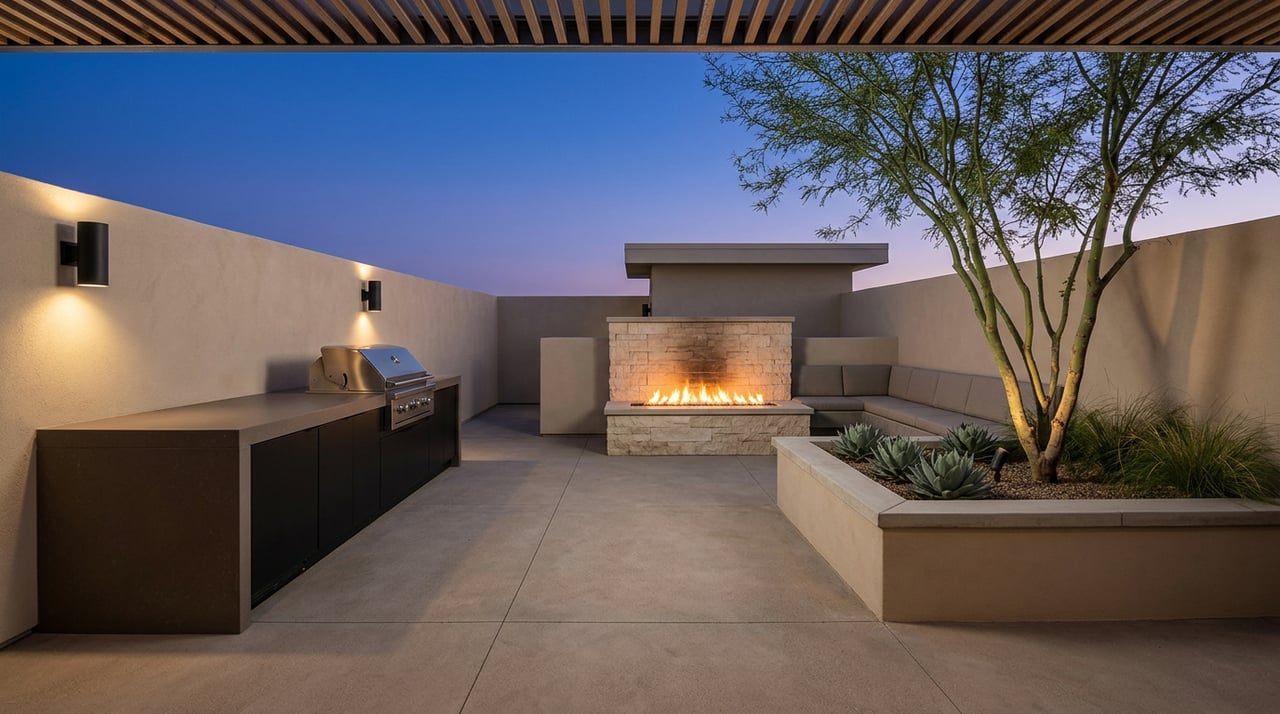
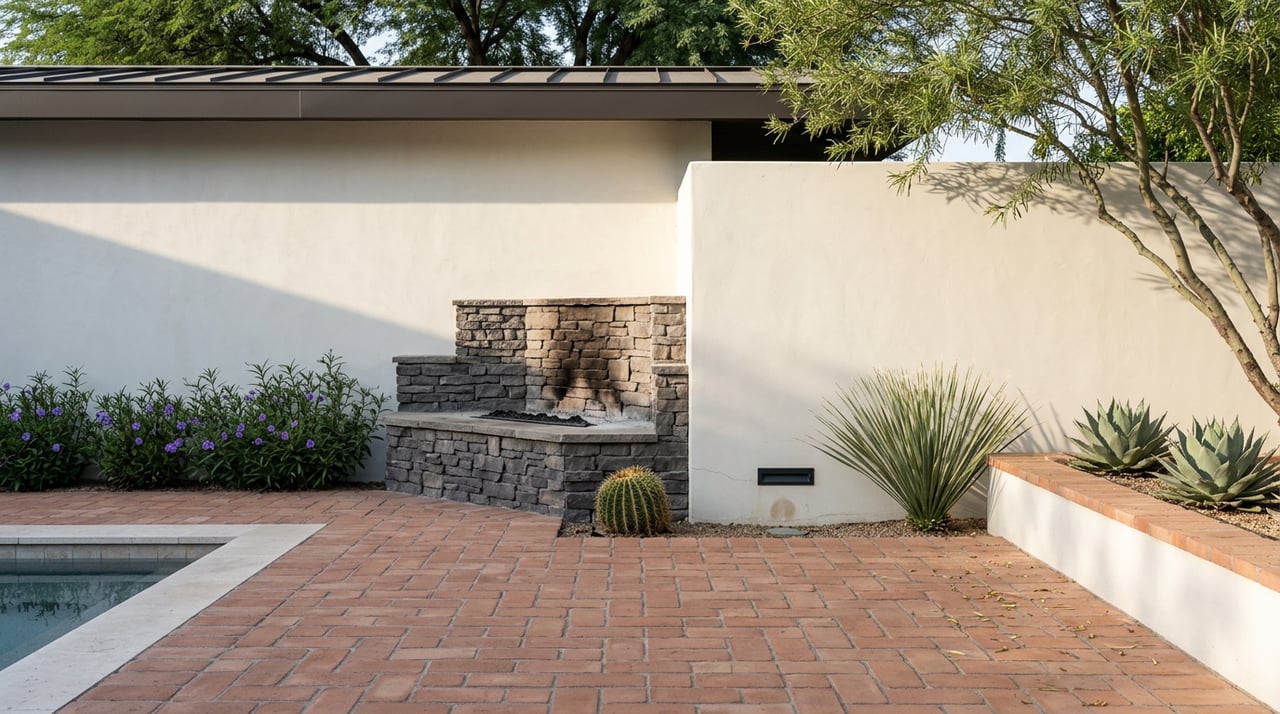
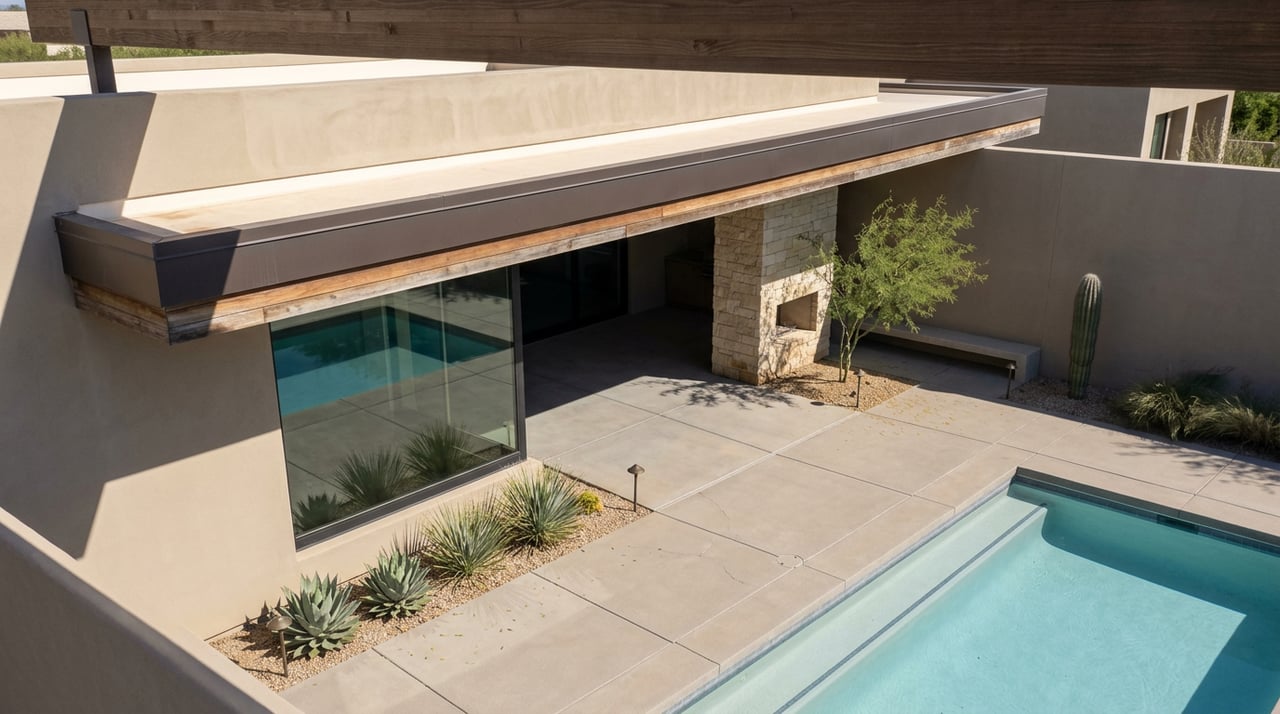
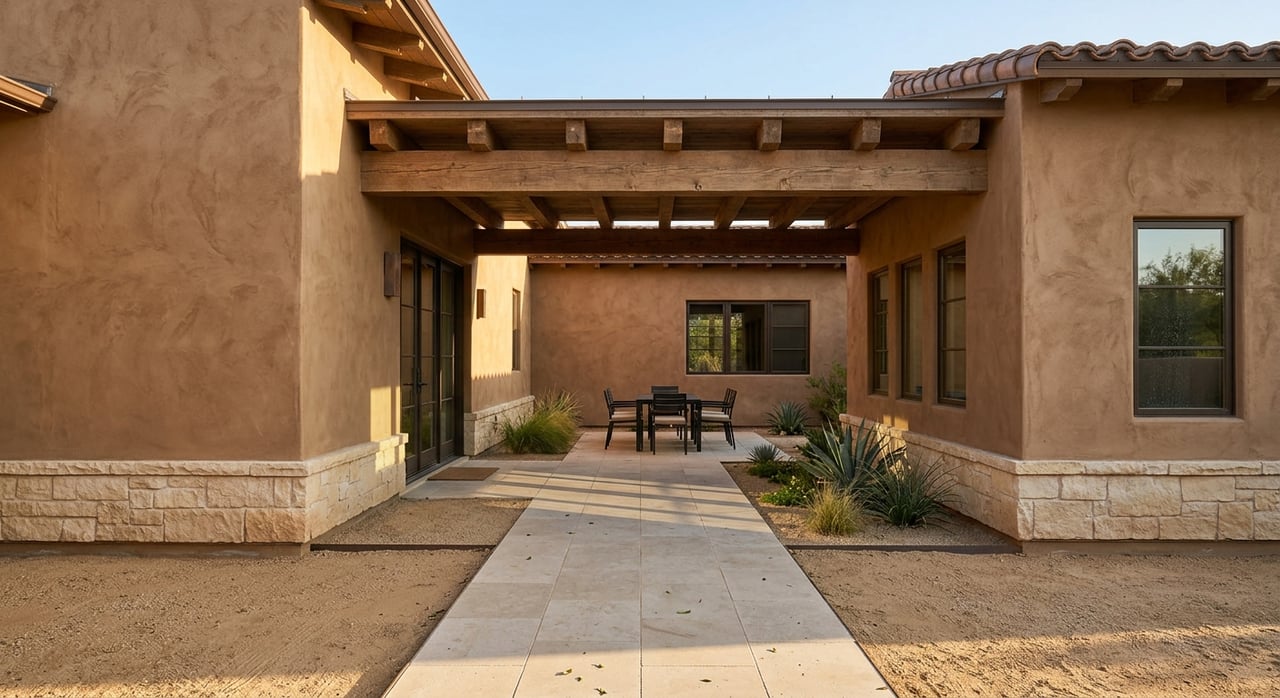
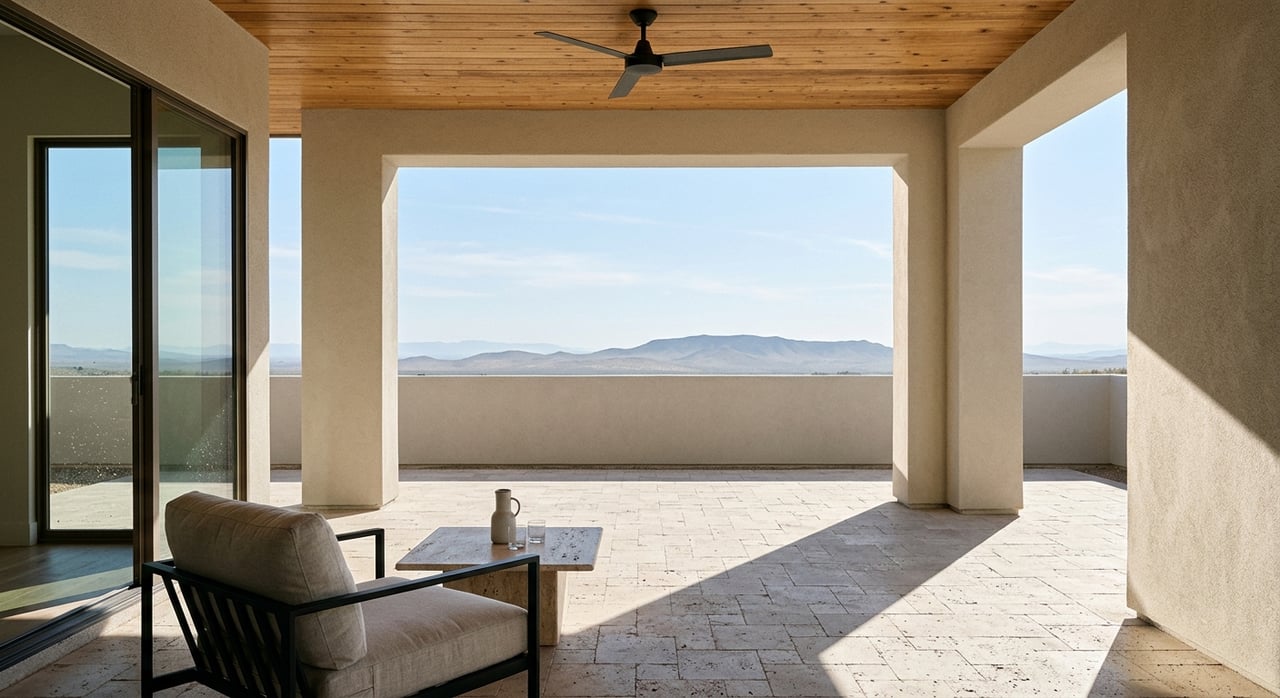
- Highlight outdoor living. Pools, patios, and shade structures are major value drivers. Stage with simple seating and clean lines that emphasize light and space.
- Respect the heat. In warmer months, keep the home cooled, provide water for visitors, and aim for shorter showing windows. In cooler months, showcase sunsets and evening patio lighting.
A practical prep checklist
- 8+ weeks out: Address major repairs or permits, such as roof, HVAC, electrical, or permitted remodels.
- 3 to 6 weeks out: Complete cosmetic updates, deep cleaning, landscaping refresh, and targeted staging.
- 1 to 2 weeks out: Finalize agent selection, complete professional photography and video, and prepare your listing launch.
- Document folder: Collect surveys, permits, HOA documents, utility history, and recent tax statements to speed buyer due diligence and title work.
How to choose your listing week
- Set your move date. Start from the date you want keys to your next home, then work backward.
- Add escrow. Budget 30 to 45 days for contract to close. Add a cushion if you expect an appraisal gap or repair negotiations.
- Add marketing time. Use your neighborhood’s recent days-on-market as a guide. If your area is trending longer, pad the timeline.
- Add prep. Be realistic about your schedule. Professional media and thoughtful staging are worth the lead time.
- Decide your lever. If the calendar is tight, decide whether you will flex on price, terms, or occupancy to keep your life plan intact.
The bottom line
Your best timing is the one that supports your life change while protecting your equity. In Phoenix, that usually means preparing well, pricing to the neighborhood, and using tools like flexible closings or a short rent-back when dates do not line up neatly. Seasonality still matters, but so do presentation and strategy, especially with higher inventory and more negotiation in some parts of the Valley. If you want a tailored plan for your home and timeline, you deserve concierge guidance and modern marketing that meet the moment.
If you are planning a move in the East Valley or central Phoenix, request a complimentary market consultation with Kayla Kerulis. You will get a clear timeline, market-driven pricing, and a step-by-step plan that puts your life first.
FAQs
How long does it take to sell a Phoenix home in 2026?
- With solid preparation and market-driven pricing, plan for 2 to 8 weeks of prep, a variable marketing period that depends on your neighborhood, and 30 to 45 days from contract to close.
What is the best month to sell a home in Phoenix?
- Nationally, late winter through early summer often performs best, and Phoenix sometimes sees strong early-winter interest; use local comps and recent days-on-market to pick your week, since neighborhood patterns vary.
What is a seller rent-back in Arizona and how does it help?
- A rent-back is a short post-closing lease that lets you stay for a set period after closing, which can bridge gaps between your sale and purchase; learn the basics of rent-back agreements before you negotiate.
When are Maricopa County property taxes due if I sell mid-year?
- Maricopa County bills in two installments, due October 1 and March 1, with specific delinquent dates; taxes are prorated at closing based on the close date, per the county’s tax guidance.
Can I exclude capital gains when selling my primary home in Phoenix?
- Many sellers can exclude up to $250,000 of gain if single or up to $500,000 if married filing jointly under federal rules, subject to ownership and use tests; see IRS Publication 523 for details and consult a tax professional.
How should I time a sale around a job relocation to Phoenix or out of state?
- Set your non-negotiables, then plan backward: prep 2 to 6 weeks, target a local demand window, and use flexible closing dates or a short rent-back so your start date and move align with minimal stress.