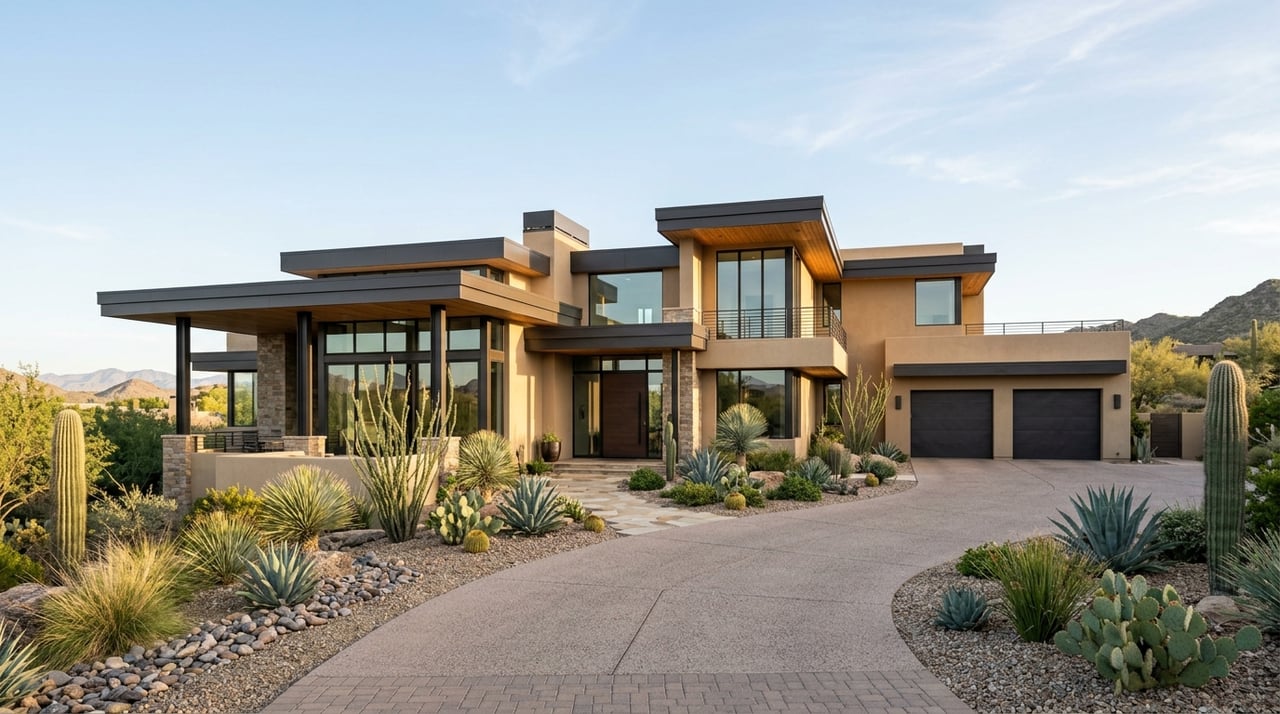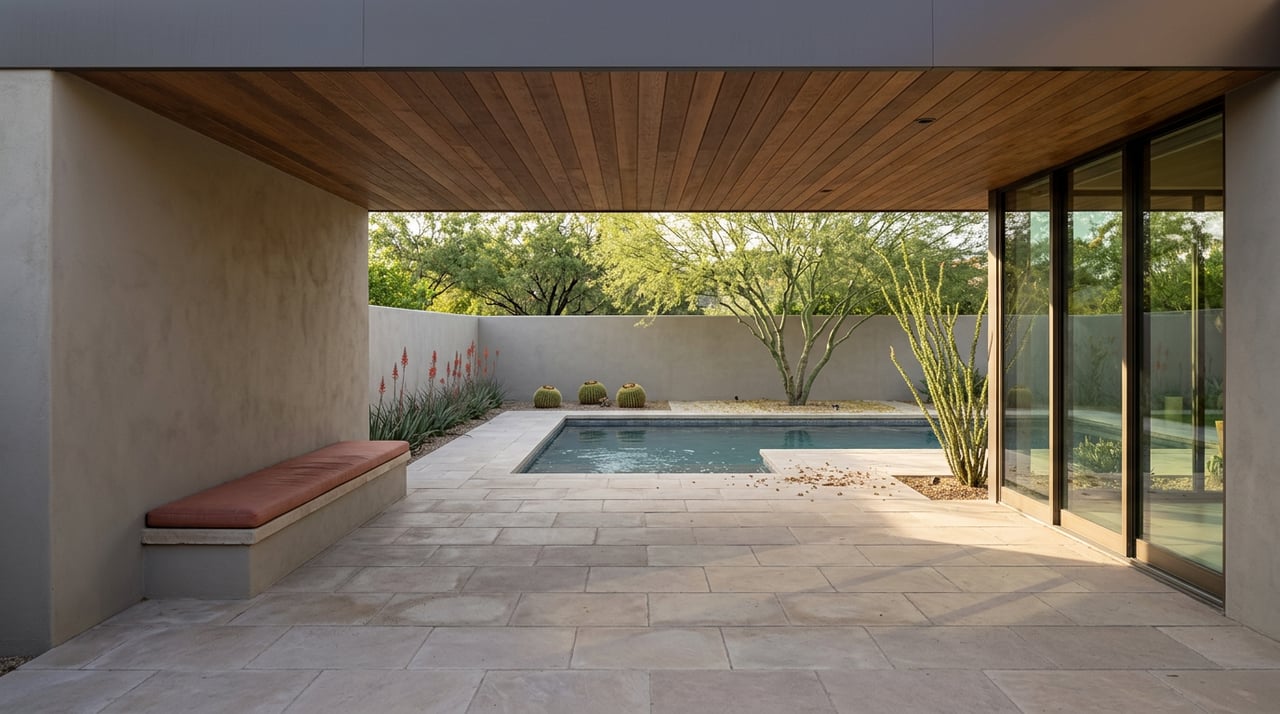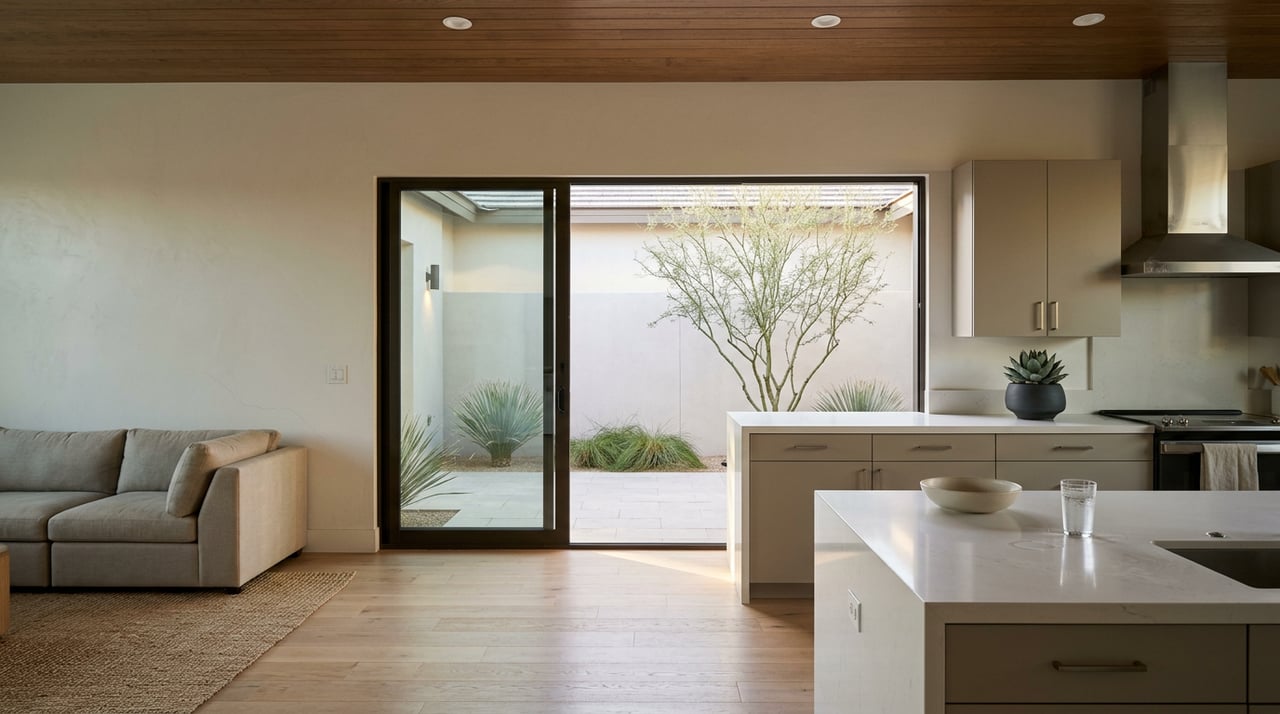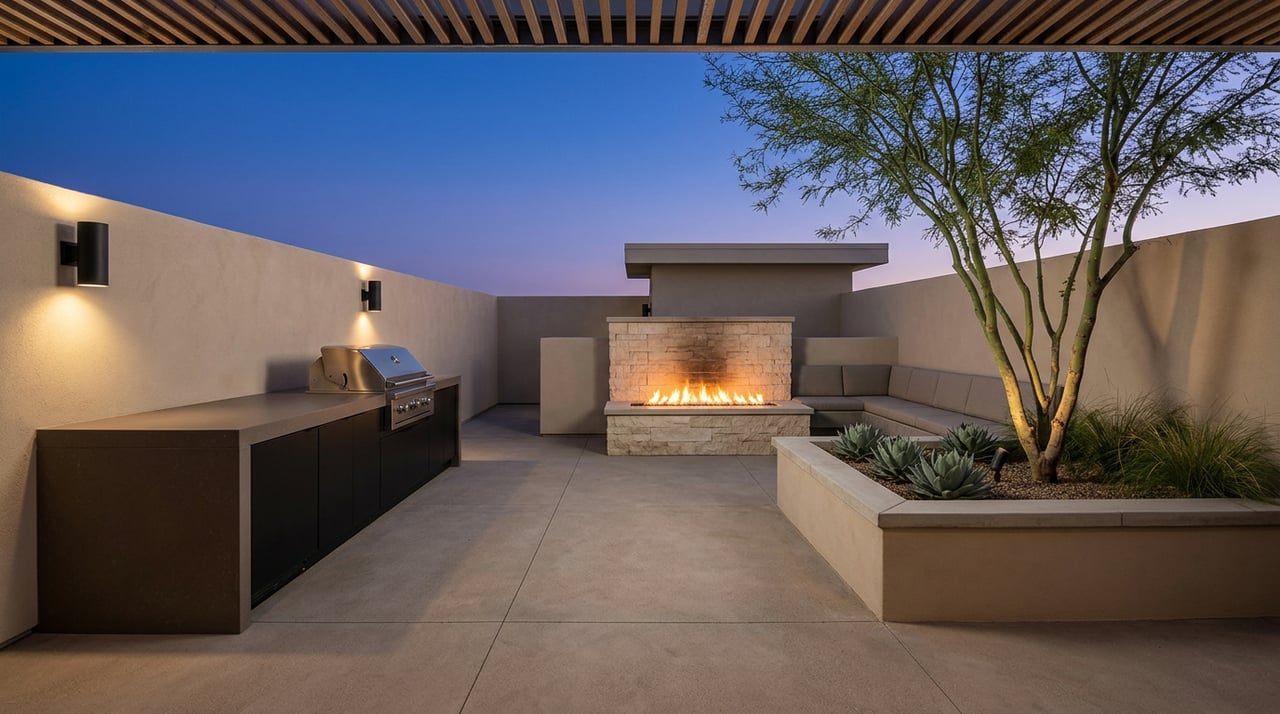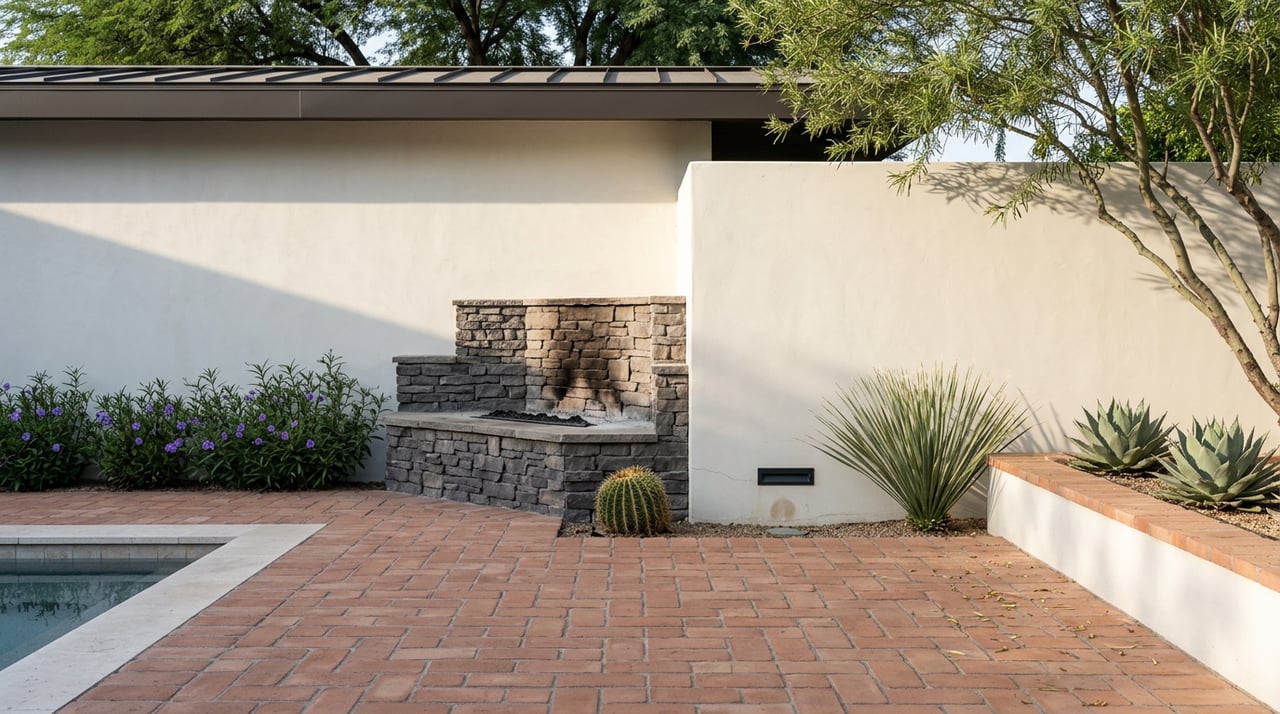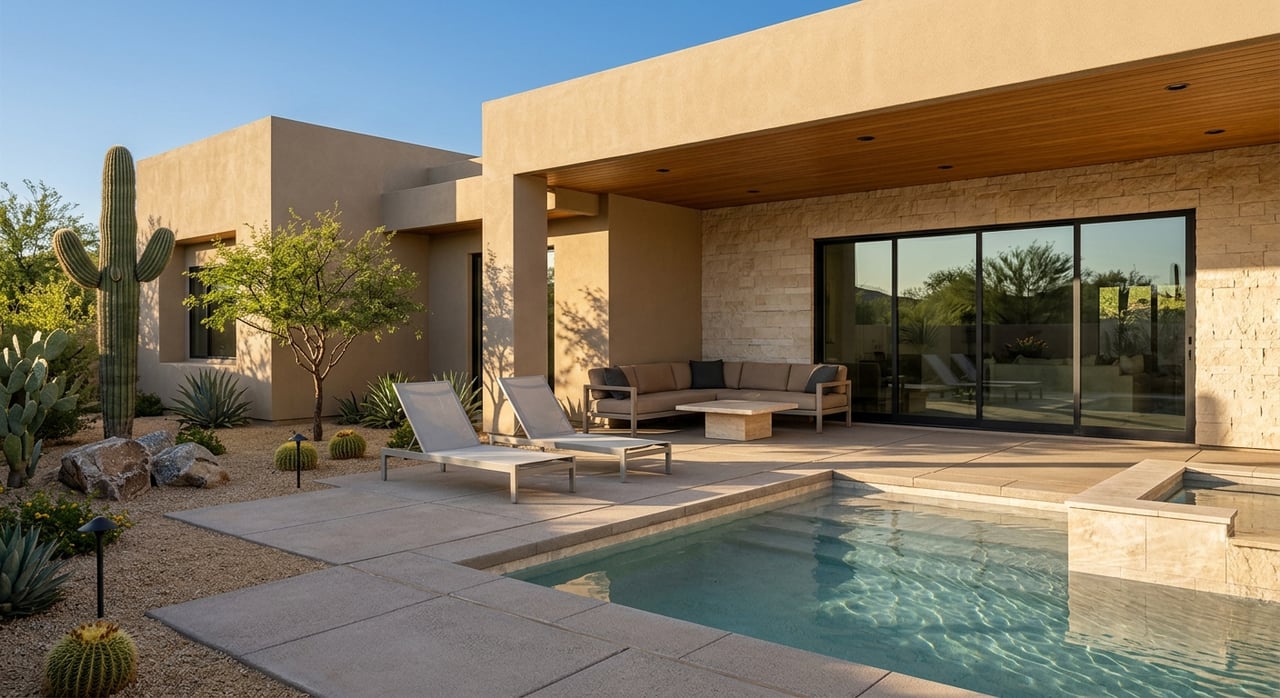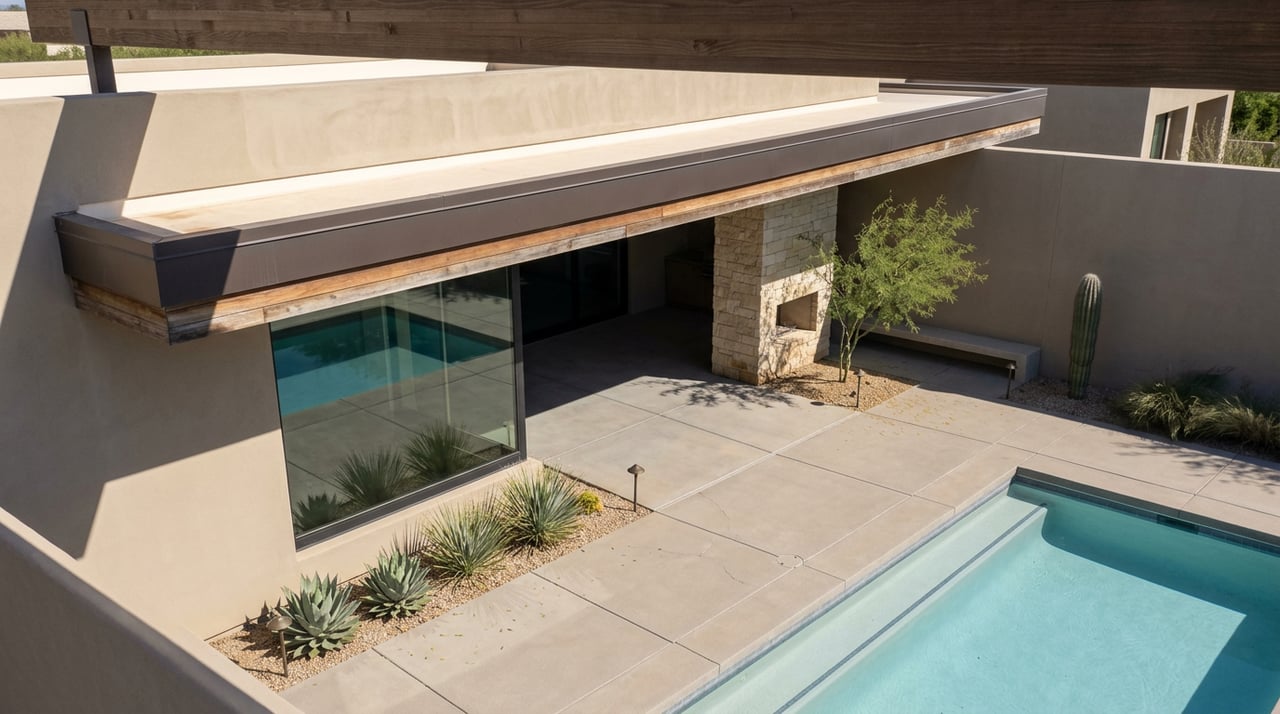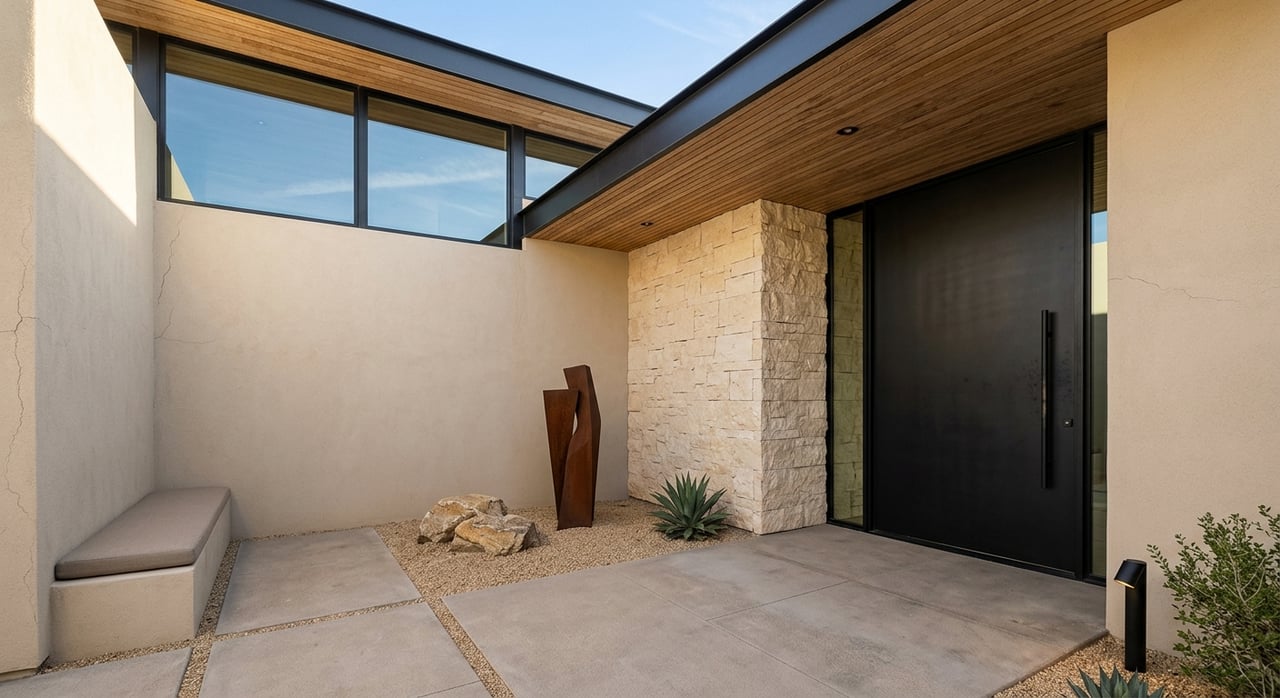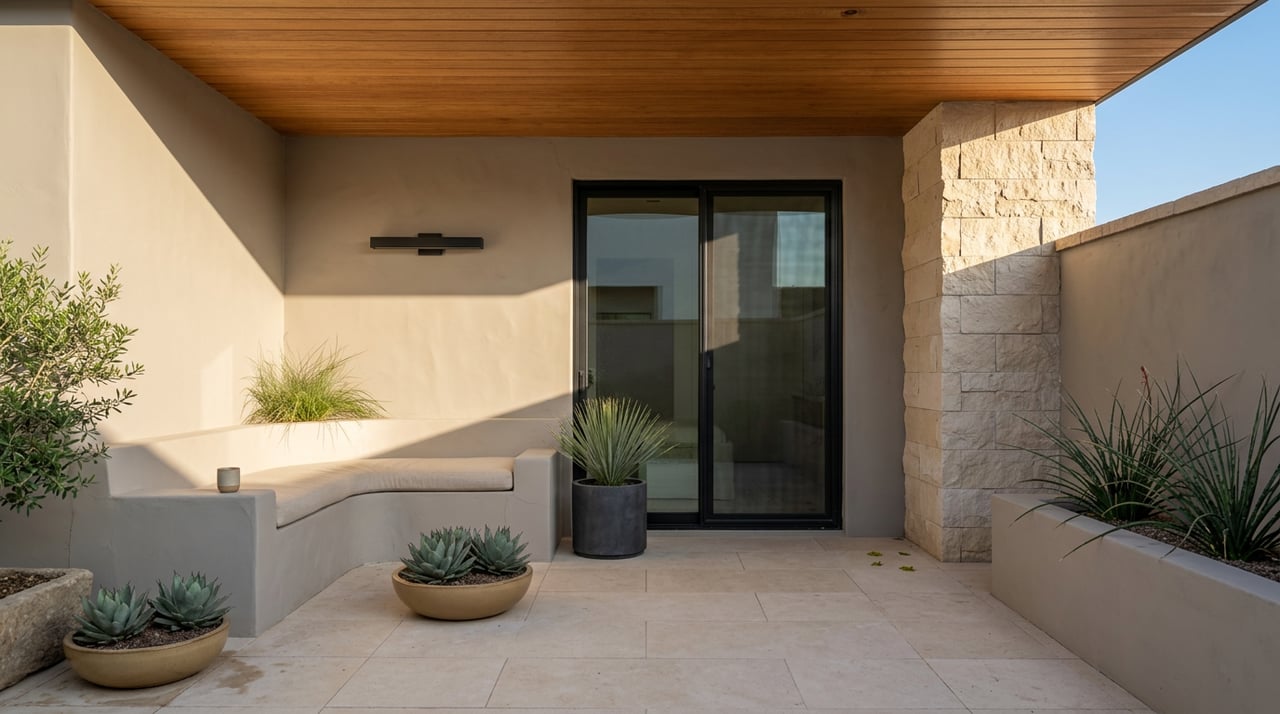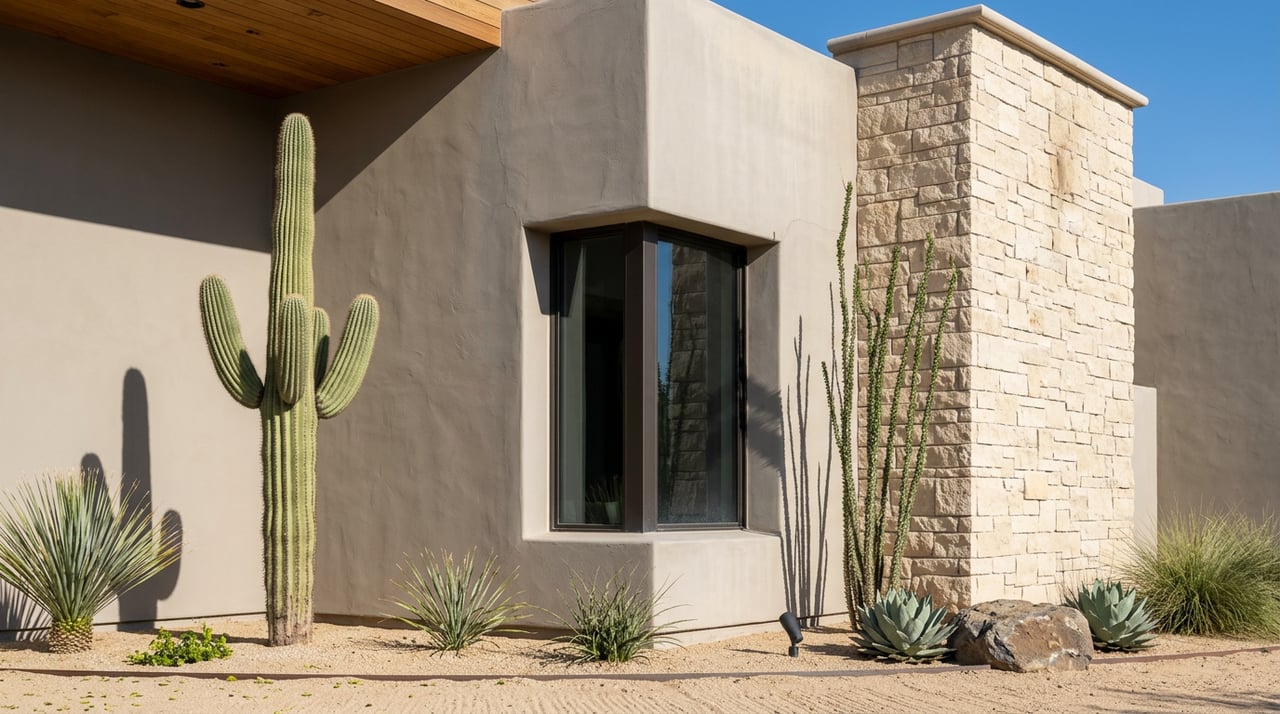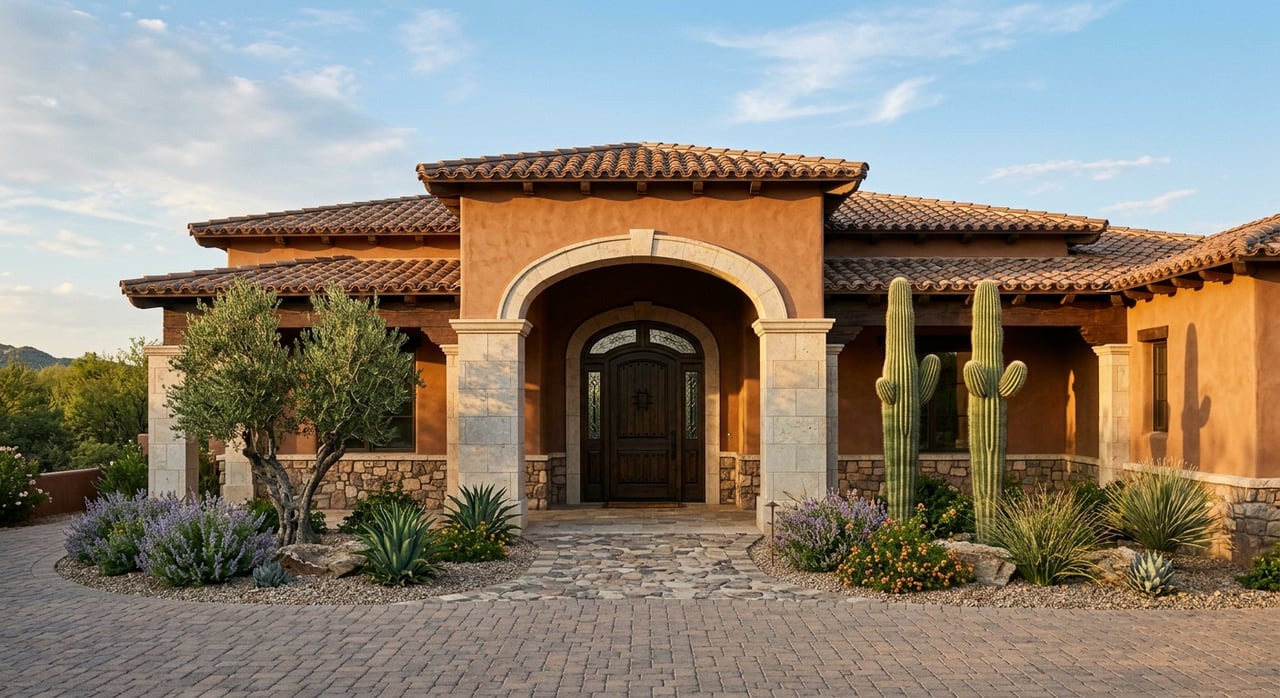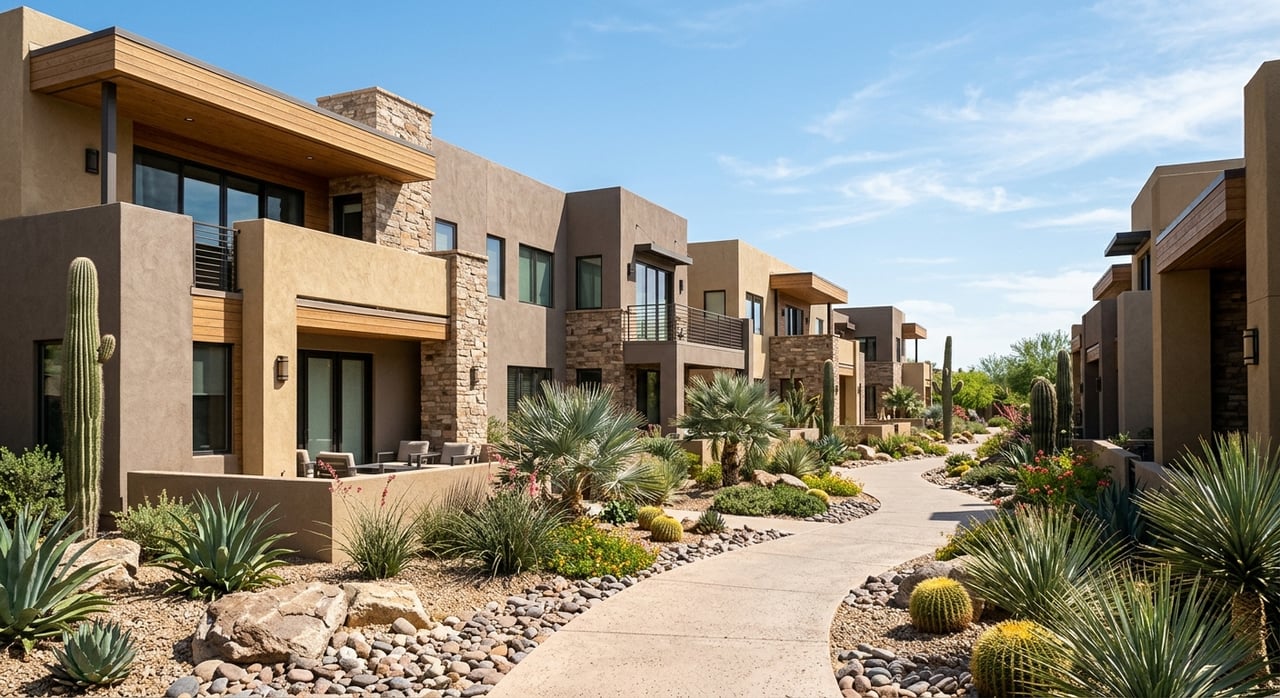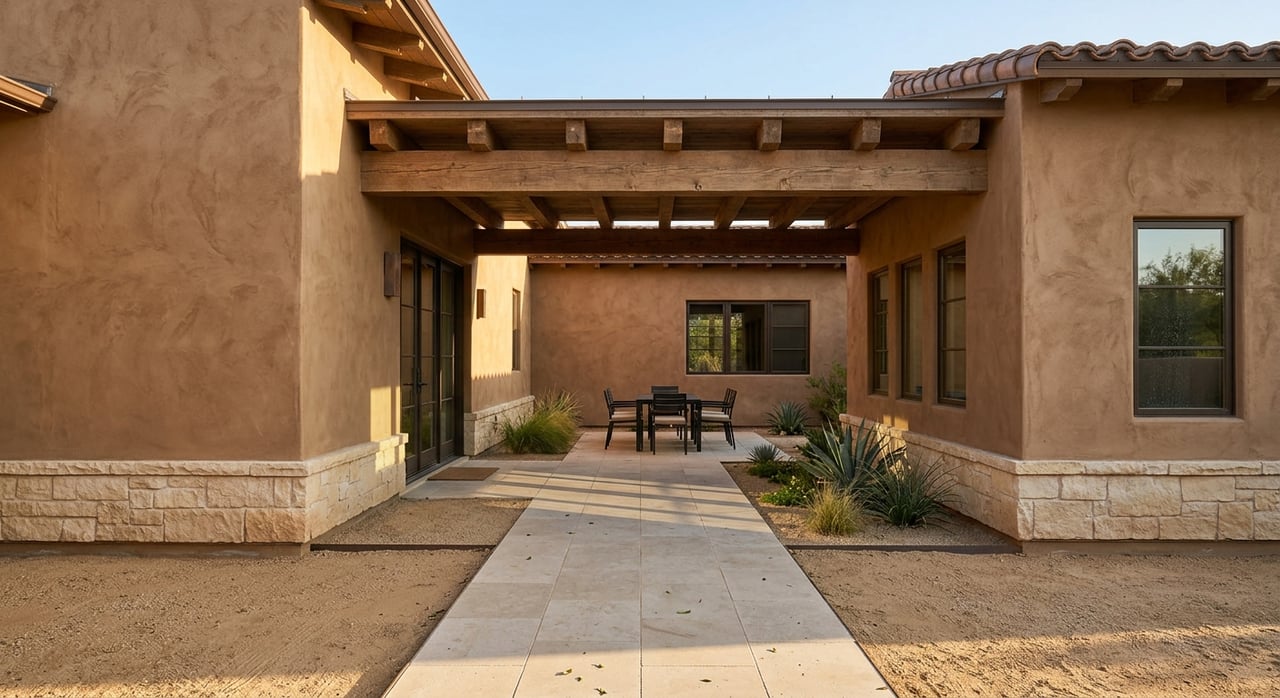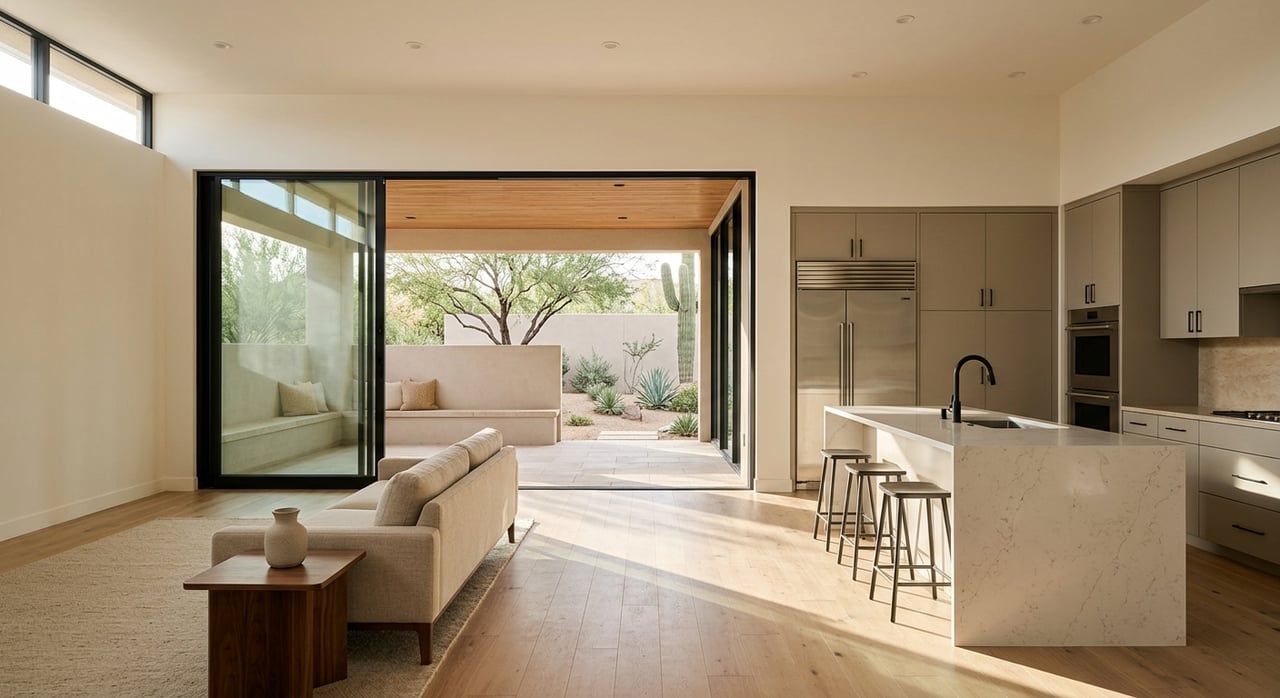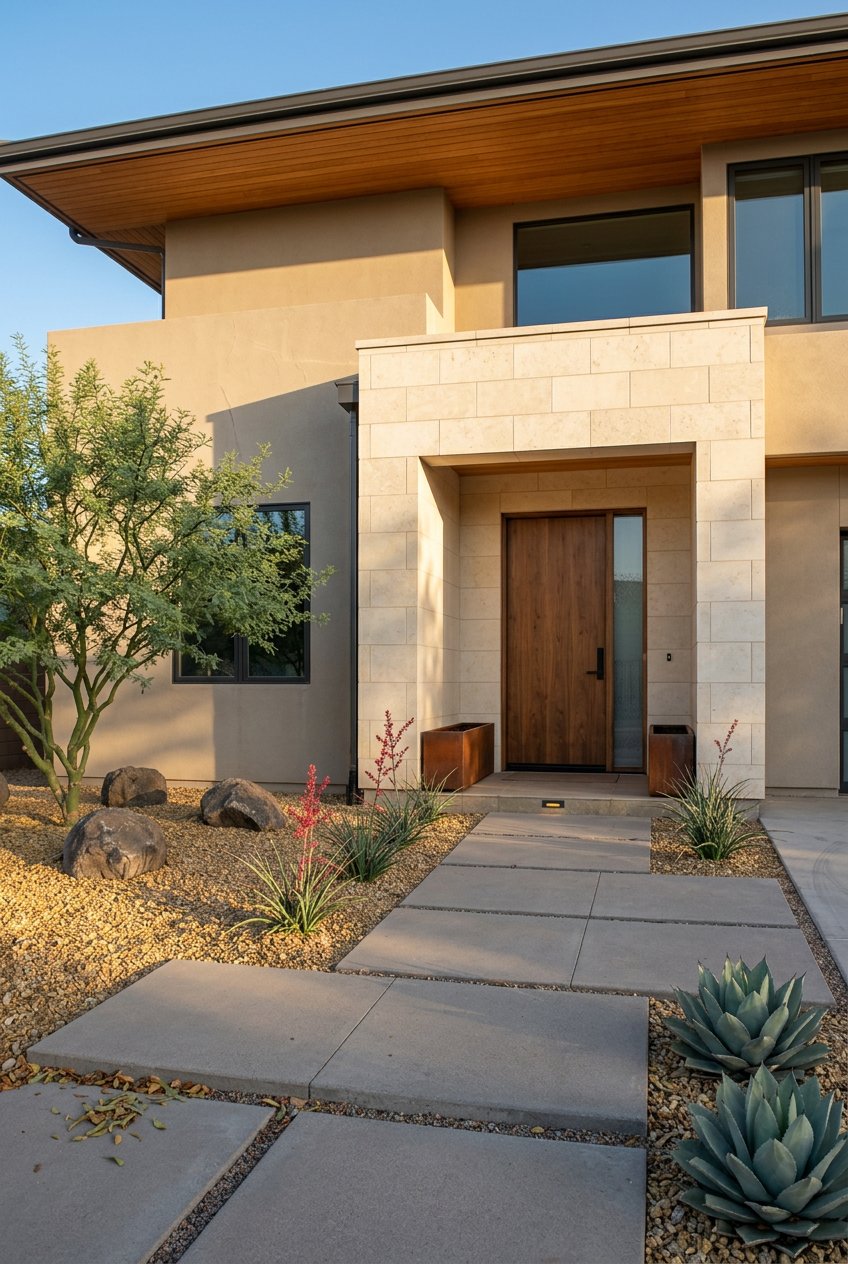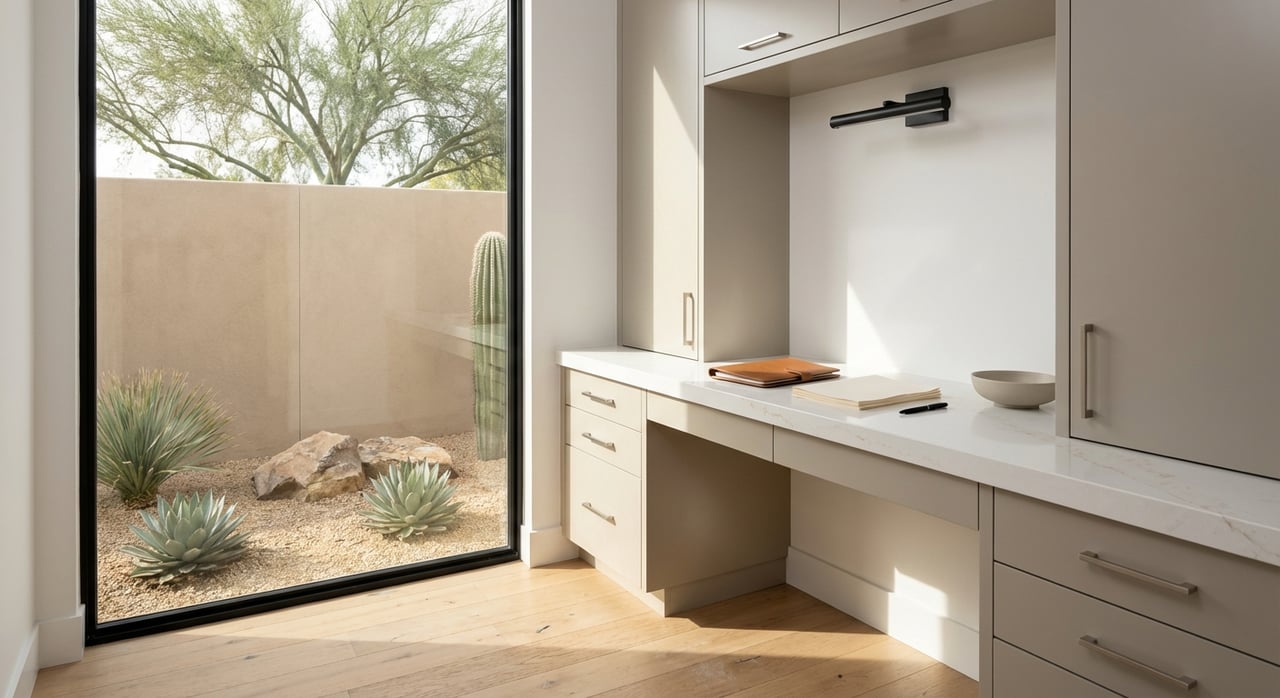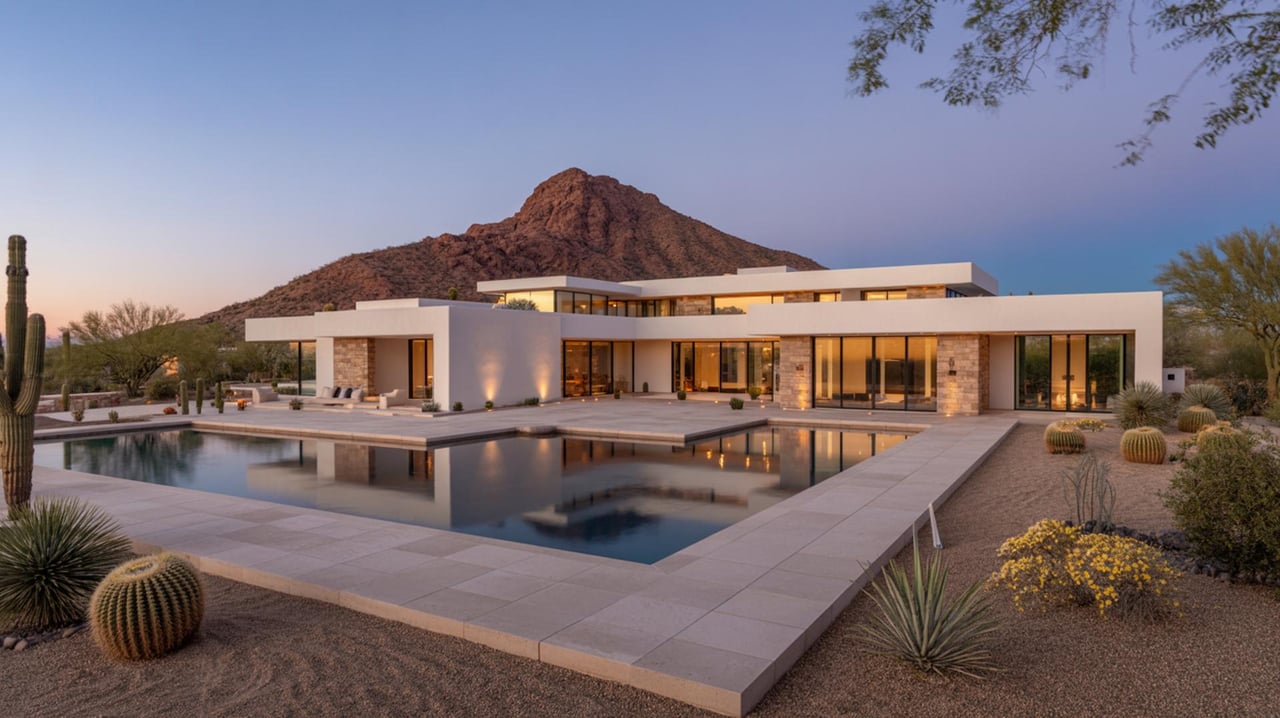
You can fall in love with a Fountain Hills view in seconds, but buying the right view home takes more than one sunset showing. If you are drawn to mountain vistas, open desert backdrops, or elevated lots, you also need to think about sun exposure, privacy, and what could change around the property over time. The good news is that with the right local guidance, you can look past the wow factor and make a smart decision. Let’s dive in.
Why Fountain Hills draws view-home buyers
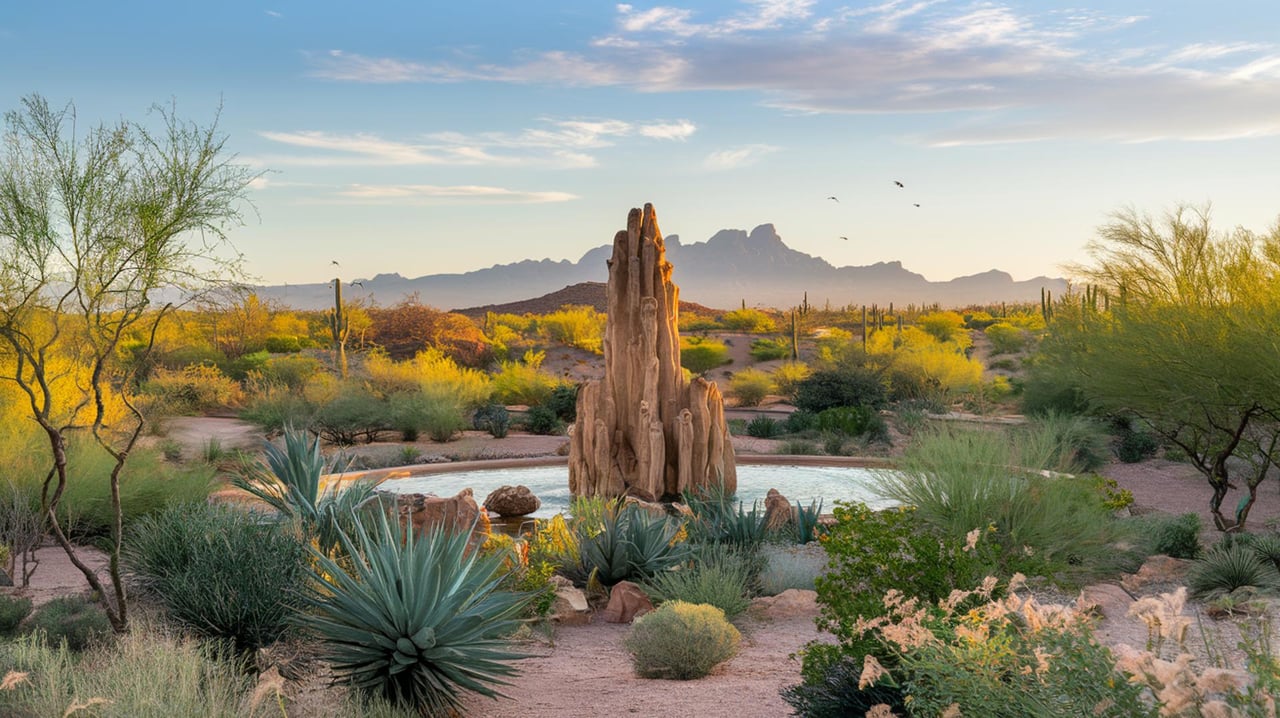
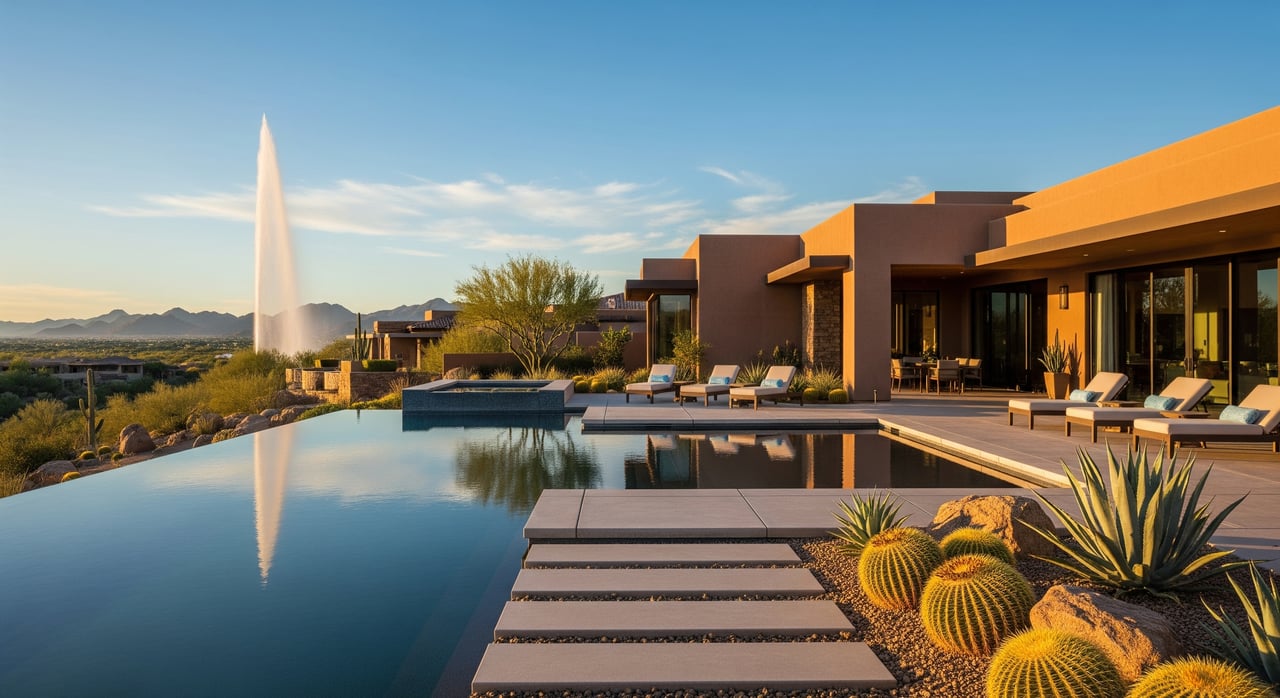
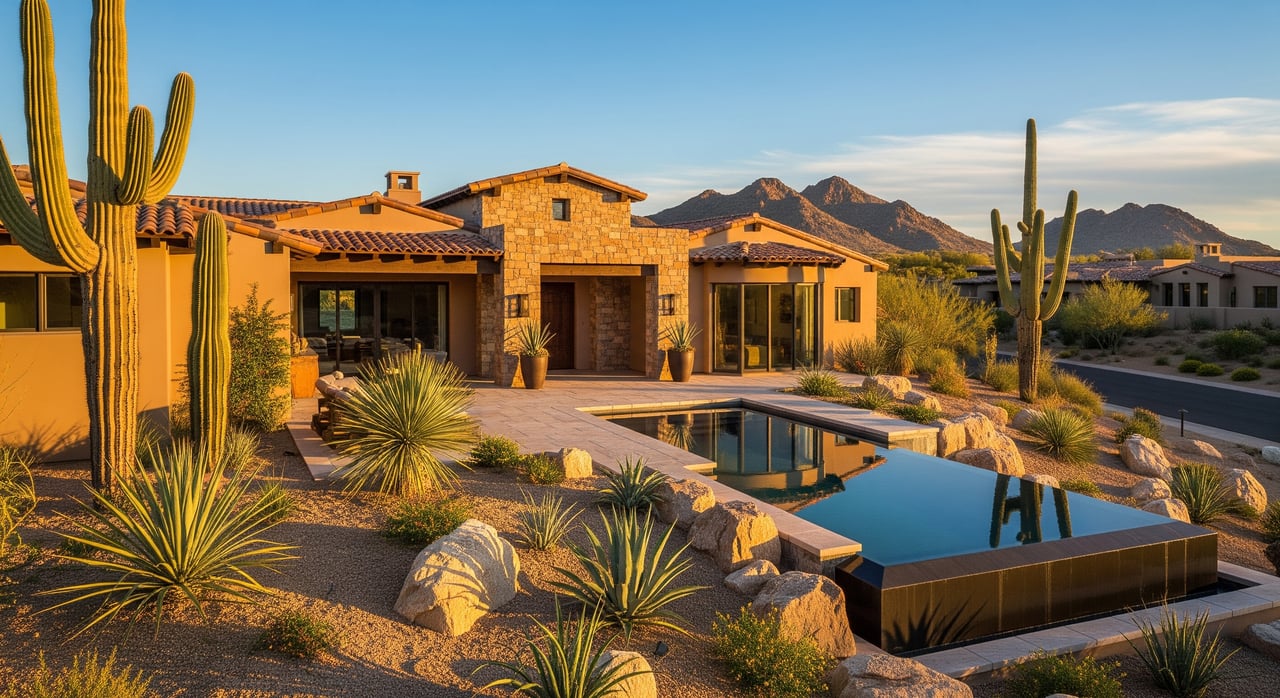
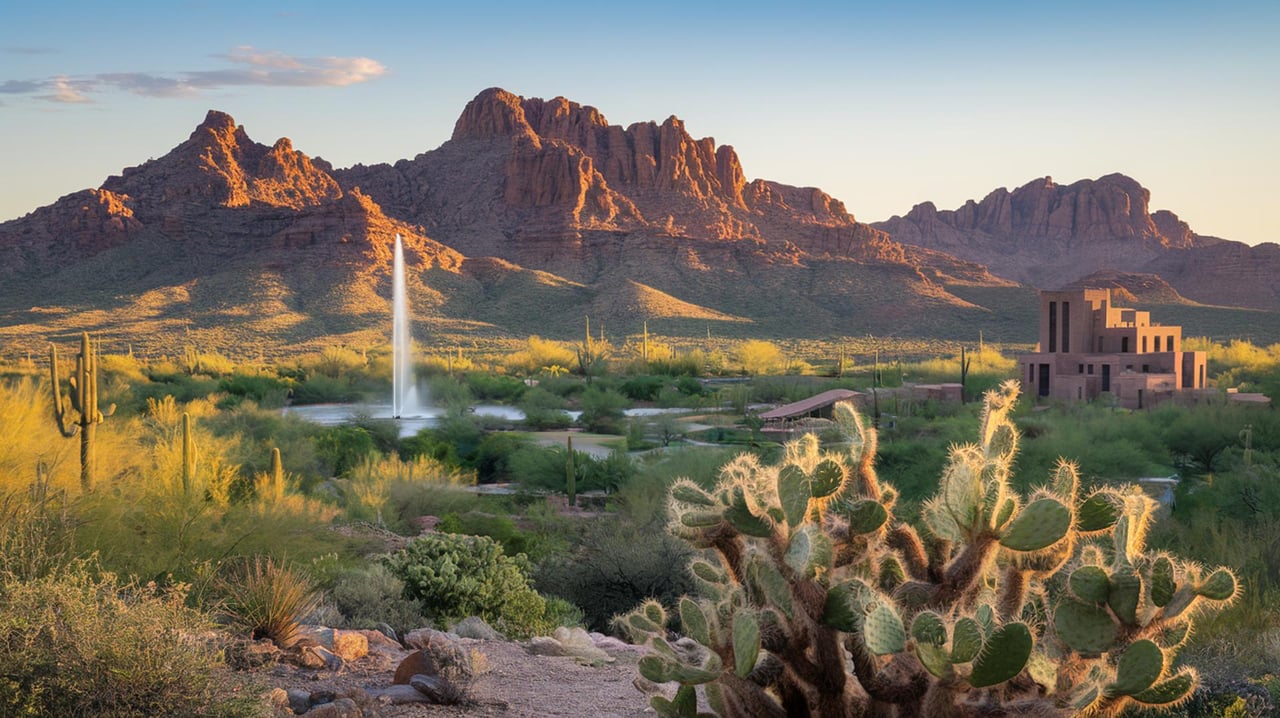
Fountain Hills is naturally set up for view properties. The town describes itself as a master-planned community known for natural beauty, desert terrain, and expansive scenery, with elevations ranging from about 1,520 feet near the fountain to about 3,000 feet on Golden Eagle Boulevard. That kind of elevation change helps create the ridgeline, mountain, and desert outlooks that many buyers want.
Open space is also a big part of the appeal. The Fountain Hills McDowell Mountain Preserve spans 824 acres and connects with larger preserved desert areas in Scottsdale and Maricopa County, creating 52,000 contiguous acres of desert land. In practical terms, that means some homes sit very close to trails, washes, and open land, which can make a property feel especially scenic.
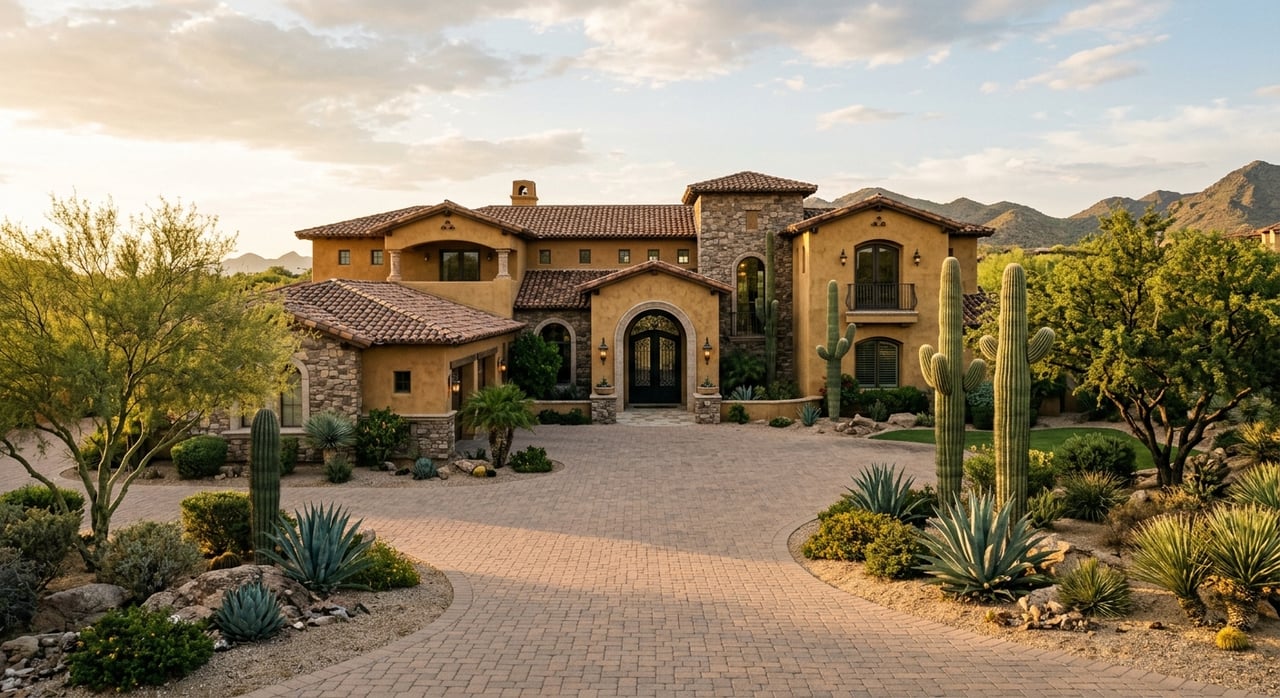
That view appeal can show up in pricing. Market snapshots in 2026 varied by source, with a Fountain Hills median sale price reported at $725,000 in one March update and a single-family median sales price of $840,154 in a January local market update. In a luxury enclave like Firerock, a March 2026 median sale price was reported at $3.4 million, which shows how much location, lot position, and view quality can matter.
What makes a view usable
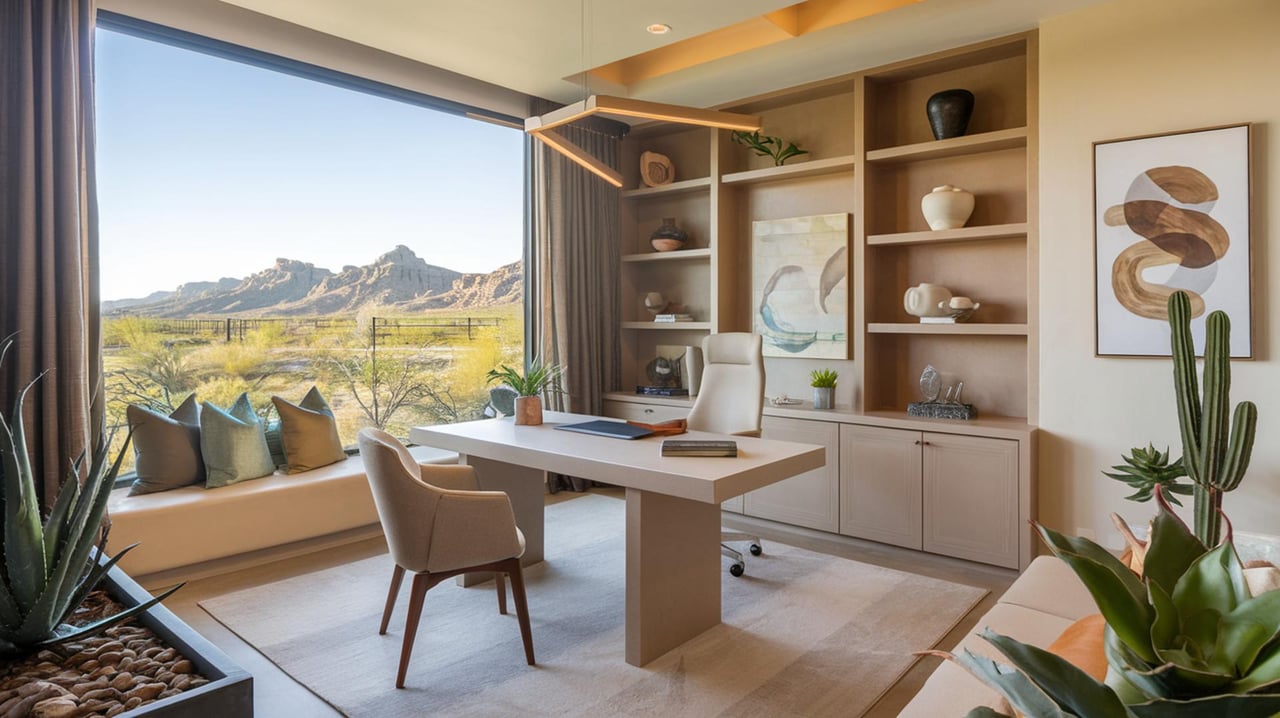
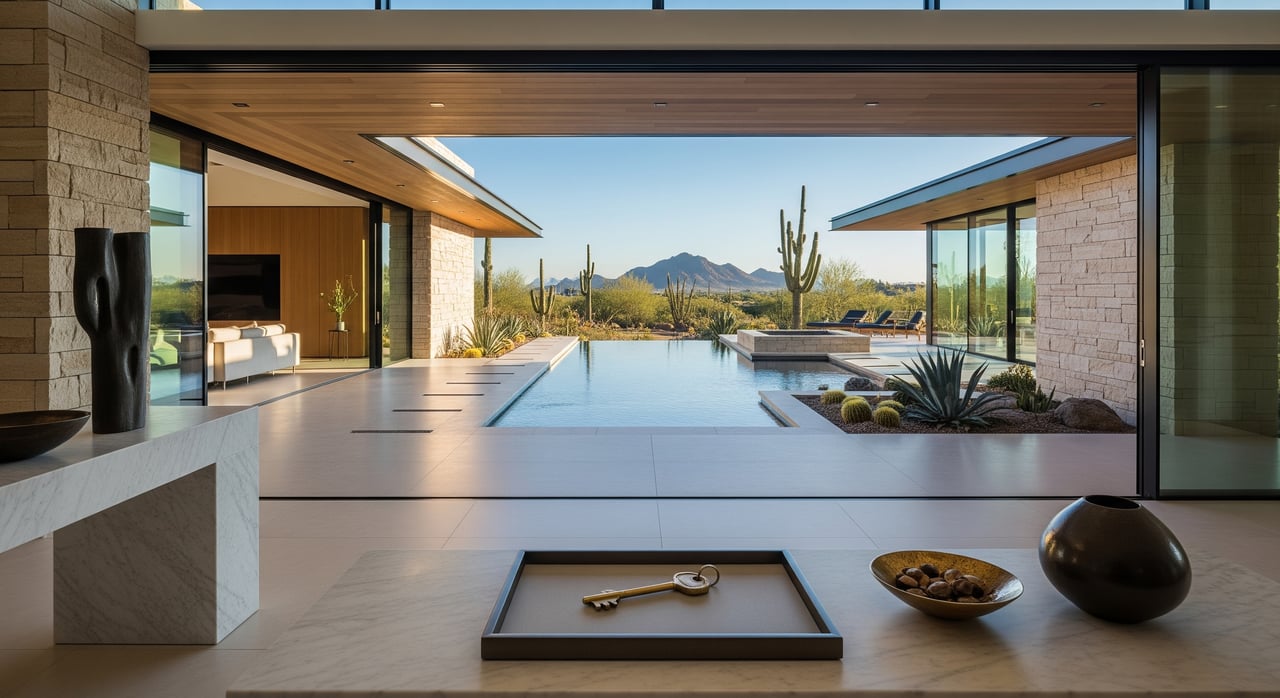
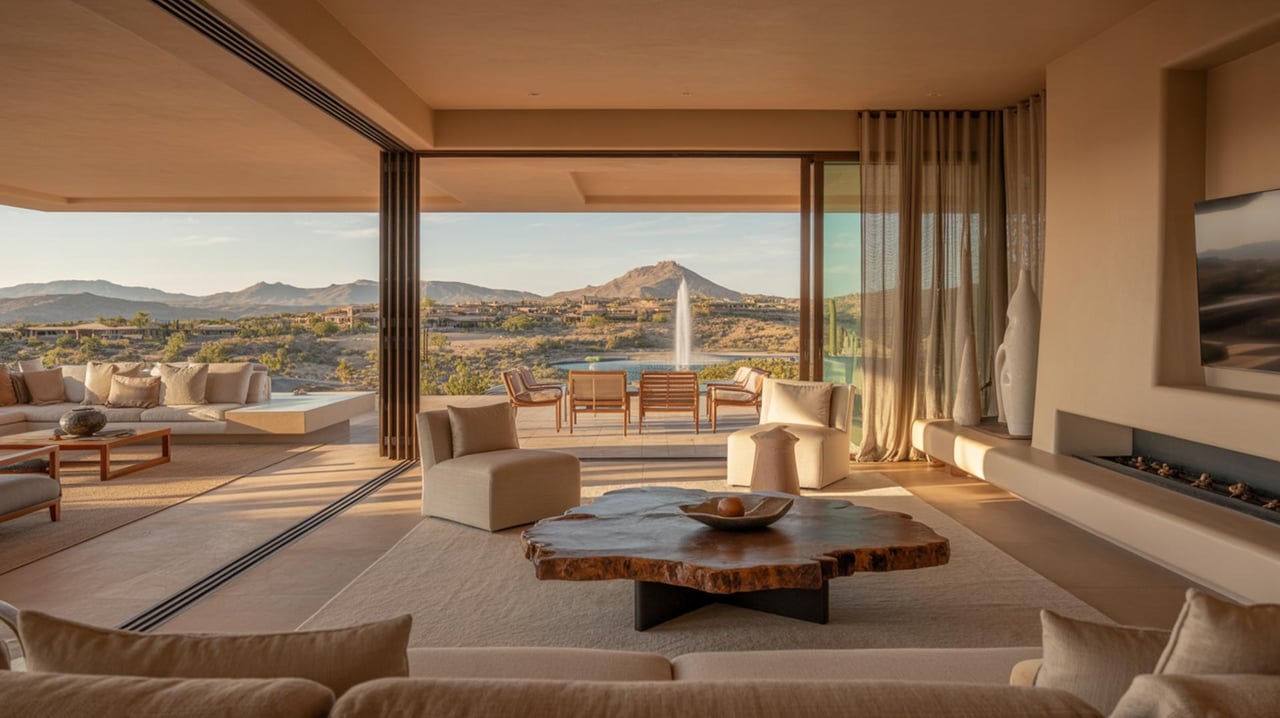
In Fountain Hills, a great view is not just about what you see. It is also about whether you can comfortably enjoy it from the places where you actually spend time. That usually means the main living area, kitchen, primary bedroom, patio, pool deck, or covered outdoor seating area.
Research on view premiums suggests that value depends on visibility, exclusivity, and durability, not just a simple label that says “view lot.” In other words, buyers tend to pay more for views they can use every day, rather than a distant panorama visible only from one corner of the yard. That is an important distinction when you compare homes.
When you tour a property, ask yourself a few simple questions:
- Can you enjoy the view from the main indoor living spaces?
- Does the patio or pool area face the best sightline?
- Is the view broad and open, or narrow and partial?
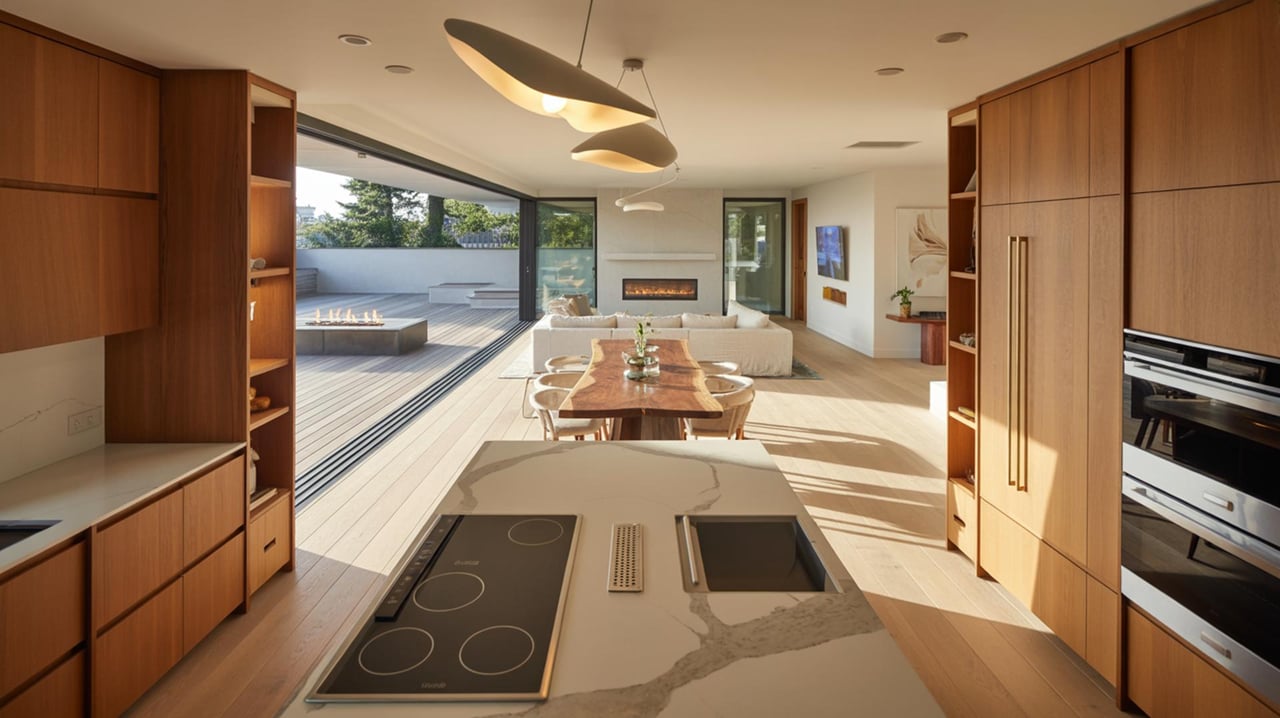
- Does the home layout make the view part of daily life?
Sun and heat matter as much as scenery
Fountain Hills has a hot-dry climate, and that should shape how you evaluate a view home. NOAA climate normals for the local station show average July highs around 103°F, August highs around 101.9°F, and annual precipitation of 10.18 inches. In this setting, large windows and wide patios can be beautiful, but they also need to work well with the desert sun.
Window orientation matters. The Department of Energy notes that south-facing windows can admit more winter sun while taking in less direct summer sun when properly shaded. East- and west-facing windows are often more vulnerable to glare and summer heat gain, which is especially relevant if a home’s best views are tied to sunrise or sunset exposure.
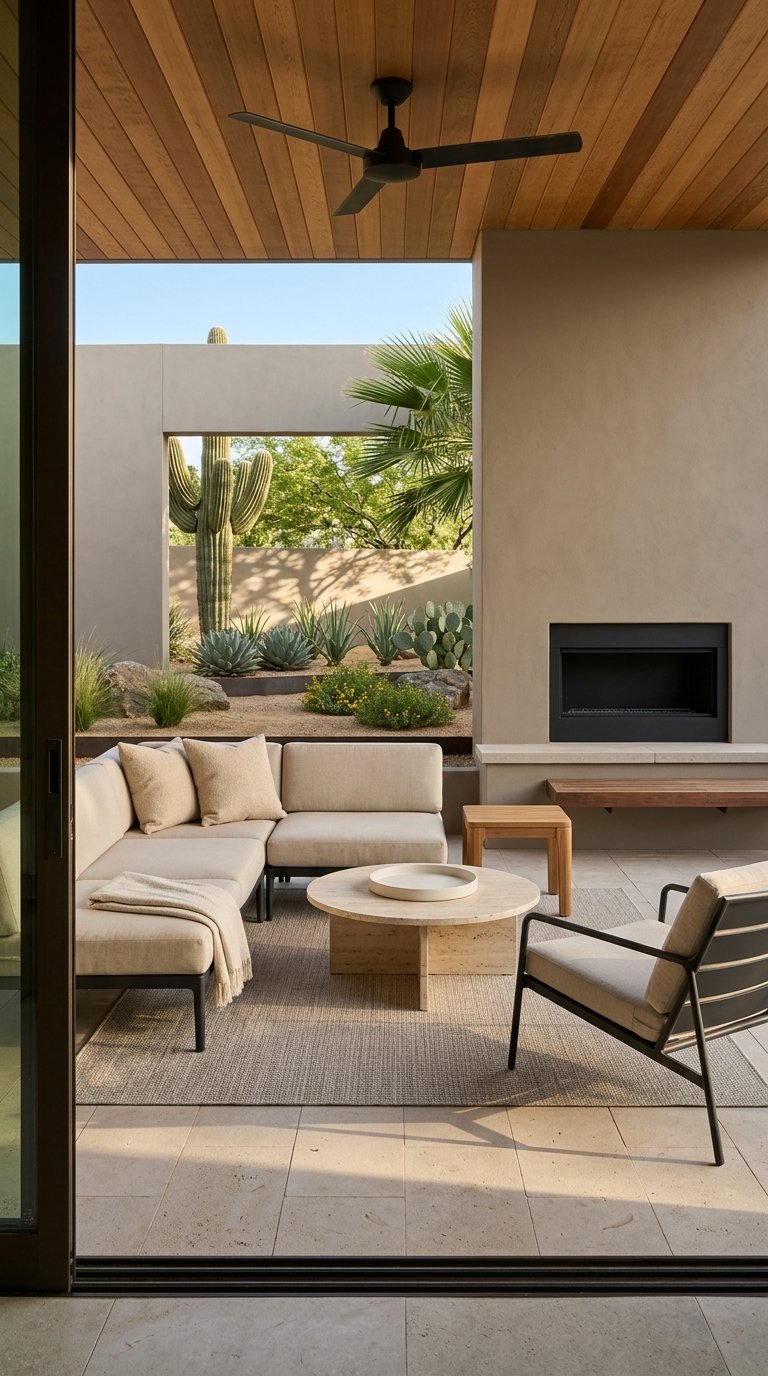
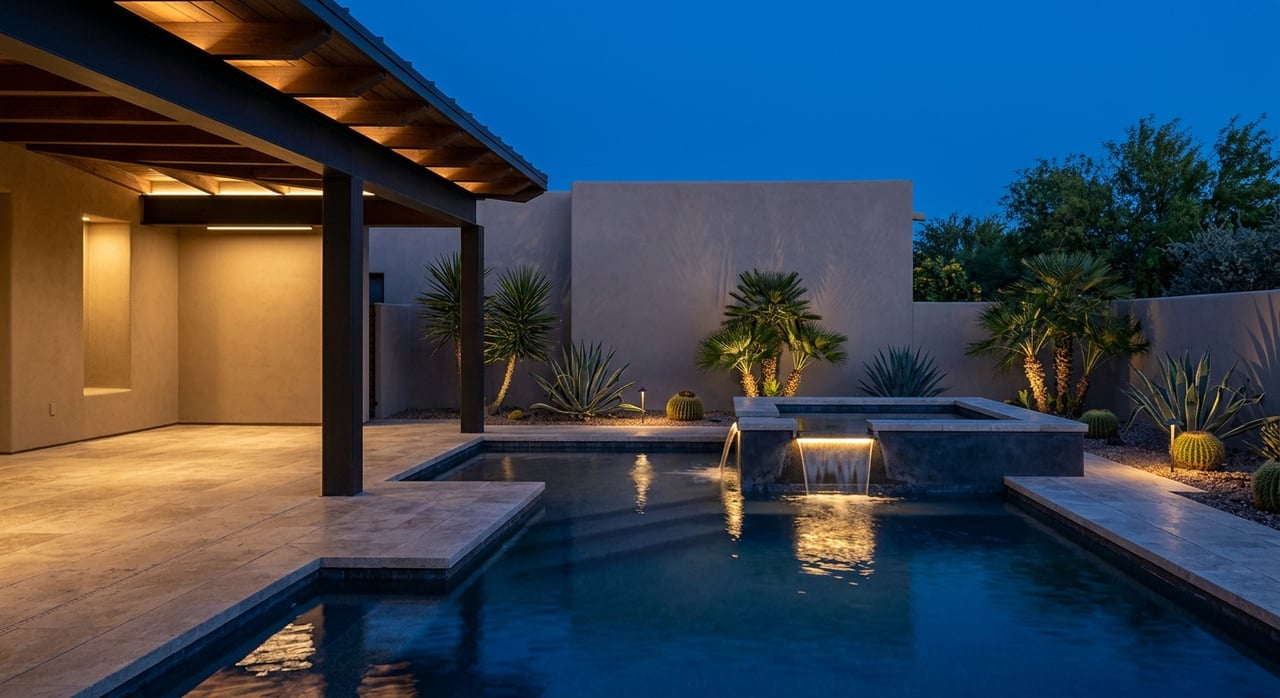
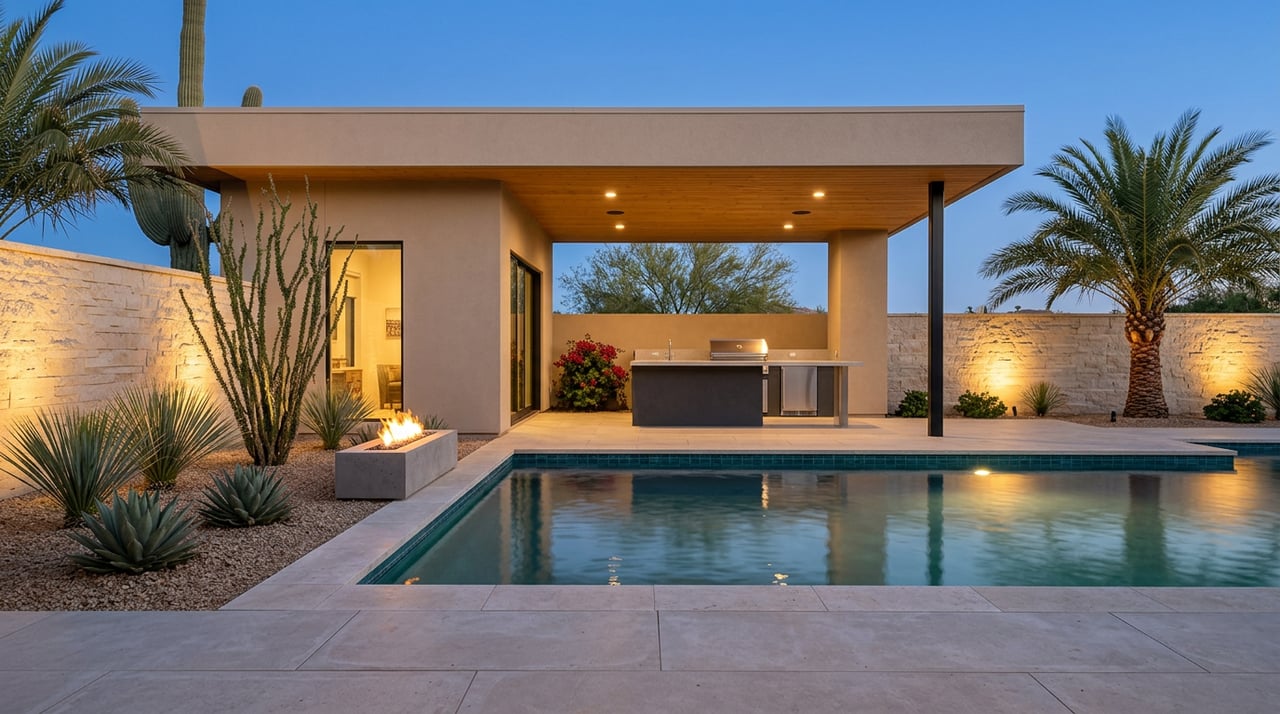
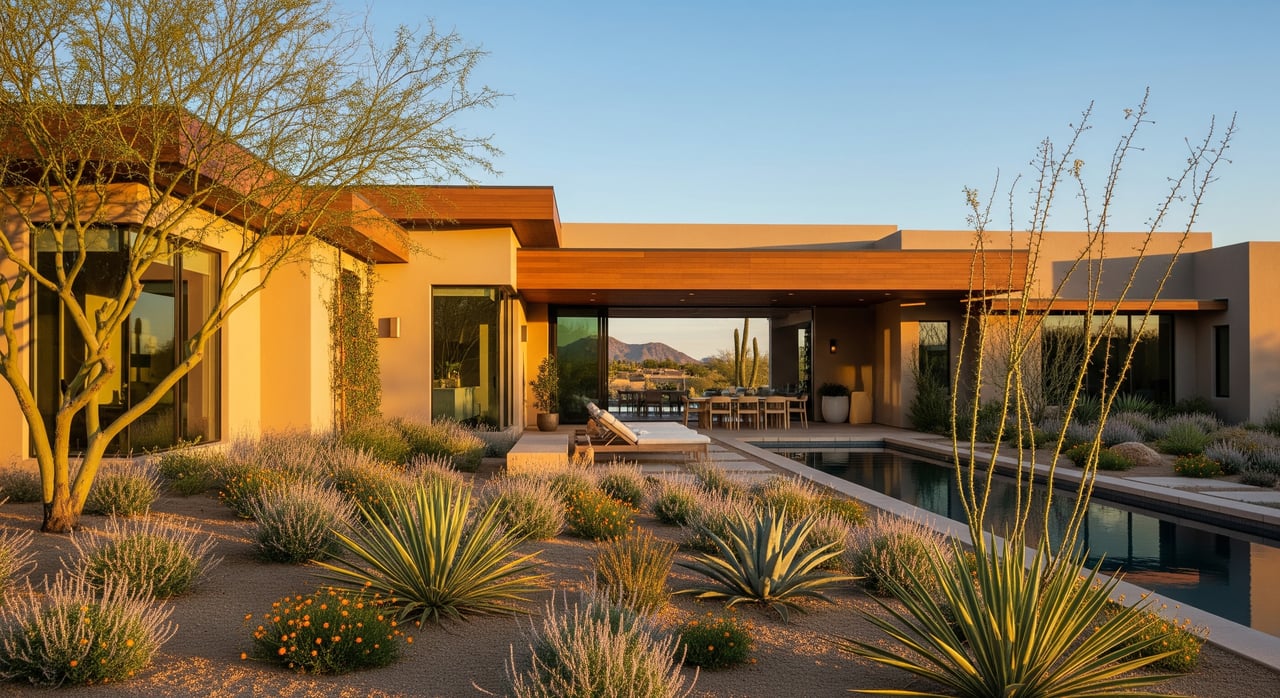
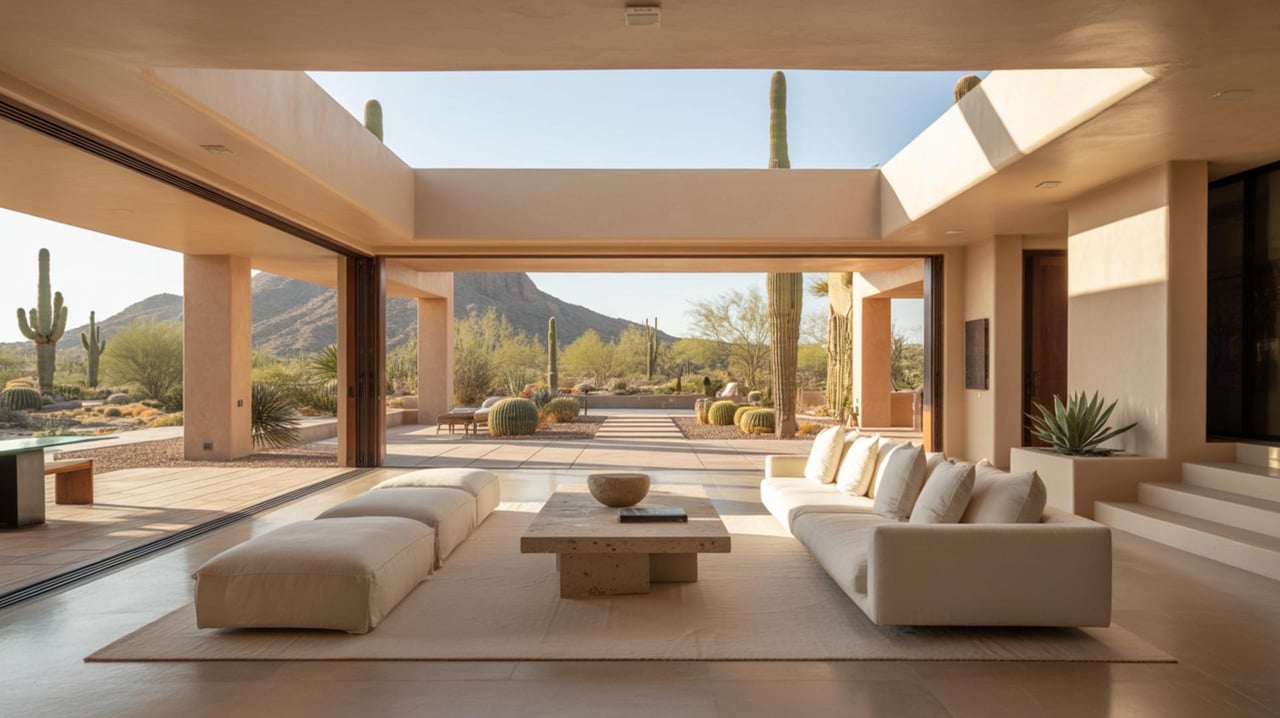
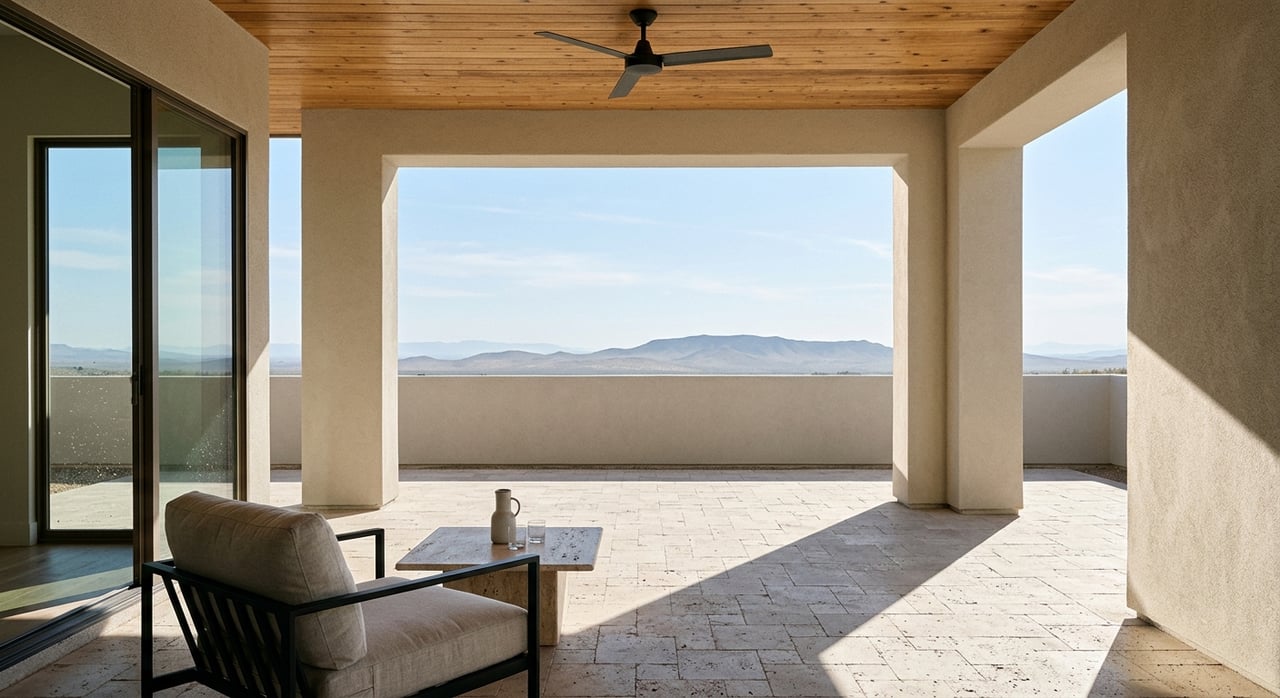
That does not mean a west-facing view is a bad thing. It simply means you should look closely at the home’s comfort features. Covered patios, shade structures, awnings, exterior shades, reflective films, and thoughtful window treatments can make a big difference in how often you use those spaces.
Privacy can change the feel of a view lot
A view home can feel open and peaceful, but privacy is not automatic. In Fountain Hills, many trails sit adjacent to homes and communities, and town planning materials note that more trails may be added over time. That is why it is smart to look beyond the scenery and study what is behind and beside the lot.
A home that backs to preserve land may feel very private today, but trail access nearby can also mean more foot traffic than you expect. A lot next to a wash or vacant parcel may offer breathing room now, but you should still verify how that land is designated and how the surrounding area fits into long-term planning. These details can affect both daily enjoyment and resale value.
When privacy matters, pay attention to:
- Trail adjacency
- Nearby preserve access points
- Wash corridors
- Side-yard spacing
- Vacant parcels behind or next to the home
- Patio and pool screening
A current view is not always a permanent view
One of the biggest mistakes buyers make is treating a view like a guarantee. Fountain Hills’ General Plan says development, subdivisions, rezoning, and public-agency projects must be consistent with the plan, and that the plan can be amended over time. That means surrounding land use can evolve.
This does not mean every view is at risk. It means you should approach the view as a feature to verify, not a promise to assume. If a home’s value depends heavily on a specific sightline, it is worth asking careful questions about what surrounds the lot and how nearby vacant or underused land is planned.
This is especially important in a town with varied topography, ridgelines, and wash corridors. A lot that feels tucked away may have a very different long-term outlook than one that is bordered by established open space. Small location differences can have a big impact.
Hillside lots need closer evaluation
Elevation often improves the breadth of a view, but elevated lots come with more variation. Fountain Hills planning documents describe low ridgelines and wash corridors, which means site conditions can differ sharply from one home to another. Driveway slope, lot grading, retaining features, and drainage can all affect function and maintenance.
That is why hillside homes should be treated as unique sites, not just standard resale homes with better scenery. If the value of the property depends on its outlook, then the way the lot is built and supported becomes part of the buying decision too. A beautiful view is only part of the picture.
As you evaluate an elevated property, make sure slope, drainage, and retaining conditions are part of your inspection mindset. These factors influence comfort, usability, and long-term confidence in the home.
How to compare Fountain Hills view homes
Not all view homes should be grouped together. A fair comparison usually means looking at homes with similar elevation, similar exposure to sun, similar privacy, and a similar likelihood that the view will remain meaningful over time. That gives you a more realistic sense of value.
For example, two homes may both be marketed as having mountain views, but one may offer that view from the kitchen, great room, and covered patio, while the other only captures it from an upstairs window. One may have strong shade and privacy, while the other takes on harsh late-afternoon heat. Those are not equal experiences, and the market often treats them differently.
A smart comparison looks at:
- Where the view is enjoyed from inside the home
- Whether the outdoor living space is shaded and functional
- How open or protected the lot feels
- Whether nearby land could affect the sightline
- How the lot’s elevation and grading influence usability
Smart due diligence before you buy
If you are serious about buying a view home in Fountain Hills, take the extra step of seeing the property in real conditions. Morning light, afternoon heat, and sunset glare can completely change how a home feels. A second visit can tell you far more than a quick first showing.
It also helps to keep your focus on everyday living, not just first impressions. The best view homes usually balance scenery with comfort, privacy, and a lot position that supports long-term enjoyment. That balance is what makes a home feel special after move-in, not just during the tour.
Here is a practical due-diligence checklist:
- Visit at different times of day
- Ask what is behind and beside the lot
- Confirm whether the best views are from main living areas
- Evaluate patio cover, shade structures, and window treatments
- Consider heat and glare based on orientation
- Review slope, drainage, and retaining conditions on elevated lots
If you are buying in Fountain Hills, local context matters. A home’s value is shaped not only by the view itself, but by how that view works with the sun, the lot, the surrounding land, and your day-to-day lifestyle.
When you want a clear, concierge-style buying experience in Fountain Hills, Kayla Kerulis can help you evaluate the full picture with local insight and practical guidance.
FAQs
What should you look for when buying a view home in Fountain Hills?
- Focus on more than the view itself. Check where the view is visible from, how the home handles sun and heat, what sits around the lot, and whether privacy and outdoor comfort match your goals.
How does sun exposure affect a Fountain Hills view home?
- In Fountain Hills’ hot-dry climate, large windows and patios can bring heat and glare, especially with east- or west-facing exposure. Covered patios, shade structures, and effective window treatments can make a major difference.
Are preserve-adjacent homes in Fountain Hills more private?
- Sometimes, but not always. Homes near preserve land can feel open and scenic, yet nearby trails and future trail additions may affect privacy and foot traffic.
Can a view in Fountain Hills be blocked in the future?
- It can depend on the surrounding land and future planning decisions. Because the town’s General Plan can be amended over time, buyers should verify nearby land use rather than assume a current view will always stay the same.
Do view homes in Fountain Hills always cost more?
- Not automatically. Research suggests view premiums depend on quality, visibility, exclusivity, and durability, which means some views command more value than others.
Why are hillside lots different in Fountain Hills?
- Hillside lots can have more variation in grading, driveway design, drainage, and retaining features because of the town’s ridgelines and wash corridors. Those site conditions deserve close review during the buying process.