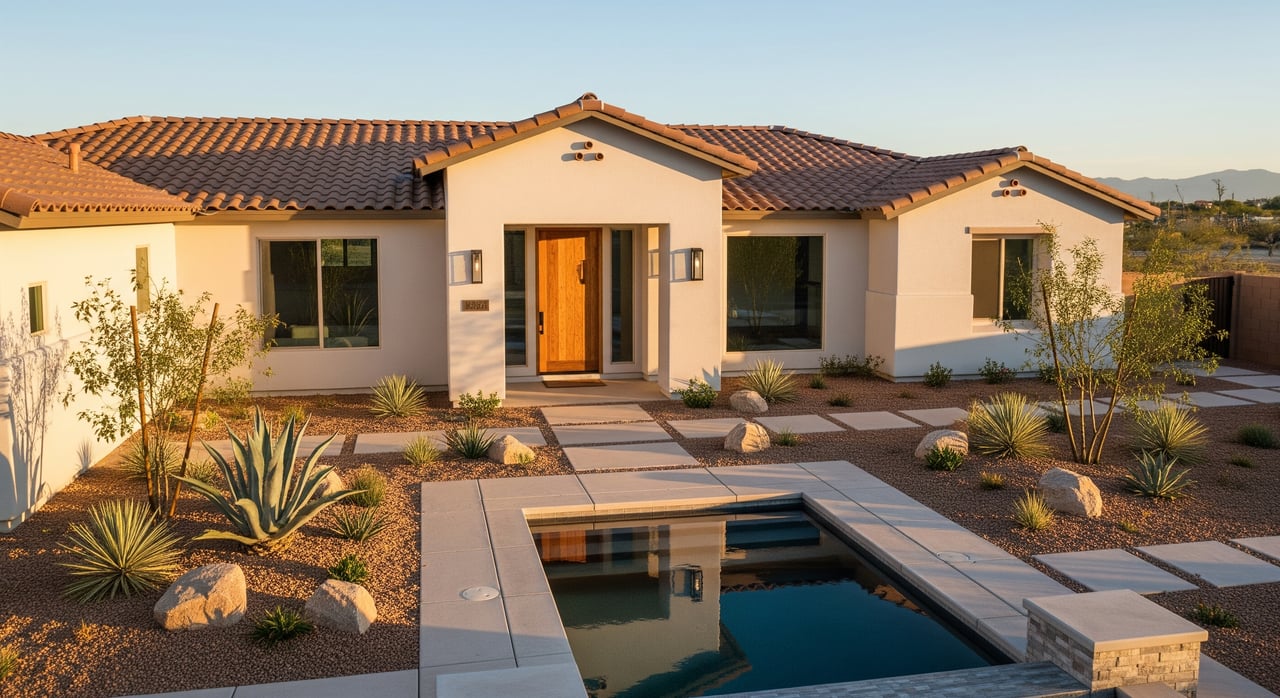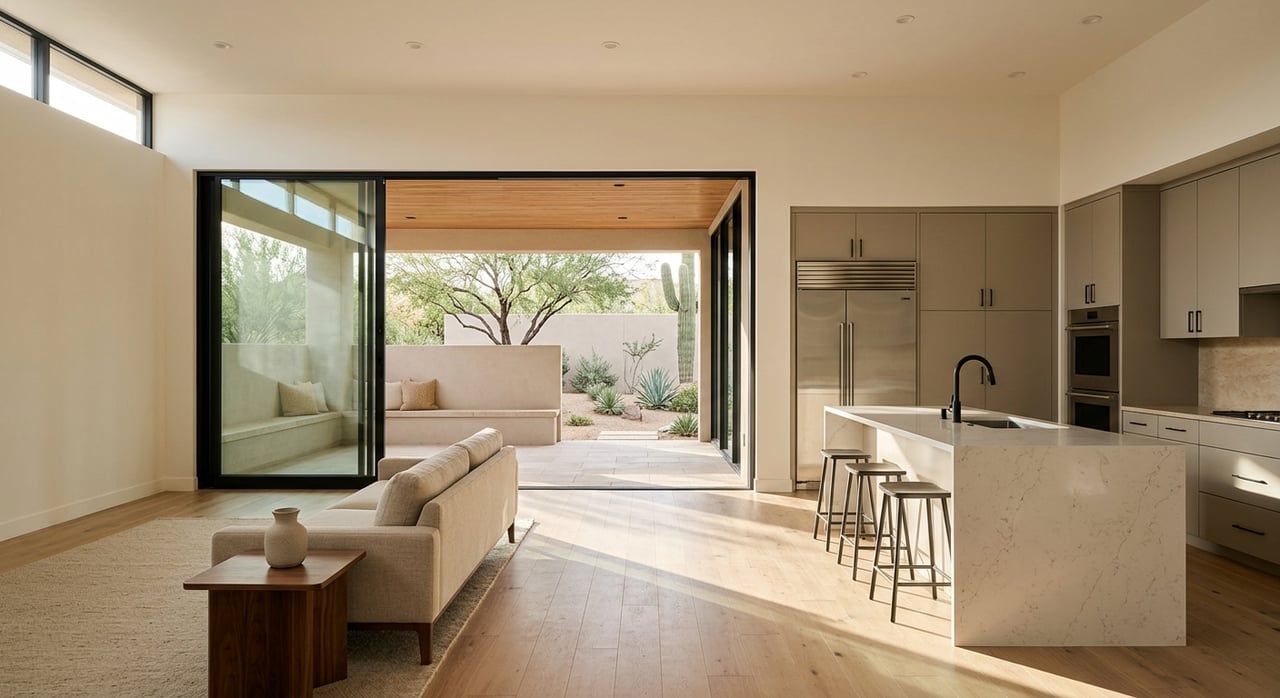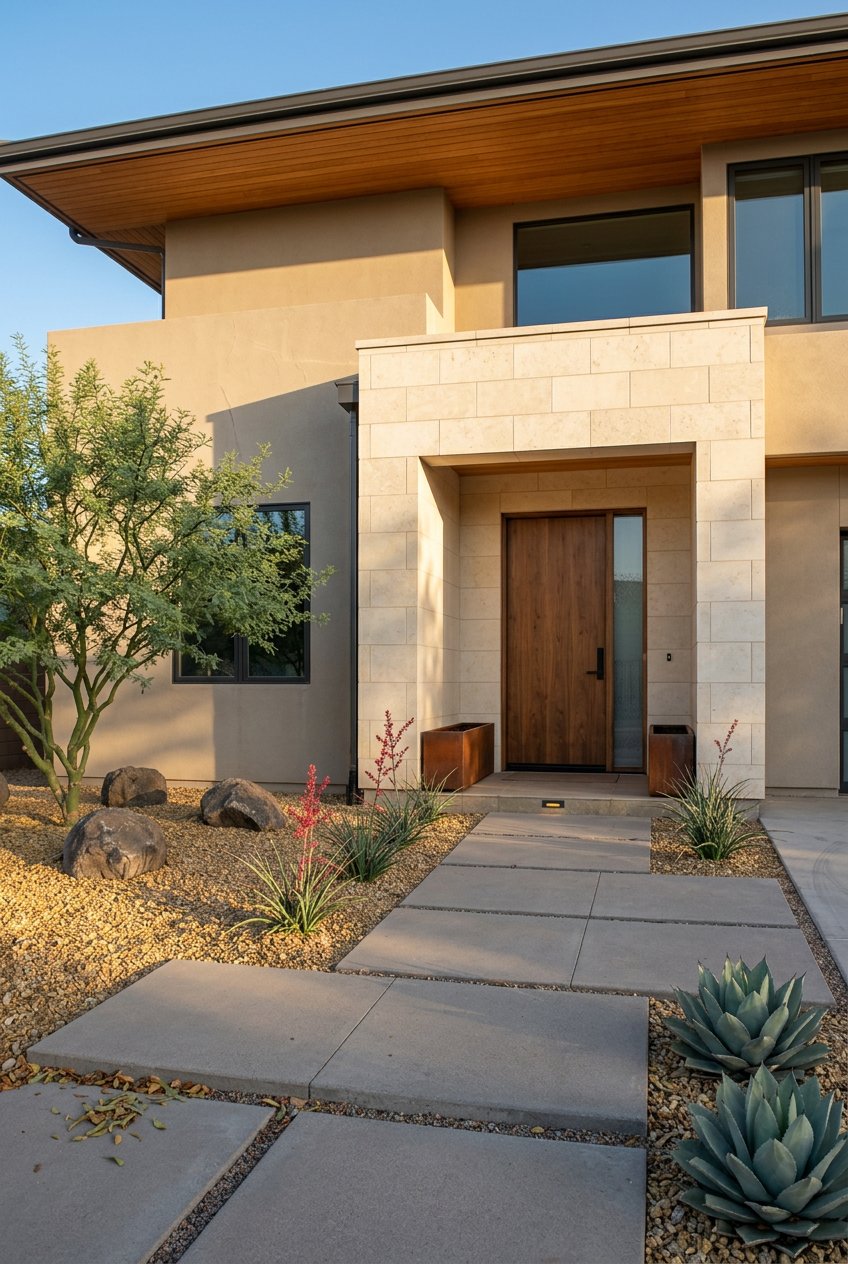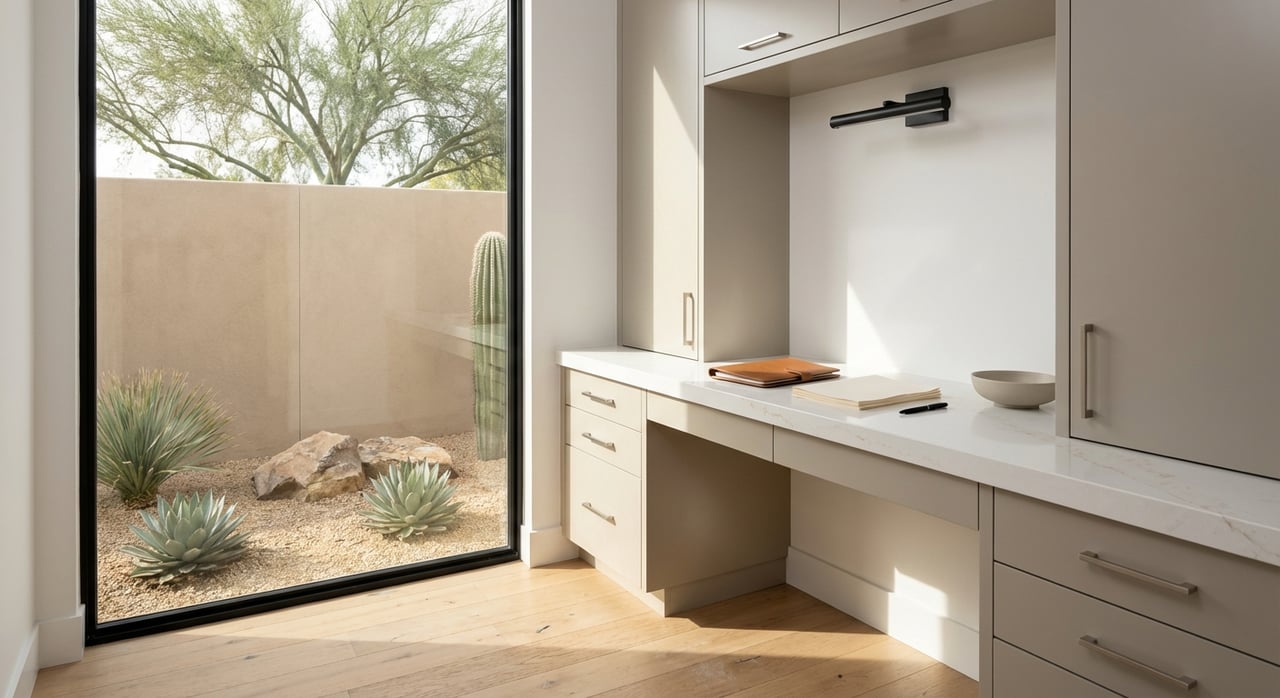
If you are picturing Arizona life as one-size-fits-all suburbia, Cave Creek may surprise you. This is a place where desert open space, rural roads, trail access, and a western town identity shape the rhythm of daily life in ways that feel very different from denser parts of Greater Phoenix. If you are wondering what it is really like to live here, this snapshot will help you understand the pace, setting, and everyday tradeoffs that come with desert living in Cave Creek. Let’s dive in.
What daily life feels like
Cave Creek describes itself as a western community with art galleries, unique restaurants, nightlife, and rugged hiking. The town was founded in 1870 and incorporated in 1986, and that long-standing identity still shows up in how the community looks and functions today.
Daily life here is not meant to mirror a dense urban suburb. The town is clear that life in Cave Creek comes with a different service level than you might expect in a bigger city, which is an important mindset shift if you are moving from a more built-out area.
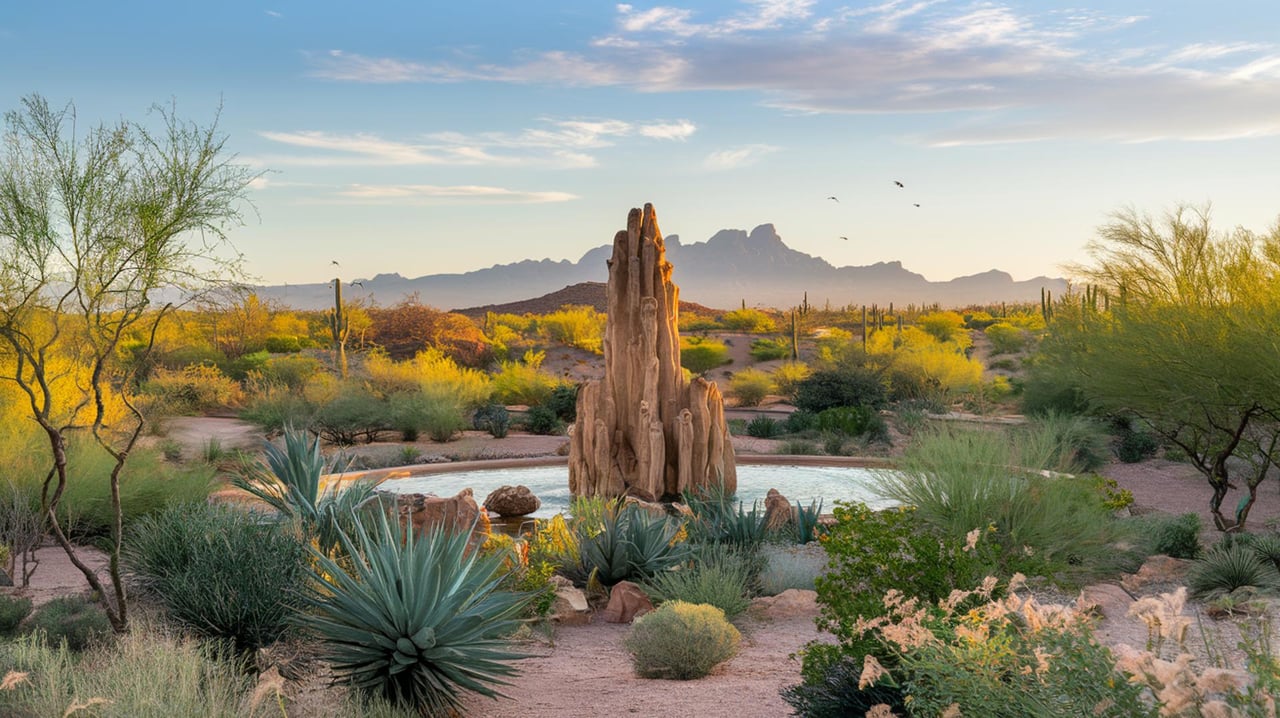
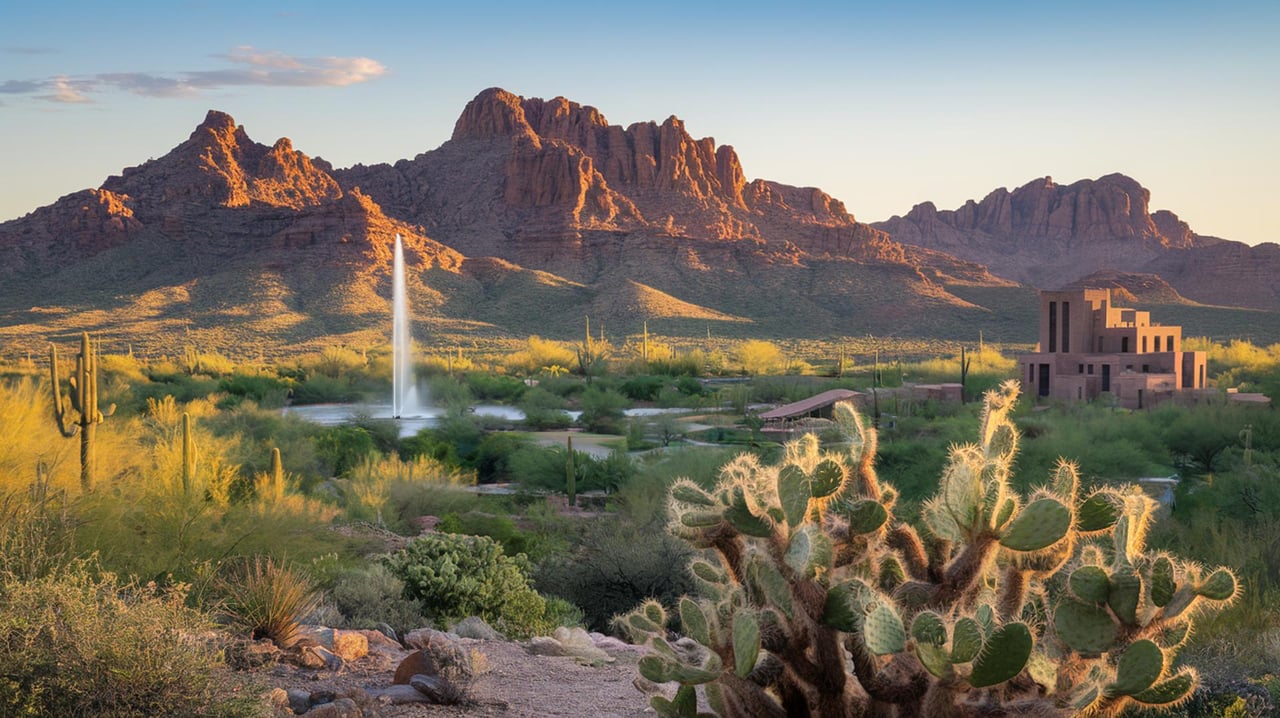
For many buyers, that difference is part of the appeal. You get a setting that stays close to the Sonoran Desert, with more open space, a less uniform residential feel, and a lifestyle that can feel more self-directed.
Desert rural setting shapes the experience
A large share of Cave Creek falls within Desert Rural, or DR, zoning. That matters because it affects how neighborhoods look, how homes sit on their lots, and what kinds of uses are common from one property to the next.
The town notes that much of Cave Creek includes open space, and many homes are near trails or even crossed by them. On parcels of two contiguous acres or more in DR zones, ranching and keeping horses or other livestock may be allowed, which adds to the town’s rural desert character.
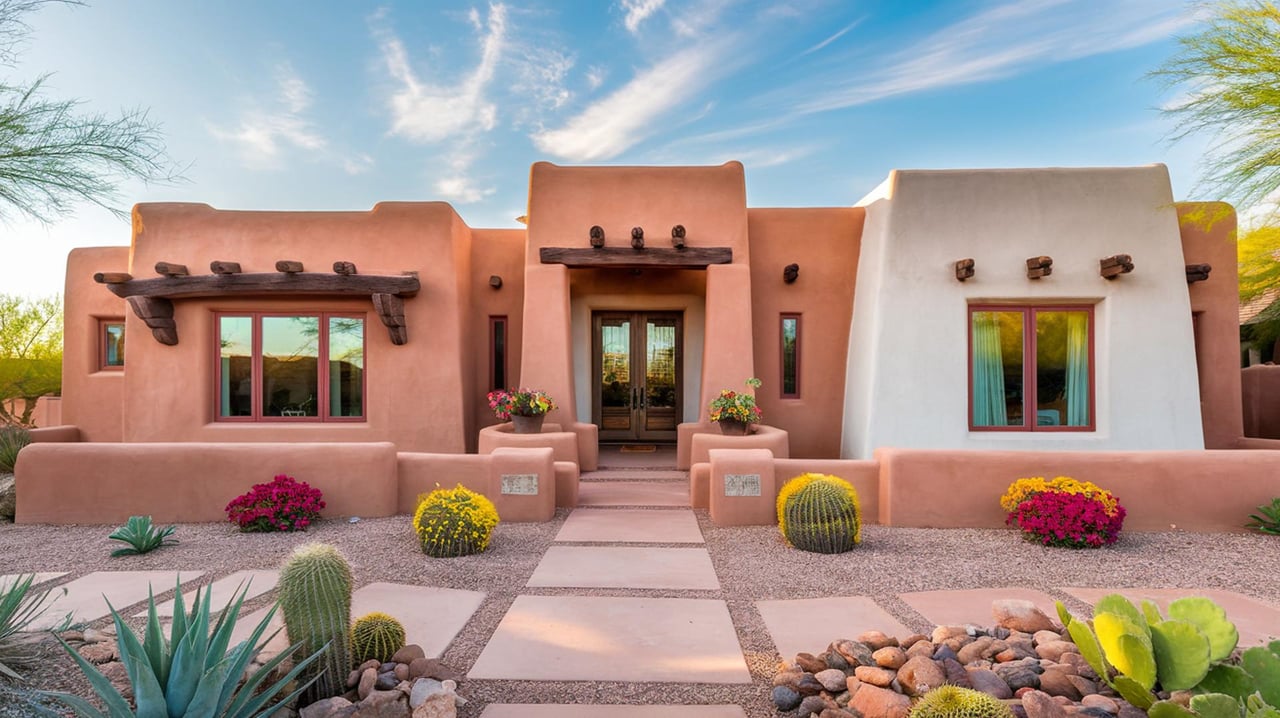
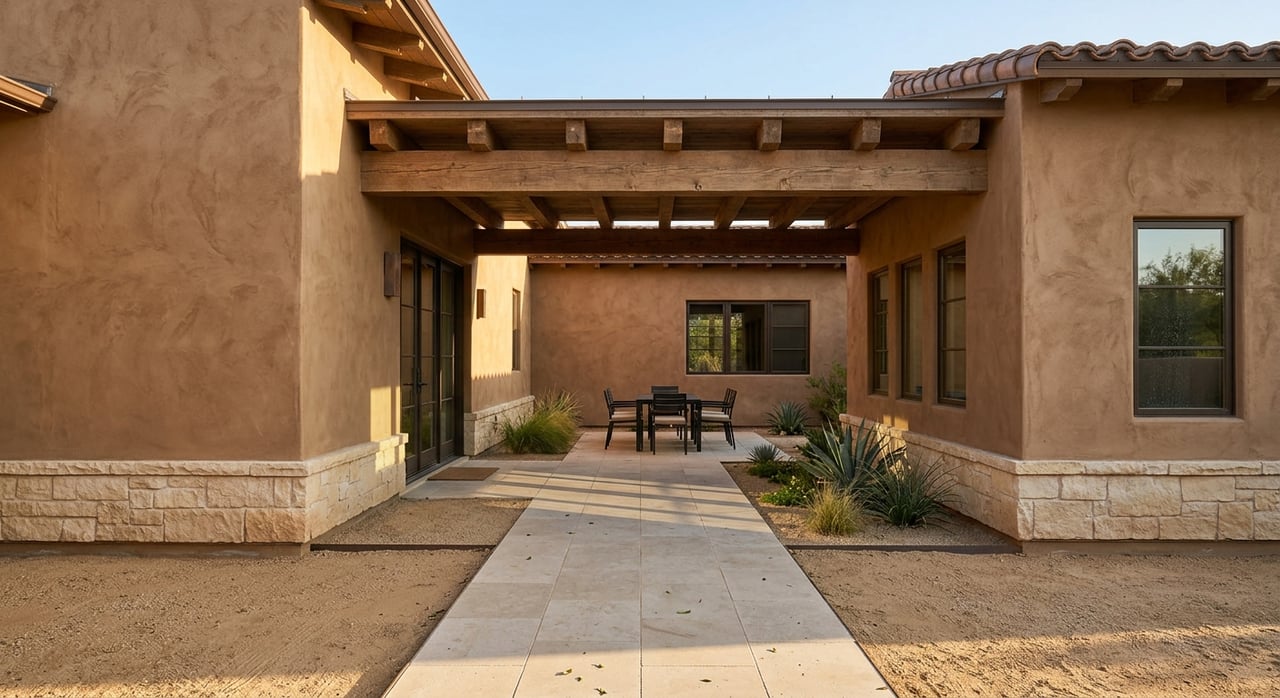
You will also notice that the residential pattern is not typical tract-subdivision design. The town’s residential review standards for DR districts show large minimum lot sizes, wide lot widths, and low lot coverage caps, all of which support a more spread-out, land-responsive layout.
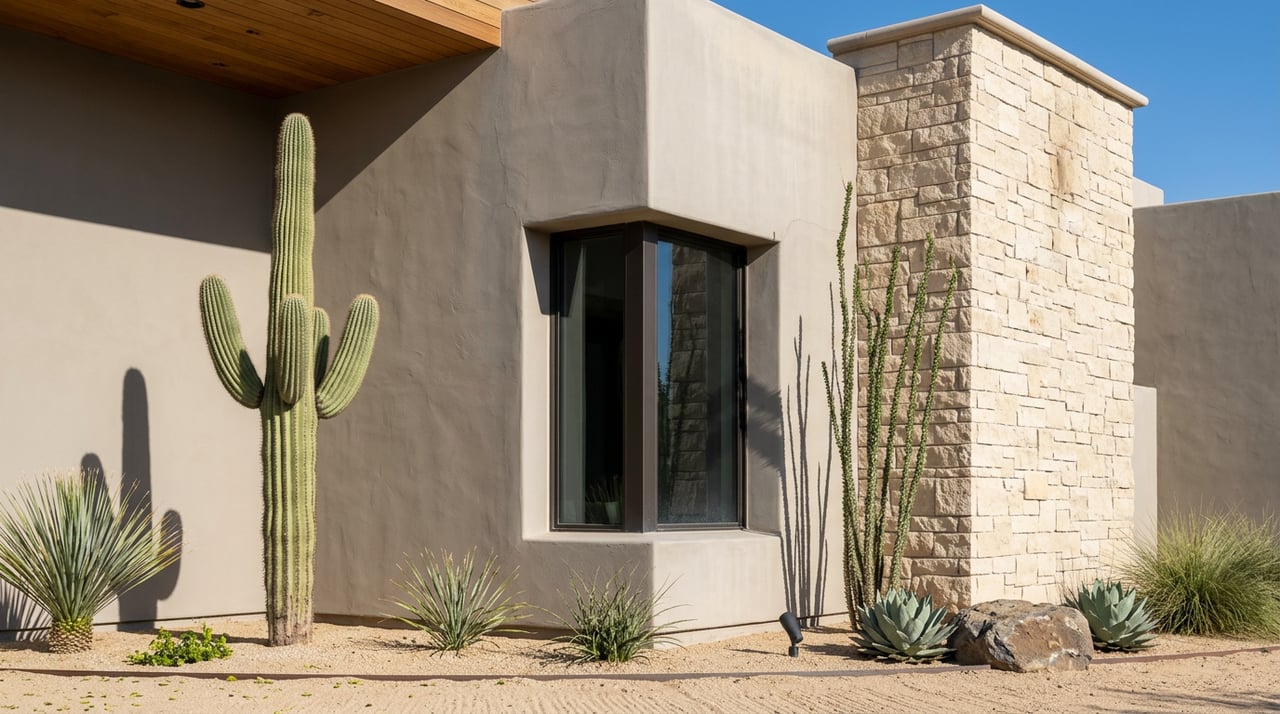
In practical terms, homes here often fit the land instead of flattening it. Washes, drainage, habitat corridors, driveway access, and hillside conditions can all play a role in how a property is designed and how it lives day to day.
Roads and access are part of the lifestyle
One of the biggest everyday differences in Cave Creek is how you move through town. The town says roads are predominantly rural and low-speed, and many properties use private roads rather than the more uniform street systems common in suburban master-planned areas.
That can create a quieter, more rustic feel, but it also means you should expect a little more variation from property to property. Access to trails or washes may also be affected by extreme weather, so location and road setup matter in a very practical way.
If you are considering a home here, it helps to think beyond the house itself. Driveway slope, road surface, drainage patterns, and route access can all be part of everyday comfort and convenience in Cave Creek.
Trails are part of ordinary life
In Cave Creek, trails are not just a weekend bonus. They are a central part of the town’s identity and connect neighborhoods to major outdoor destinations, including the Town Core area, Spur Cross Ranch Conservation Area, Cave Creek Regional Park, Desert Foothills Land Trust properties, the Maricopa Trail, and the Tonto National Forest.
For residents who enjoy being outdoors, that kind of connectivity can shape your whole routine. A quick outing before work, an evening walk, or a weekend horseback ride can feel much more integrated into daily life here than in a more urban setting.
The town also reminds trail users that horses have the right-of-way. That simple detail says a lot about Cave Creek itself. Equestrian use is not a novelty here. It is part of the community’s normal flow.
Spur Cross Ranch and regional access
Spur Cross Ranch Conservation Area is one of Cave Creek’s signature outdoor spaces. The town says it covers 2,154 acres and offers hiking, biking, and horseback riding across eight trails, along with a segment of the 315-mile Maricopa Trail.
Cave Creek Regional Park is another major part of local outdoor life. The town highlights it as a place for rugged hiking, native plants, and wildlife, which adds to the strong desert-first feel of the area.
Smaller parks still matter
Not every outdoor stop has to be a major trek. Desert Awareness Park gives residents a more accessible Sonoran Desert experience close to town, with self-guided trails, a Desert Heritage Center, ramadas, a playground, and desert plant signage.
That mix can be especially helpful if you want a shorter outing or an easy way to enjoy the landscape without committing to a long hike. It reinforces how closely everyday life in Cave Creek stays tied to the desert setting.
The climate sets the rhythm
Cave Creek sits at elevations ranging from 1,804 to 3,924 feet. That can make parts of town feel somewhat different from lower-elevation parts of the Phoenix area, even though the broader climate is still Sonoran Desert.
For regional climate context, NOAA normals for Phoenix Sky Harbor from 1991 through 2020 show an annual mean high of 87.1 degrees, an annual mean low of 64.1 degrees, and 7.22 inches of precipitation. While that is not a Cave Creek-specific reading, it helps illustrate the wider hot, dry pattern of the region.
The hottest stretch runs from late spring through early fall, so everyday life often follows a desert rhythm. Early mornings and evenings can become the most comfortable times for outdoor activity, while midday summer plans may require more flexibility.
Monsoon season changes daily planning
Summer in Arizona is not just about heat. The National Weather Service defines monsoon season as June 15 through September 30, and it typically begins with extreme heat before bringing thunderstorms and hazards such as flash flooding, dust storms, high winds, lightning, and wildfire impacts.
In Cave Creek, that means weather awareness is part of living well. If your property has trail access, a wash nearby, or a more rural road approach, seasonal conditions can affect how you plan your day and move around town.
Wildlife and dark skies are part of the package
Living in Cave Creek often means living closer to native desert systems. The town advises residents to live compatibly with wildlife and notes that coyotes, foxes, skunks, bobcats, deer, javelina, rattlesnakes, scorpions, and black widow spiders can be part of rural desert life.
For some buyers, that sounds exciting and authentic. For others, it is an adjustment. Either way, it is a real part of the local experience and worth understanding before you buy.
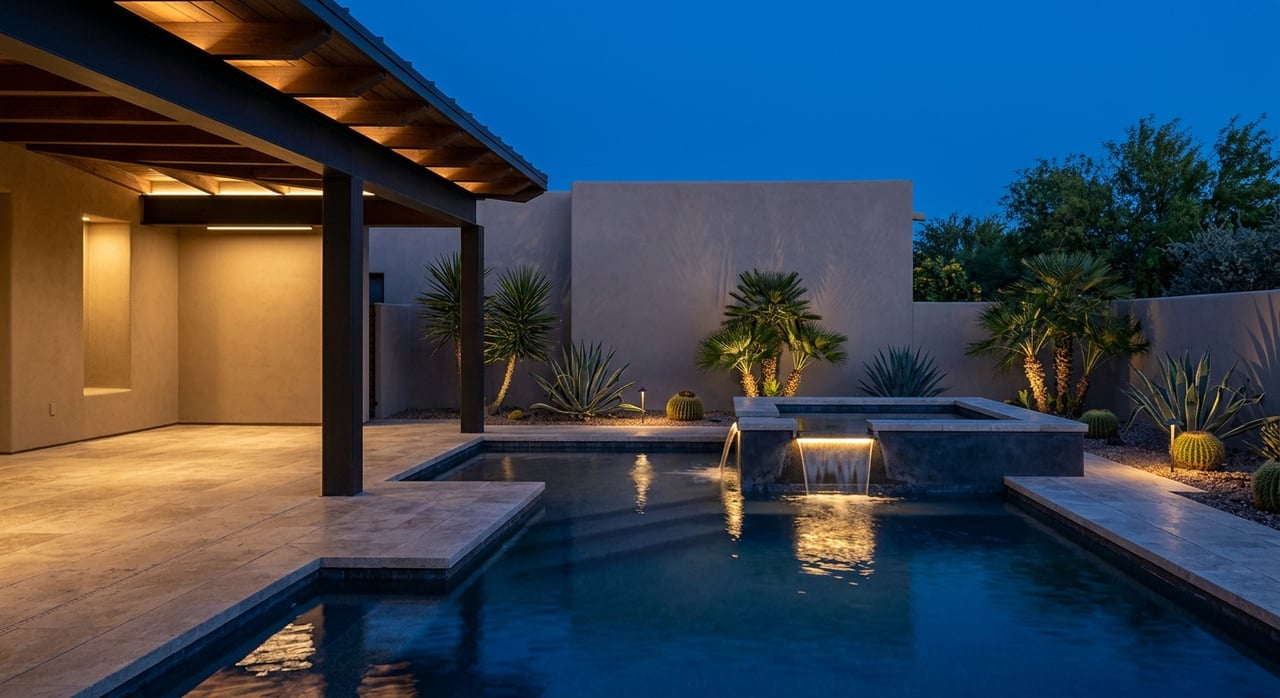
The town’s outdoor lighting rules reflect the same desert mindset. Outdoor lighting must be fully shielded and directed downward, and dusk-to-dawn lights are prohibited, which helps preserve darker night skies and a lower-impact visual environment.
Dining and arts add personality
Cave Creek is not only about trails and open land. The town’s dining directory points to a range of options that support everyday local life, including barbecue, saloon-style dining, coffee and wine bars, French cuisine, Thai food, pizza, and resort-style American and Southwestern dining.
That variety helps the town feel lived-in rather than isolated. You can enjoy a setting with strong rural character without giving up local places to gather, dine, or unwind.
The arts are another visible part of Cave Creek’s texture. The town highlights Desert Foothills Theater, Arizona Musicfest, and the Sonoran Arts League, and it also describes the community as a place with art galleries and a creative spirit.
What homebuyers tend to notice first
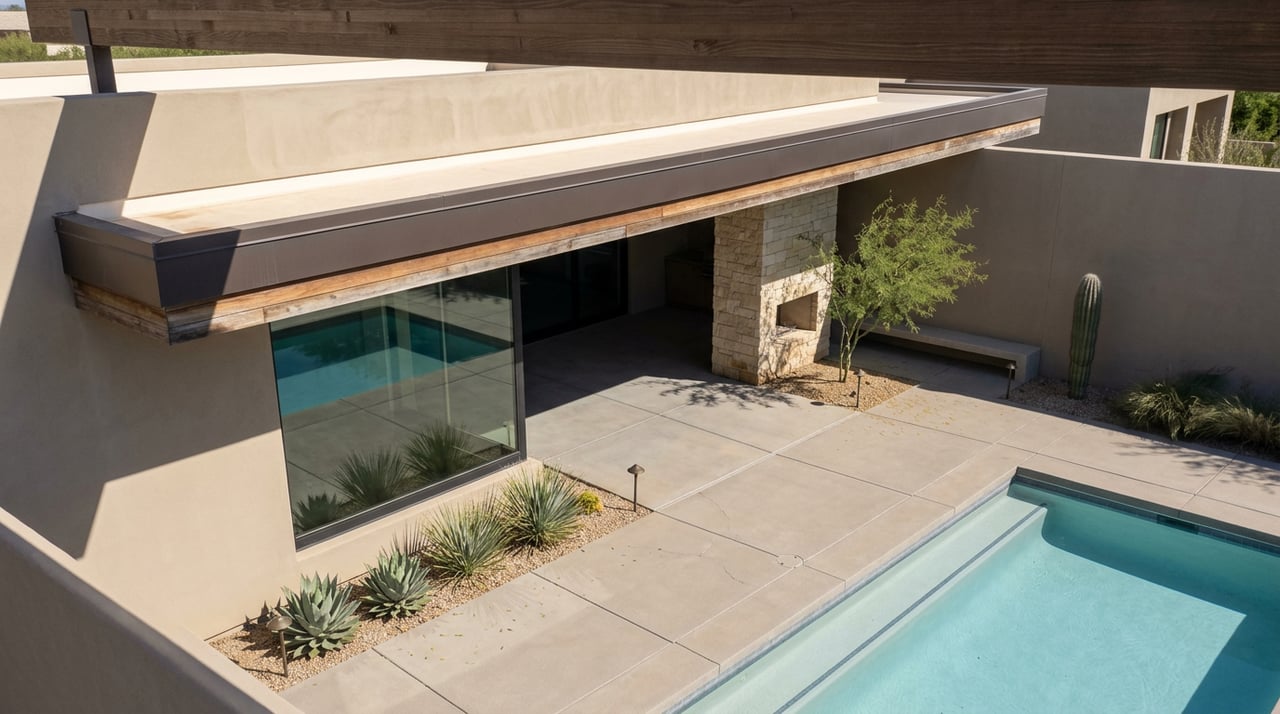
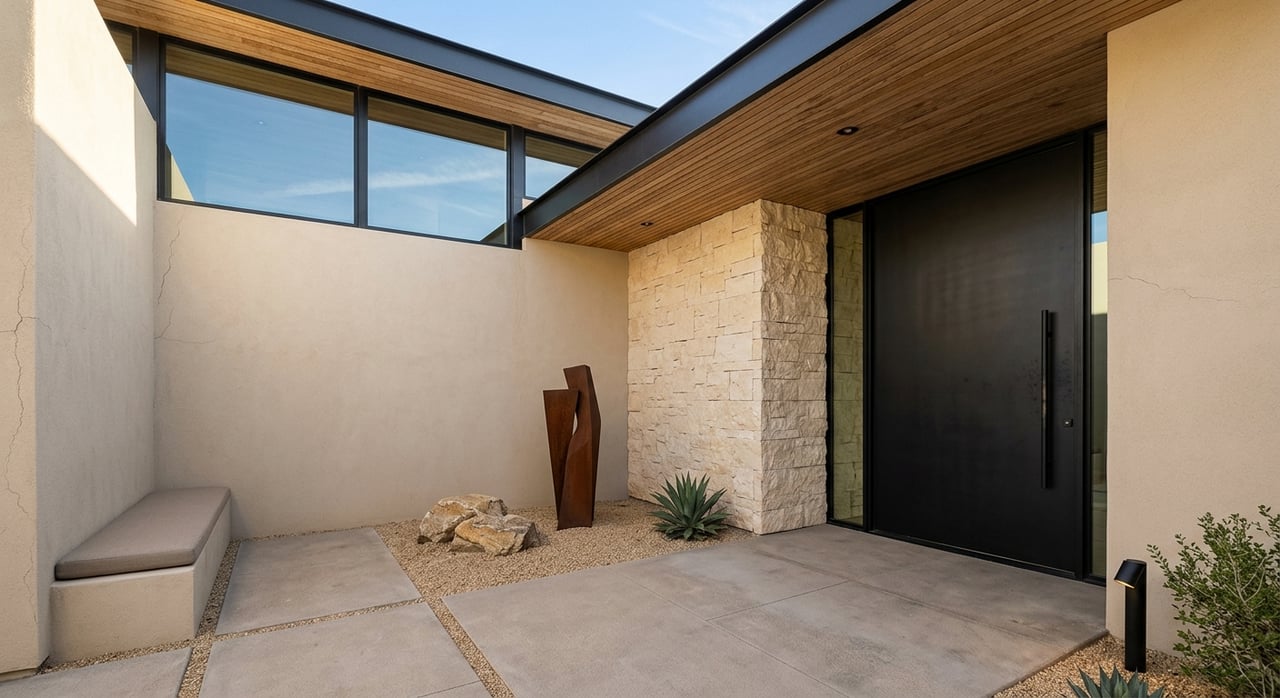
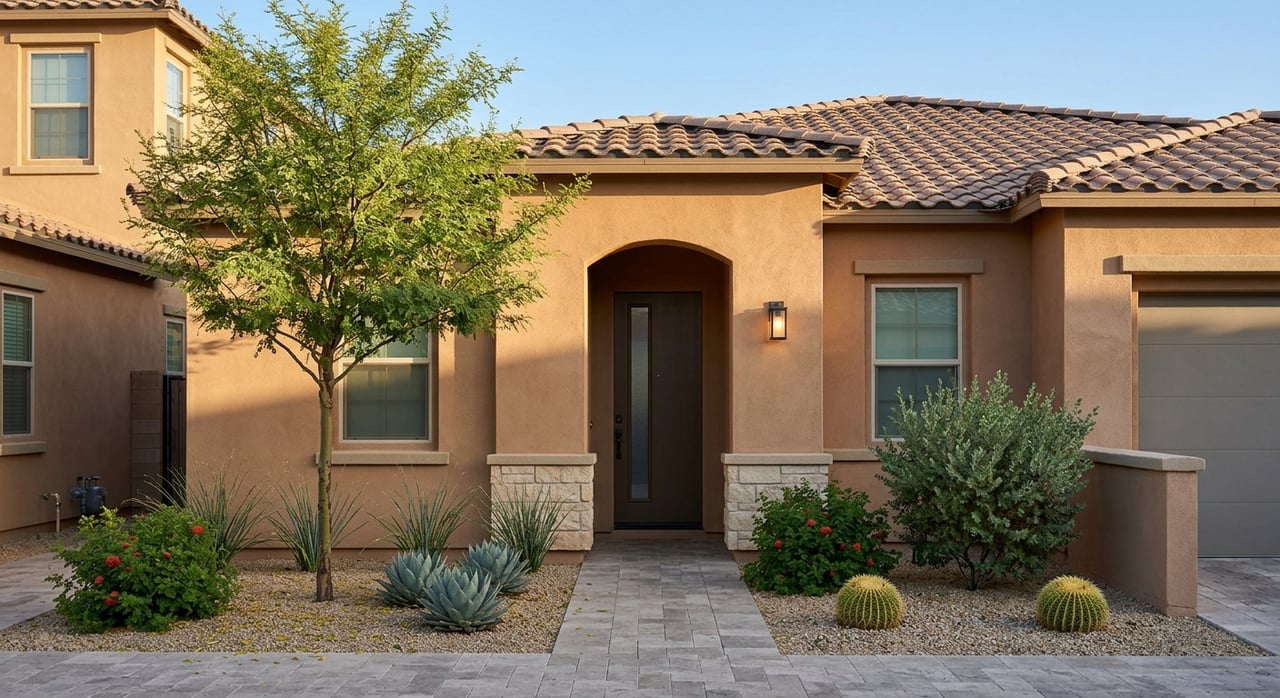
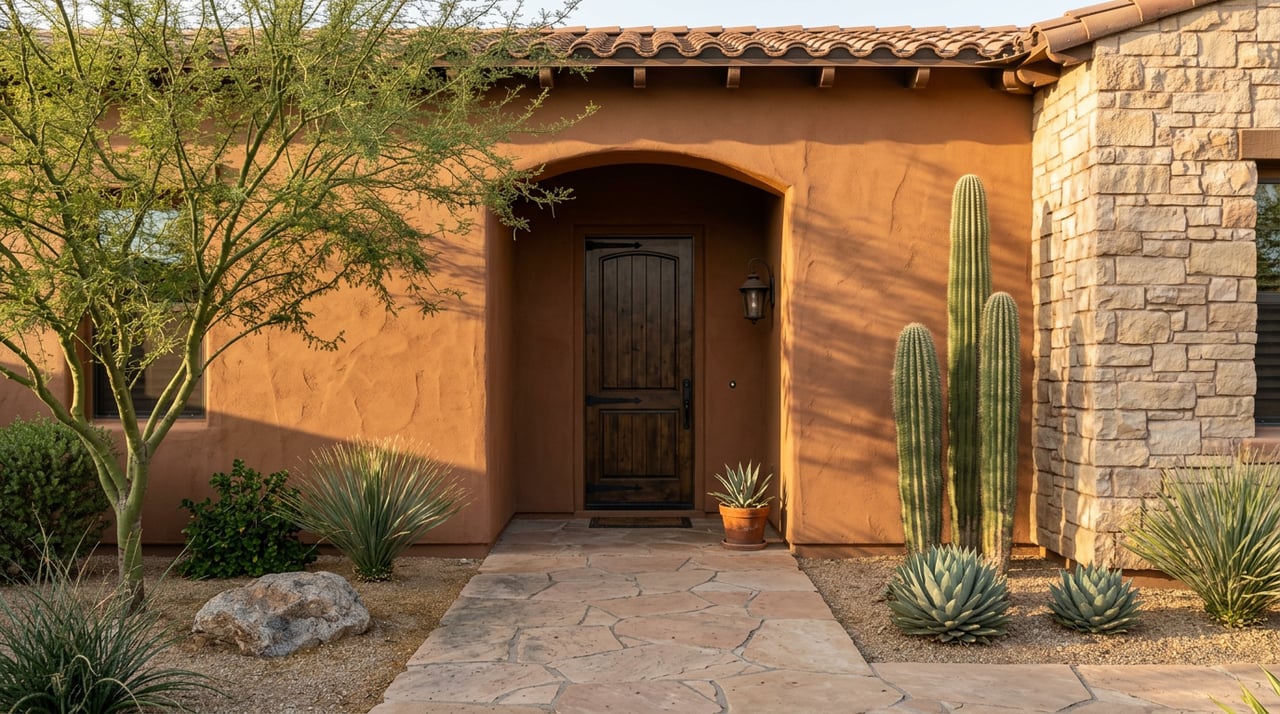
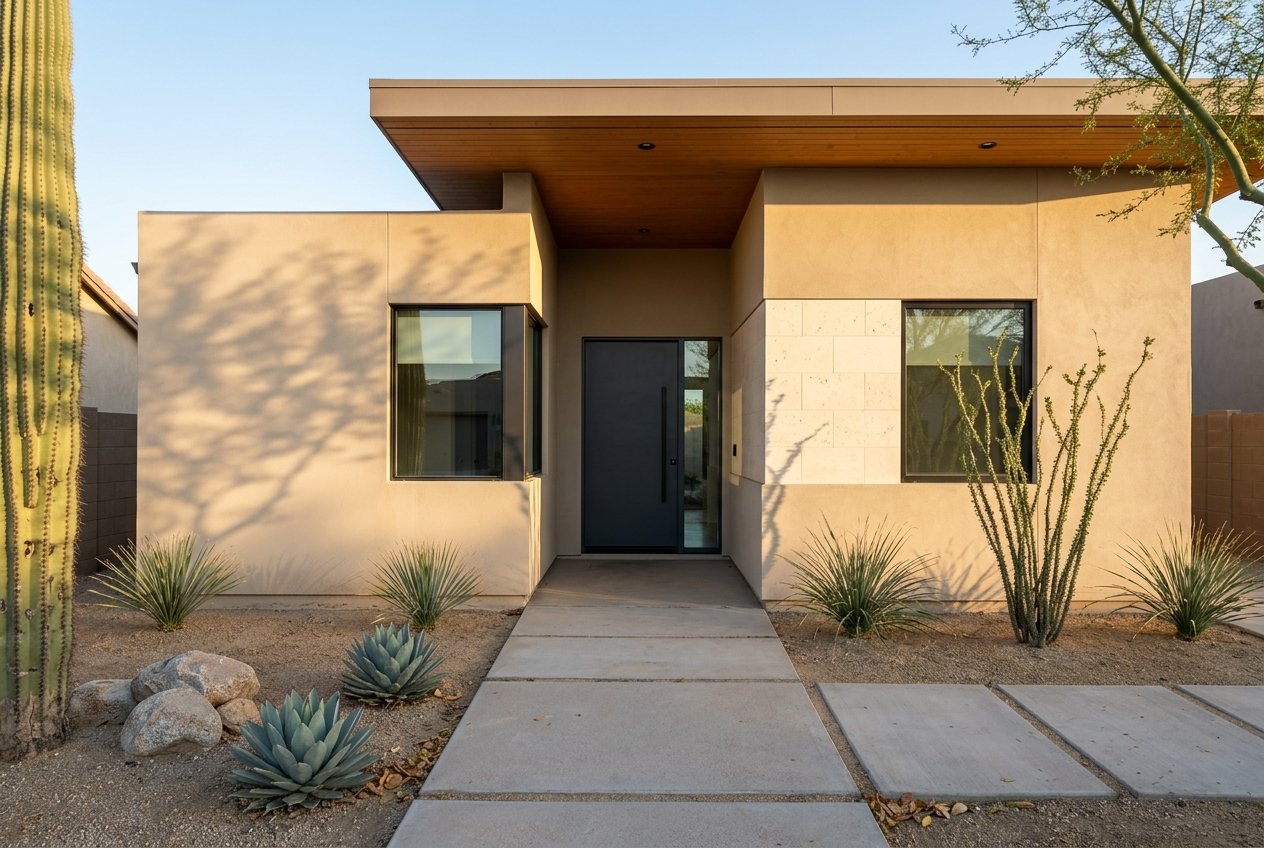
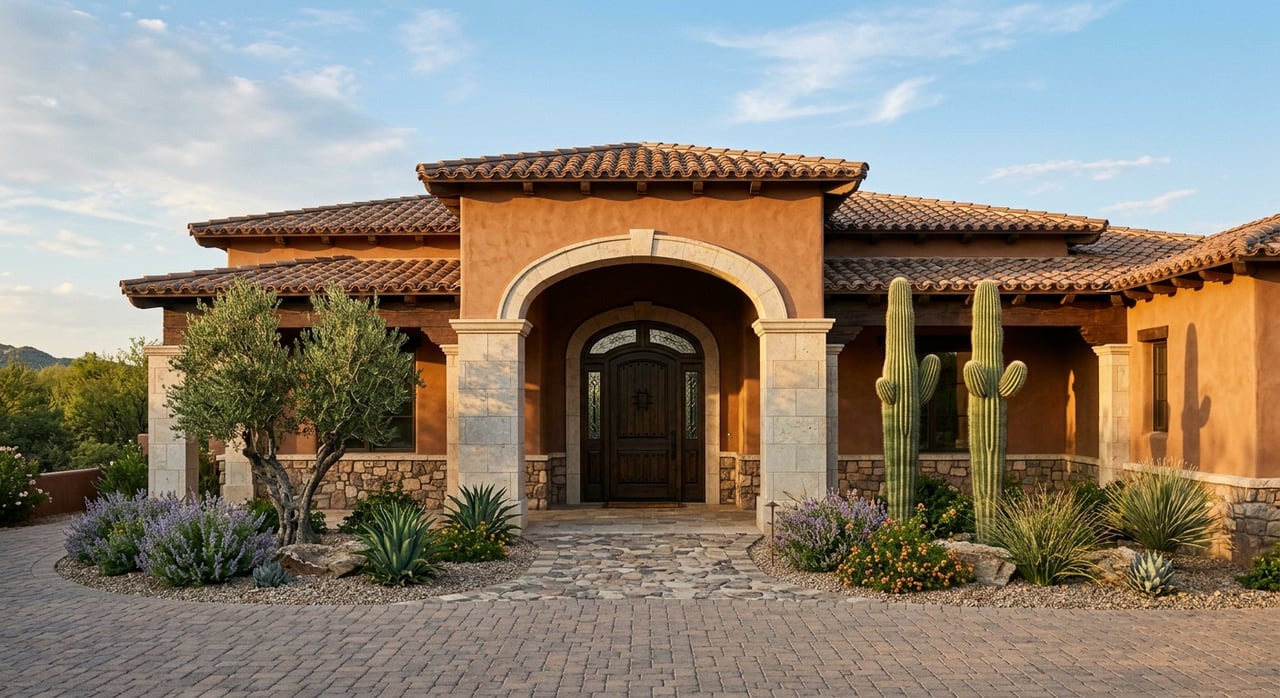
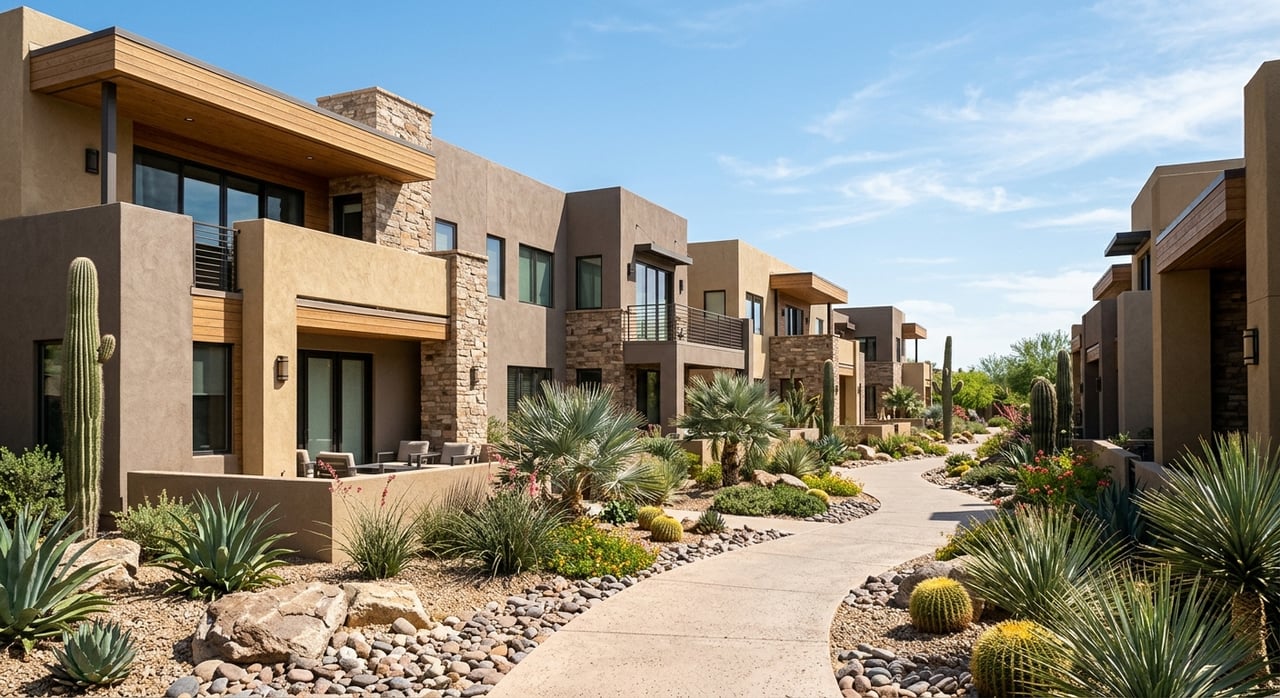
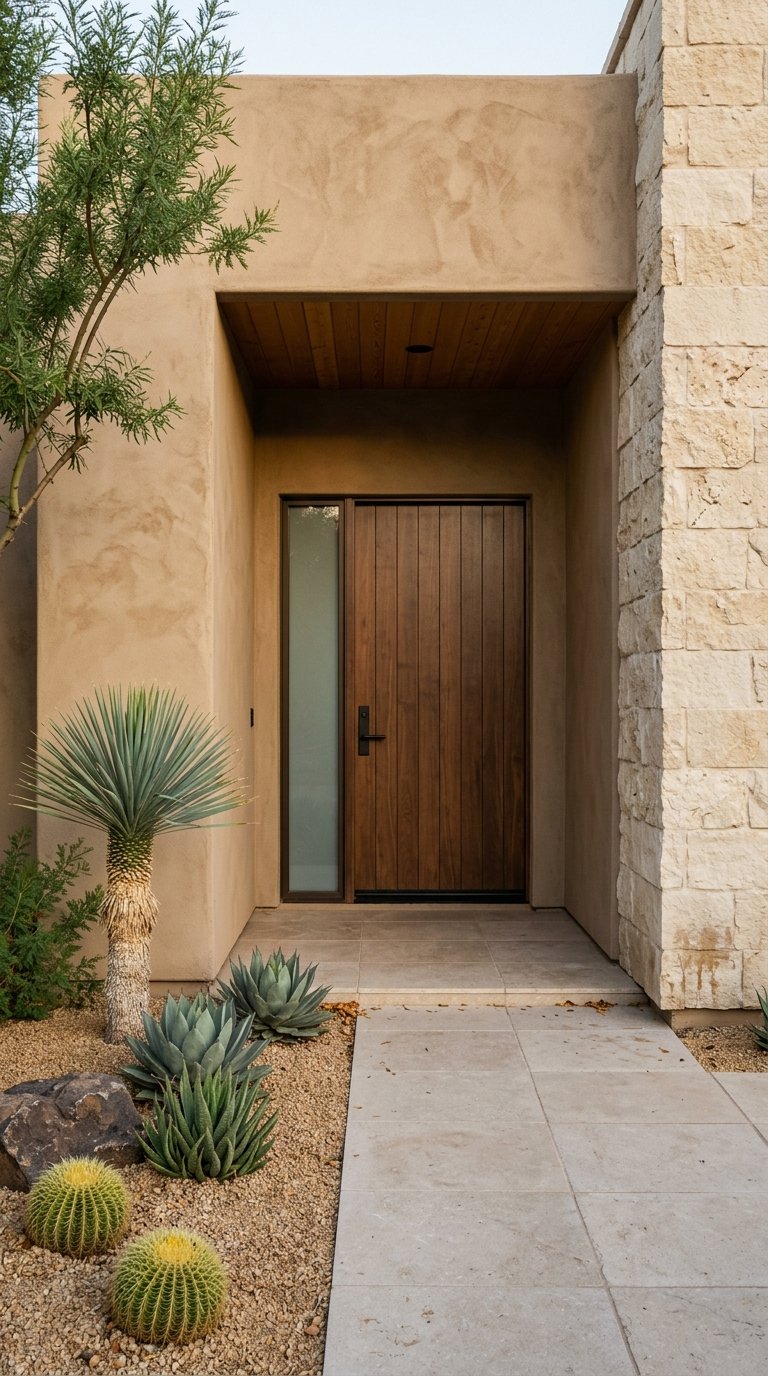
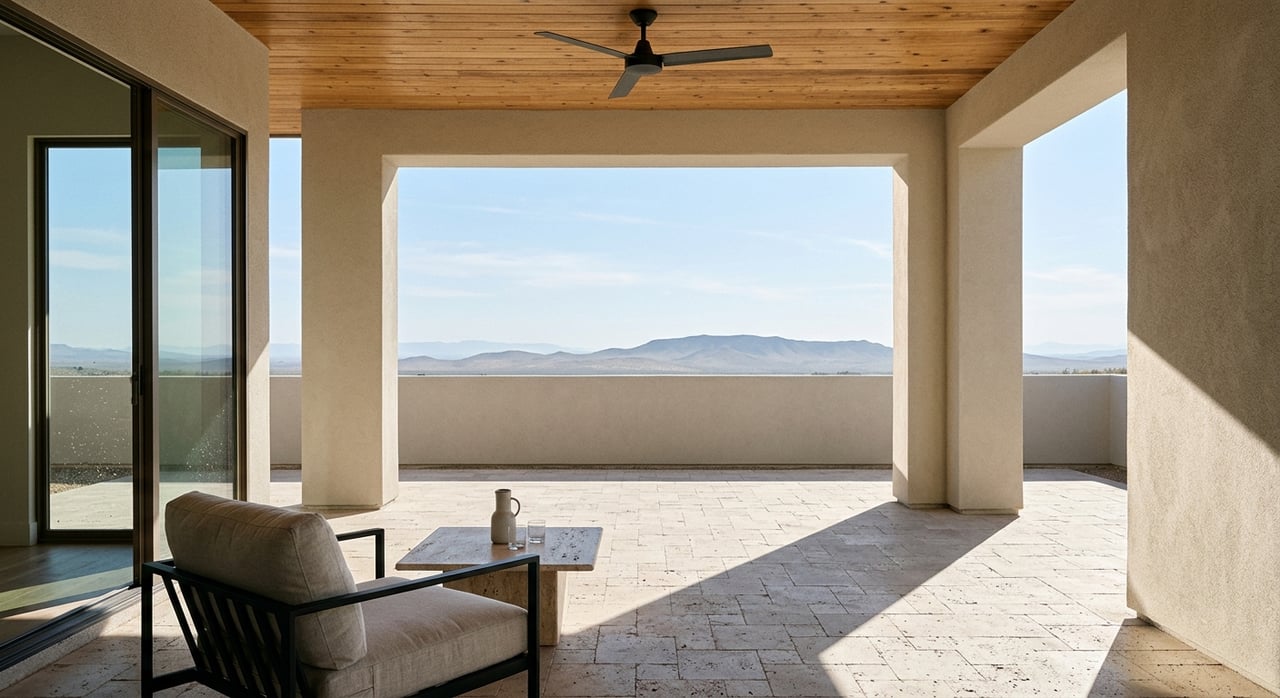
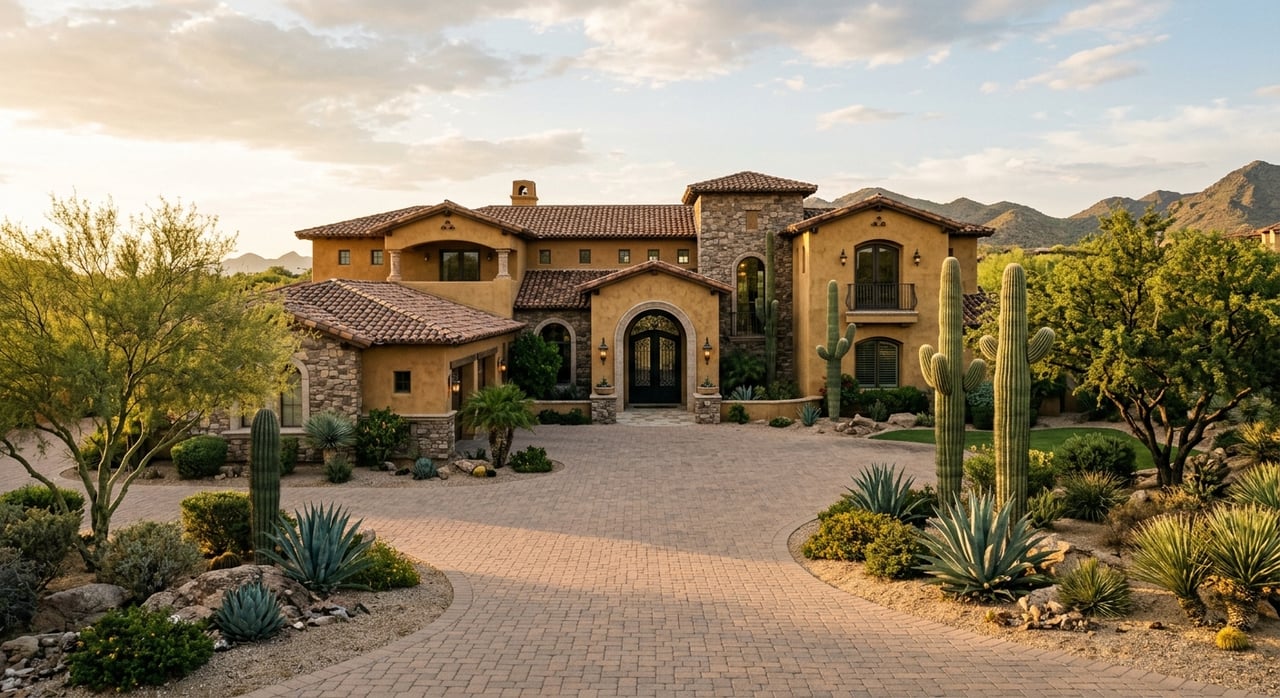
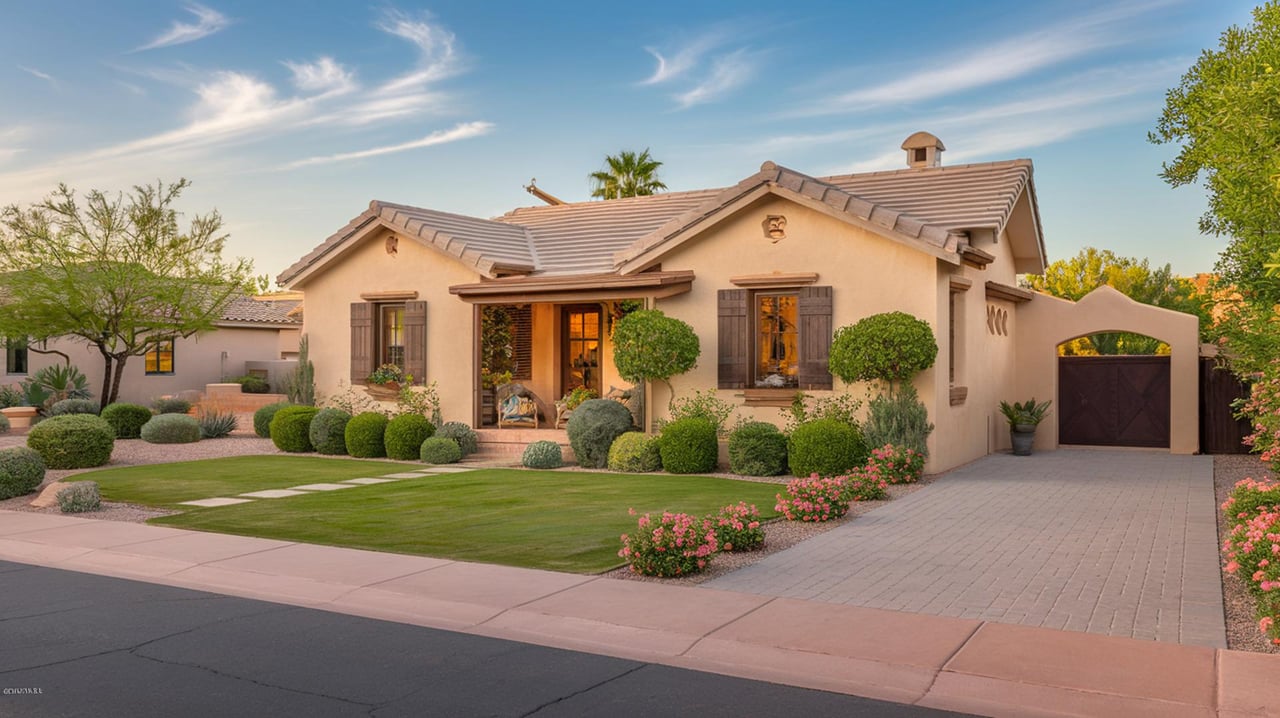
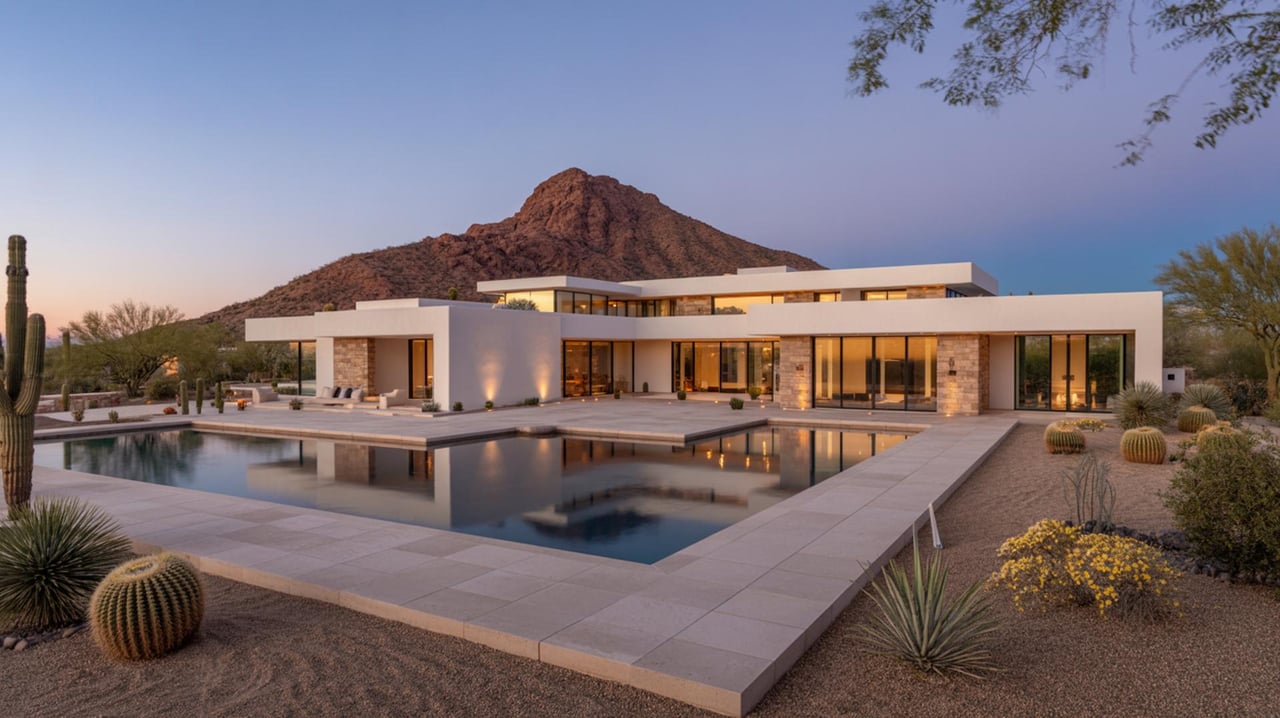
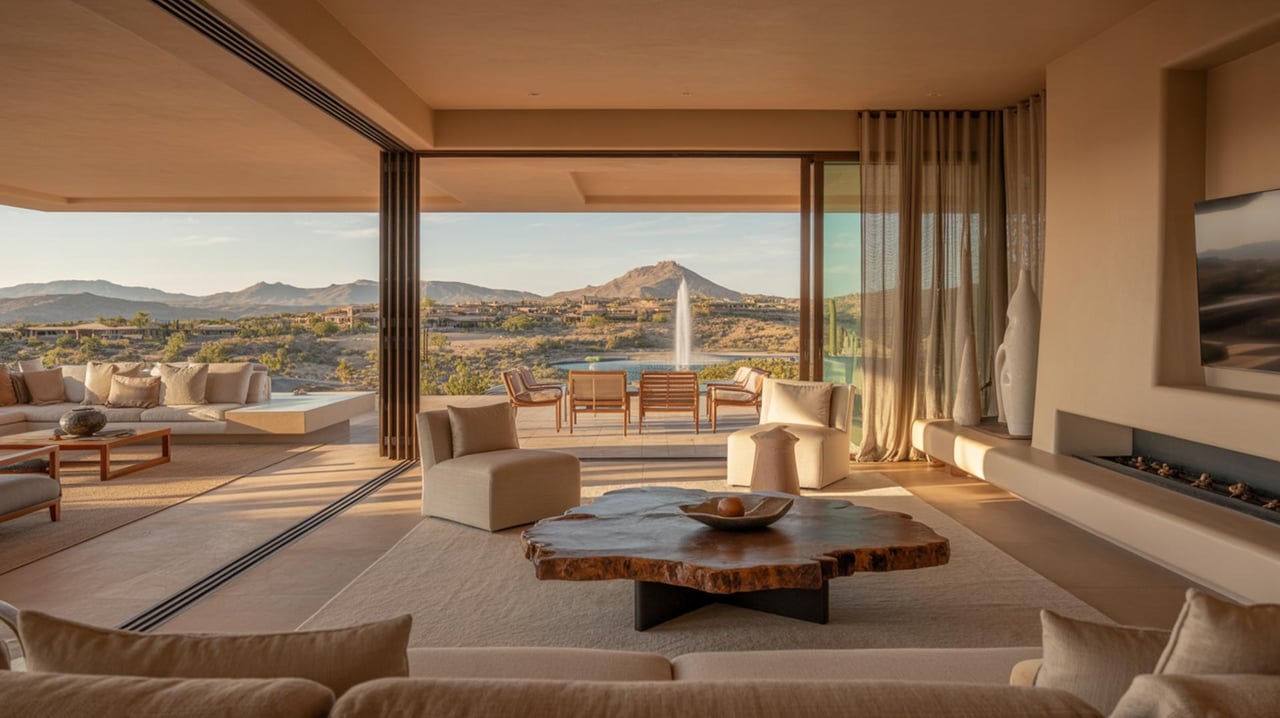
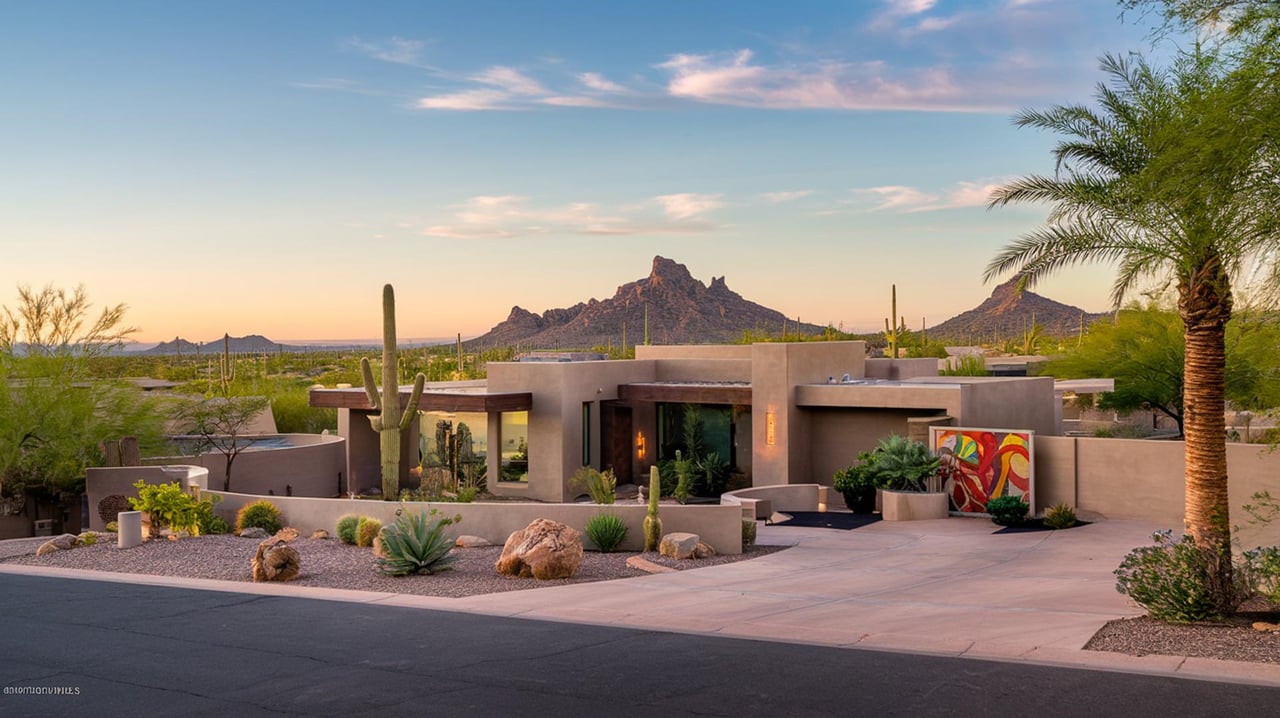
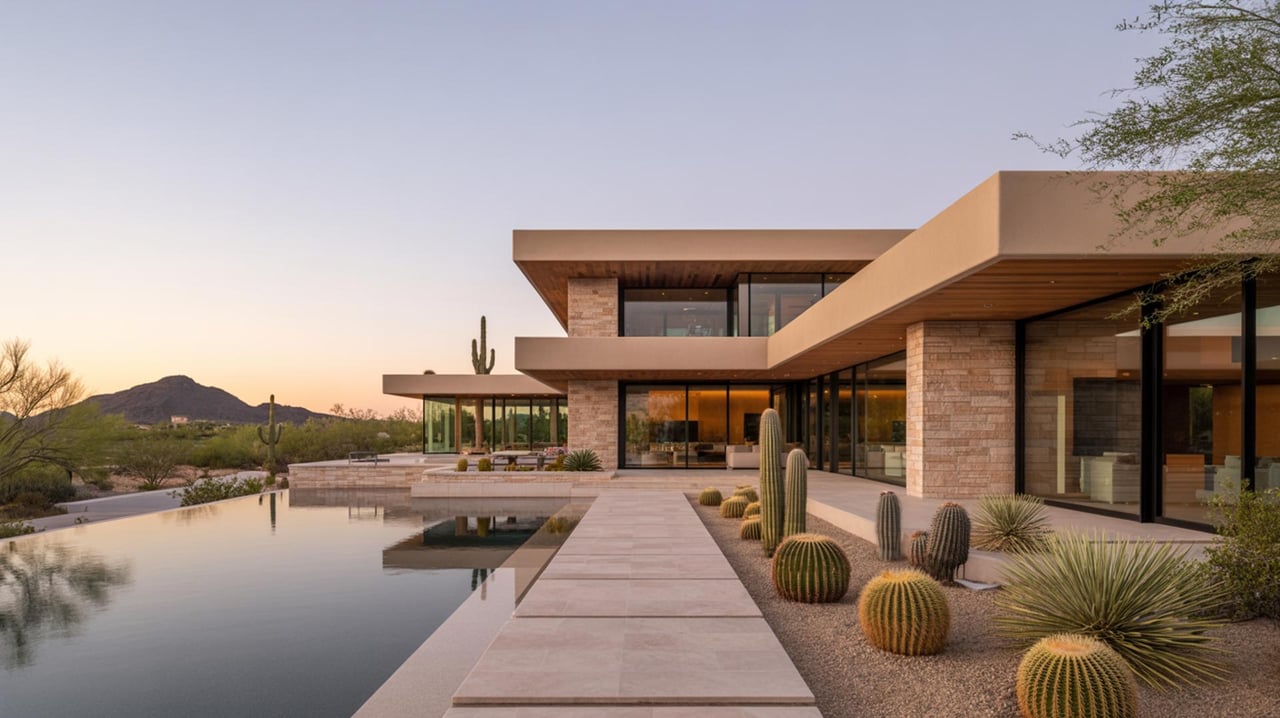
If you are touring homes in Cave Creek, you may notice right away that many properties feel more custom and site-specific than homes in a standard suburban subdivision. That comes from the town’s land-use approach, large-lot patterns, and design standards that emphasize terrain, drainage, vegetation, and views.
You may also find that lots, setbacks, and access arrangements vary more than you are used to. In DR districts, minimum lot areas range from 43,000 to 190,000 square feet, with minimum lot widths from 145 to 300 feet and lot coverage caps of 10% to 15%.
Those rules help create a low-profile desert character. They also mean buyers should pay attention to the land itself, not just square footage or interior finishes.
A good fit for the right buyer
Cave Creek can be a strong fit if you want desert scenery, trail access, horse-friendly features, western character, dark skies, and a more rural lifestyle. It is usually less suited to buyers who want dense sidewalks, highly uniform subdivisions, or the full service package of a more urban suburb.
That does not make it better or worse than other parts of Greater Phoenix. It simply means Cave Creek offers a distinct version of Arizona living, and the best move is to decide whether that version matches how you want to live every day.
If you are exploring Cave Creek and want neighborhood insight that goes beyond the listing photos, Kayla Kerulis offers concierge-style guidance rooted in local market knowledge and a personal, high-service approach.
FAQs
What is everyday life like in Cave Creek, Arizona?
- Everyday life in Cave Creek is shaped by a western town identity, open desert space, rural roads, trail access, and a pace that feels less urban than many other parts of Greater Phoenix.
Are Cave Creek homes usually in suburban subdivisions?
- Many Cave Creek properties are influenced by Desert Rural zoning, which often means larger lots, lower lot coverage, more custom layouts, and homes designed around the land’s natural features.
Do trails play a big role in Cave Creek living?
- Yes. The town says its trail network connects neighborhoods to the Town Core, Spur Cross Ranch Conservation Area, Cave Creek Regional Park, the Maricopa Trail, and the Tonto National Forest.
What weather patterns matter most in Cave Creek, Arizona?
- Heat from late spring through early fall is a major part of daily life, and monsoon season from June 15 through September 30 can bring thunderstorms, flash flooding, dust storms, high winds, and lightning.
What should homebuyers know about Cave Creek wildlife?
- The town advises residents to live compatibly with native wildlife, and rural desert life may include encounters with animals such as coyotes, javelina, bobcats, rattlesnakes, and scorpions.
Is Cave Creek a good fit for buyers seeking a rural desert lifestyle?
- Cave Creek can be a strong match if you want open space, desert scenery, horse-friendly features, trail access, and a less uniform residential environment.