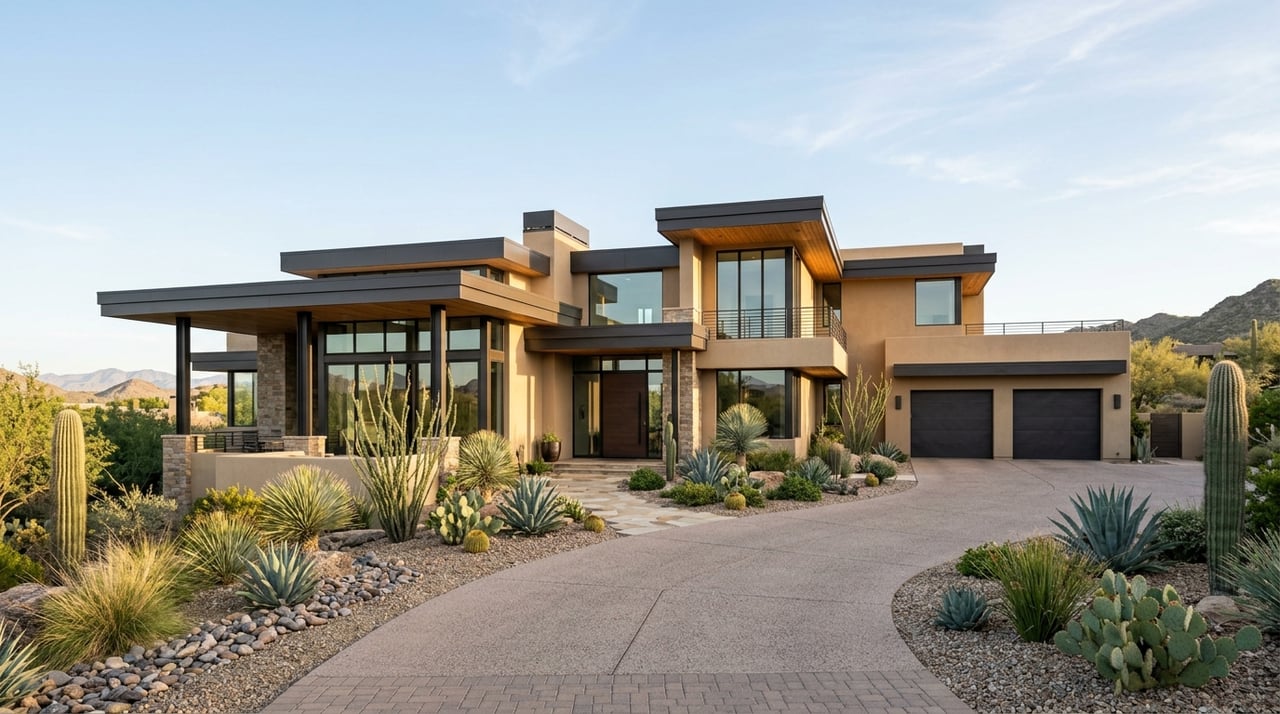
If you are thinking about a move to Fountain Hills, you are probably asking a bigger question than just where to buy a home. You want to know what daily life actually feels like, whether the setting matches your lifestyle, and what trade-offs come with choosing this part of the Northeast Valley. This guide will help you weigh the scenery, housing mix, outdoor access, and everyday logistics so you can decide if Fountain Hills fits your next chapter. Let’s dive in.
What Makes Fountain Hills Stand Out
Fountain Hills has a distinct identity in Greater Phoenix. The town is a master-planned community in the northeast Valley, bordered by Scottsdale to the west, McDowell Mountain Regional Park to the north, and tribal communities to the east and south.
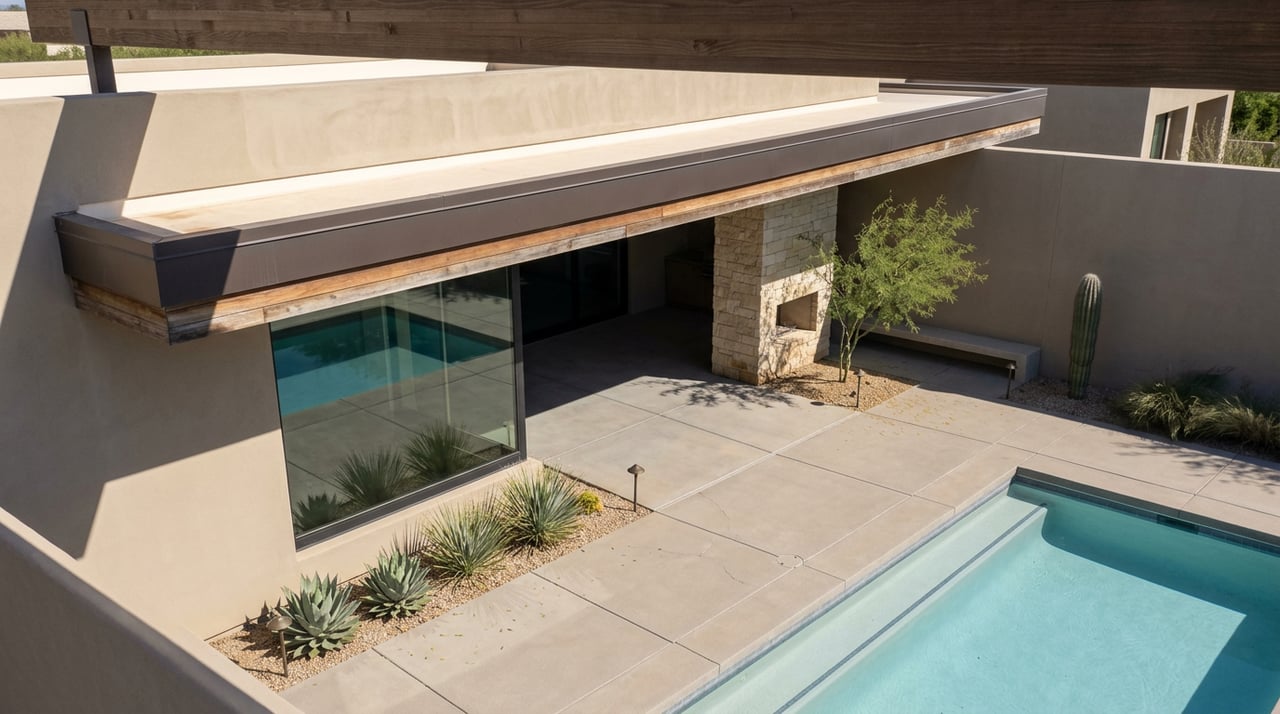
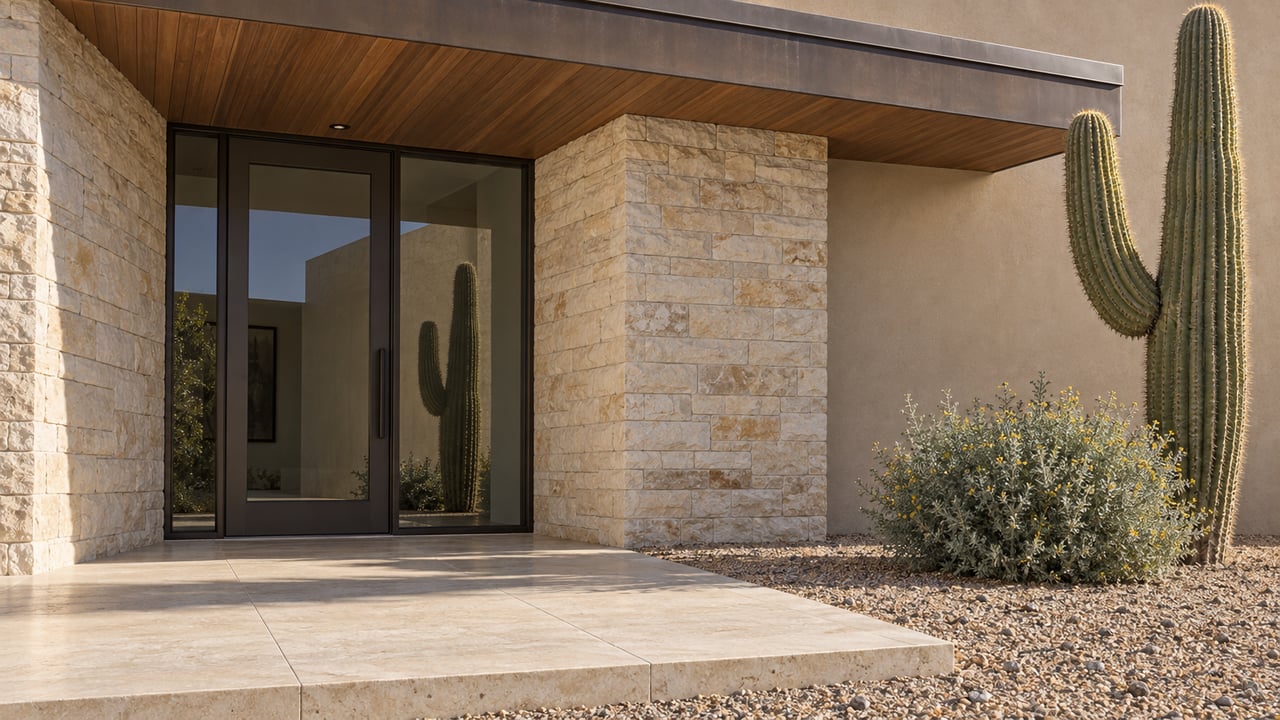
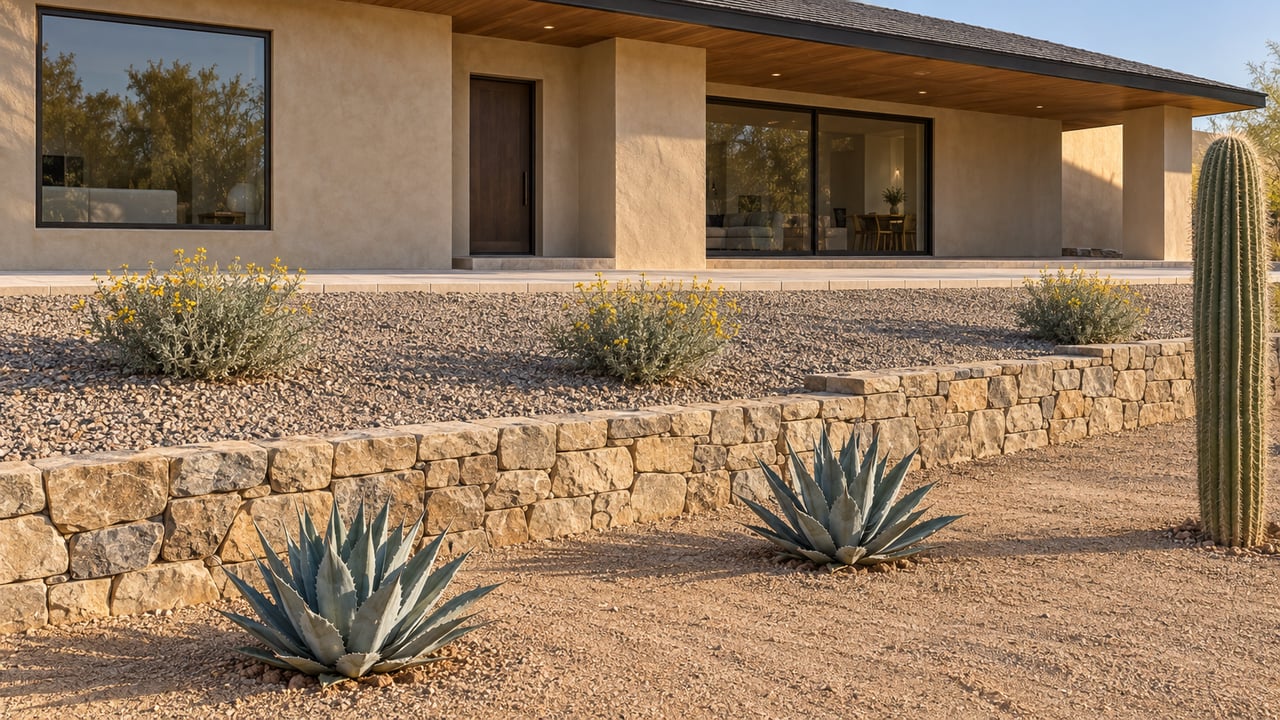
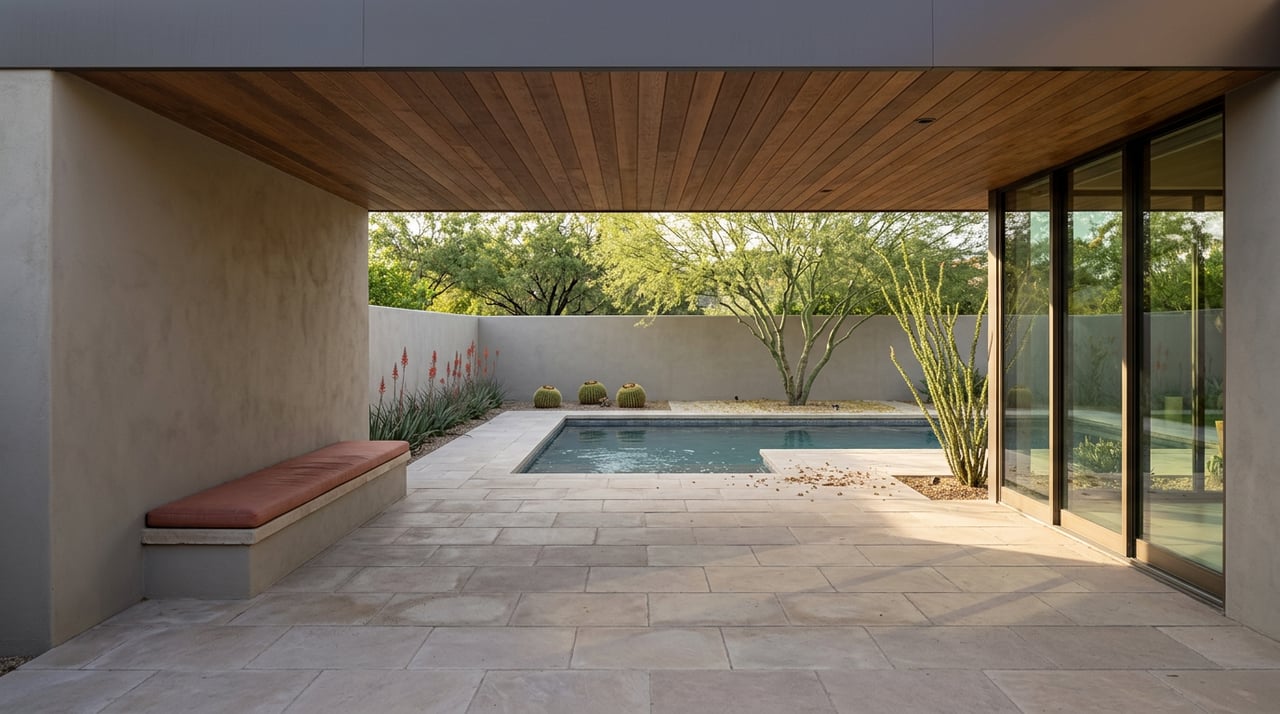
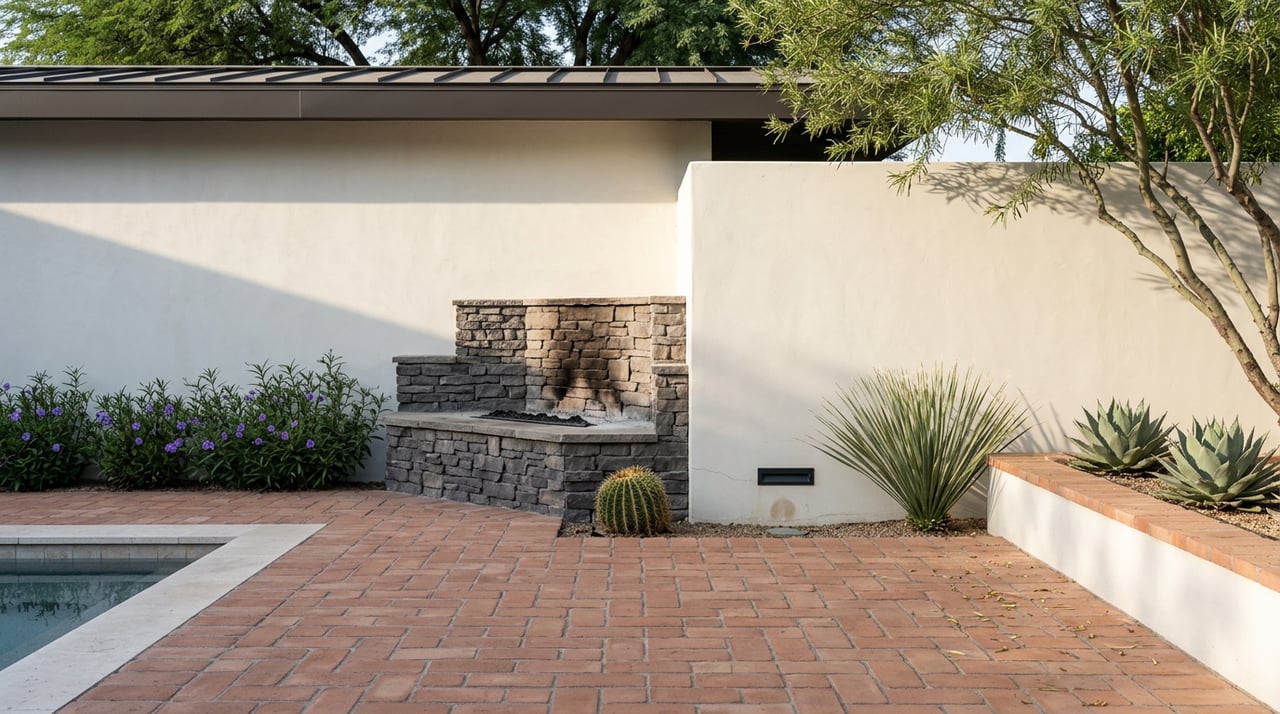
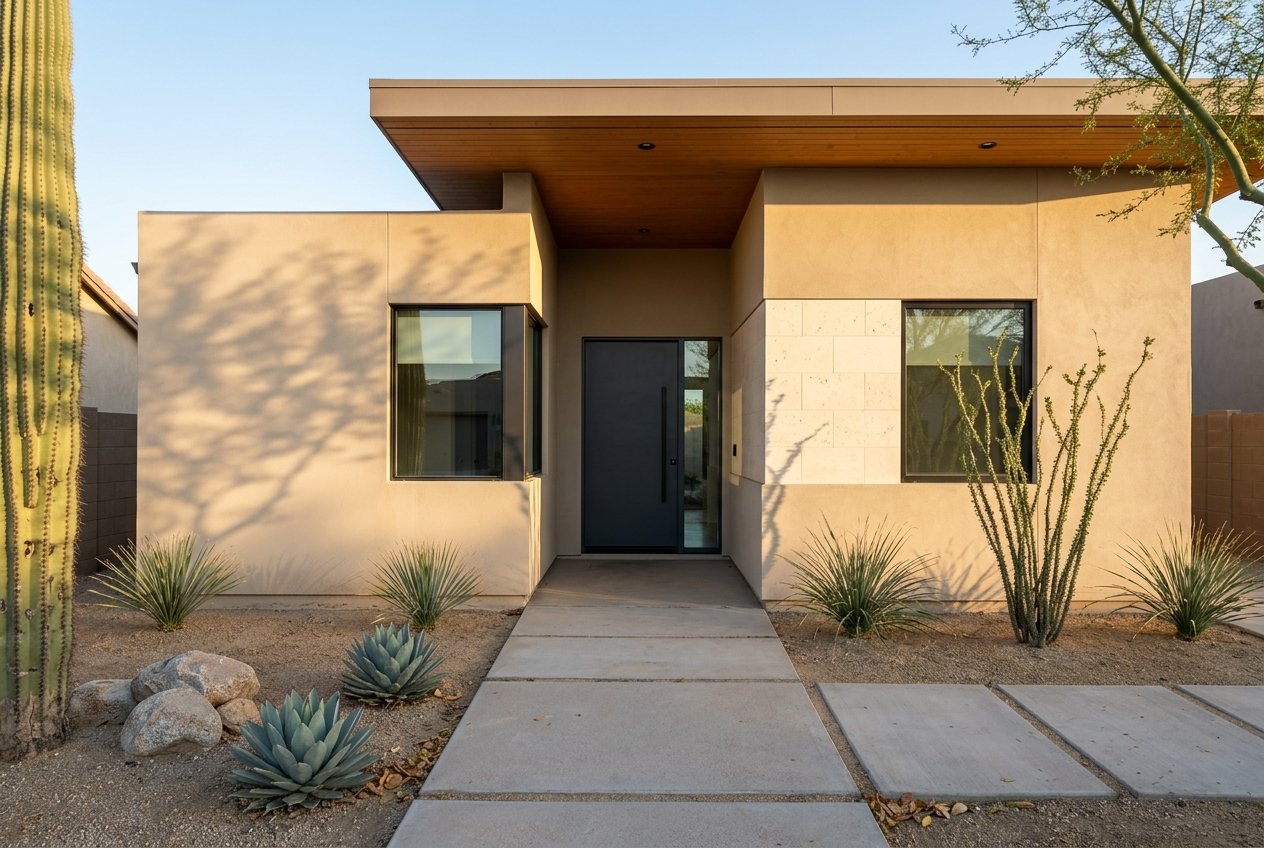
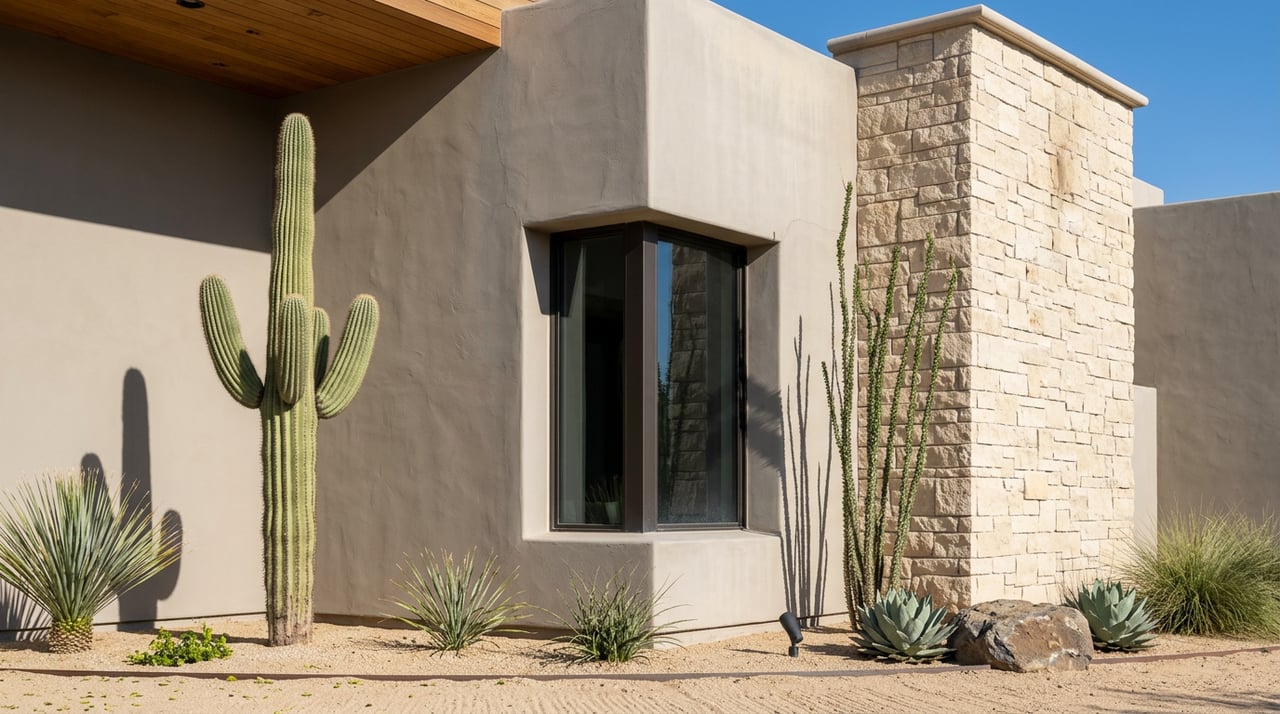
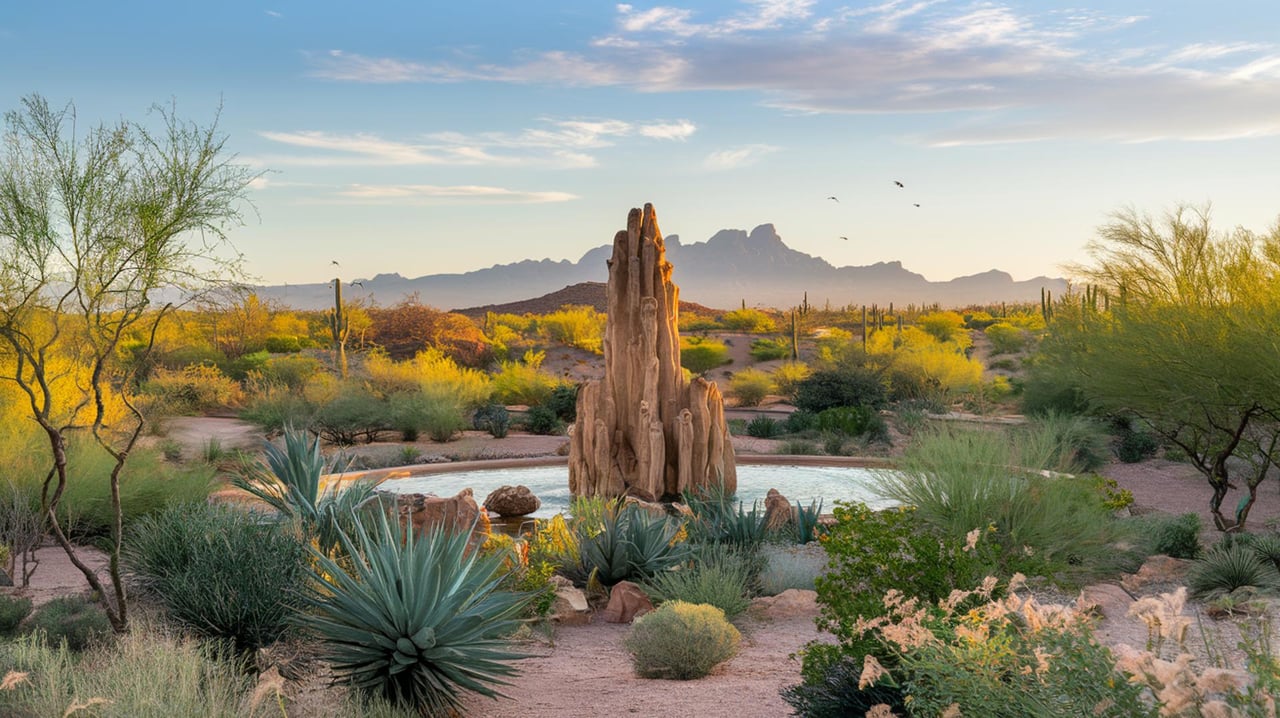
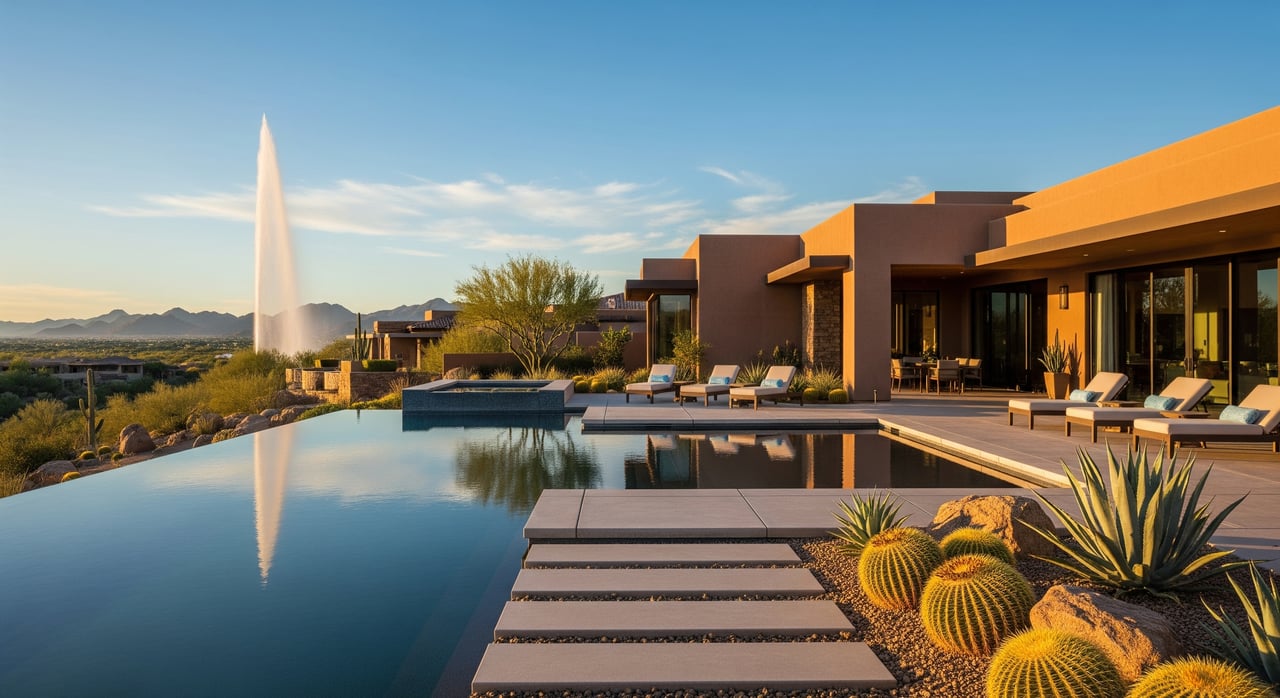
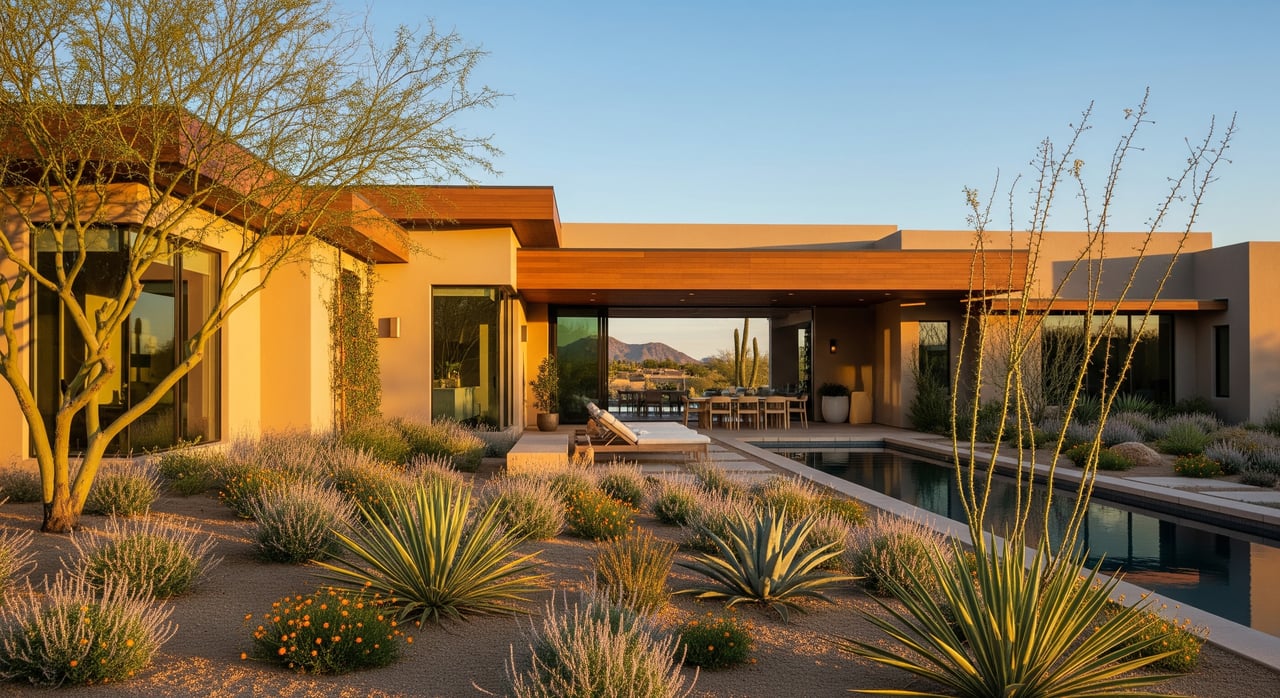
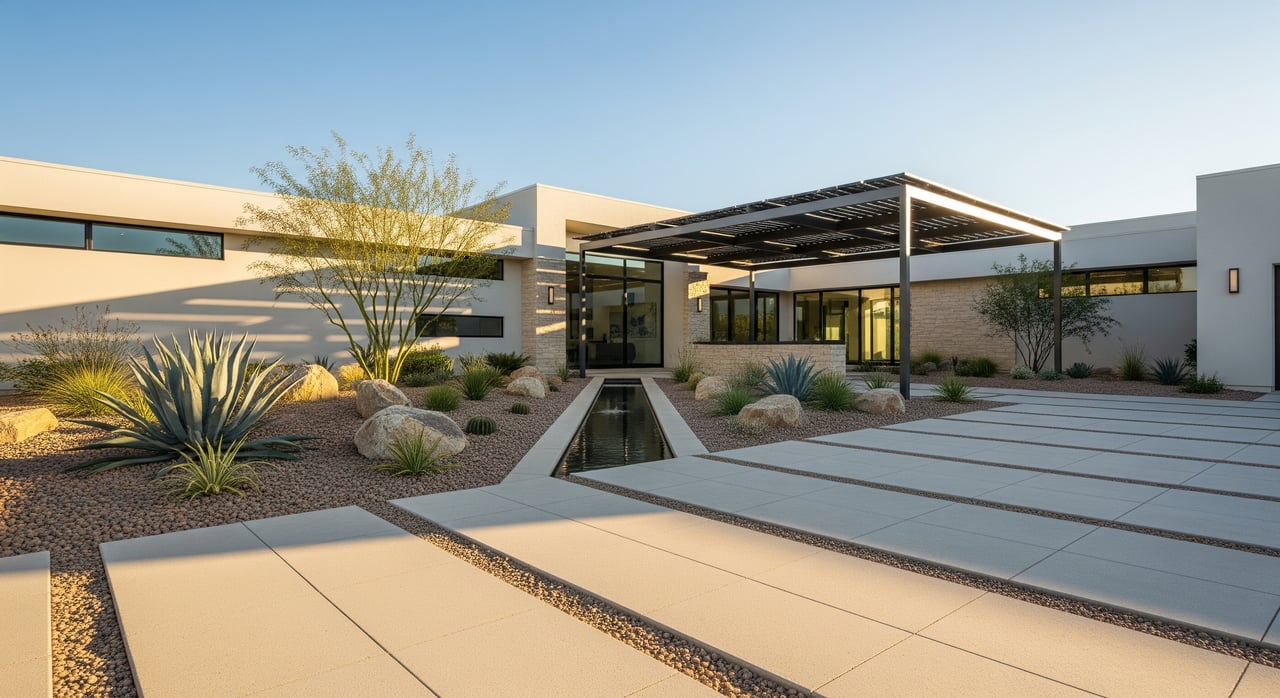
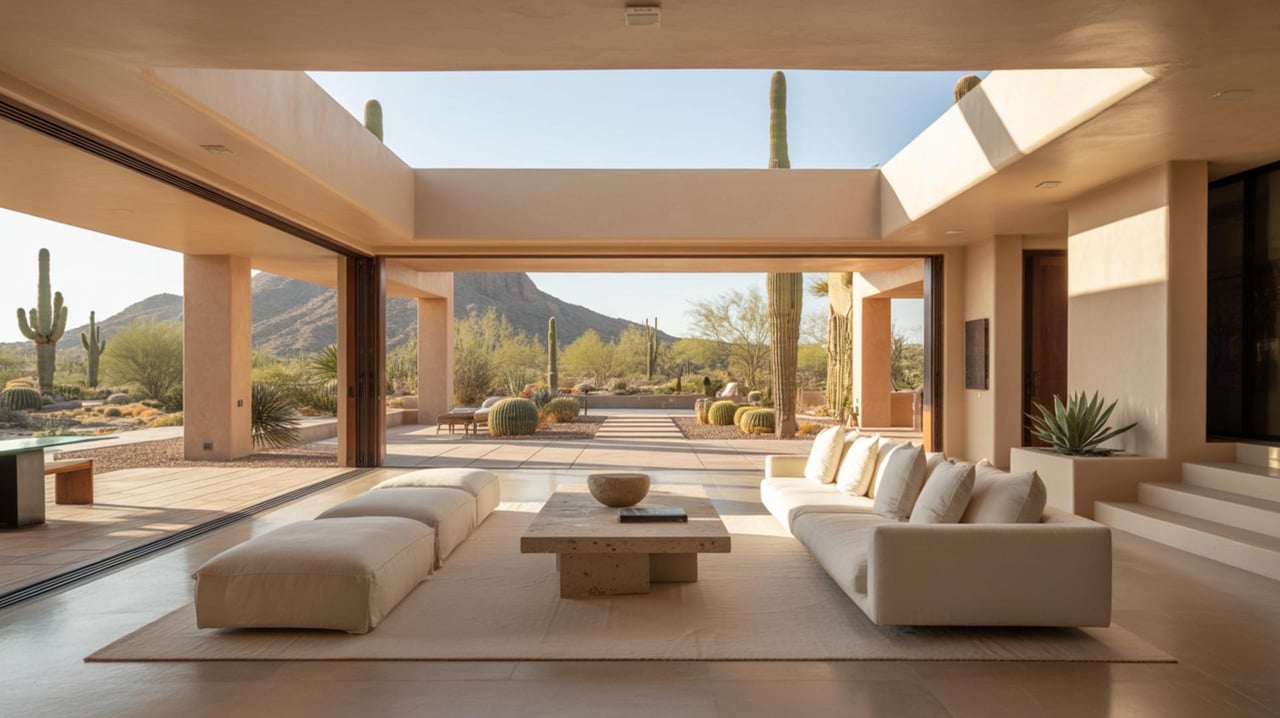
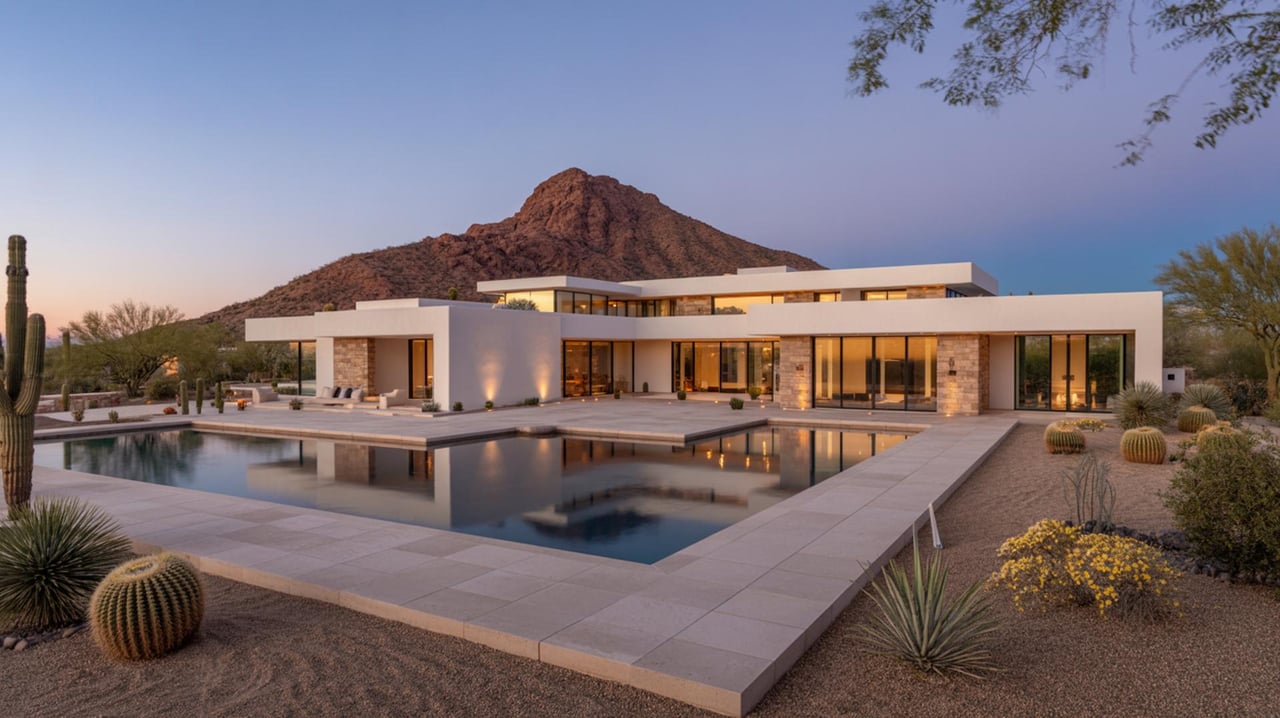
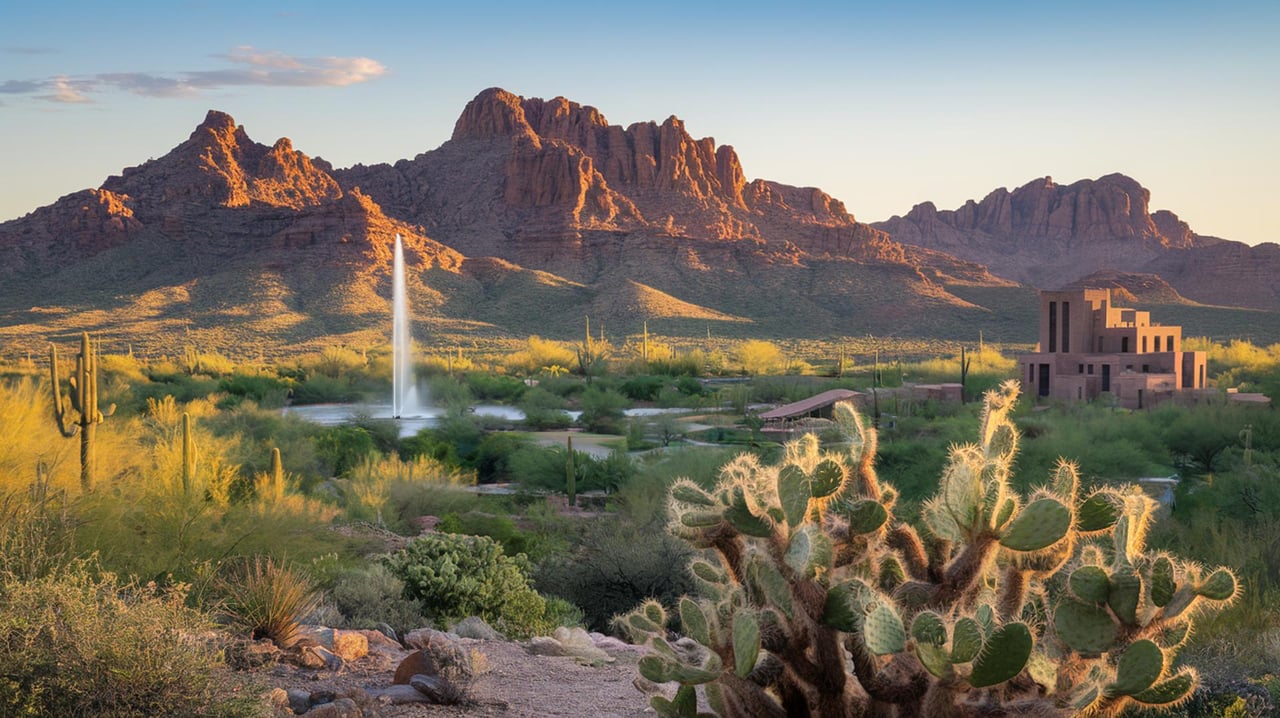
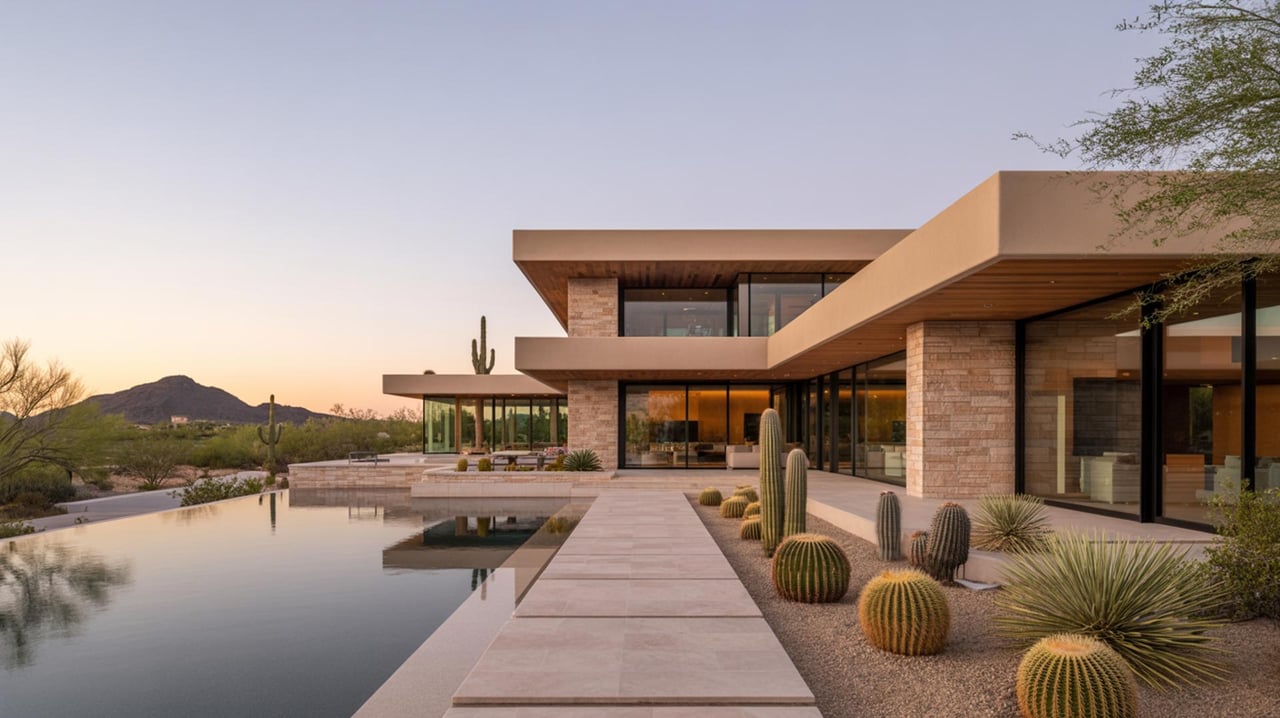
What stands out most is the setting. Official town materials emphasize desert scenery, mountain views, and a strong sense of place rather than a dense urban feel, which shapes how the community looks and functions day to day.
At the center of town life, you will find Fountain Park and the Avenue of the Fountains. These landmarks give Fountain Hills a visual and social focal point that feels different from many nearby suburbs.
Fountain Hills Lifestyle and Atmosphere
If you prefer a quieter home base, Fountain Hills may appeal to you right away. The community leans more residential than retail-heavy, which can make it feel calmer and more separate from the busier pace of other East Valley locations.
That separation is part of the appeal for many buyers. Instead of a dense, highly commercial environment, you get a town where the landscape and neighborhood setting play a bigger role in daily life.
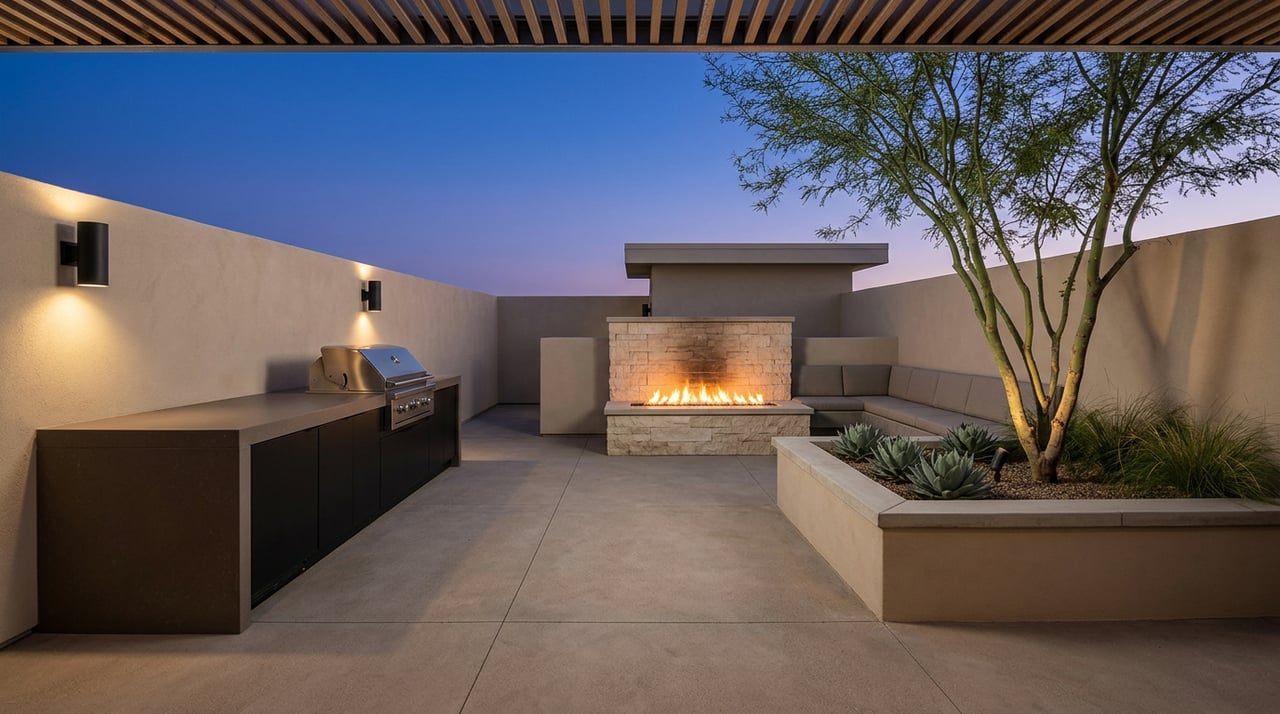
This does not mean there is nothing to do. It means the rhythm is different, with more emphasis on parks, trails, events, art, and community gathering spaces.
Outdoor Recreation Is a Major Draw
For many buyers, outdoor access is one of Fountain Hills’ biggest strengths. The town reports 119 acres of developed parks, anchored by Fountain Park, which includes the lake, turf, amphitheater, splash pad, and disc golf.
The fountain itself is also part of everyday life here. It normally runs every hour from 9 a.m. to 9 p.m., adding to the town’s landmark appeal and giving the central park area a memorable sense of place.
If hiking and trail access matter to you, Fountain Hills offers strong options. Major trail access points at Golden Eagle and Adero Canyon connect residents to the McDowell Mountains and the broader preserve network.
The town is also working on connected walking and biking facilities through its active transportation planning. For you, that can mean better neighborhood paths and more ways to enjoy the outdoors close to home.
Arts and Community Events Add Character
Fountain Hills is not just about scenery. The town says it has more than 150 pieces of public art, including self-guided art walks through downtown and Fountain Park.
That public art presence adds another layer to the community experience. If you enjoy towns that feel curated and visually interesting, this can be a meaningful part of daily life.
Community programming also plays a role. The Community Center offers classes, discussion groups, exercise programs, travel opportunities, and other activities, while town event pages show recurring events such as Fourth at the Fountain and seasonal programming.
Housing Options in Fountain Hills
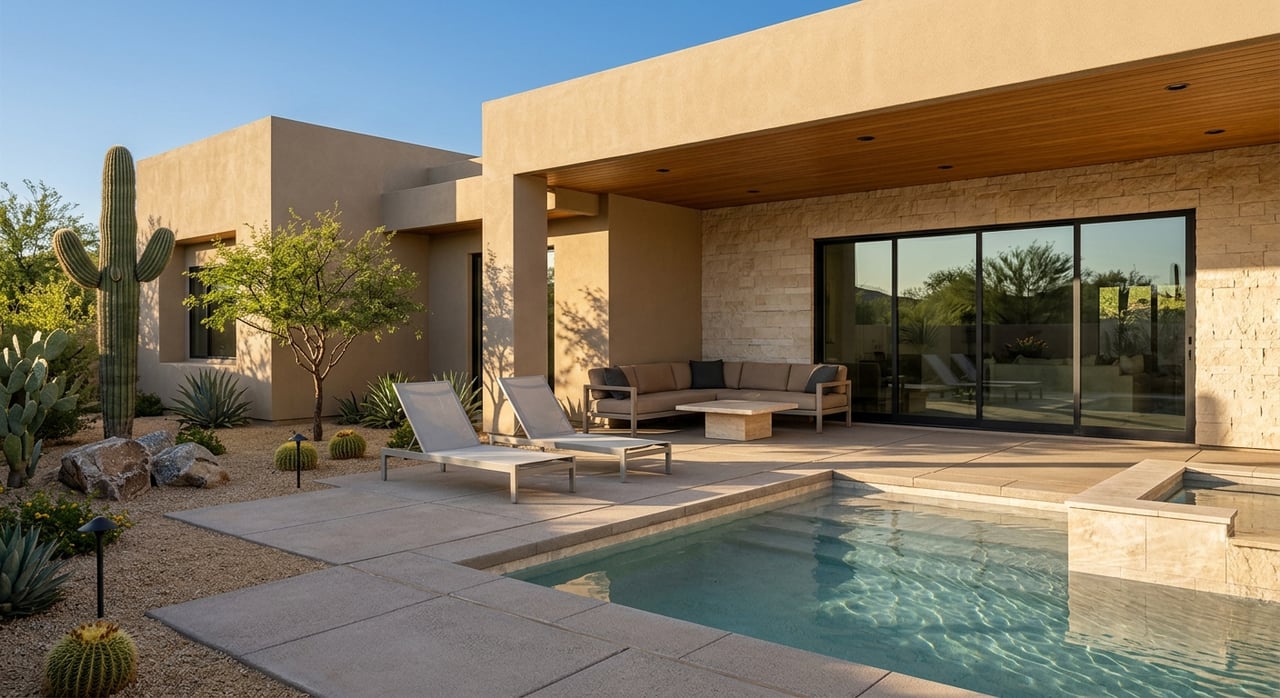
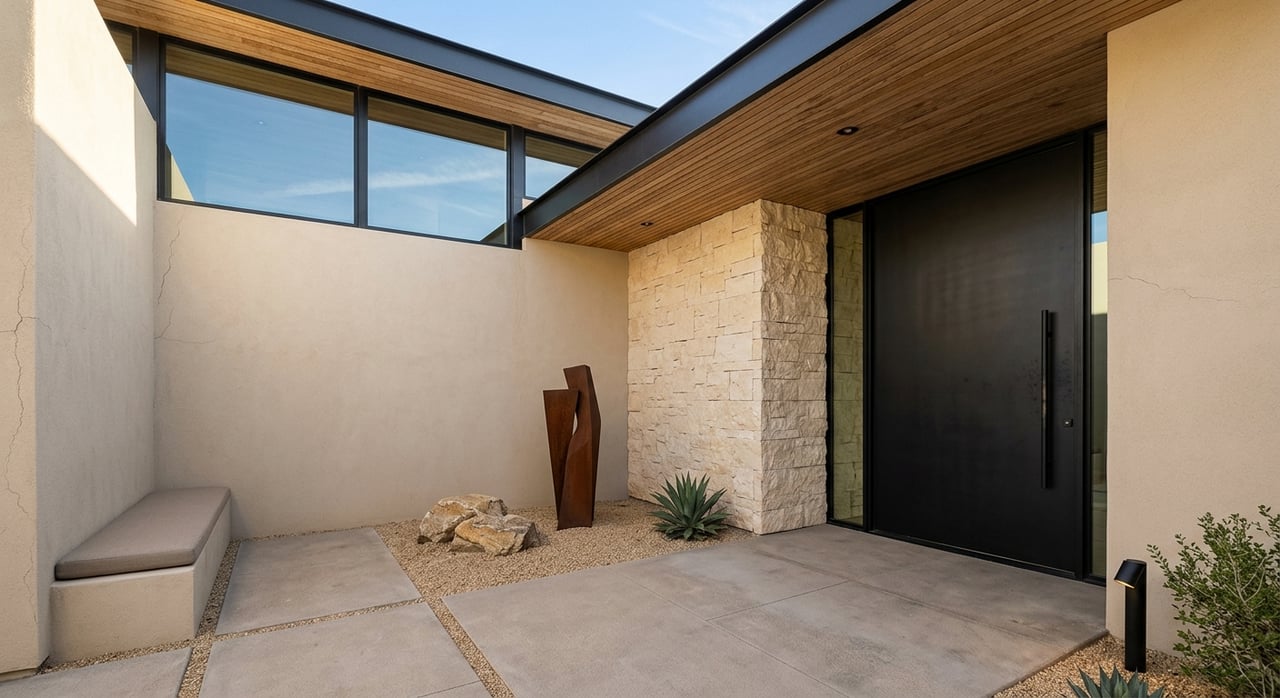
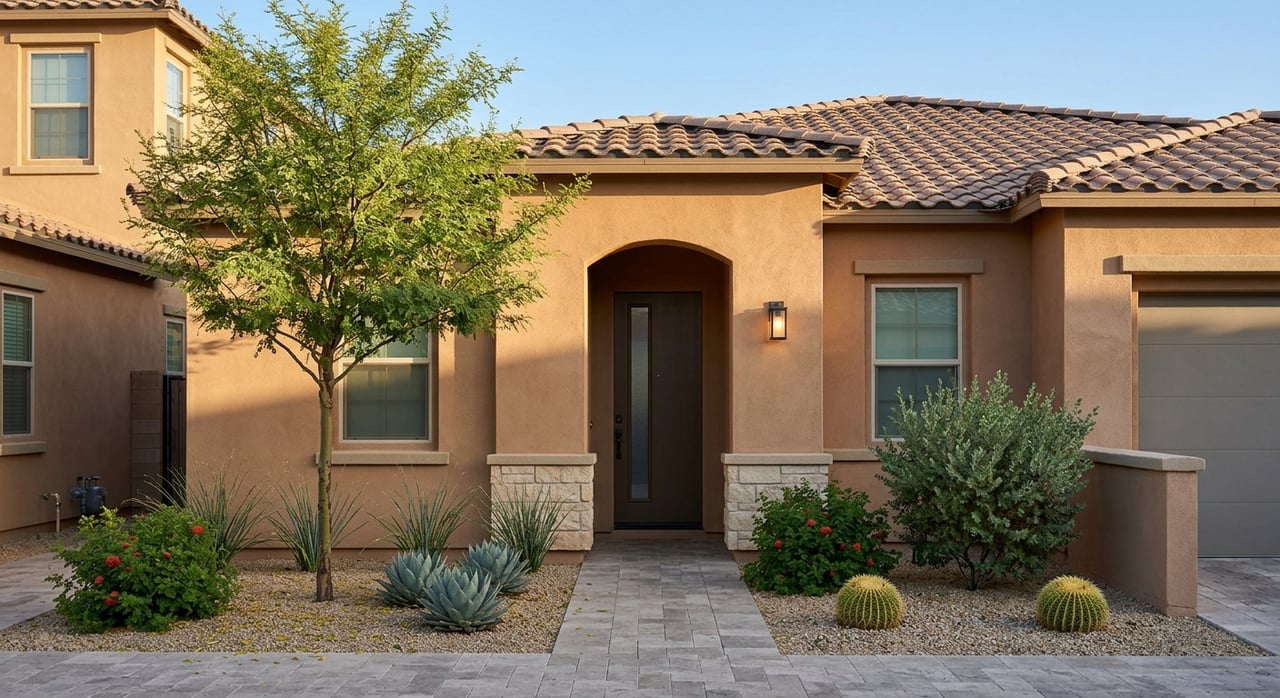
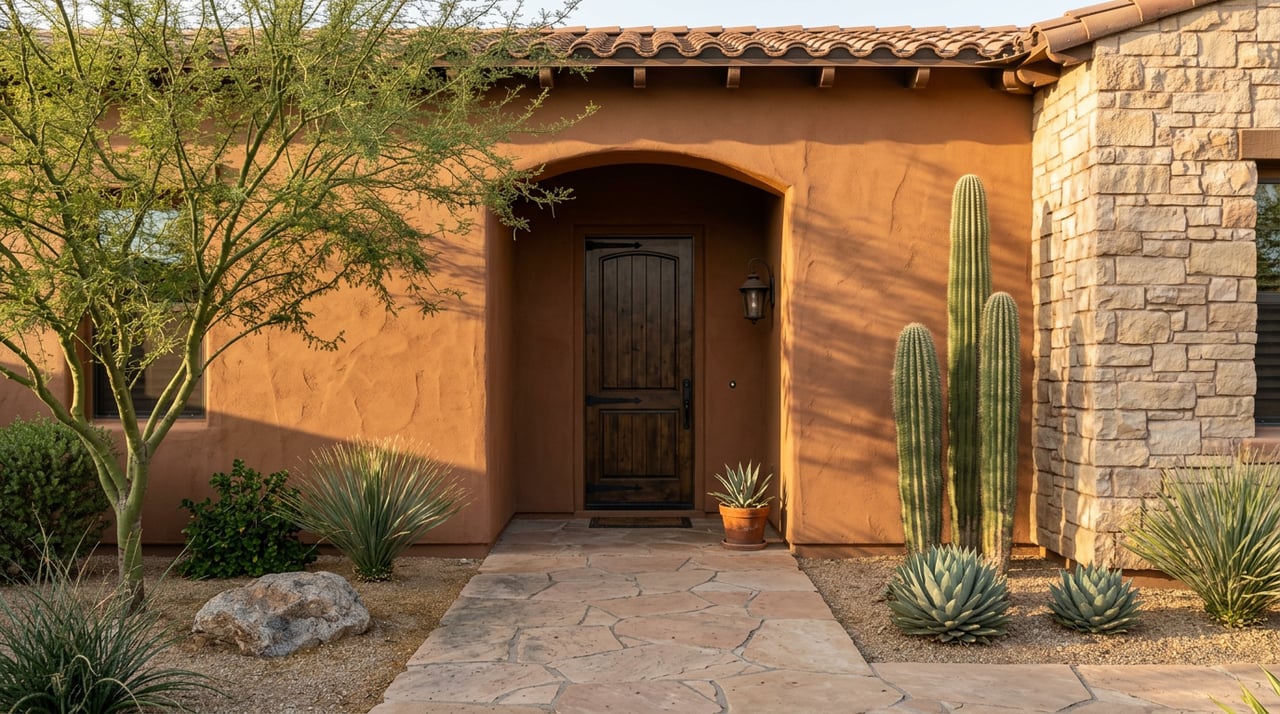
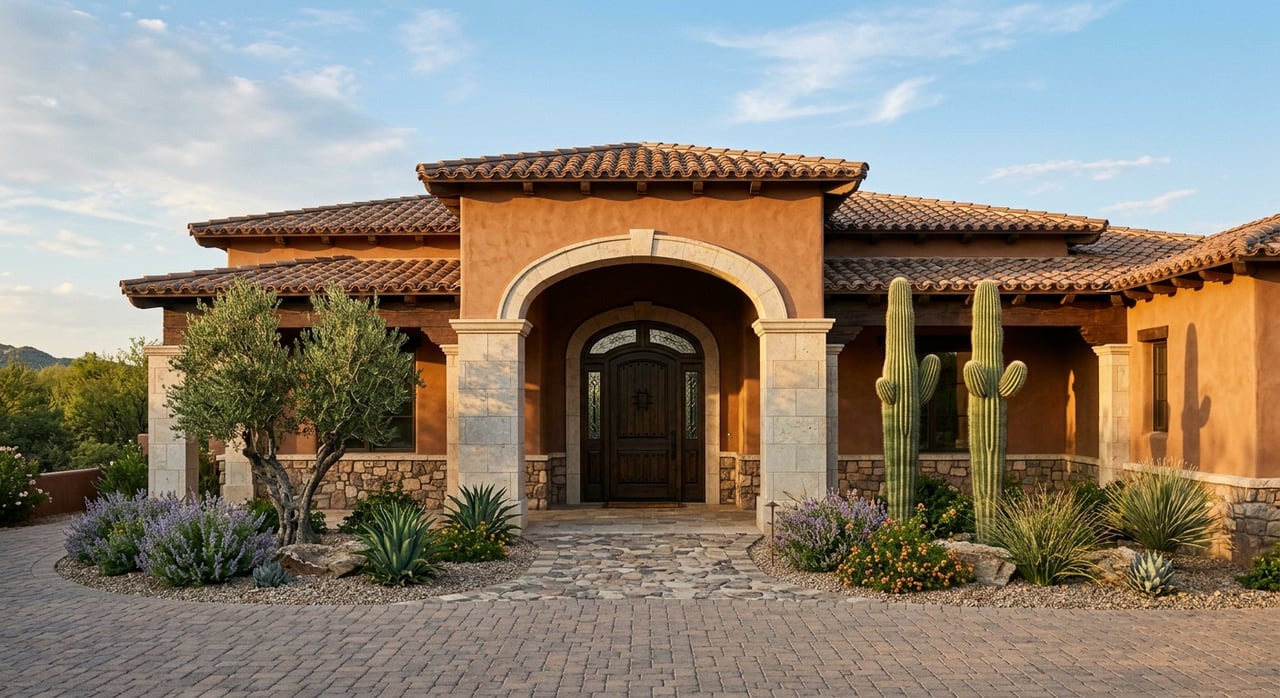
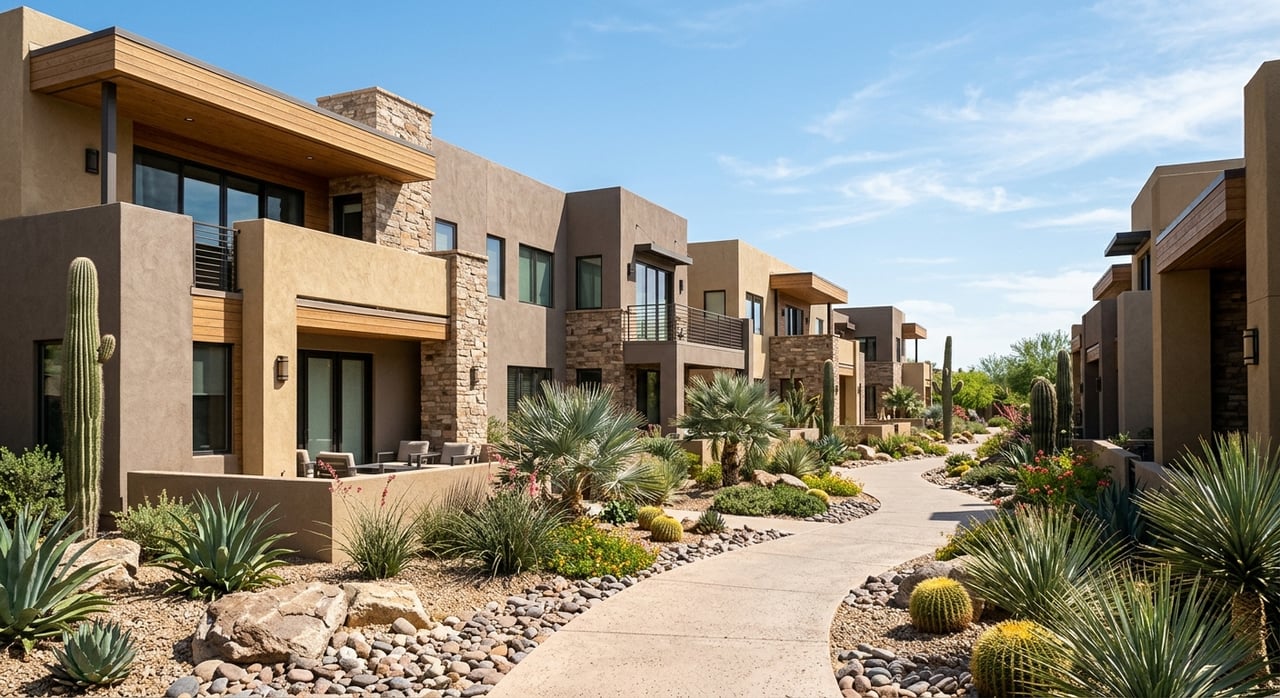
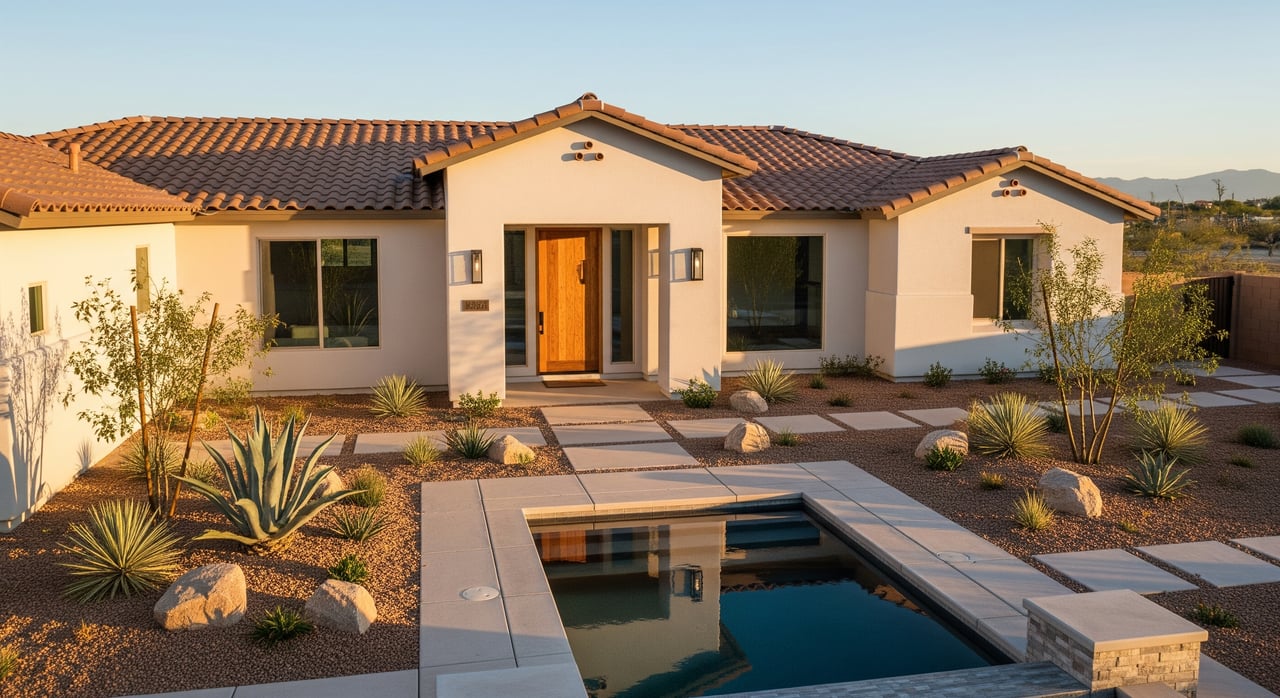
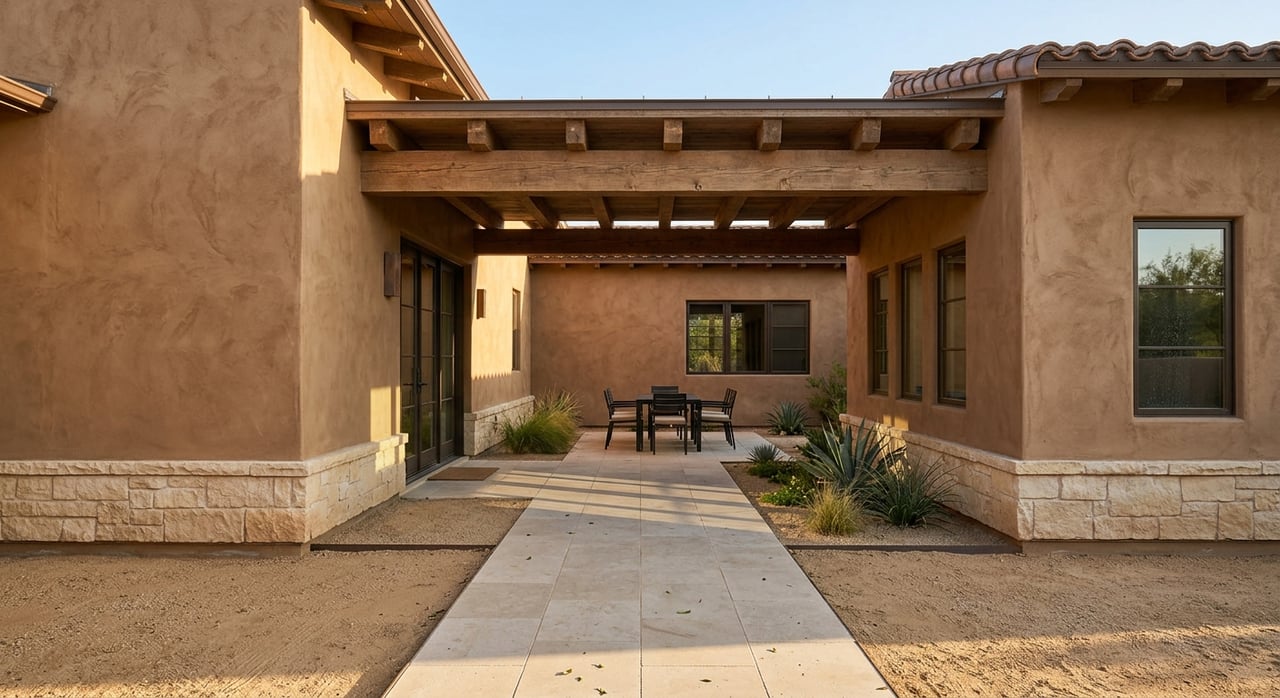
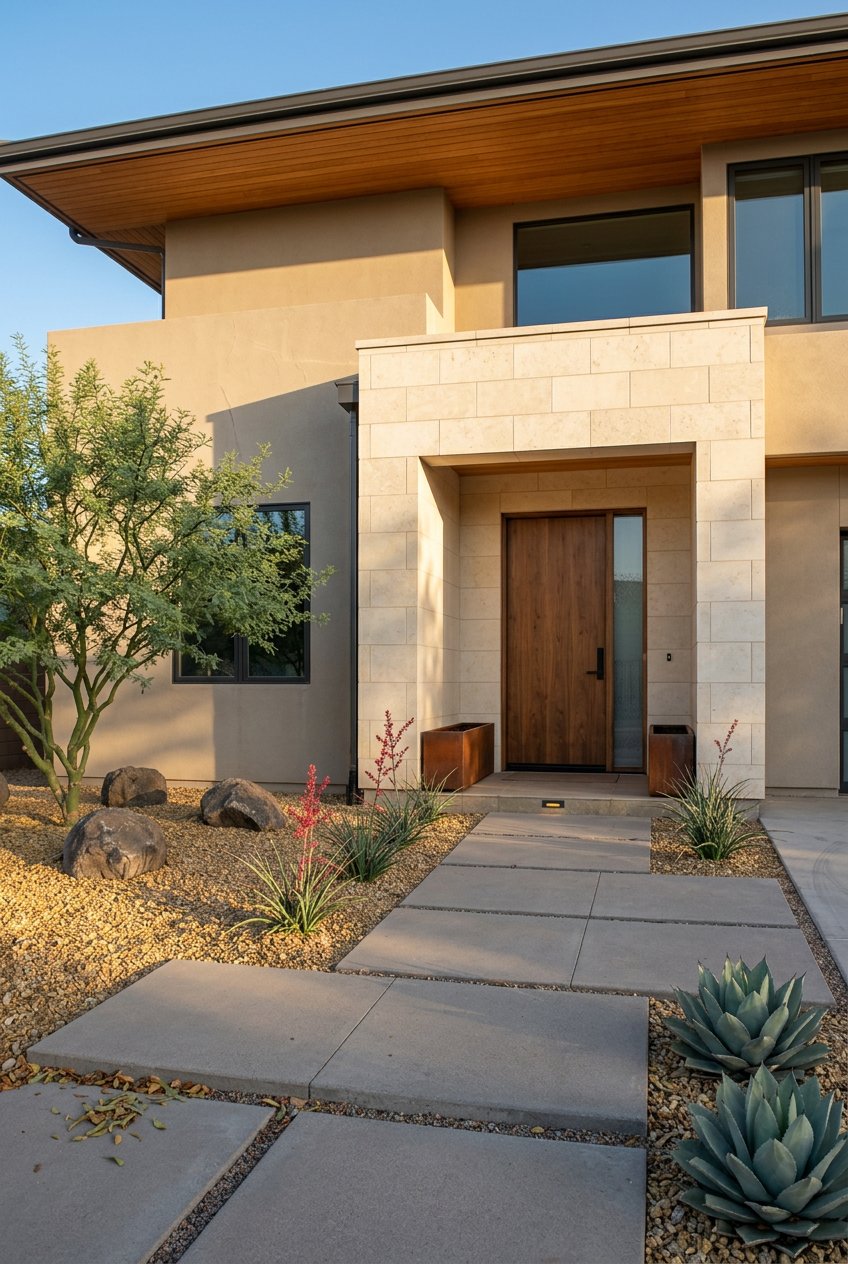
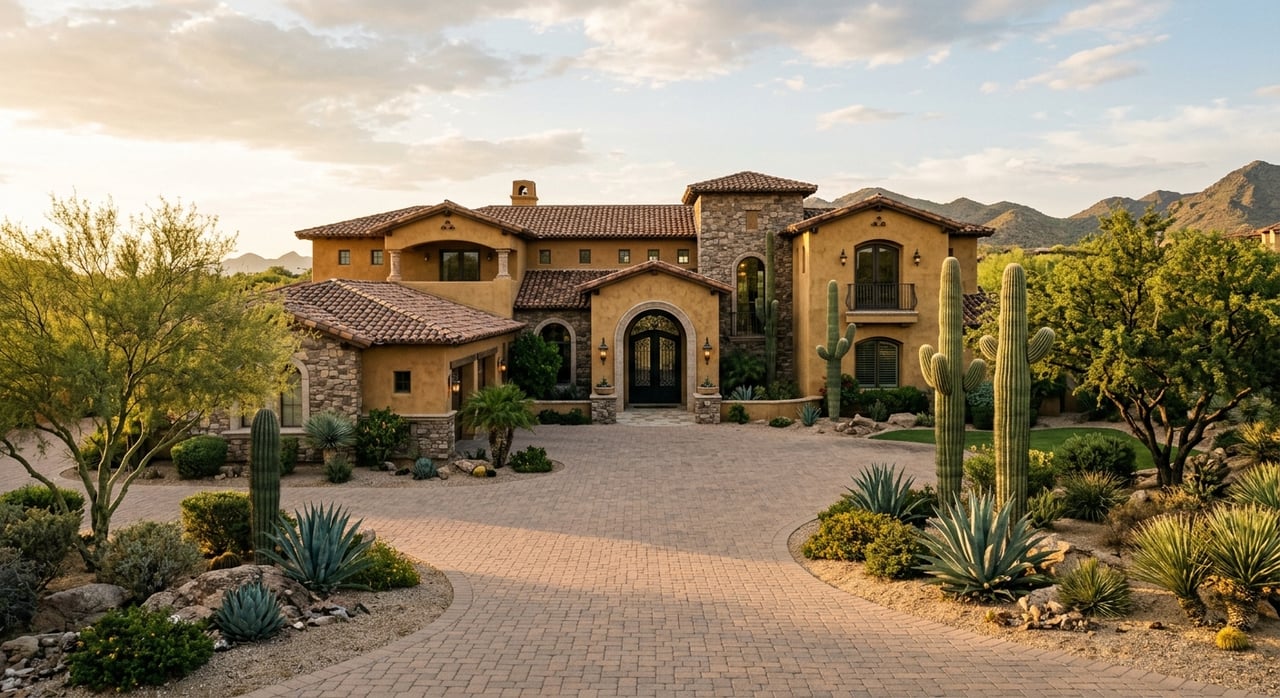
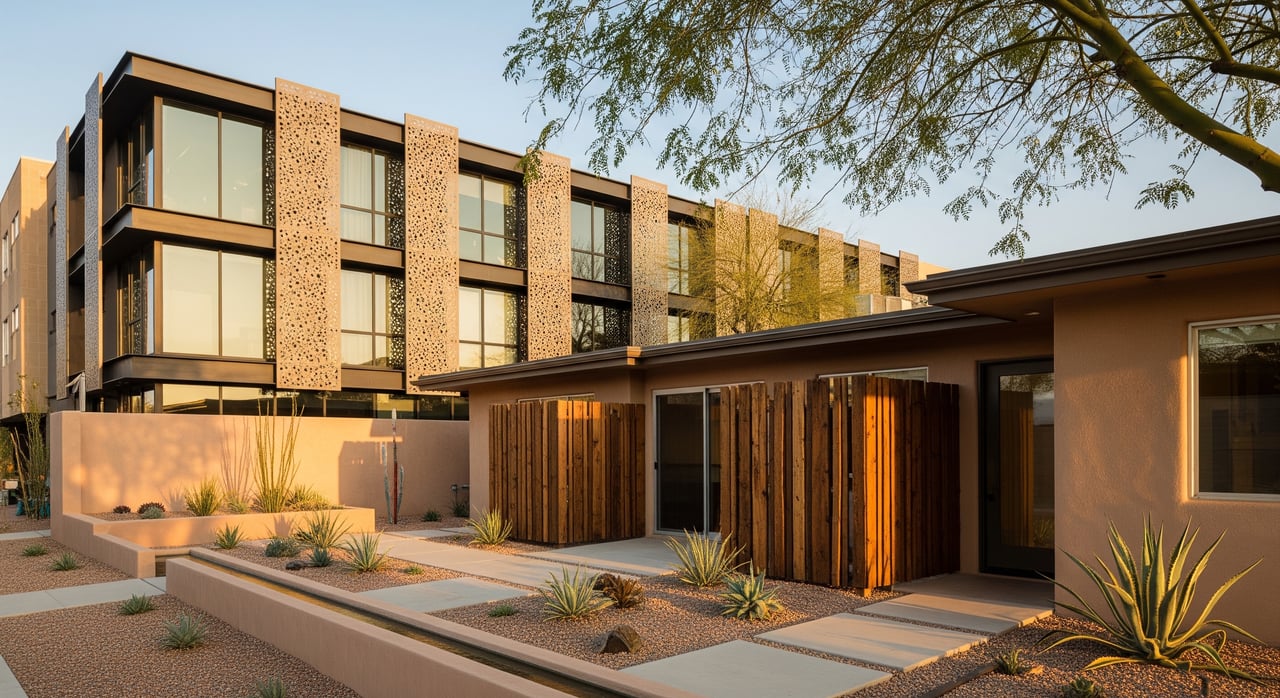
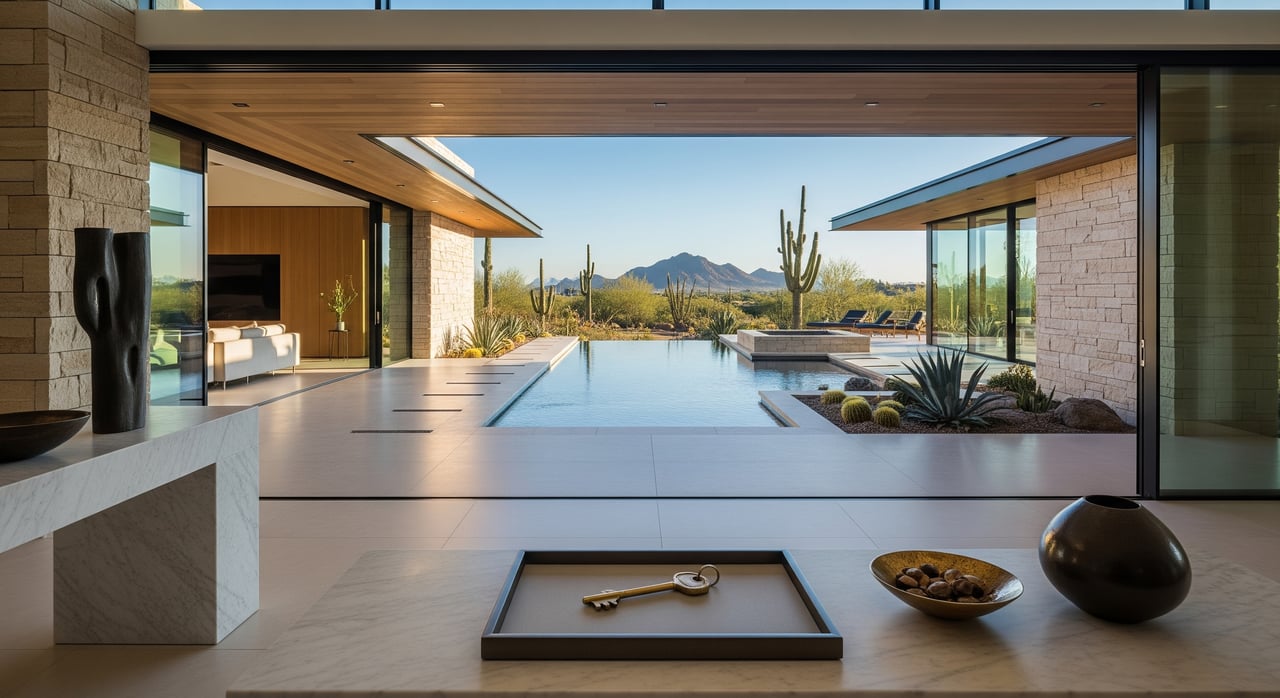
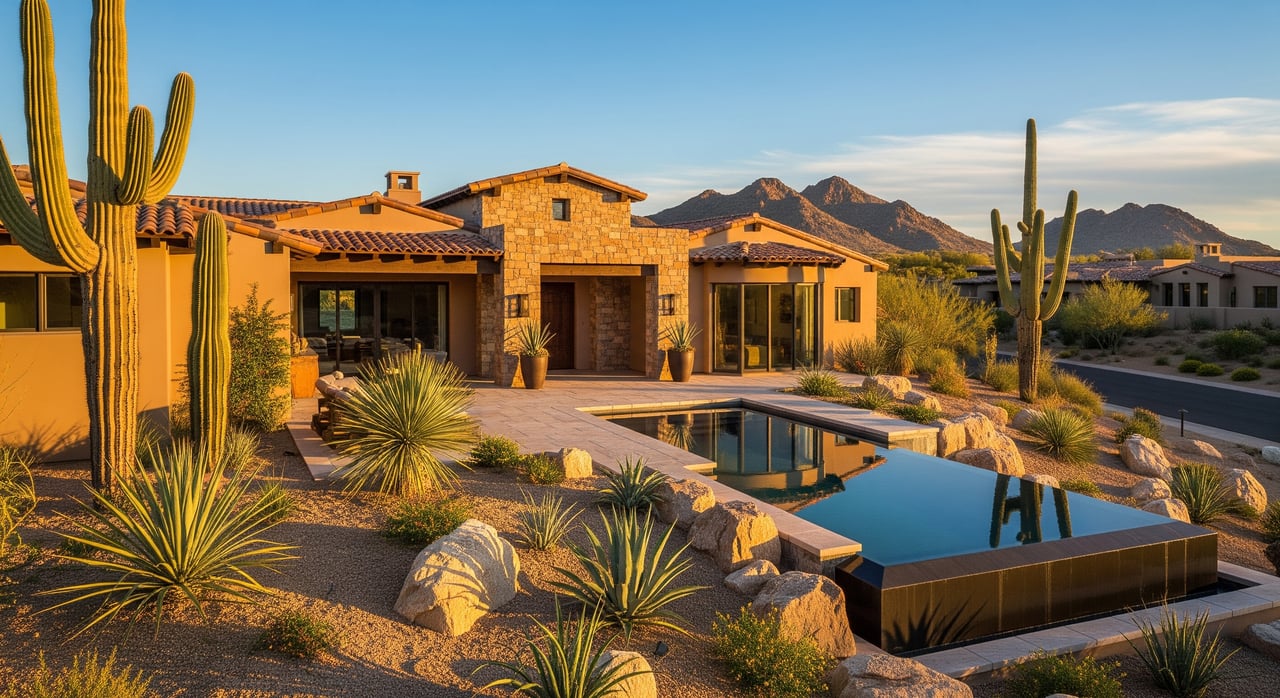
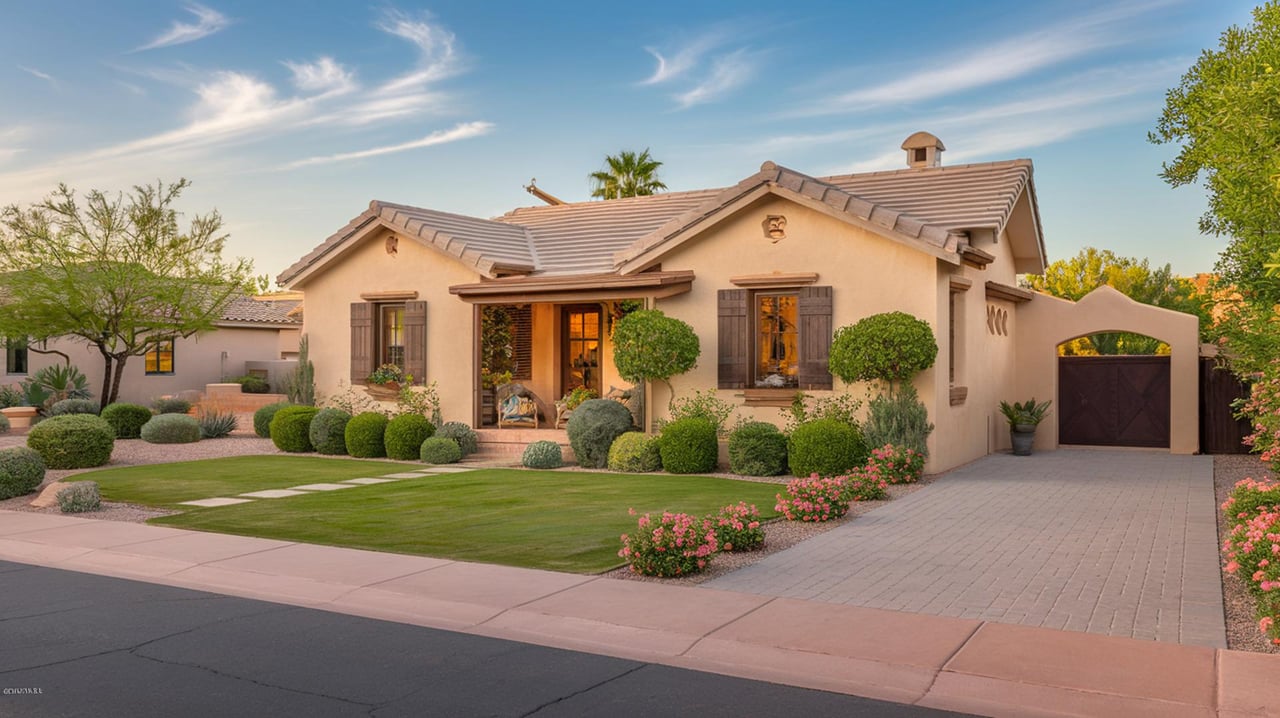
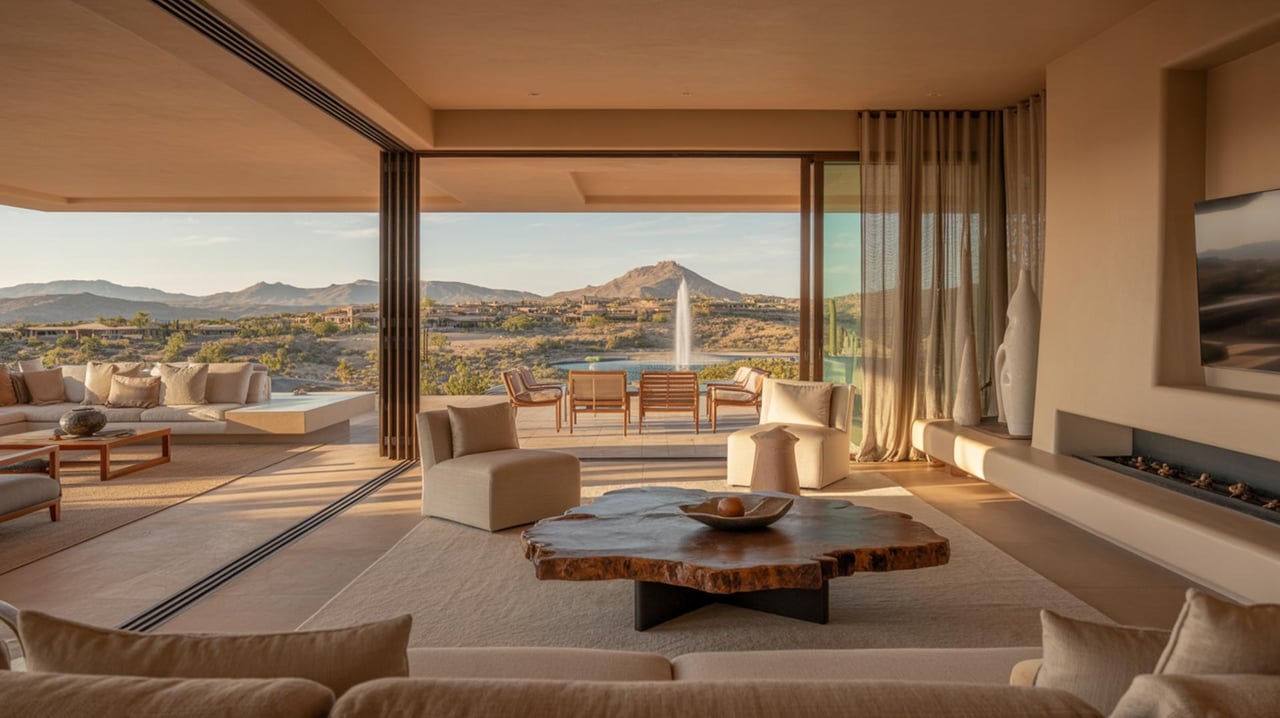
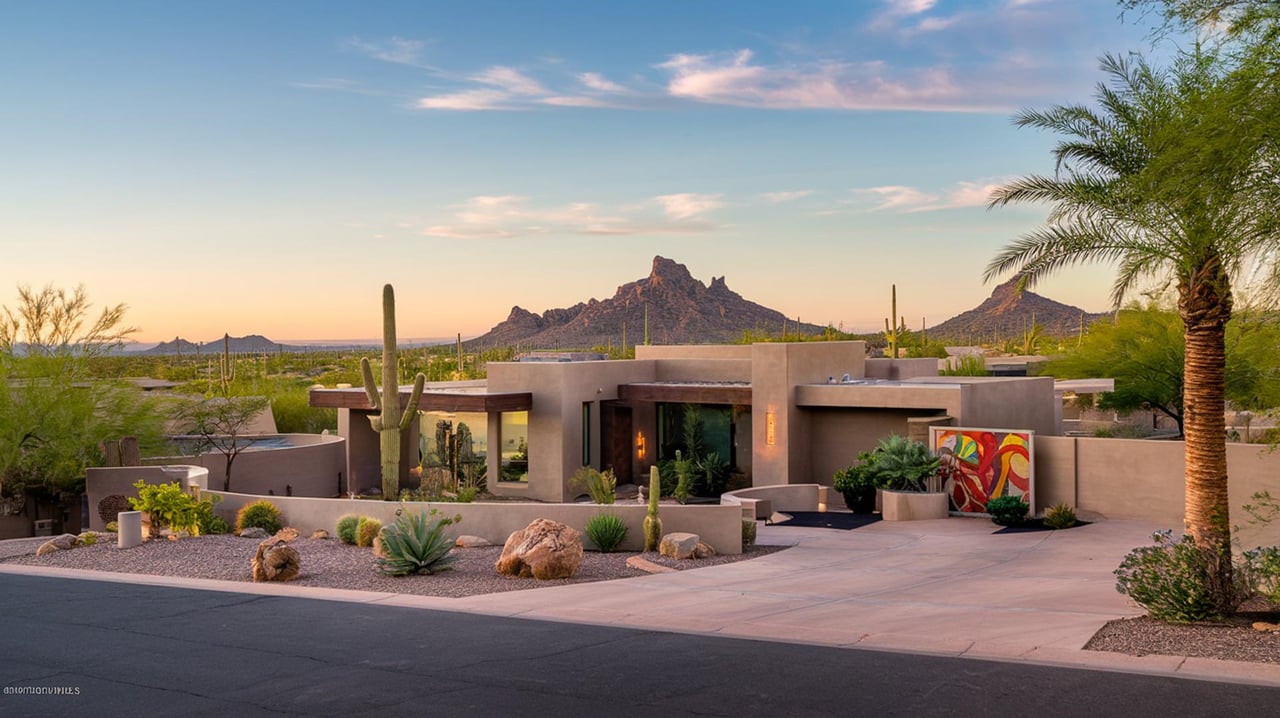
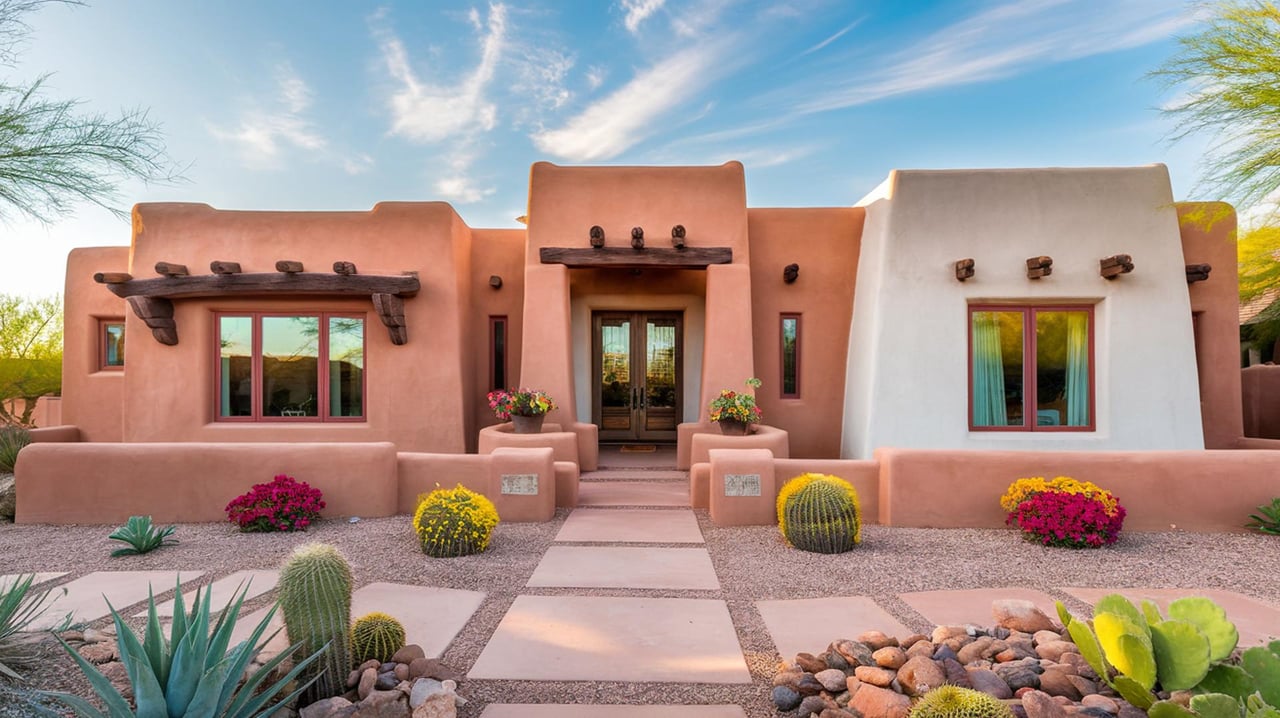
Fountain Hills offers a range of housing types, which can be helpful if you are comparing price points or life stages. According to the town, living options range from small condominium complexes to large custom homes.
The community is primarily residential, with a smaller commercial footprint. In practical terms, that often means you will see more detached homes and custom-home neighborhoods, while condos, townhomes, and multifamily options are available but less dominant.
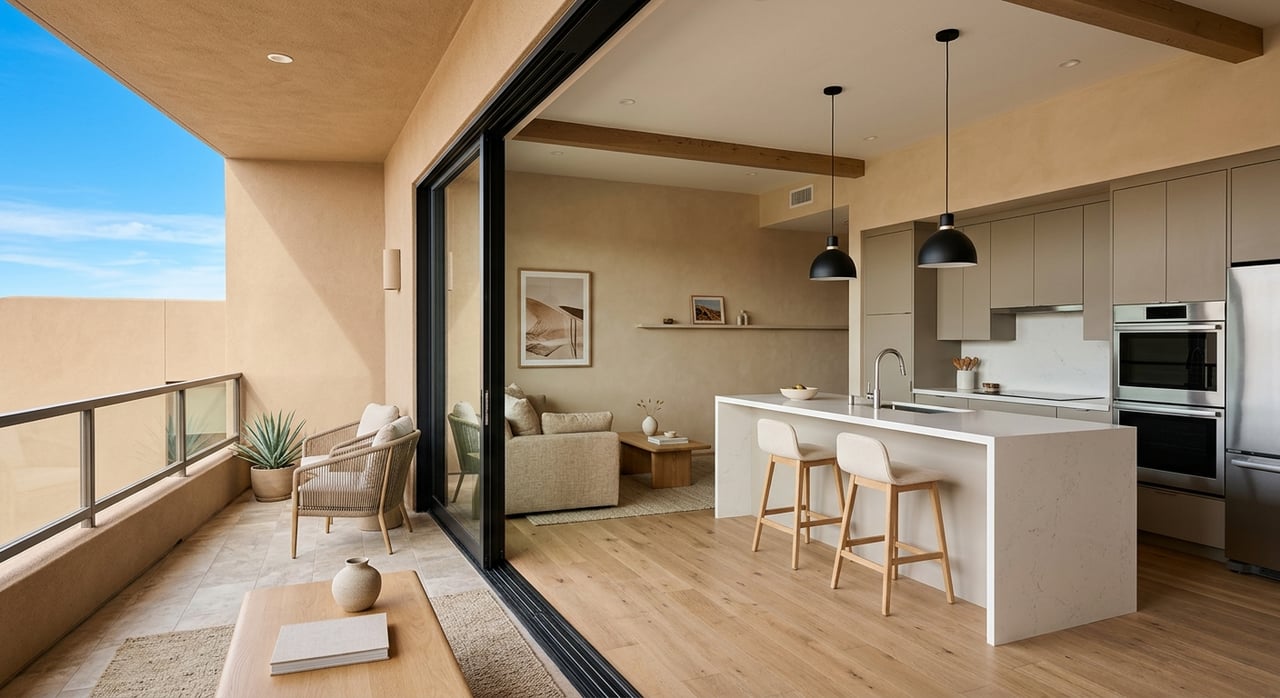
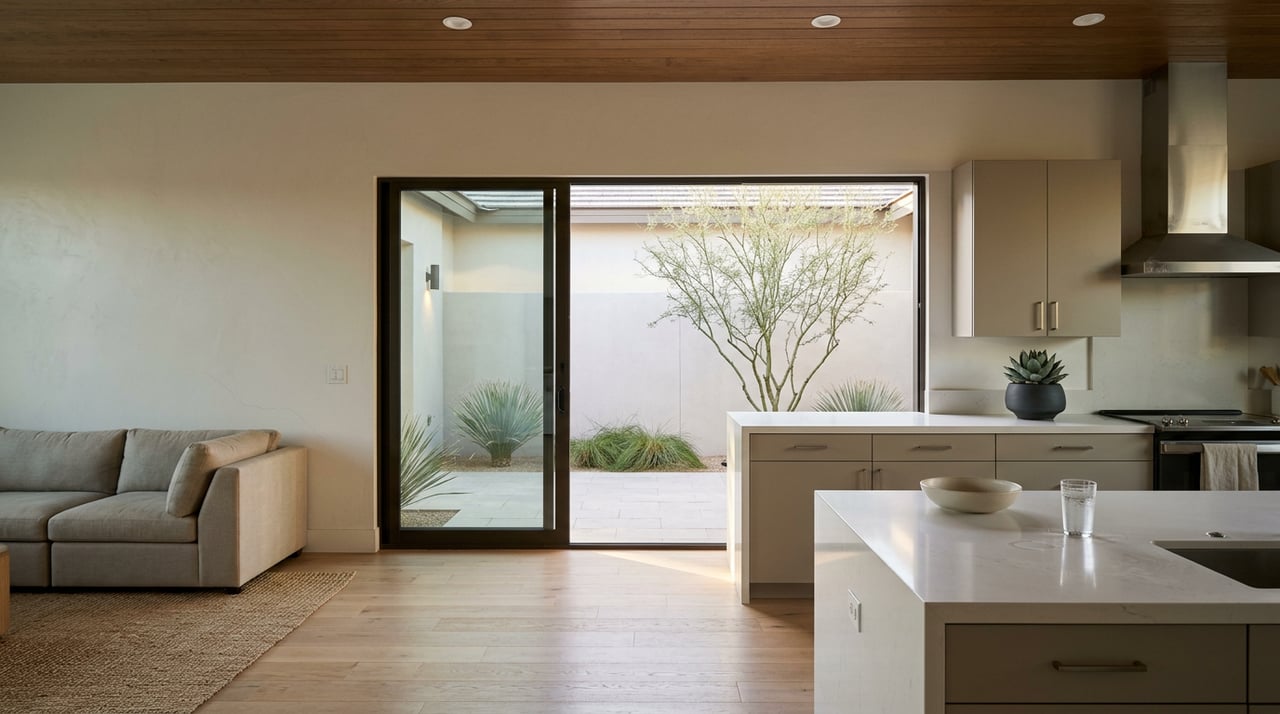
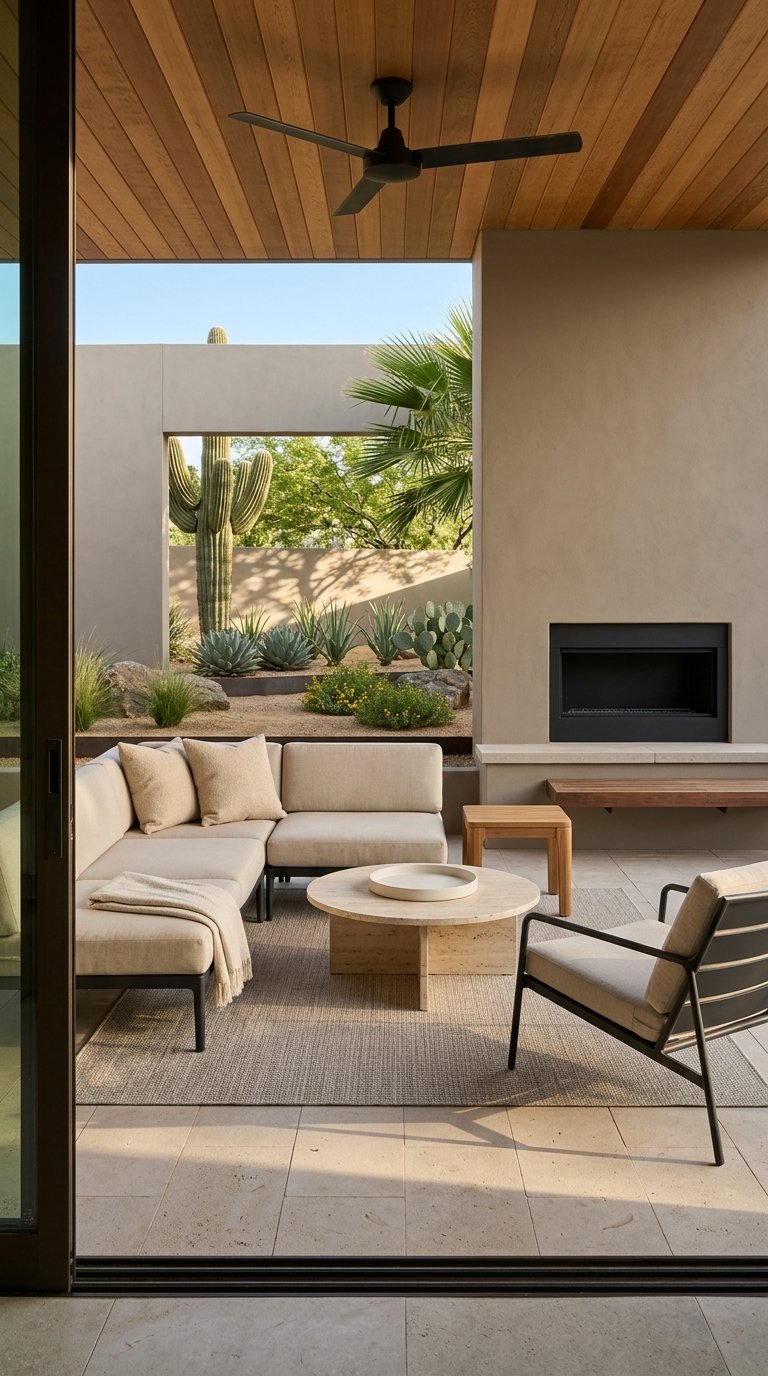
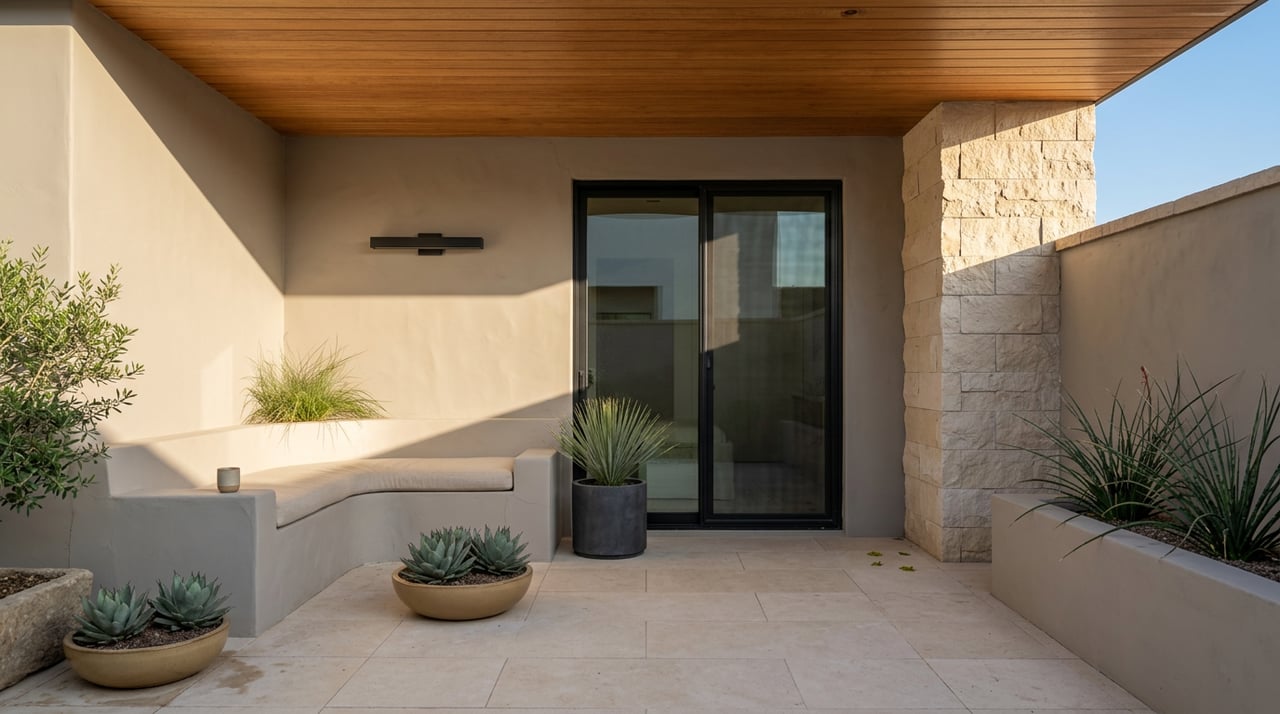
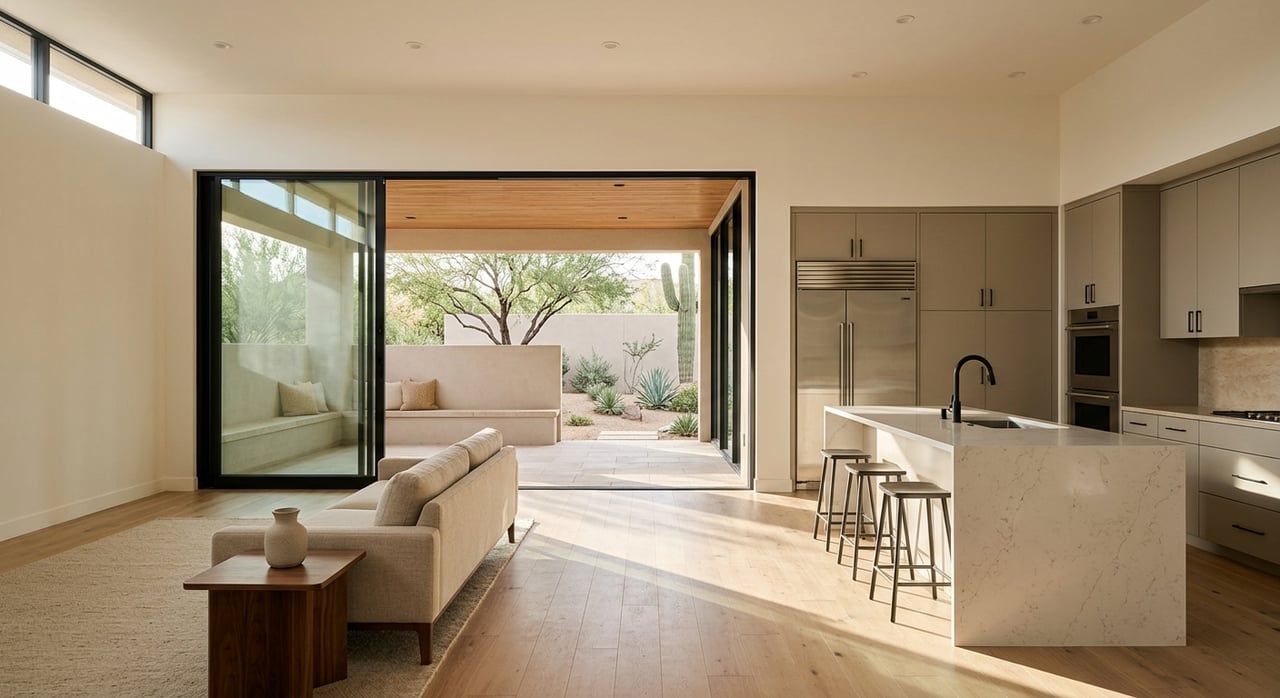
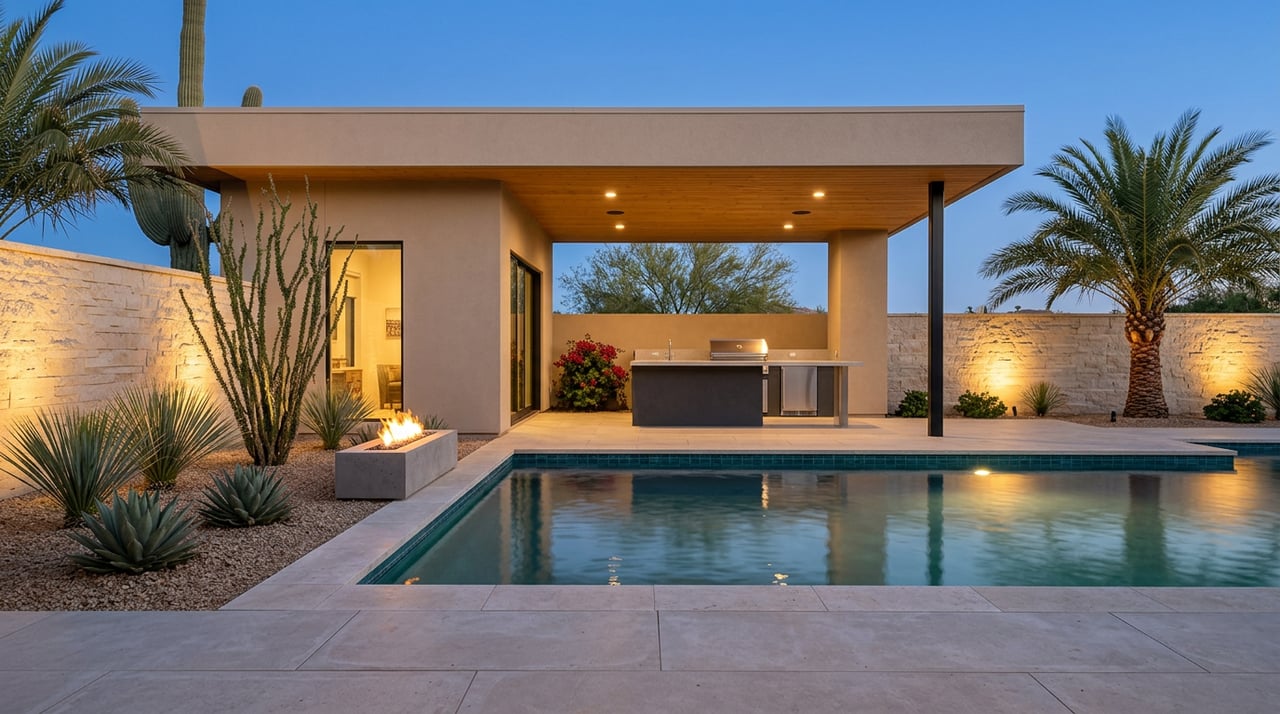
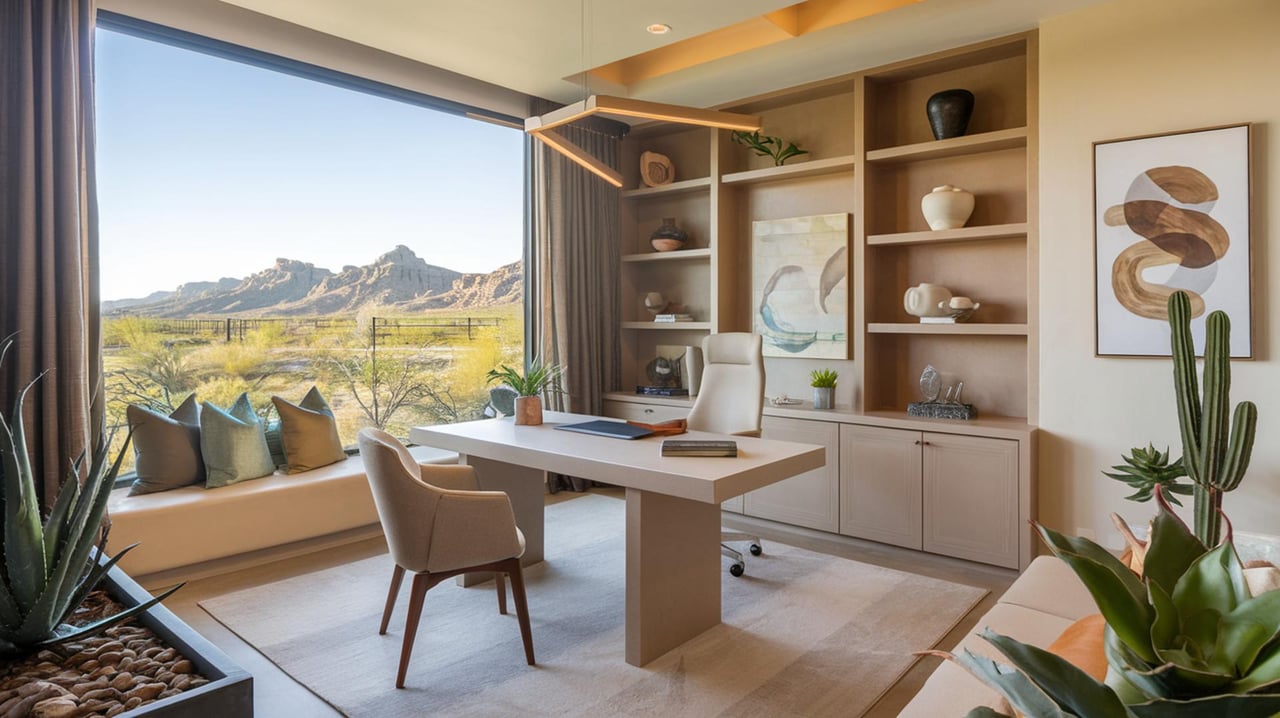
This mix can work for several kinds of buyers. You may be looking for a lock-and-leave condo, a move-up single-family home, or a custom property with more space and views.
Downtown Is Evolving
One important update for buyers is that downtown Fountain Hills is changing. In April 2026, the town adopted a Downtown Overlay District intended to bring more dining, retail, and entertainment to the Avenue of the Fountains.
The overlay also allows some additional housing opportunities above commercial space. That means the downtown core is becoming more mixed-use, even though the town as a whole still keeps its residential character.
If you like the idea of a community with a traditional center that is gradually becoming more active, this is worth watching. If you want a fully built-out urban environment today, Fountain Hills may still feel quieter than you expect.
Commute and Daily Convenience
The biggest trade-off for many buyers is convenience. Town planning materials point to Shea Boulevard as the main westbound connection to Scottsdale and State Route 87 as the route toward Mesa and other East Valley destinations.
That limited regional access helps preserve Fountain Hills’ separate identity, but it can also affect your day-to-day routine. In practical terms, Fountain Hills often works best if you are comfortable driving for work, errands, dining, and nightlife.
Public transit is available, but it is limited. Valley Metro lists Express Route 515 connecting the Fountain Hills Park-and-Ride with the Gilbert Rd/McDowell Rd Park-and-Ride, and RideChoice service is also listed for qualifying residents.
For most buyers, the real question is simple. Do you want a more scenic, quieter, car-oriented home base, or do you want faster freeway access and denser retail and transit options?
Who Fountain Hills Fits Best
Fountain Hills can be a strong match if your priorities line up with what the town does best. Buyers who value desert views, mountain access, parks, trails, public art, and a more residential community rhythm often find a lot to like here.
It can also appeal if you want housing choices that range from condos to custom homes. That variety gives you room to search based on lifestyle, maintenance preferences, and long-term goals.
On the other hand, Fountain Hills may be less ideal if you want a highly connected urban-suburban environment with extensive transit, major retail concentration, or shorter access to a wide range of employment centers. The town’s strengths are clear, but so are its trade-offs.
Questions to Ask Before You Move
Before deciding, it helps to think through how Fountain Hills fits your routine. A beautiful setting matters, but your daily logistics matter too.
Ask yourself a few practical questions:
- How important is quick access to major work hubs?
- Do you prefer trails, parks, and open views over dense shopping and entertainment?
- Would you enjoy a quieter residential setting?
- Are you comfortable with a car-oriented lifestyle?
- Do you want a condo, townhome, single-family home, or custom property?
- Are you interested in a downtown area that is evolving rather than fully built out?
Your answers can tell you a lot. The right move is rarely about one feature alone. It is about whether the full lifestyle picture matches what you want next.
Final Thoughts on Fountain Hills
Fountain Hills offers a very specific kind of living experience in Greater Phoenix. It stands out for scenery, trail access, Fountain Park, public art, and a community-centered feel that is more residential than many East Valley alternatives.
If that sounds like your pace, Fountain Hills may be the right fit for your next move. And if you want help comparing neighborhoods, housing options, or the pros and cons of Fountain Hills versus nearby areas, working with a local expert can make the decision much clearer.
When you are ready for personalized neighborhood insight and concierge-style guidance, reach out to Kayla Kerulis.
FAQs
Is Fountain Hills a good place to live for outdoor lovers?
- Yes. Fountain Hills offers 119 acres of developed parks, major trail access at Golden Eagle and Adero Canyon, and a strong connection to the McDowell Mountains and preserve network.
Is Fountain Hills more urban or suburban?
- Fountain Hills is more suburban and residential in character. Town materials describe it as primarily residential with a smaller commercial footprint than many nearby communities.
What kinds of homes are available in Fountain Hills?
- The town says housing options range from small condominium complexes to large custom homes, with detached homes and custom-home neighborhoods playing a major role in the overall mix.
Is downtown Fountain Hills growing?
- Yes. The Downtown Overlay District adopted in April 2026 is intended to bring more dining, retail, entertainment, and some additional housing opportunities to the downtown core.
Is Fountain Hills a good choice for commuters?
- It depends on your routine. Fountain Hills can work well if you are comfortable driving, but limited regional access is one of the town’s main trade-offs compared with other East Valley locations.
Does Fountain Hills have public transit options?
- Yes, but service is limited. Valley Metro lists Express Route 515 and RideChoice service for qualifying residents.