Looking for a part of Phoenix where your daily routine can feel a little more connected, a little more flexible, and a lot less car-dependent? Central Phoenix stands out because it blends older neighborhood character, urban convenience, and a strong mix of local spots that people actually return to. If you are thinking about living here, this guide will help you understand how the area feels day to day, what getting around looks like, and which housing options may fit your goals. Let’s dive in.
What central Phoenix feels like
Central Phoenix is not one single, uniform neighborhood. In this part of the city, you will find the urban core around downtown along with adjacent areas in Encanto, Midtown, and Uptown, where denser mixed-use corridors sit close to more residential streets.
That mix shapes everyday life in a very practical way. Near main corridors, you can expect more activity, larger buildings, and a stronger blend of residential and commercial uses. A few blocks away, the setting can shift into older neighborhoods with more established streetscapes and a quieter residential feel.
City planning materials also note that many of Phoenix’s oldest neighborhoods surround downtown, and some are designated historic districts with tree-lined streets and active neighborhood organizations. That gives central Phoenix a layered feel that is different from newer, more uniform parts of the Valley.
Walkable pockets and local character
One of the biggest draws of central Phoenix is that it offers variety without making everything feel disconnected. Instead of one major commercial strip, you get a chain of distinct pockets, each with its own rhythm, level of density, and street activity.
Encanto’s core, for example, includes Park Central and a stretch of Central Avenue where office, residential, and commercial uses exist side by side. In practical terms, that means your errands, coffee runs, and dinner plans may be much closer together than they are in more suburban areas.
City information also highlights an Art Walk that links places like the Heard Museum, Phoenix Art Museum, Phoenix Theater, Central Library, and Cancer Survivors Park. That helps explain why central Phoenix often feels more connected to arts and culture as part of everyday life, not just special occasions.
Getting around central Phoenix
Transit plays a major role in the area’s daily rhythm. Valley Metro now operates a two-line light rail system, with the A Line running east-west and the B Line running north-south, giving riders access through key parts of Phoenix and beyond.
For many residents, that means you can mix transportation options based on the day. You might use light rail for an event downtown, walk to a coffee shop in your area, bike along the canal path, and still keep a car for errands that are easier by road.
Visit Phoenix also notes that rail stations serve major destinations such as the Heard Museum, Phoenix Art Museum, Arizona Science Center, Chase Field, Footprint Center, and ASU’s downtown campus. Waymo also operates in downtown Phoenix, Scottsdale, and at Sky Harbor Airport, adding another option for local trips.
Driving is still part of the routine
Even in one of the more transit-connected parts of the Valley, driving is still part of daily life for many people. Central City is described by the City of Phoenix as a transportation hub with freeways, public transit, and access to Sky Harbor International Airport.
If you drive into downtown or nearby high-activity areas often, parking is something to plan for. The city says the downtown, uptown, capitol, and Phoenix College areas have about 2,000 parking meters, with most locations posted for short time limits and enforcement running daily from 8 a.m. to 10 p.m.
That does not make driving difficult, but it does mean the most convenient routine is often a flexible one. People who enjoy central Phoenix tend to be comfortable combining car use with transit, rideshare, walking, and biking depending on the errand.
Walking and biking options
The Grand Canalscape adds a major off-street route through the central core. According to the City of Phoenix, it includes a 12-mile walking and biking path with lighting, seating, signalized crossings, and multiple access points.
That kind of infrastructure can make a real difference in your weekly routine. Instead of thinking about outdoor movement only as exercise, you may use it as part of how you get around, unwind after work, or spend part of your weekend.
Dining and coffee culture
If your ideal neighborhood includes favorite coffee shops, easy brunch options, and solid weeknight dinner choices, central Phoenix has a lot to offer. Visit Phoenix describes a food trail from Midtown to Uptown with a wide range of restaurants, including Mediterranean, New American, Thai, Pan-Asian, pizza, tiki, brunch, and brewery-centered spots.
Roosevelt Row adds a more walkable arts-district atmosphere, with galleries, restaurants, bars, boutique shops, monthly First Fridays, and neighborhood coffee stops. That creates a local pattern where dining out can feel less like a major outing and more like part of your normal routine.
The coffee scene follows that same neighborhood-oriented feel. Visit Phoenix highlights places such as Lux Central, Fillmore Coffee Co., aFlourshop, and Kähvi Coffee + Cafe, reinforcing the idea that central Phoenix is built around repeat-local favorites rather than one-size-fits-all chains.
Why this matters day to day
For many buyers and relocators, lifestyle comes down to convenience. Central Phoenix can be a strong fit if you want nearby options for breakfast, lunch meetings, casual dinners, or a late-night drink without driving across the Valley every time.
That convenience also supports a more spontaneous routine. You may find it easier to meet friends, try a new restaurant, or step out for coffee because the area offers a network of familiar local places close to home.
Parks and outdoor time
One surprise for many people is how much park access central Phoenix offers. Even in a denser urban setting, the area connects you to several major outdoor spaces that can shape your daily and weekly routine.
Steele Indian School Park is a 72-acre park in central Phoenix, while Encanto Park spans 222 acres in the heart of the city. Margaret T. Hance Park adds another layer downtown, with access to the Japanese Friendship Garden, Irish Cultural Center, Phoenix Center for the Arts, and Burton Barr Phoenix Central Library.
Papago Park is also just minutes from downtown and brings easy hiking along with the Phoenix Zoo and Desert Botanical Garden. Together, these spaces give central Phoenix a more flexible outdoor lifestyle than some people expect from an urban core.
Outdoor living in real life
In central Phoenix, outdoor time is often about choosing the right place and time of day. A shaded park, an early canal-path walk, or a quick desert outing near Papago can all fit into the week without requiring a long drive.
That flexibility matters if you want city convenience without giving up access to green space and local trails. It also helps central Phoenix feel balanced, especially for people who want both an urban pace and regular time outdoors.
Housing options in central Phoenix
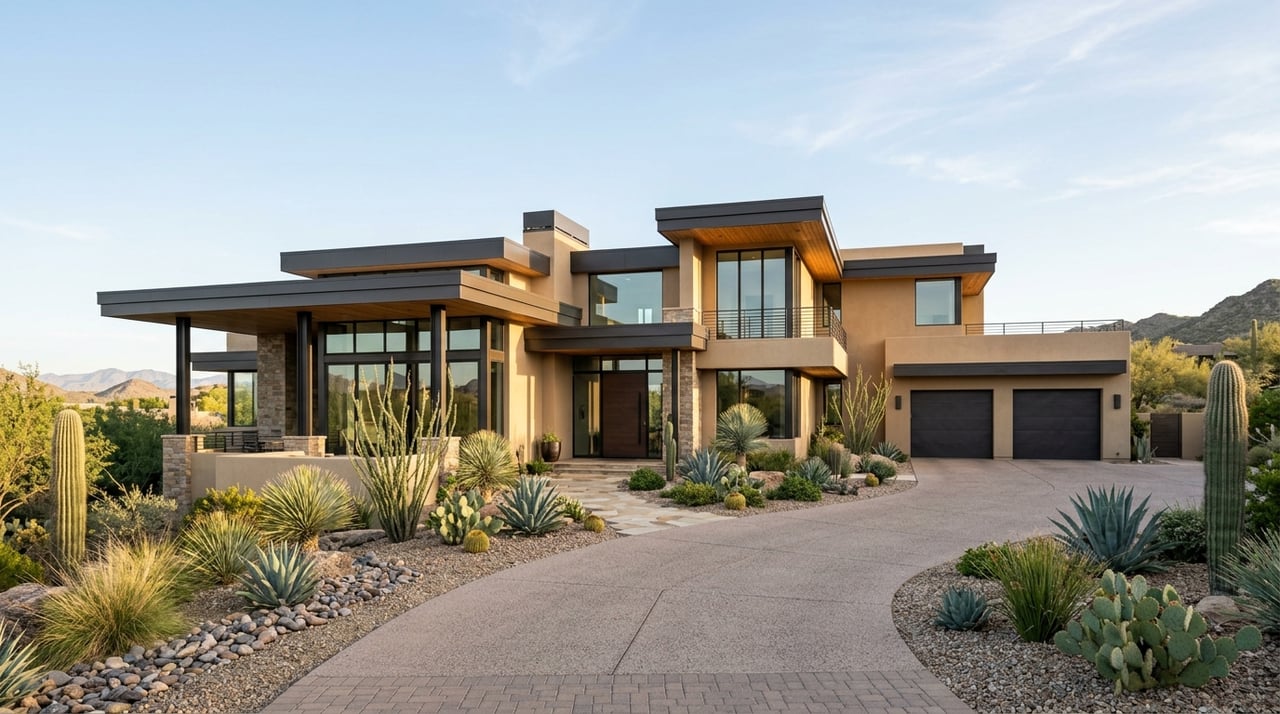
Housing is one of the clearest reasons central Phoenix appeals to such a wide range of buyers and renters. The area combines historic neighborhoods, character homes, attached housing, apartments, and newer infill development.
The City of Phoenix lists 36 residential historic districts, including Coronado, Encanto-Palmcroft, F.Q. Story, Garfield, Roosevelt, Willo, Windsor Square, and Pierson Place. That historic framework helps explain why central Phoenix is often associated with older homes, mature streetscapes, and architectural variety.
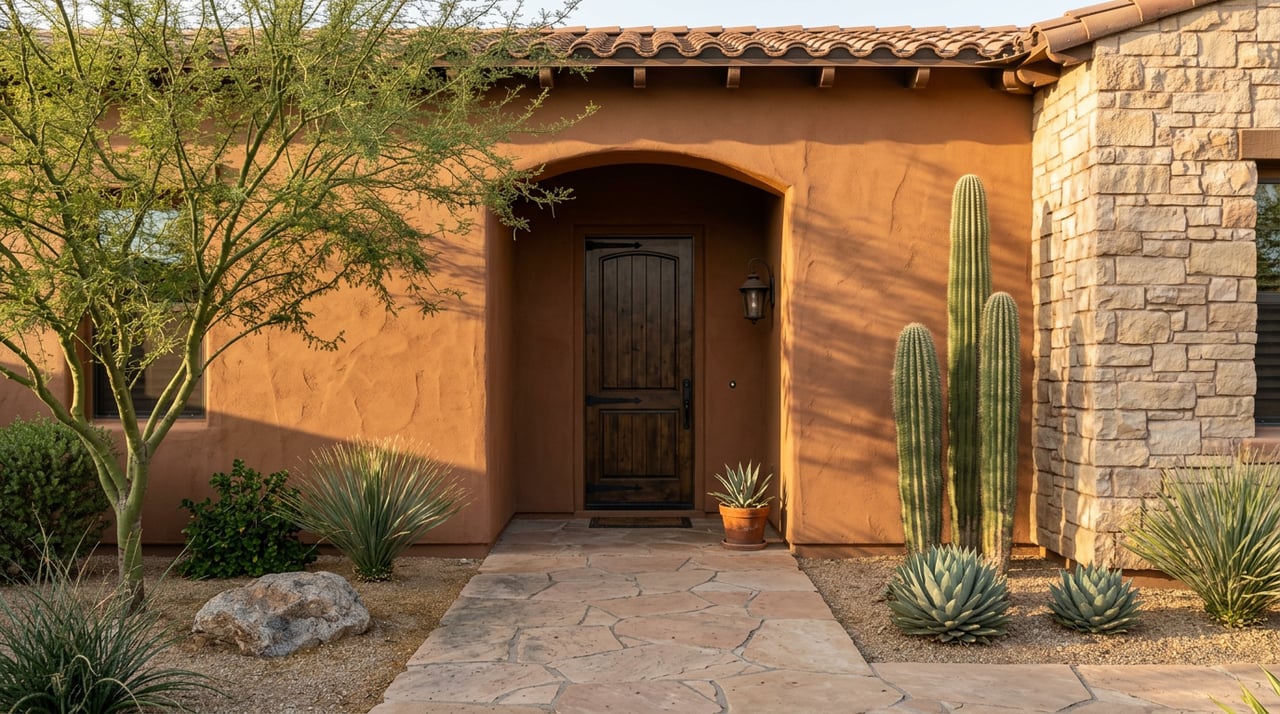
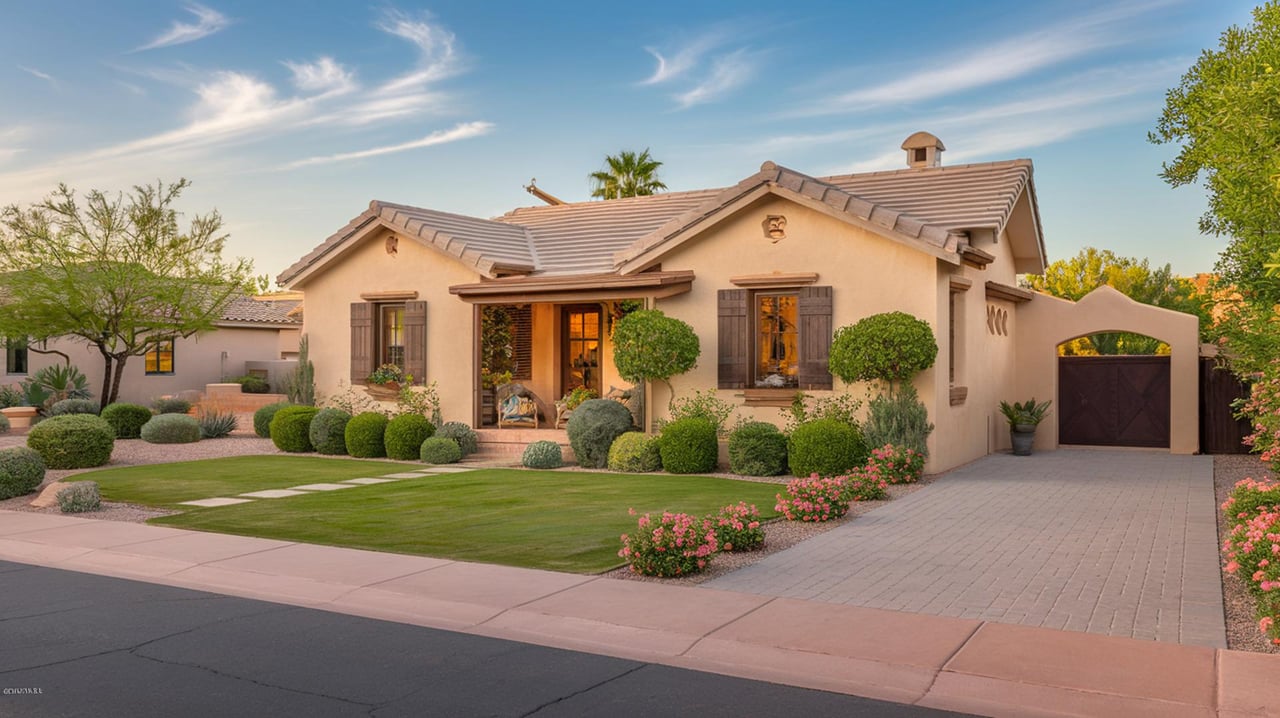
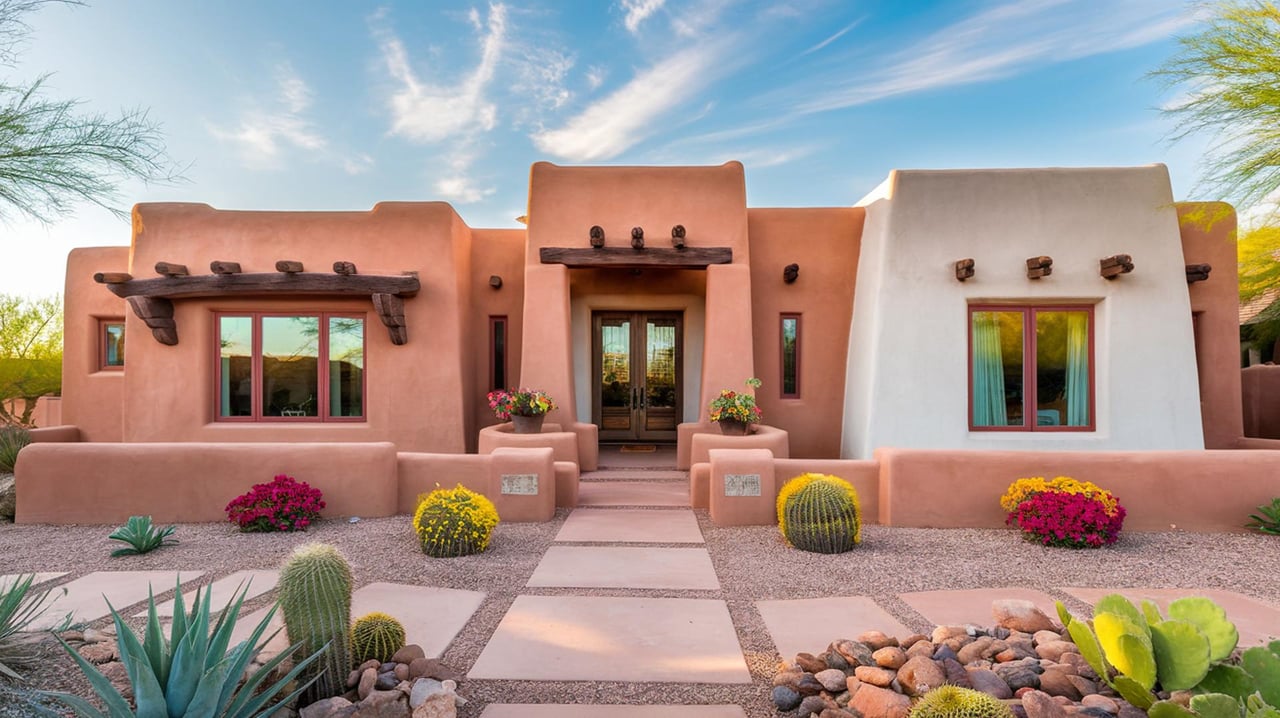
Coronado’s neighborhood conservation plan identifies home types such as bungalows, Spanish Colonial Revival, English Cottage Style, and Early Western Ranch. If you are drawn to homes with personality and design details that are hard to find in newer subdivisions, central Phoenix may stand out.
What to know about historic districts
Historic character can be a major plus, but it comes with responsibilities. The city’s preservation framework says homes in historic preservation districts are subject to review for exterior changes and demolition.
Owners of historic properties may also be able to access rehabilitation assistance. If you are considering a historic home, it is worth understanding how those rules may affect future updates, maintenance plans, and renovation timelines.
Condos, townhomes, and apartments
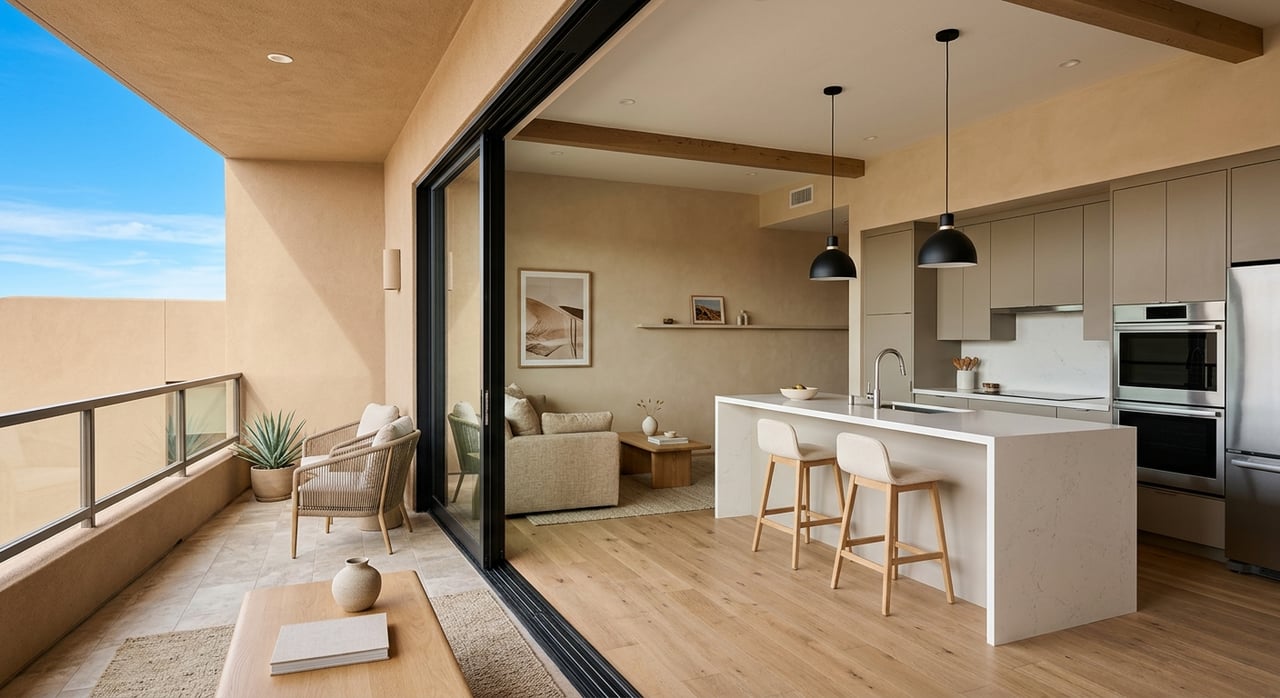
Attached housing is also a key part of the central Phoenix story. The City of Phoenix says multi-family and apartment communities are available across the city, and the city’s housing history notes that multi-family housing, townhouses, and condominiums became an important part of Phoenix’s development.
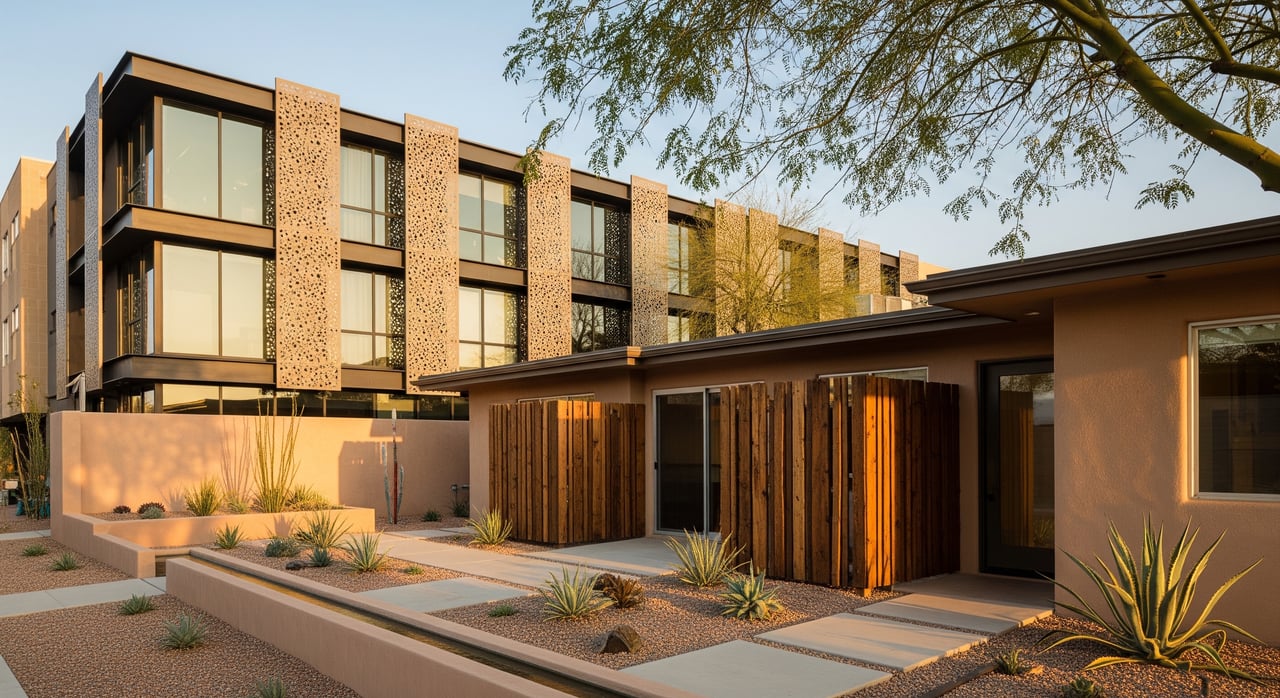
Recent projects downtown and in Garfield show that central Phoenix continues to add apartments and infill housing rather than relying only on older homes. That creates more options for people who prioritize location, lower-maintenance living, or a more lock-and-leave setup.
Who central Phoenix tends to fit best
Central Phoenix often makes the most sense for buyers or renters who value convenience, neighborhood character, and a more urban pace. It can be especially appealing if you want easier access to transit, local dining, parks, and a broader mix of housing types.
It may also be a strong fit if you are relocating and want a part of Phoenix that feels established and connected. Instead of a master-planned environment, you are choosing a more layered setting with historic districts, mixed-use corridors, and evolving infill development.
On the other hand, if your priority is a large lot, highly uniform development, or a more suburban rhythm, central Phoenix may feel less aligned with your day-to-day preferences. The right fit depends on how you want your home and neighborhood to support your lifestyle.
If you are weighing central Phoenix against other parts of the Valley, neighborhood insight can make a big difference. Kayla Kerulis offers concierge-level guidance, local market perspective, and a personalized approach to help you find the right fit for the way you want to live.
FAQs
What is considered central Phoenix for everyday living?
- Central Phoenix generally refers to the urban core around Central City and nearby areas in Encanto, Midtown, and Uptown, where mixed-use corridors connect with more residential streets.
How walkable is central Phoenix compared with other Phoenix areas?
- Central Phoenix has walkable pockets, especially near main corridors, Roosevelt Row, and parts of Midtown and Uptown, but daily life often works best when you combine walking with driving, light rail, biking, or rideshare.
What transportation options are available in central Phoenix?
- Central Phoenix offers Valley Metro light rail, rideshare options, access to major roads and freeways, parking meter areas in high-activity districts, and the Grand Canalscape walking and biking path.
What types of homes are common in central Phoenix neighborhoods?
- Housing options include historic single-family homes, bungalows, Spanish Colonial Revival homes, English Cottage Style homes, Early Western Ranch homes, condos, townhomes, apartments, and newer infill housing.
Is central Phoenix a good fit for buyers who want character homes?
- Central Phoenix can be a strong fit if you want older homes with architectural variety and established streetscapes, especially in the city’s residential historic districts.
What is outdoor life like in central Phoenix?
- Outdoor life in central Phoenix includes major parks like Steele Indian School Park and Encanto Park, downtown green space at Margaret T. Hance Park, the Grand Canalscape trail, and quick access to Papago Park for hiking and attractions.