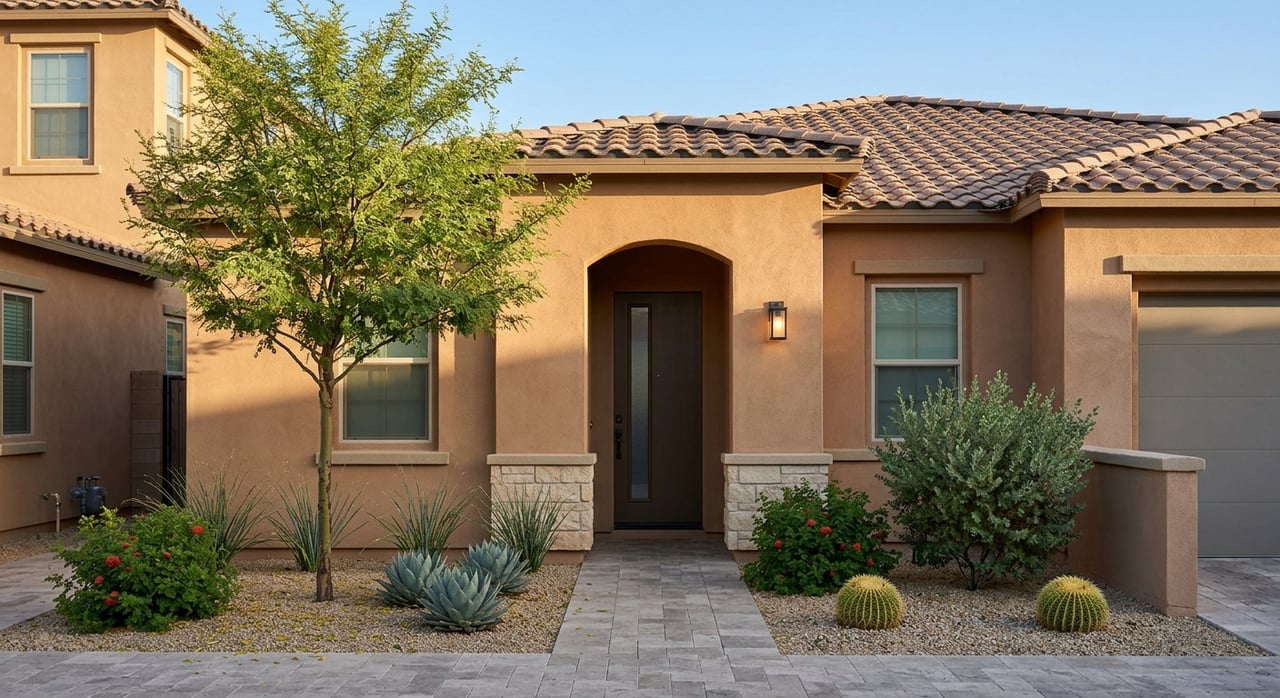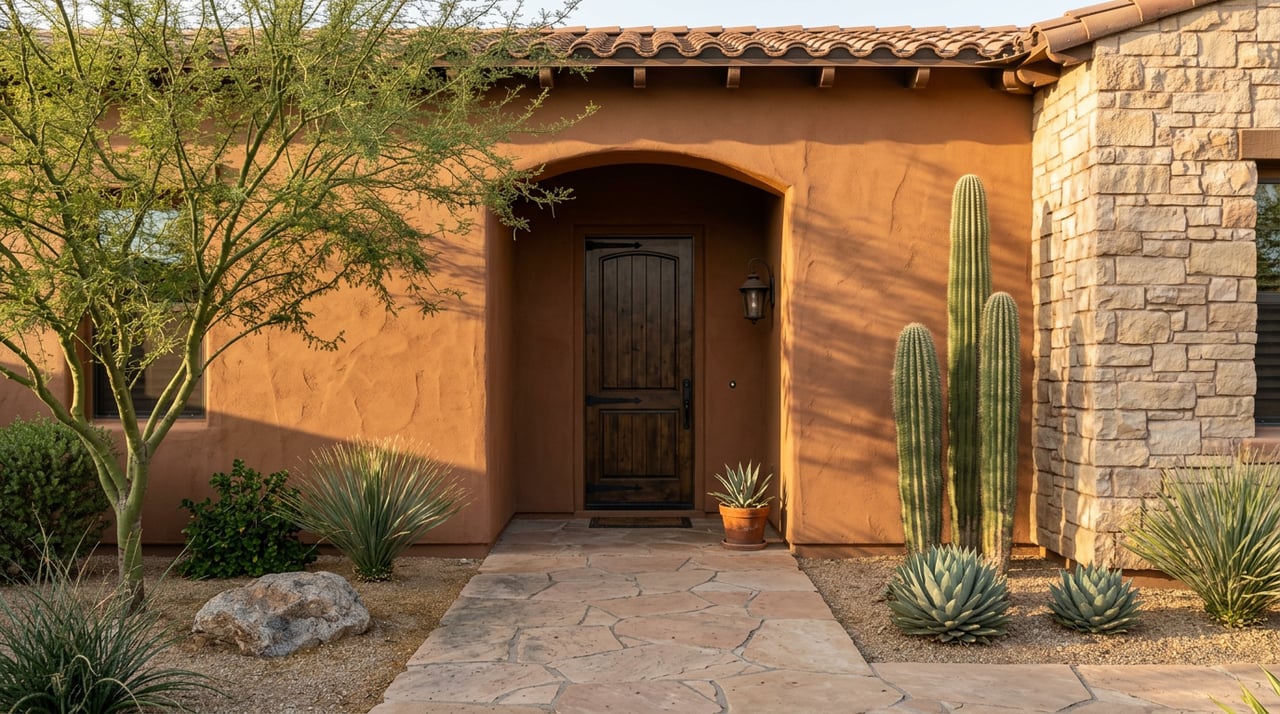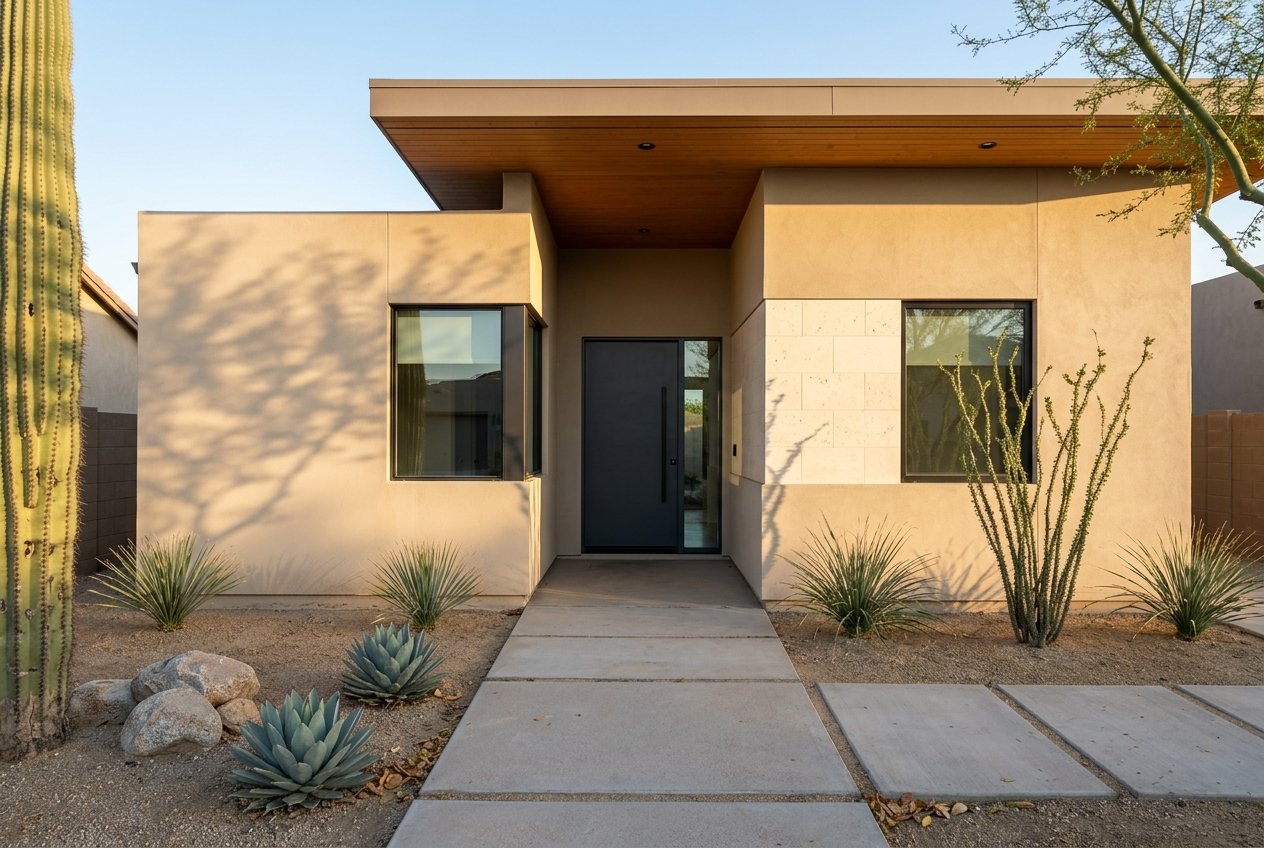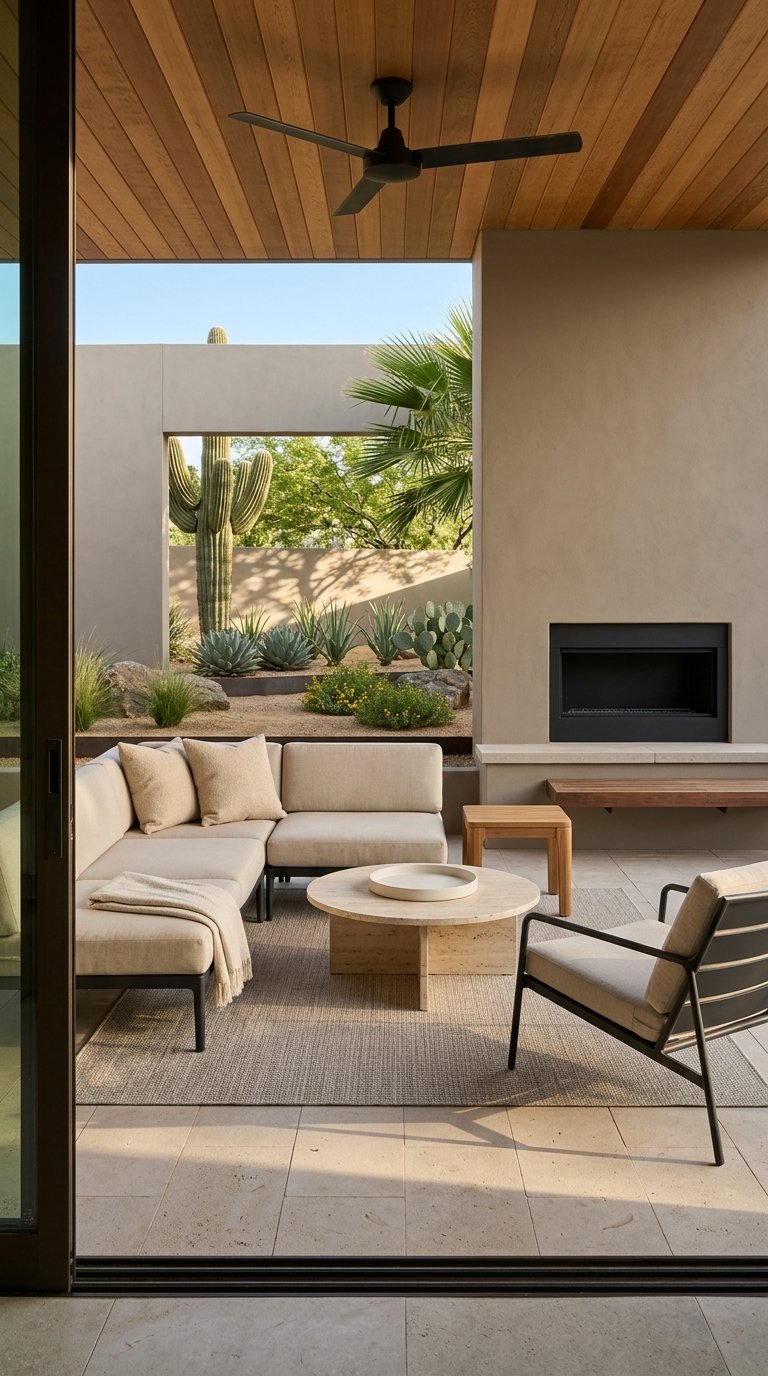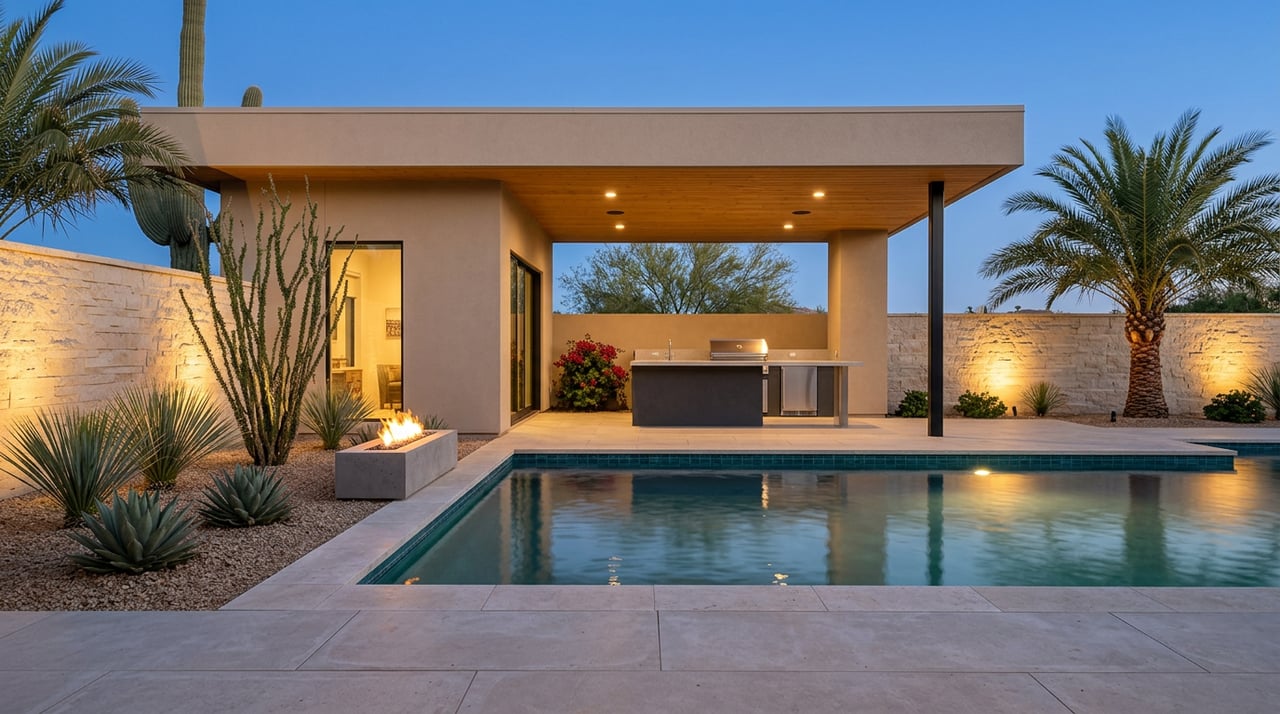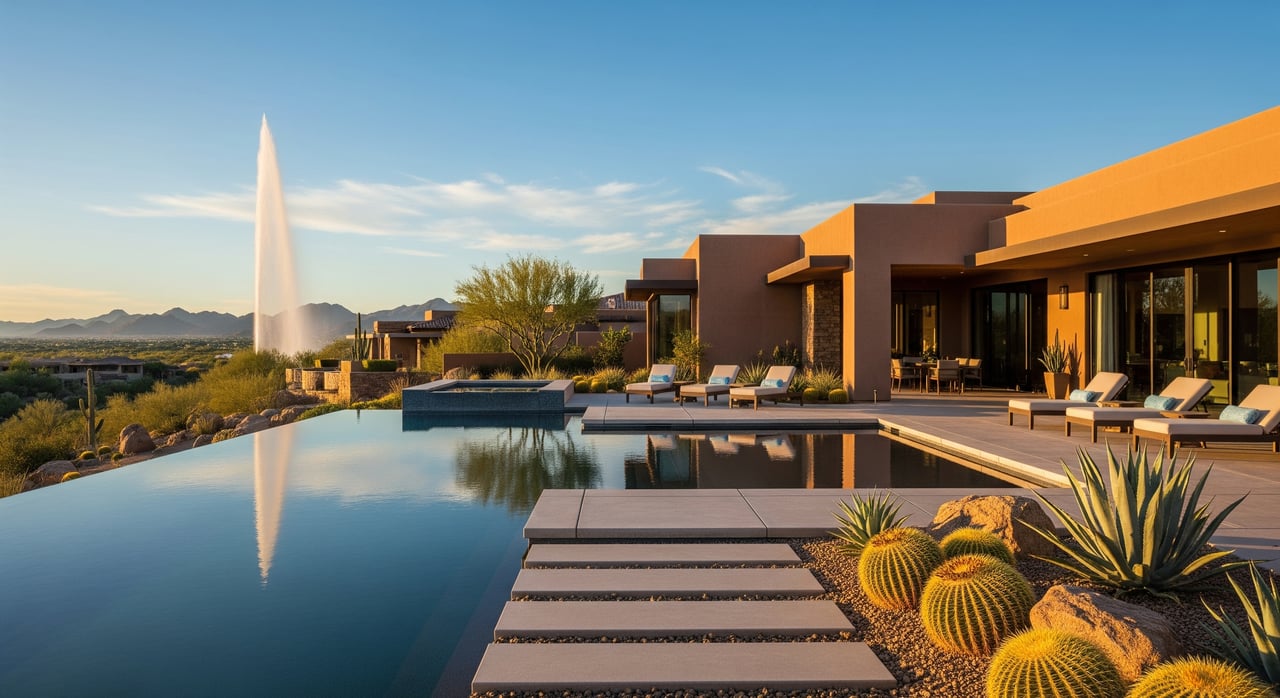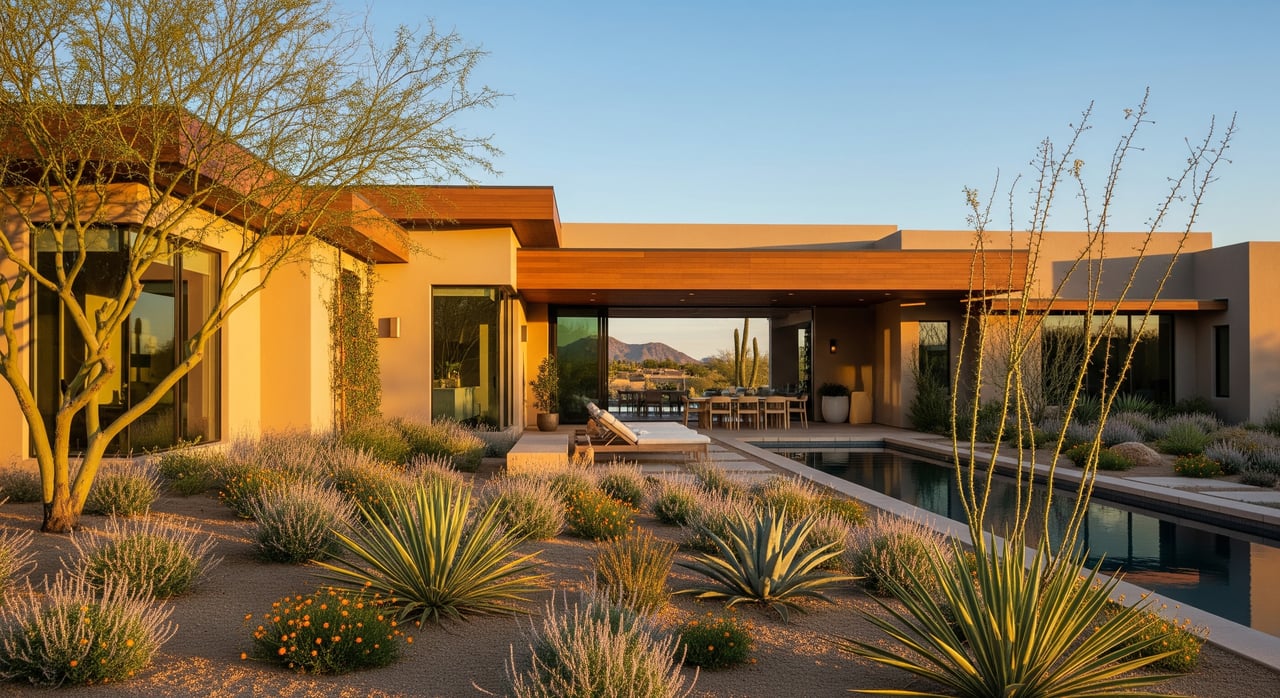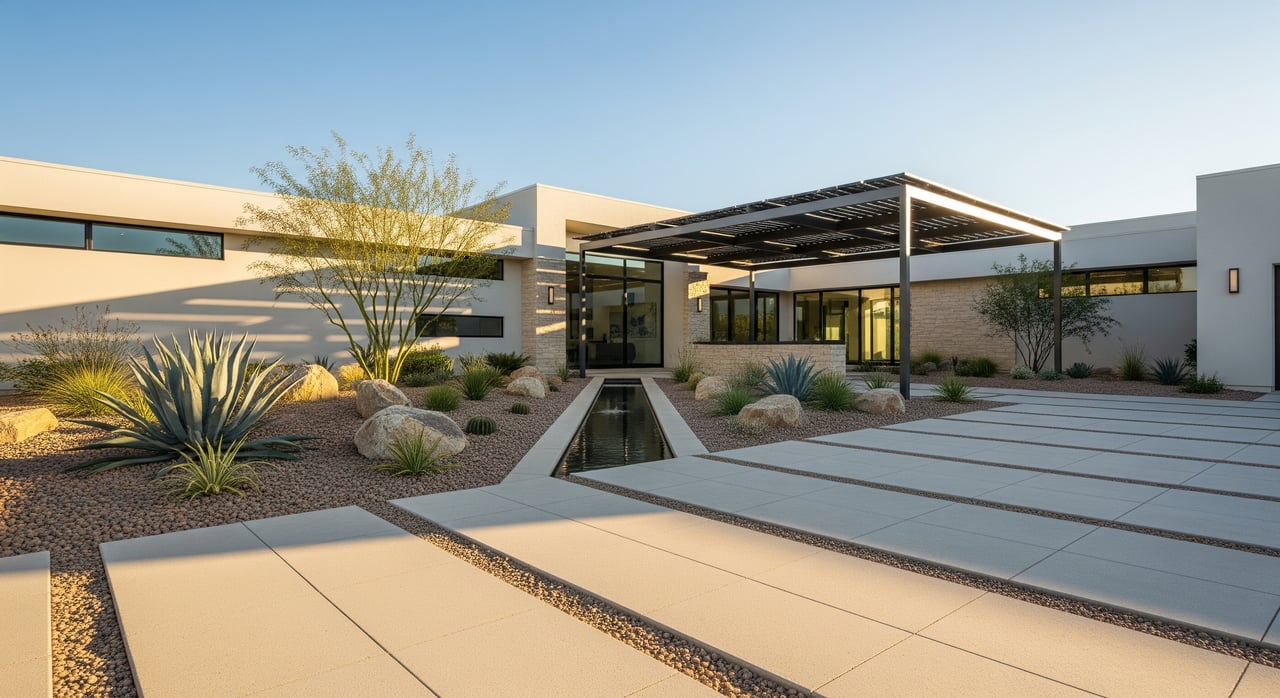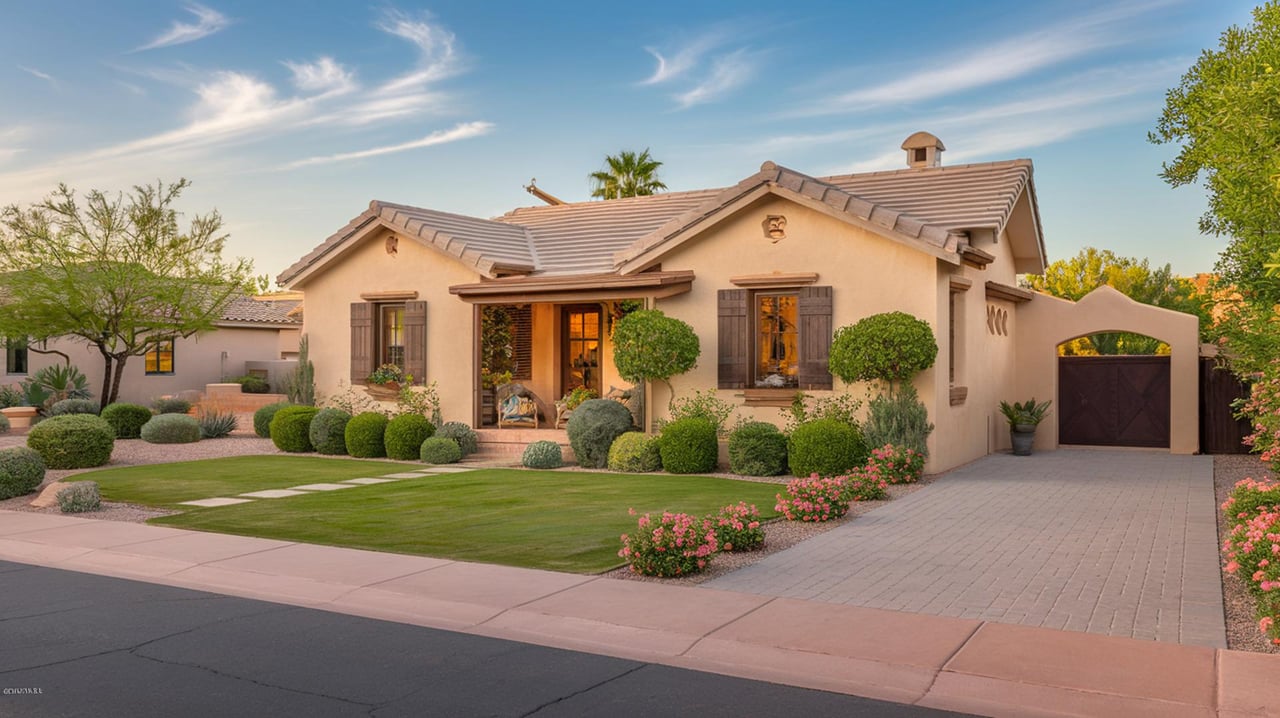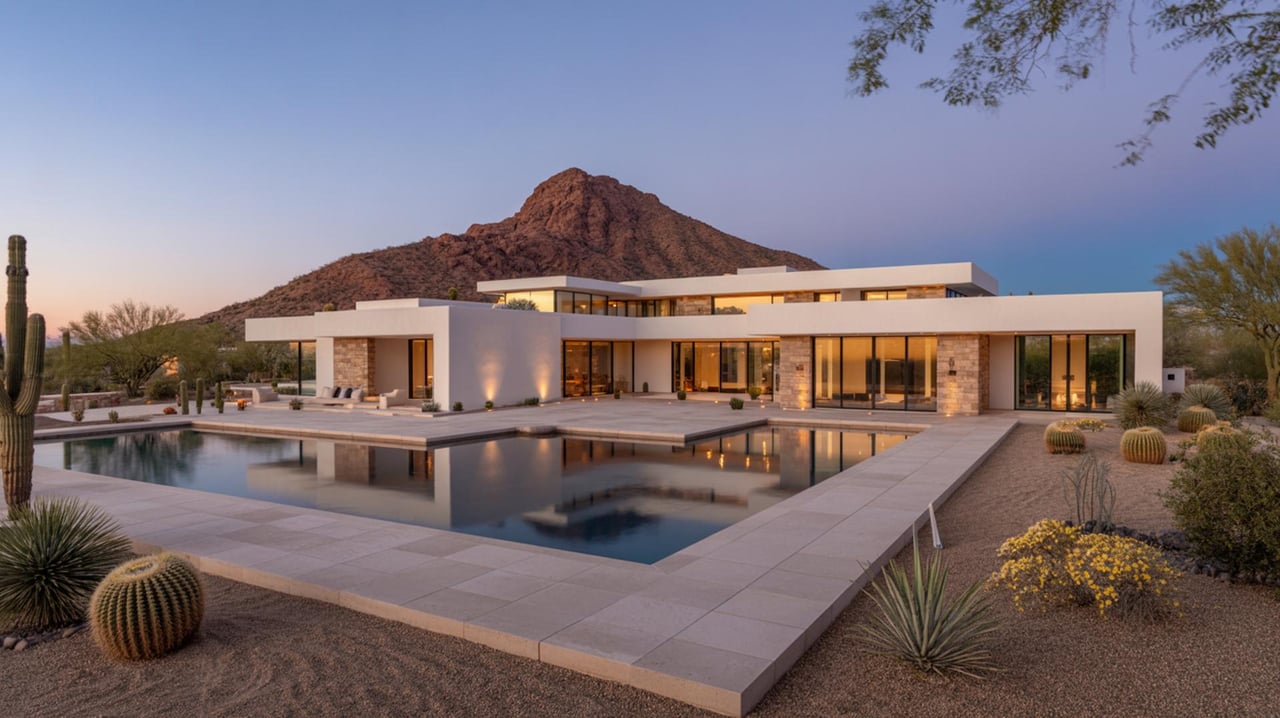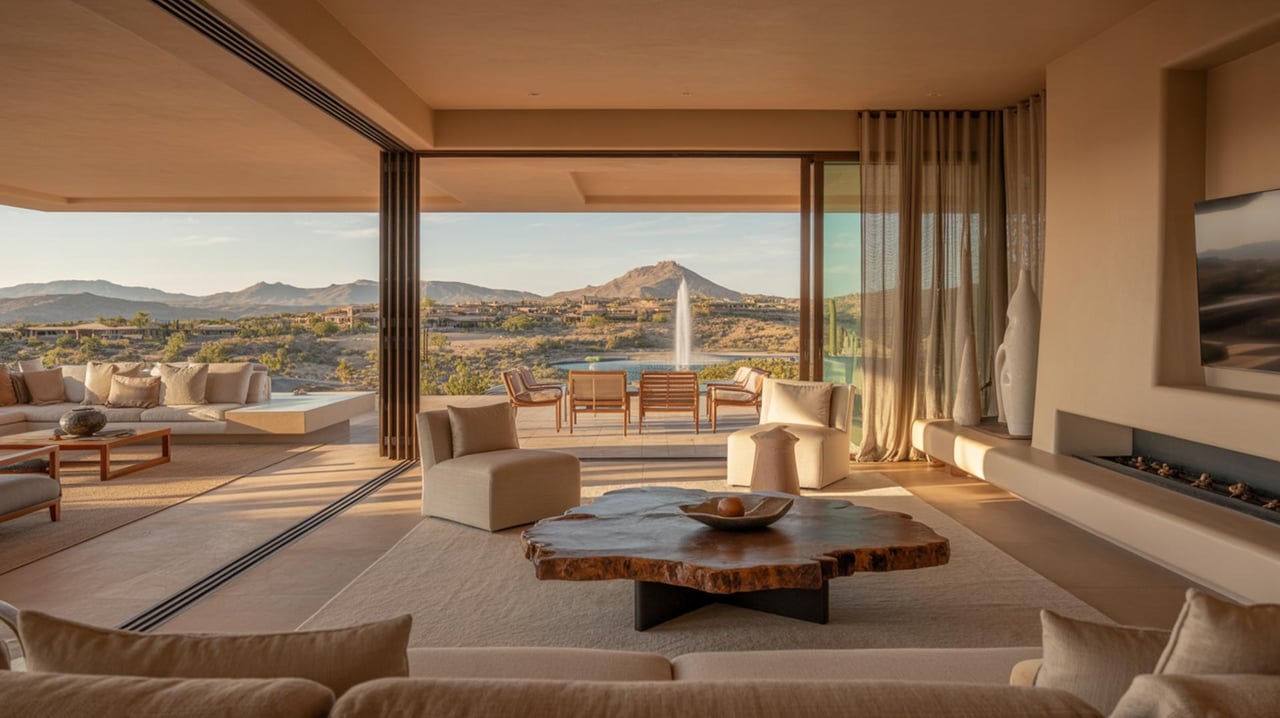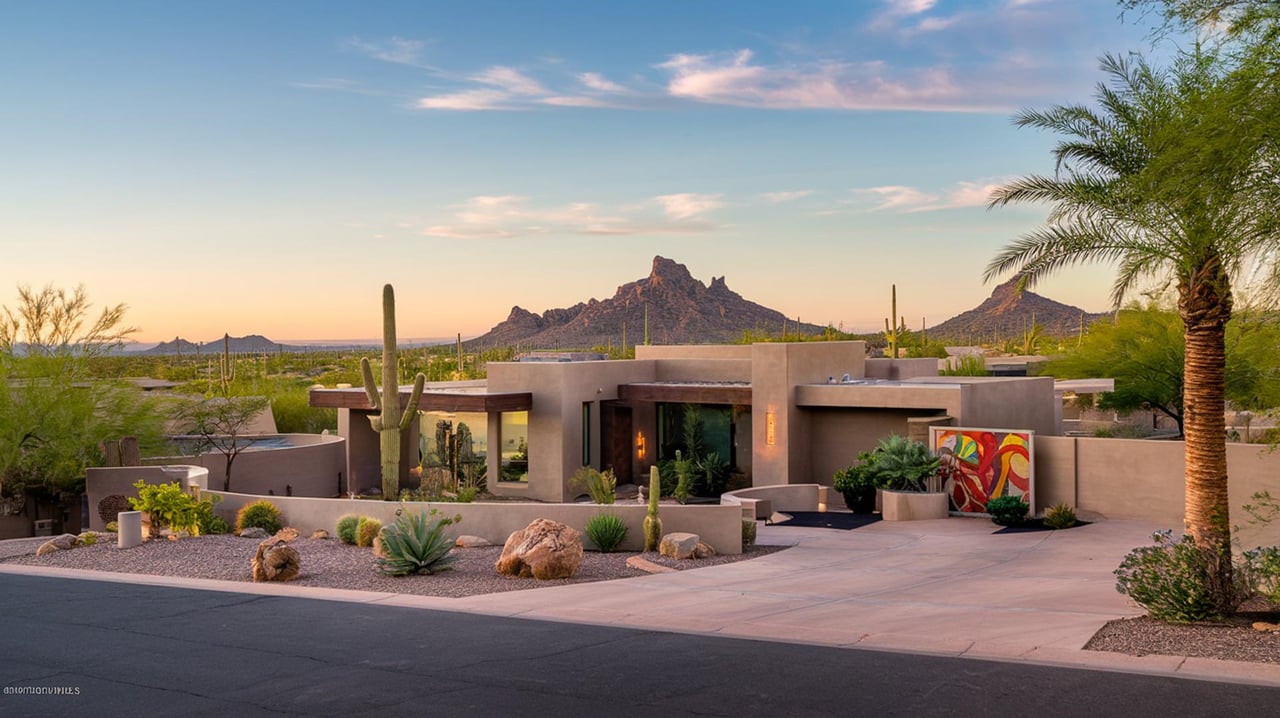
If you have ever driven through Paradise Valley and wondered why the homes feel both striking and grounded, the answer is not just luxury. It is context. In this market, great design is expected to work with mountain views, desert terrain, and the town’s semi-rural character rather than overpower them. If you are buying, selling, or updating a home here, understanding that design language can help you see what stands out and why. Let’s dive in.
Why Paradise Valley Has a Distinct Look
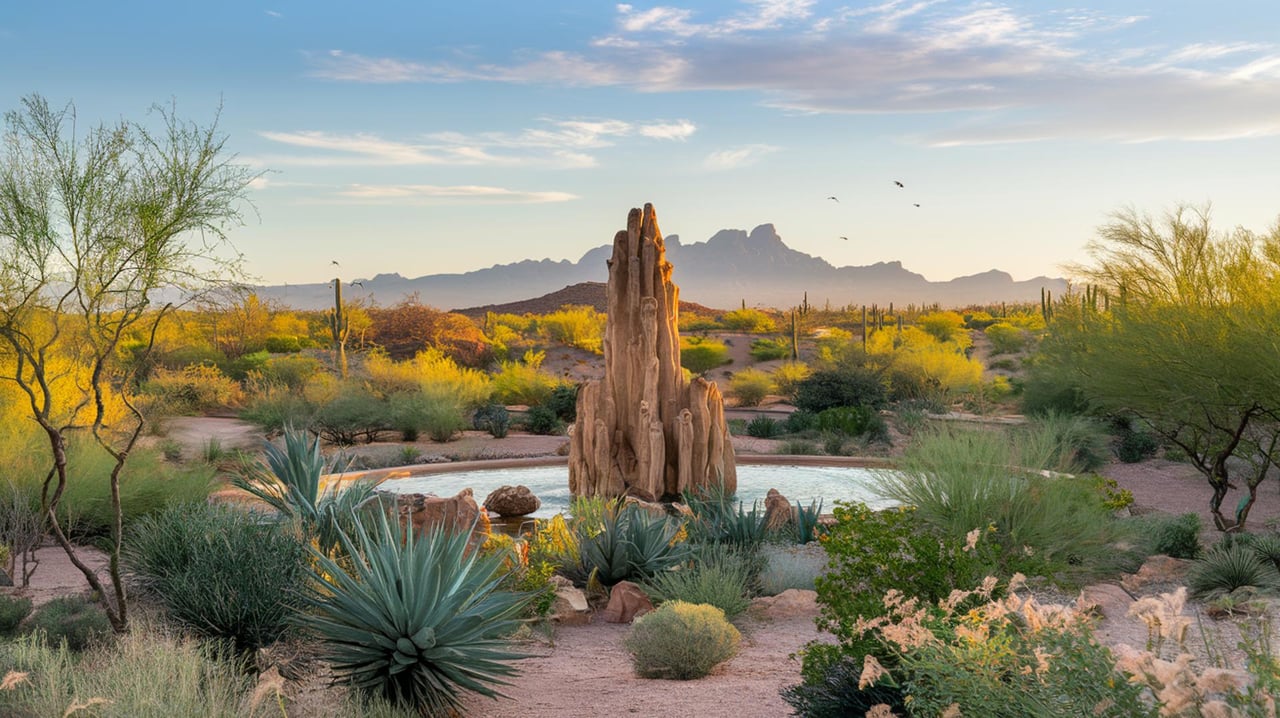
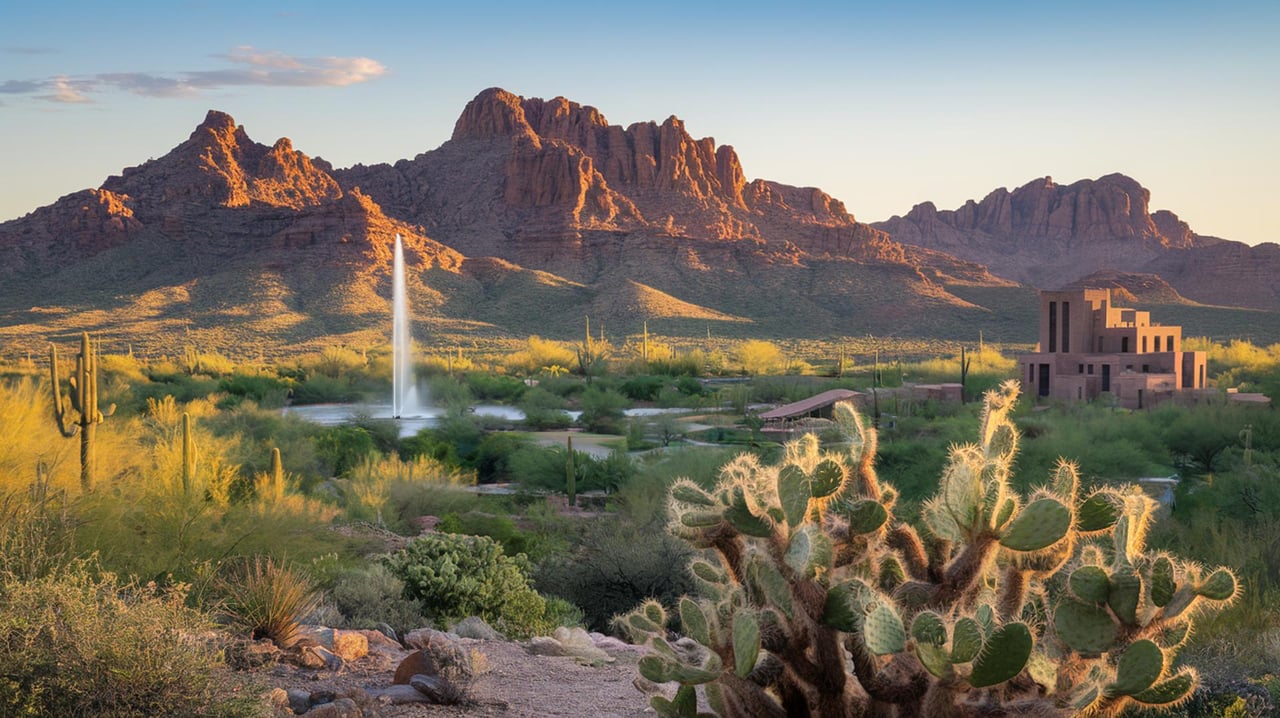
Paradise Valley is shaped by more than taste alone. The town’s 2022 General Plan emphasizes preserving residential character, respecting the natural landscape, minimizing visual disturbance on hillsides, and maintaining dark skies and native desert vegetation.
That planning approach helps explain why so many homes feel visually calm, even when they are large custom estates. Landscape rules also support low-water-use plantings, desert-colored granite, tree-shaded streets, and materials that fit the Sonoran Desert climate.
Paradise Valley also has a layered architectural history. Town records note early adobe structures, post-World War II modest homes on large parcels, and later development that introduced a wider mix of styles. Today, the town is known for embracing multiple architectural styles that still belong in the same desert setting.
Contemporary Desert Style Leads
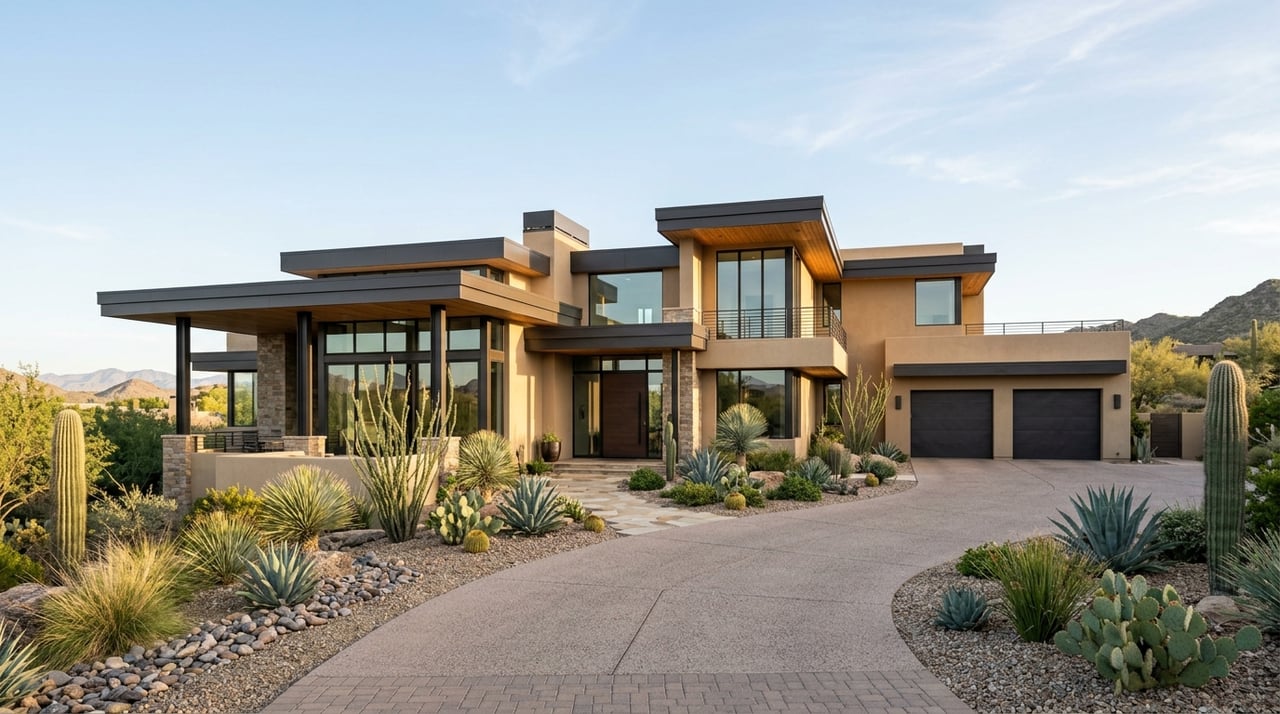
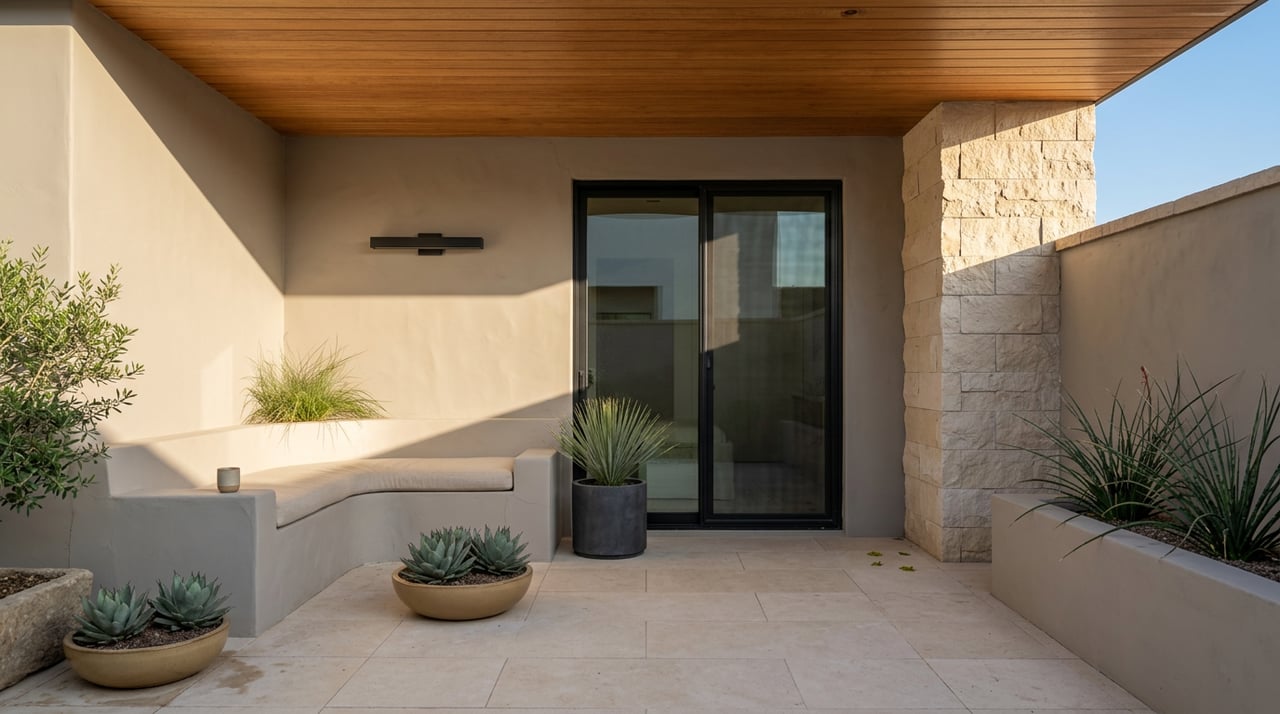
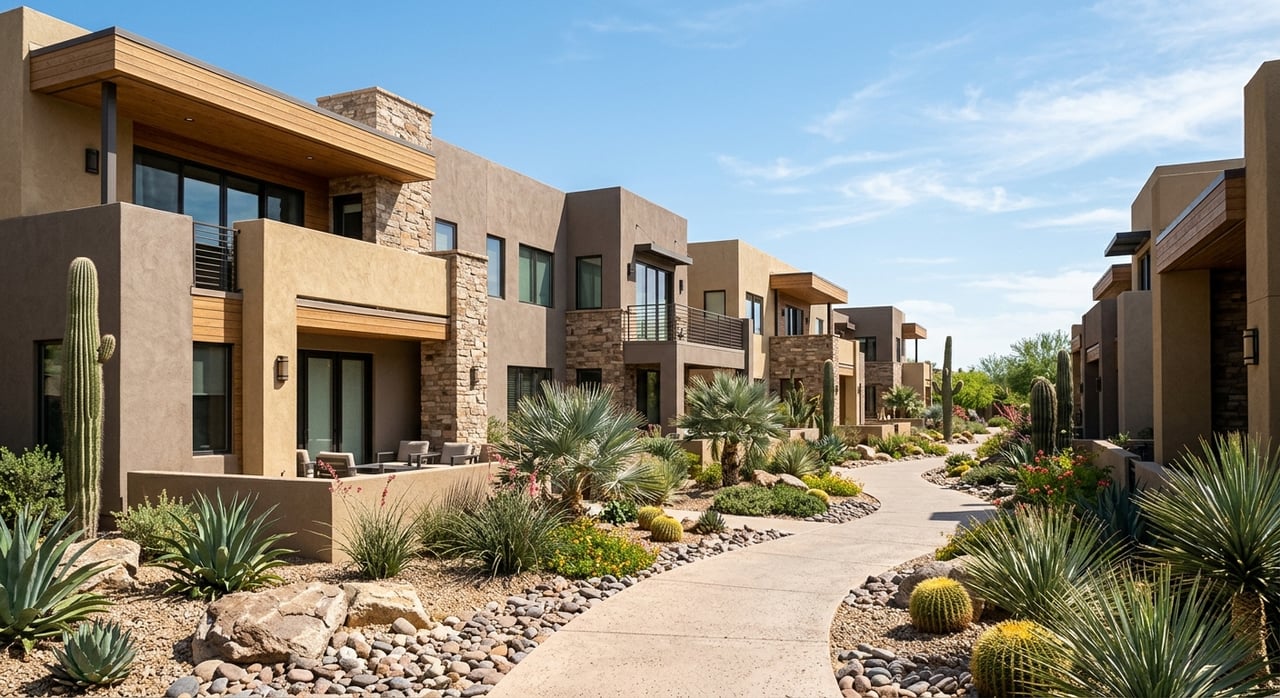
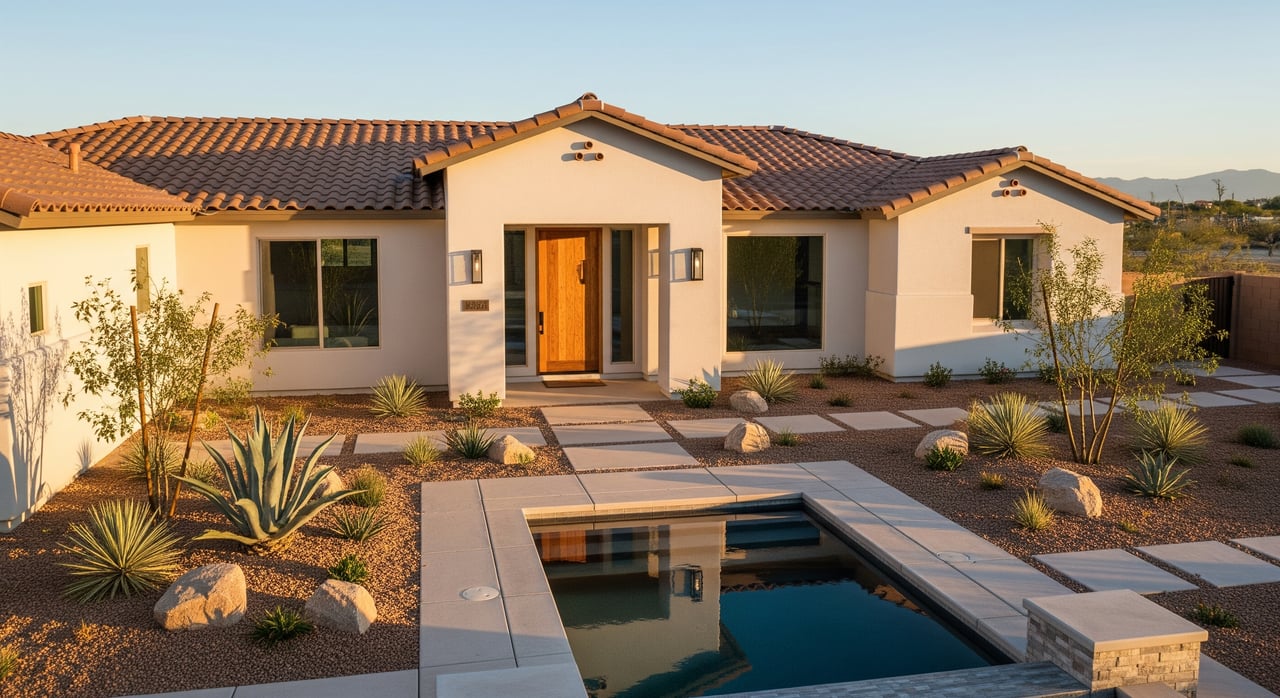
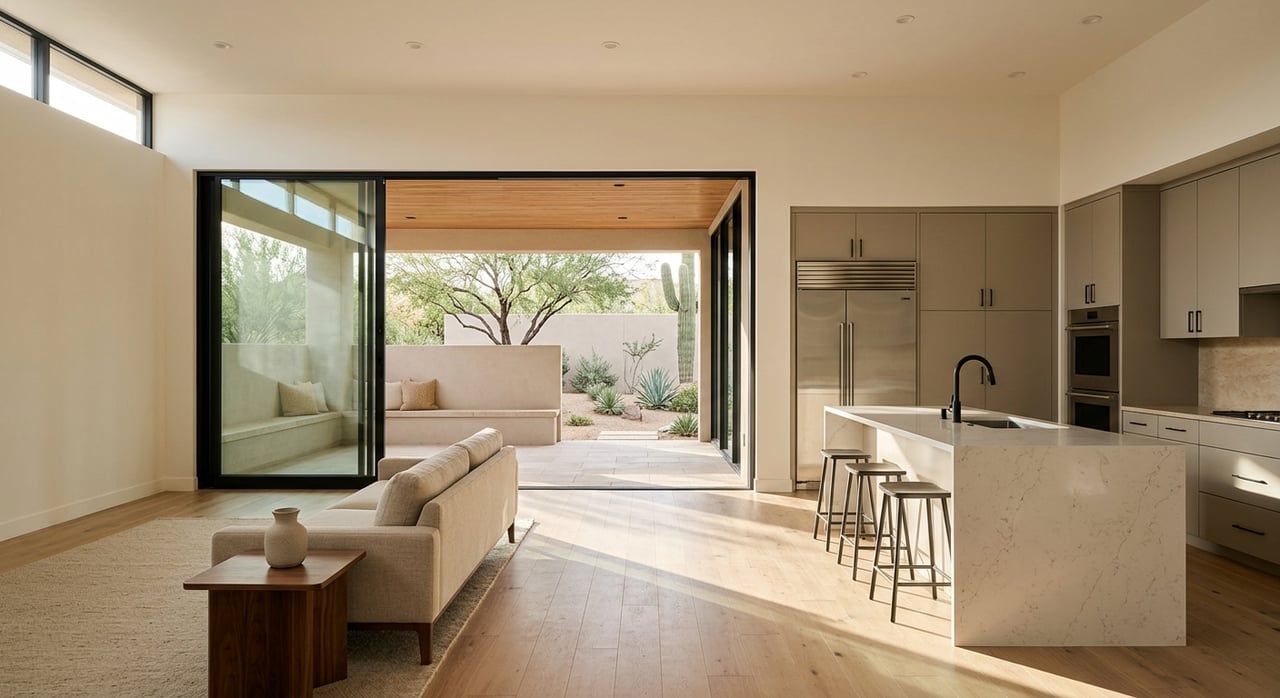
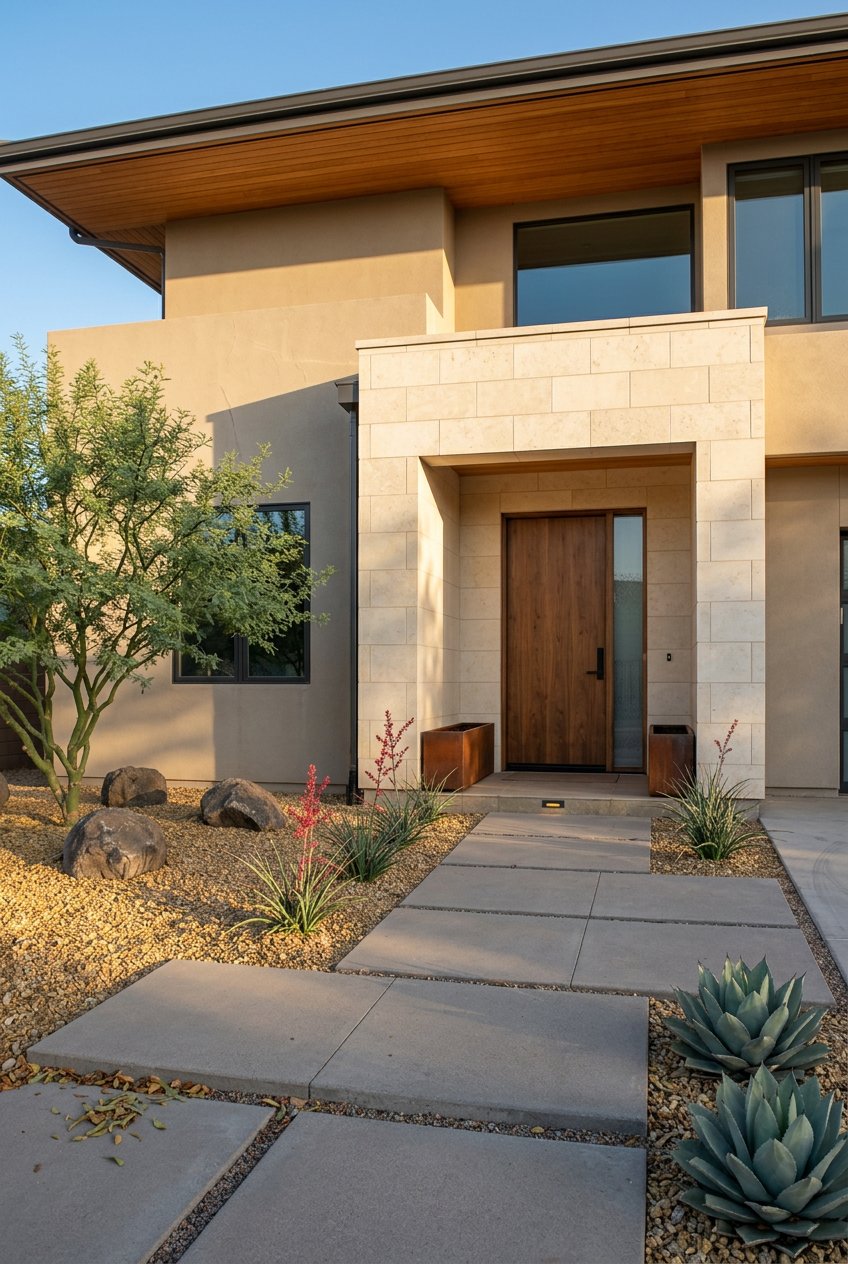
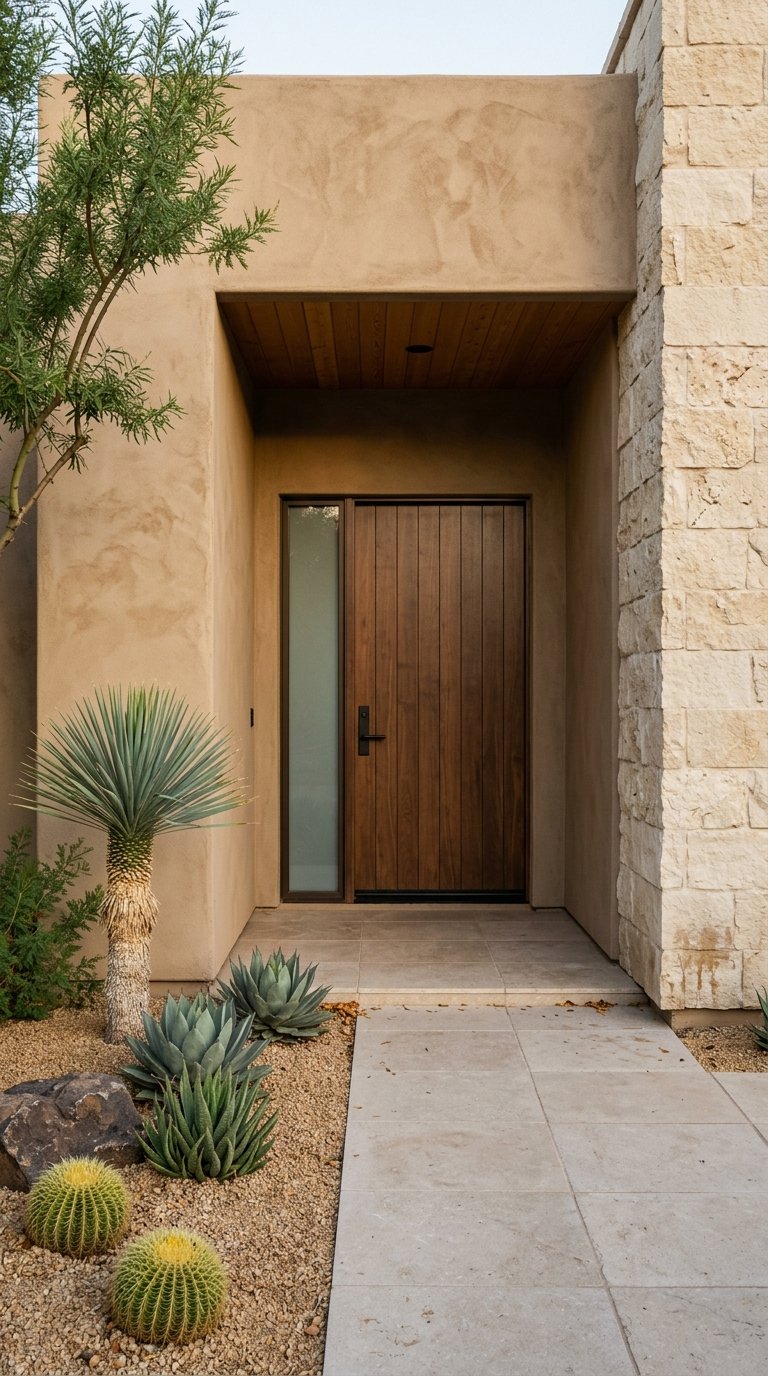
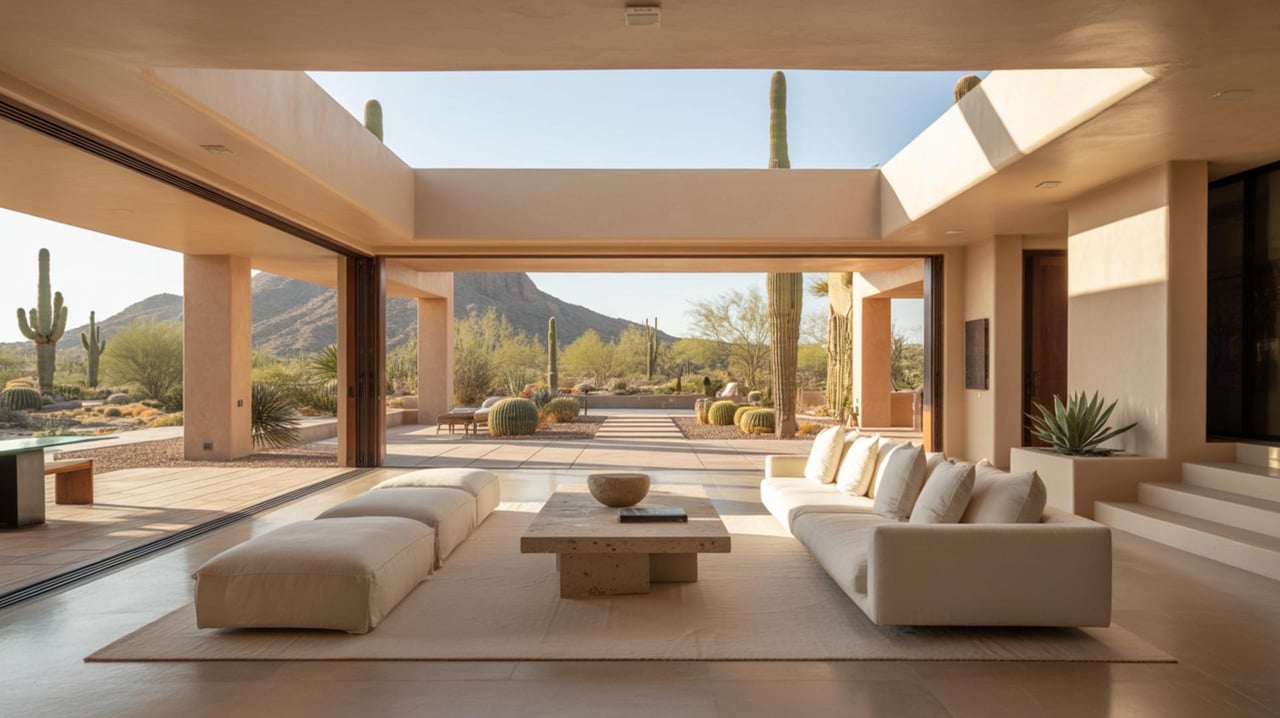
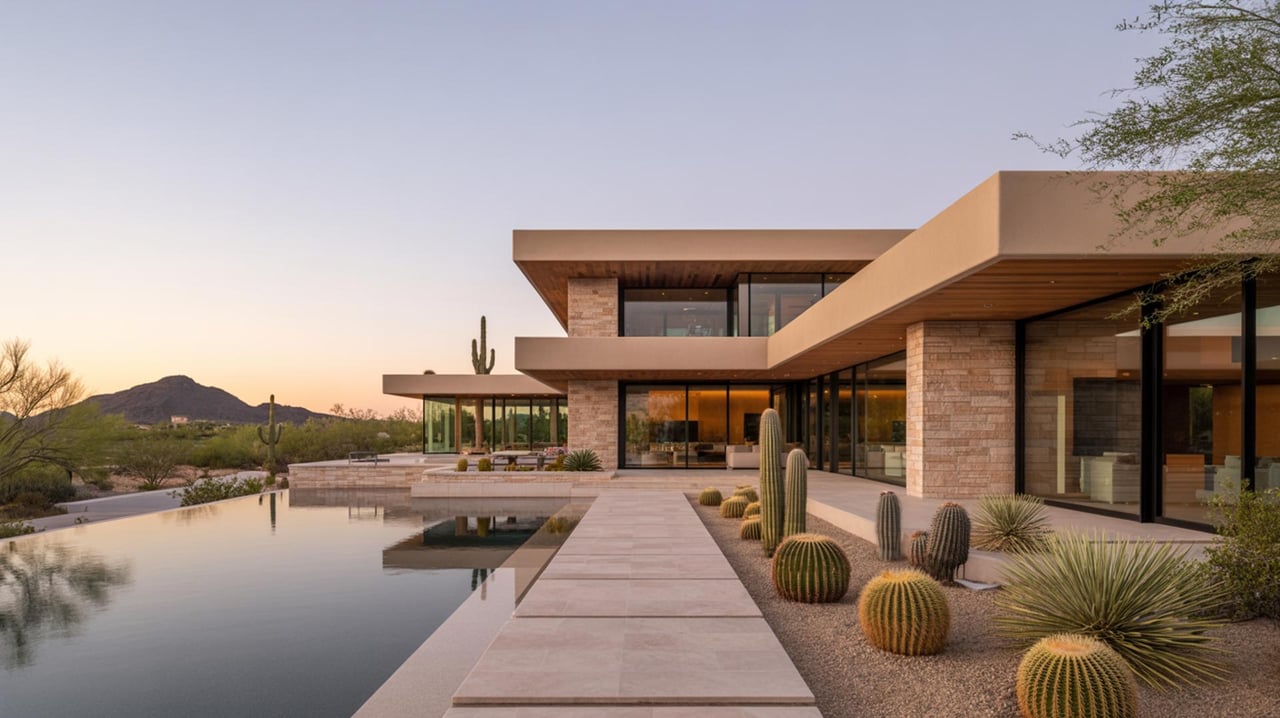
The most visible luxury style in Paradise Valley today is contemporary desert, sometimes called desert modern. This look tends to pair strong geometry with warm, natural materials and a deep connection to the outdoors.
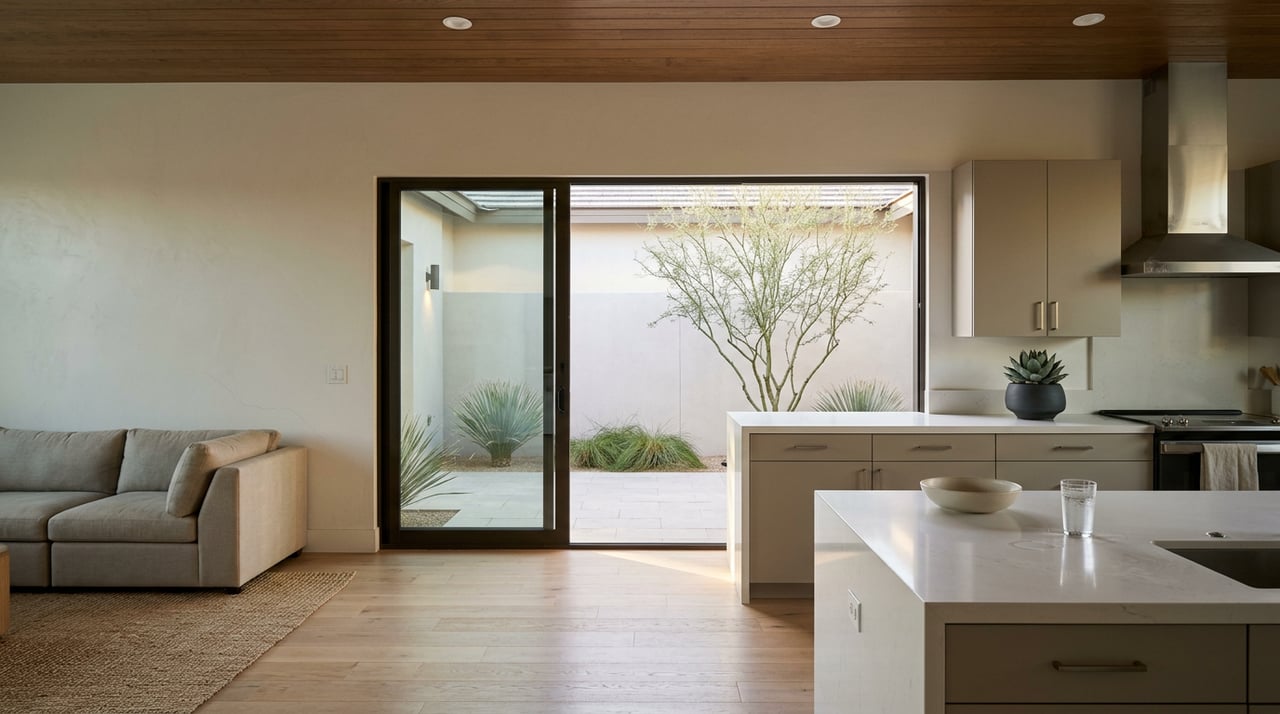
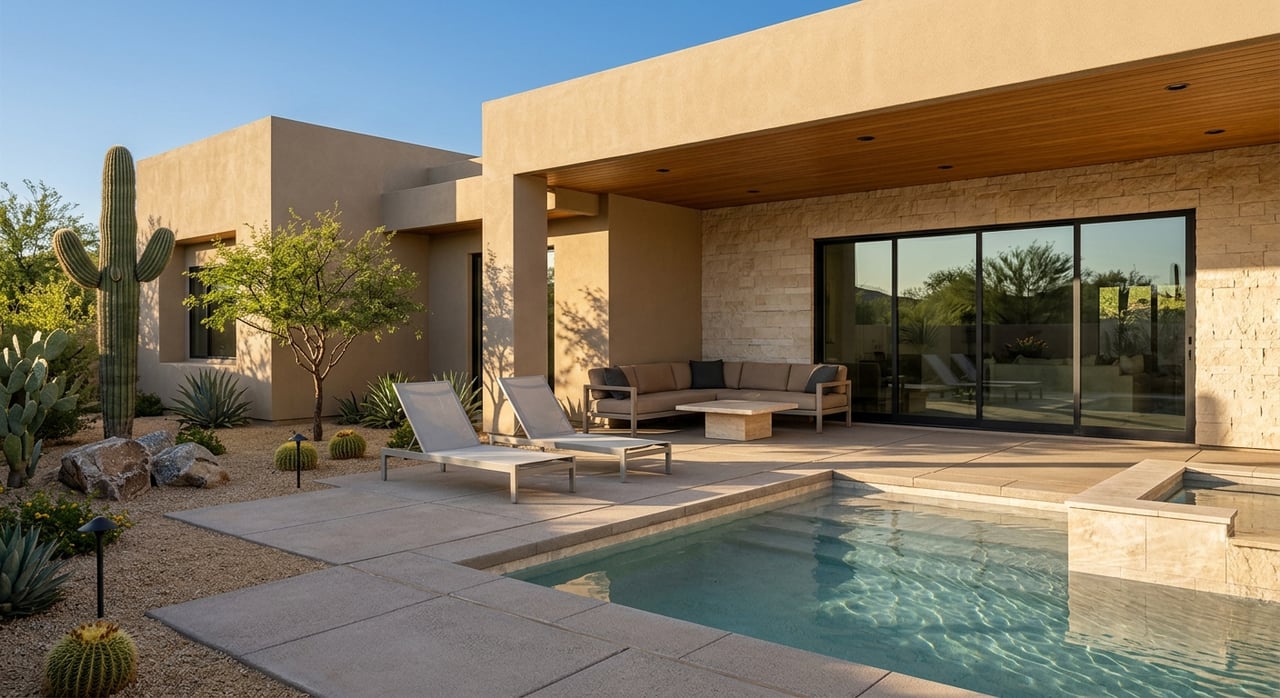
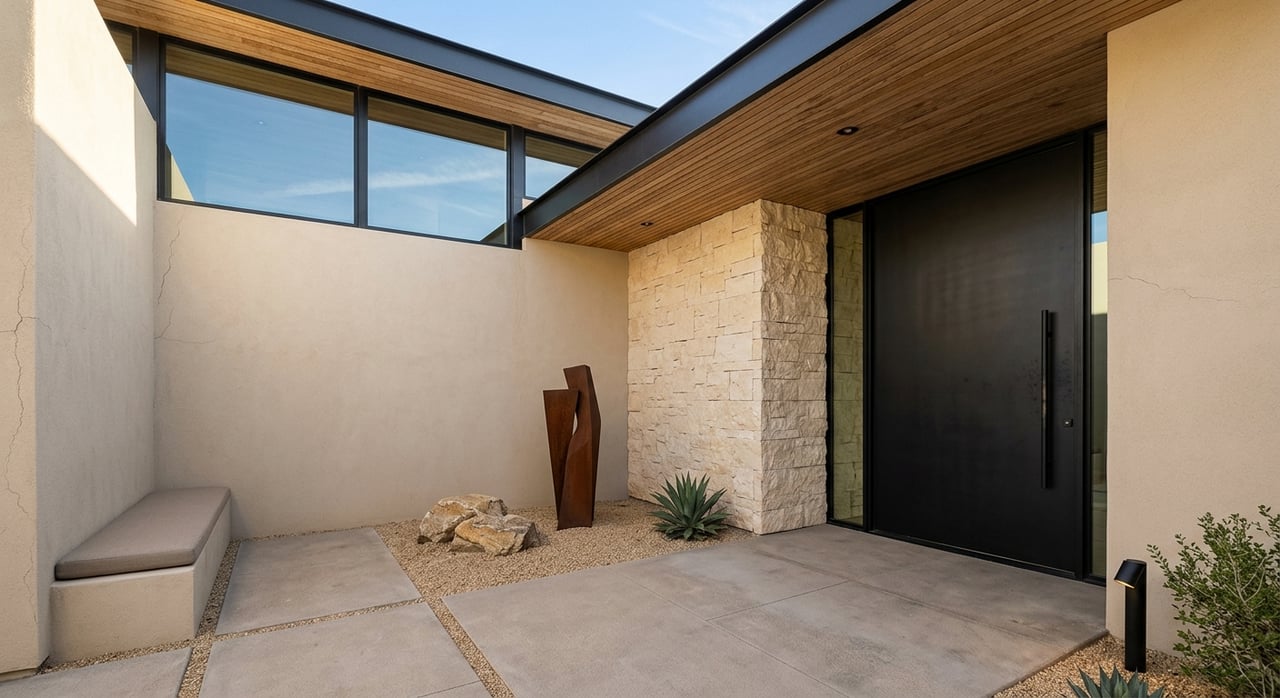
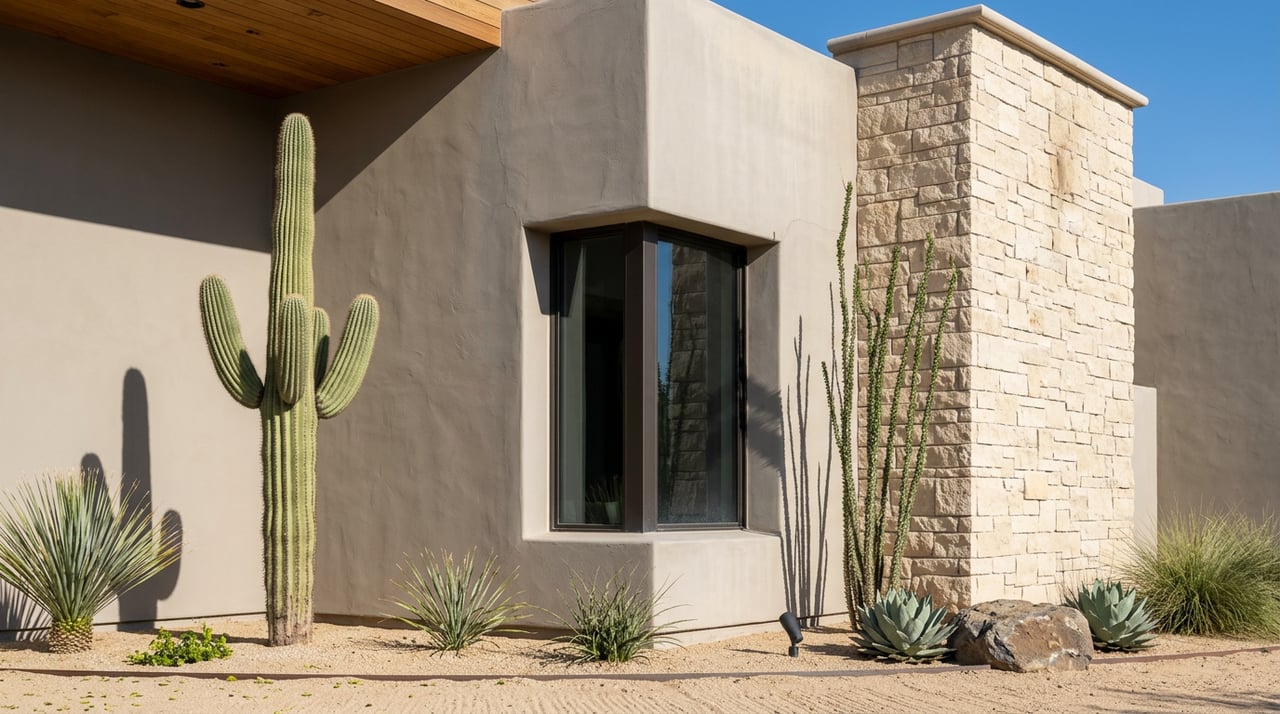
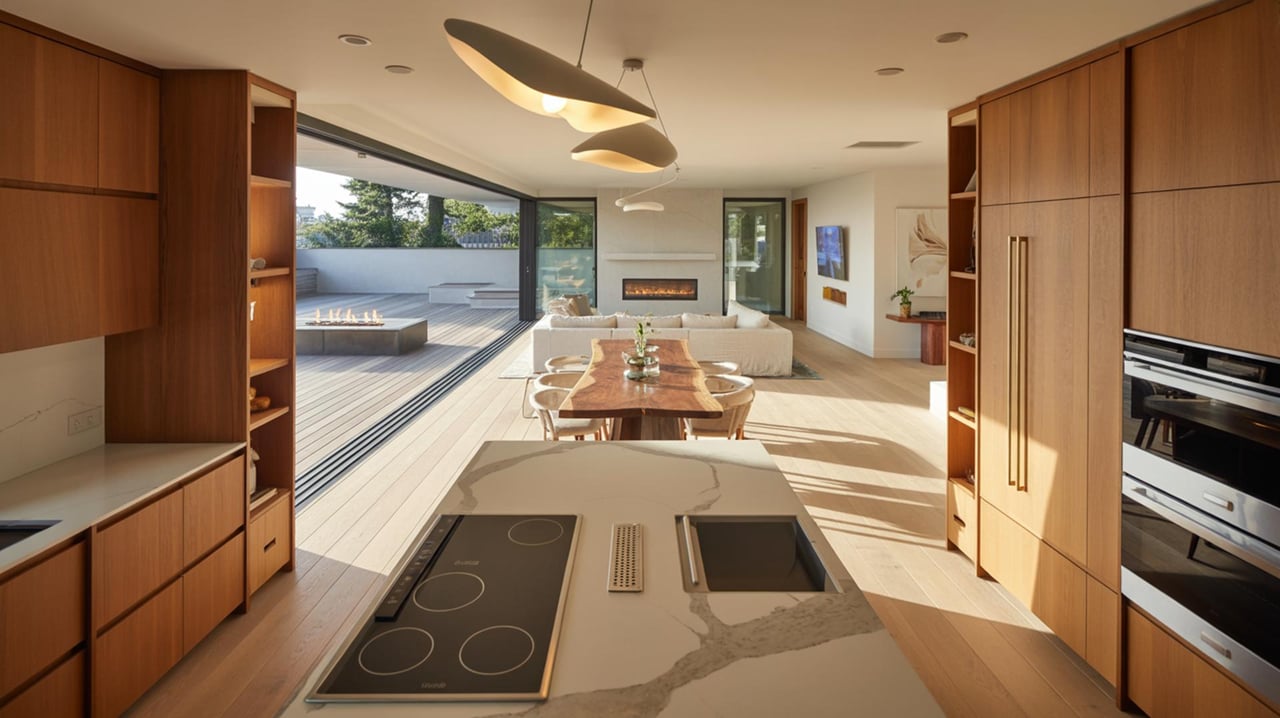
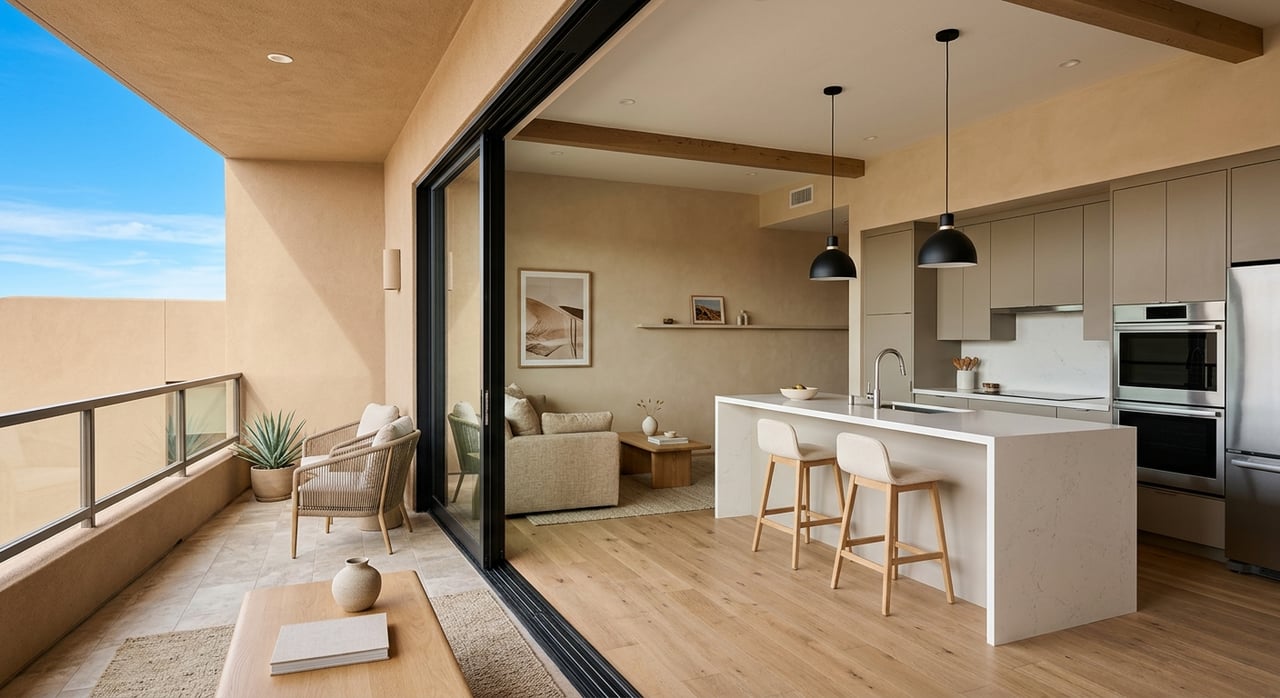
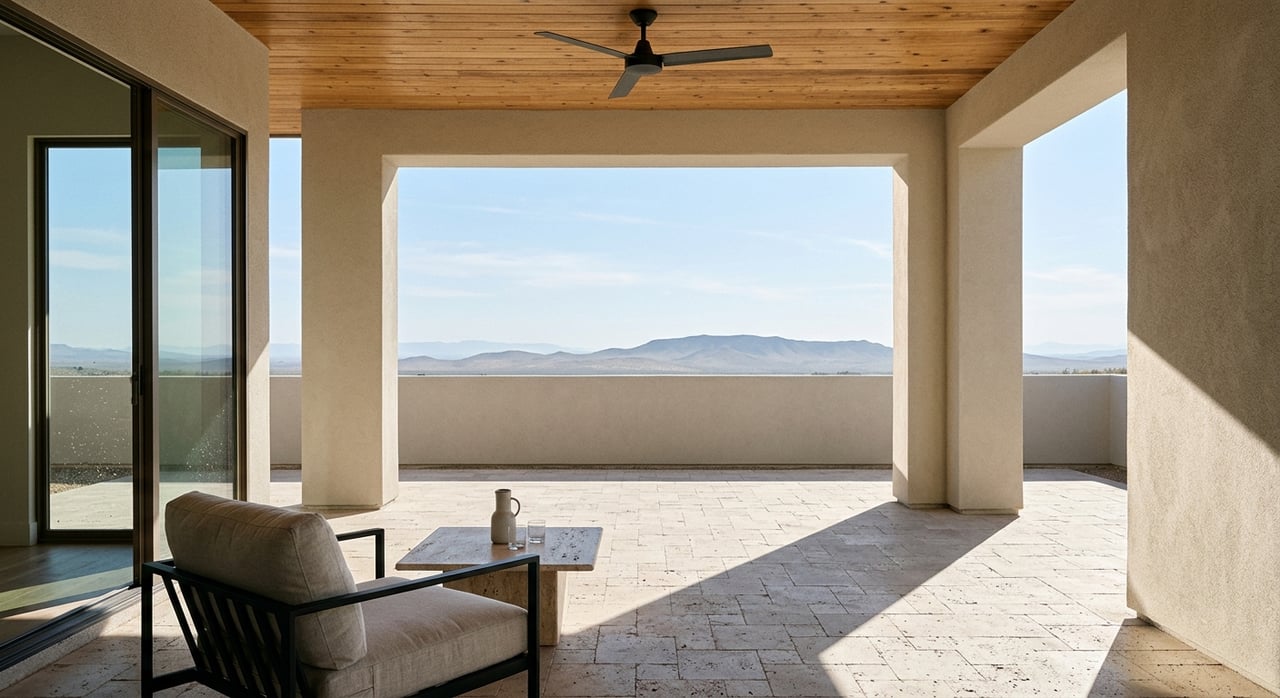
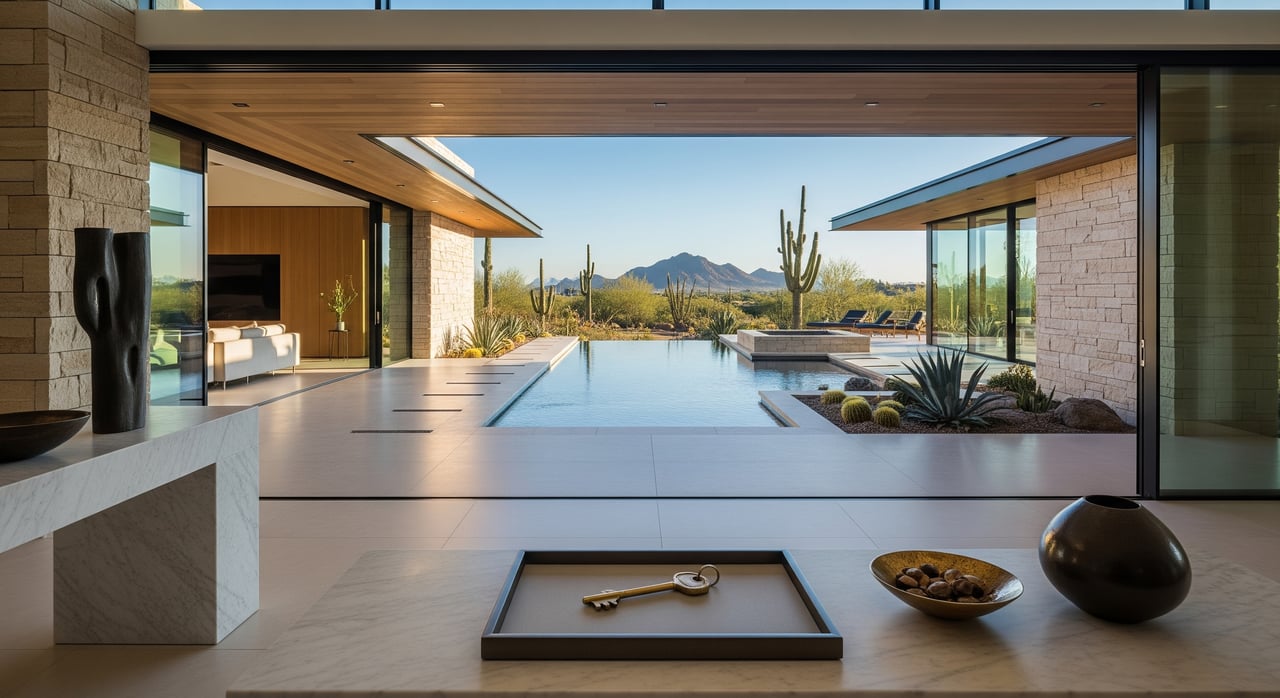
You will often see large glass walls, stone, steel, concrete, and wood used together in a way that feels modern but still tied to the landscape. Homes in this style are usually designed to frame mountain views, capture natural light, and create easy movement between indoor living areas and outdoor patios.
This design direction fits Paradise Valley especially well because it aligns with the town’s focus on scale, massing, and climate-sensitive design. When done well, contemporary desert architecture feels open and refined without looking out of place.
What Defines Desert Modern
Several features show up again and again in Paradise Valley’s desert modern homes:
- Hillside or view-oriented siting
- Expansive glass and high ceilings
- Natural stone and warm wood accents
- Smooth concrete or plaster surfaces
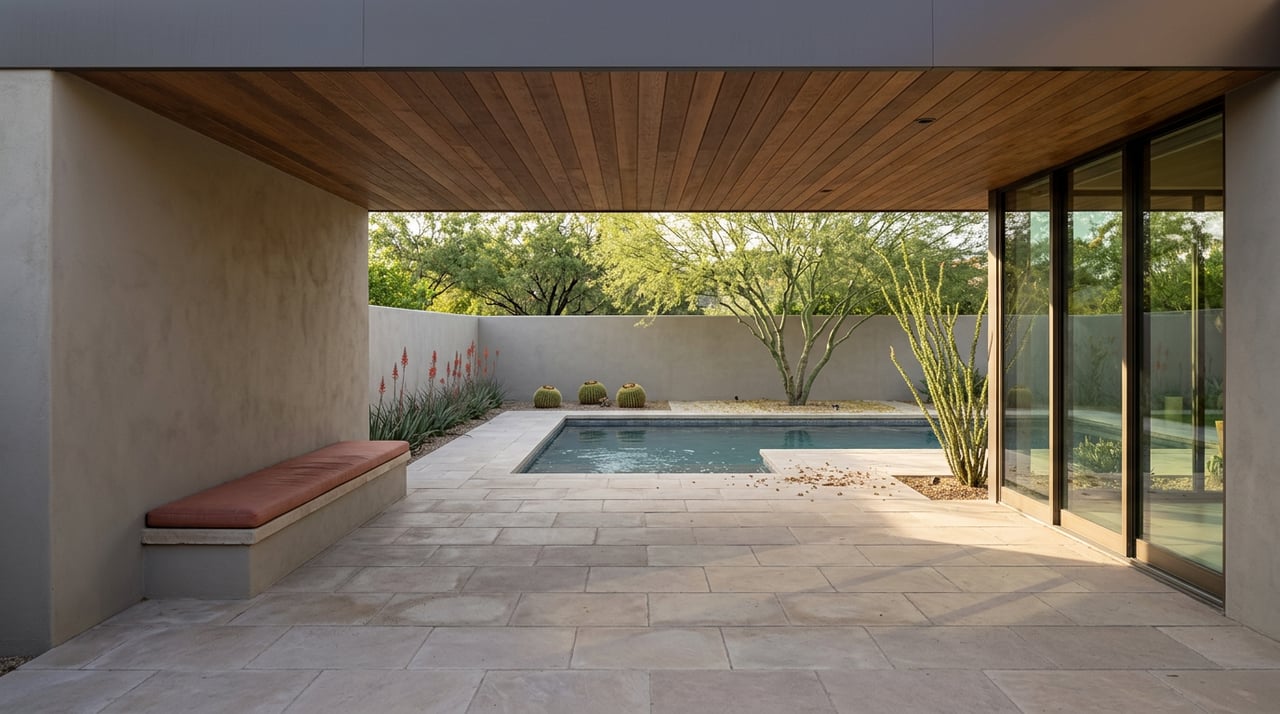
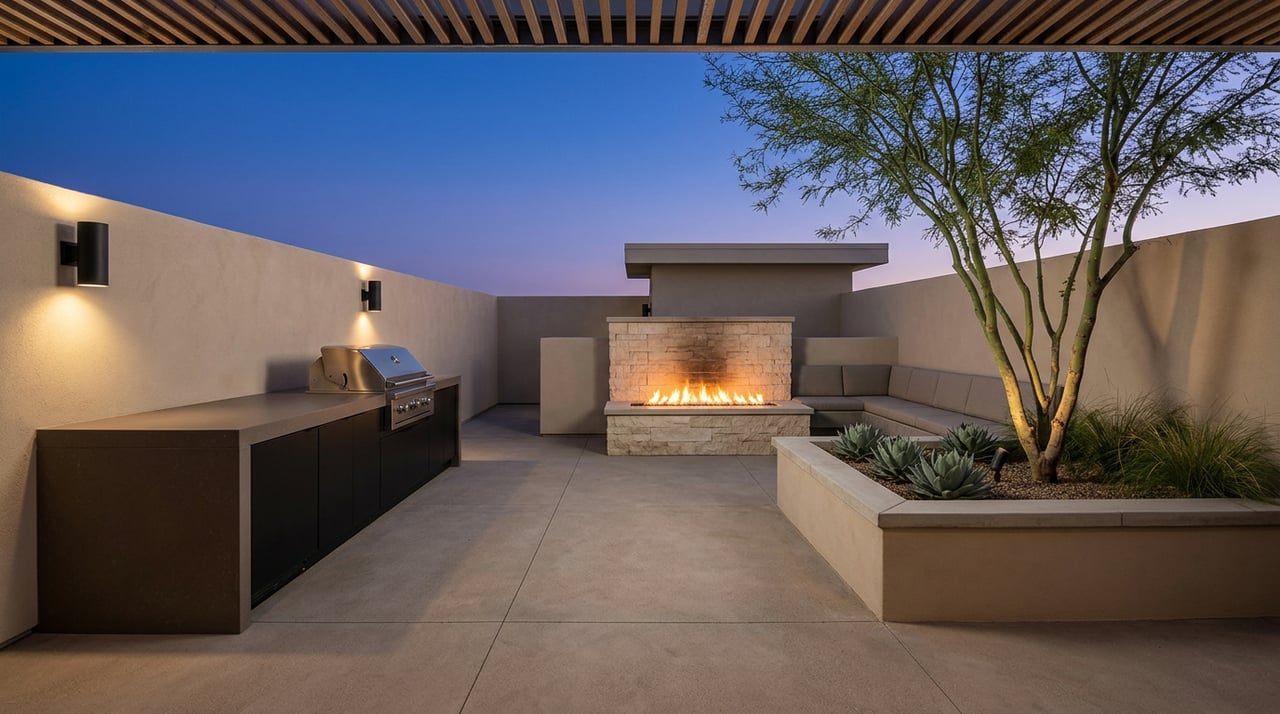
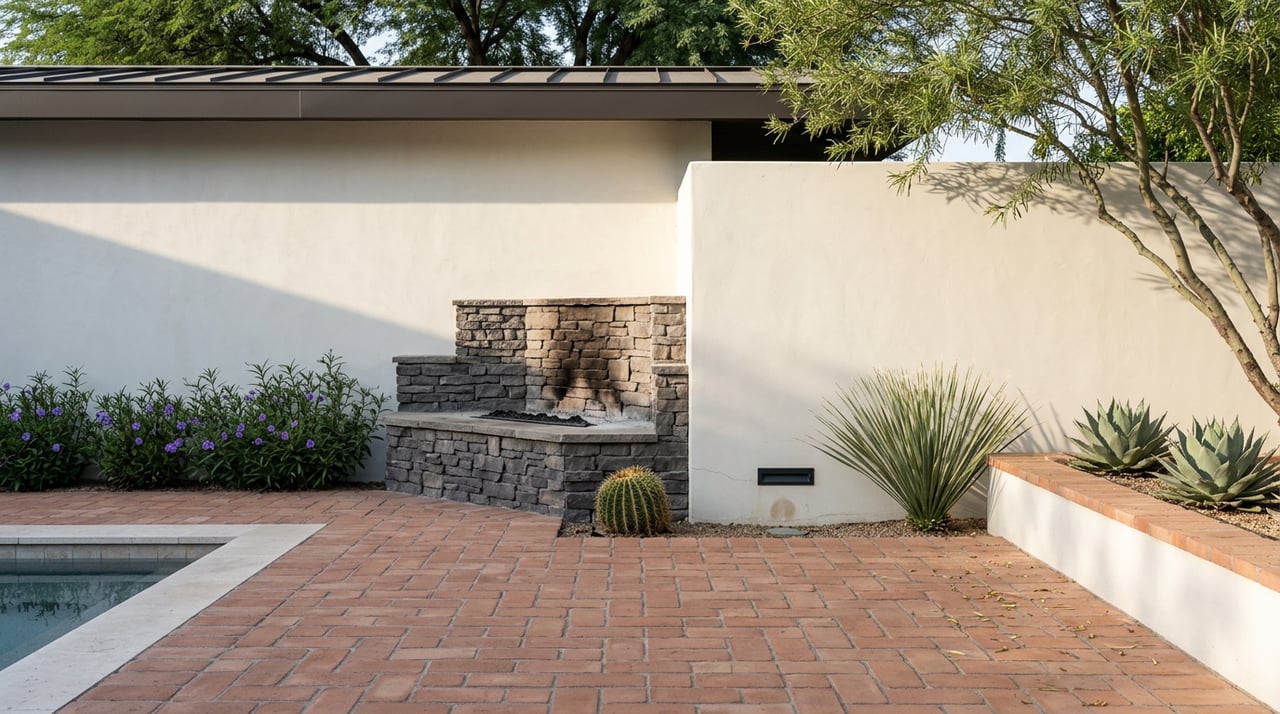
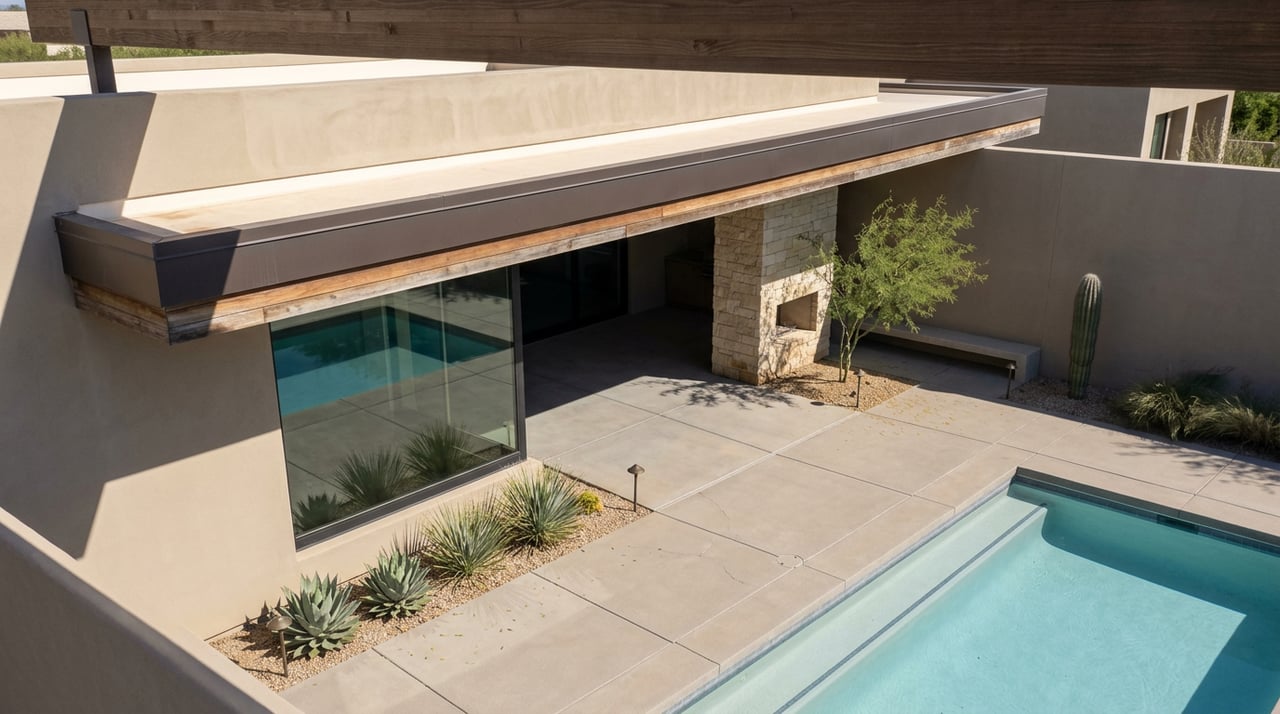
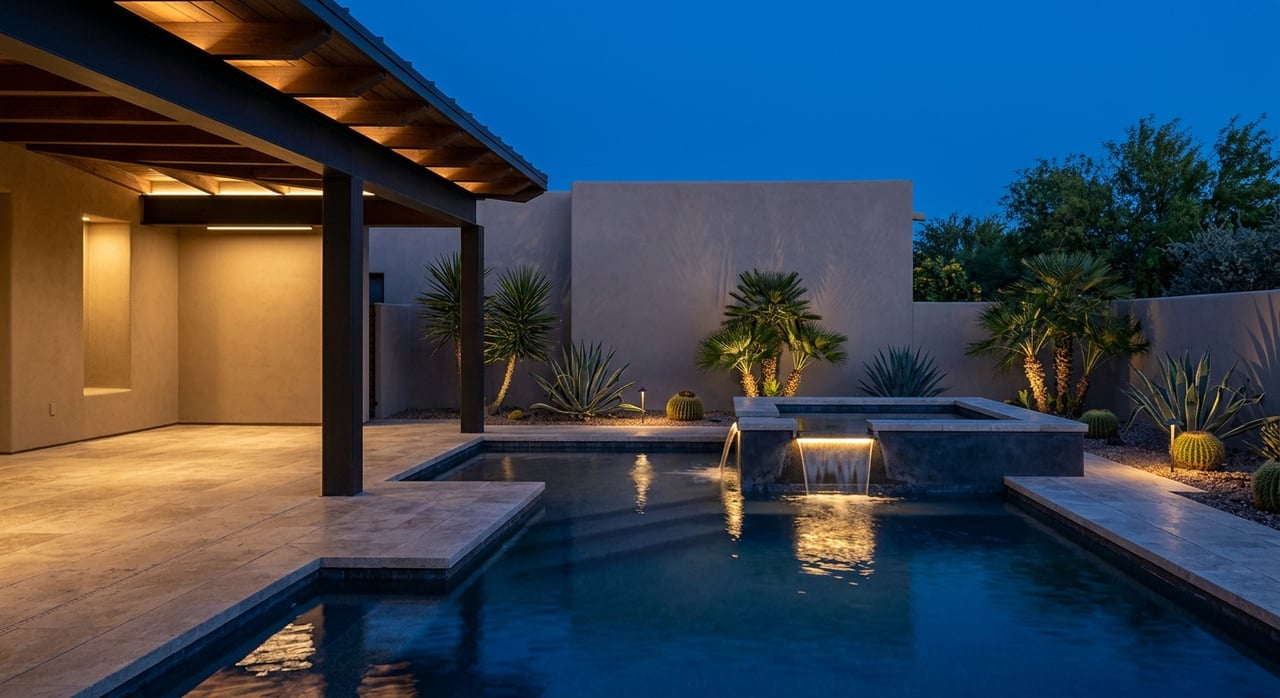
- Outdoor living rooms with pools, fire features, and shade
- Native or low-water desert landscaping
For sellers, this style often photographs beautifully and supports premium visual marketing. For buyers, it can offer the clean lines of modern design without the cold feeling that sometimes comes with harsher finishes.
Southwestern Adobe Still Matters
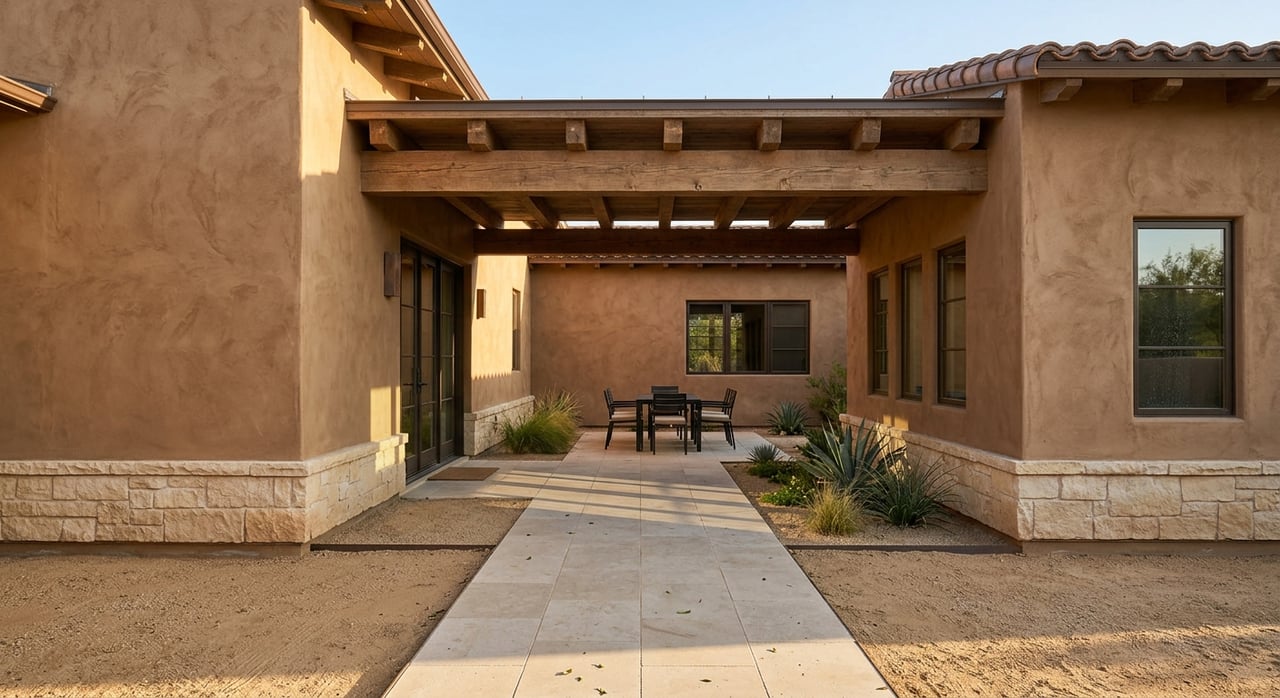
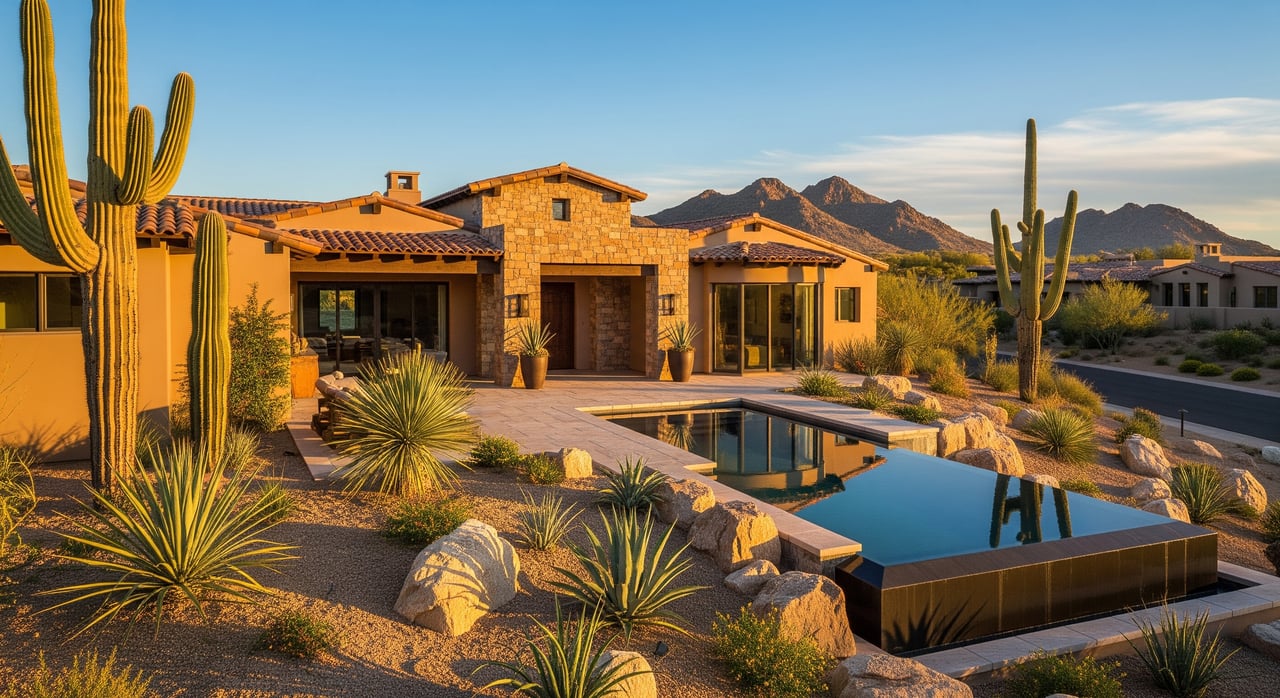
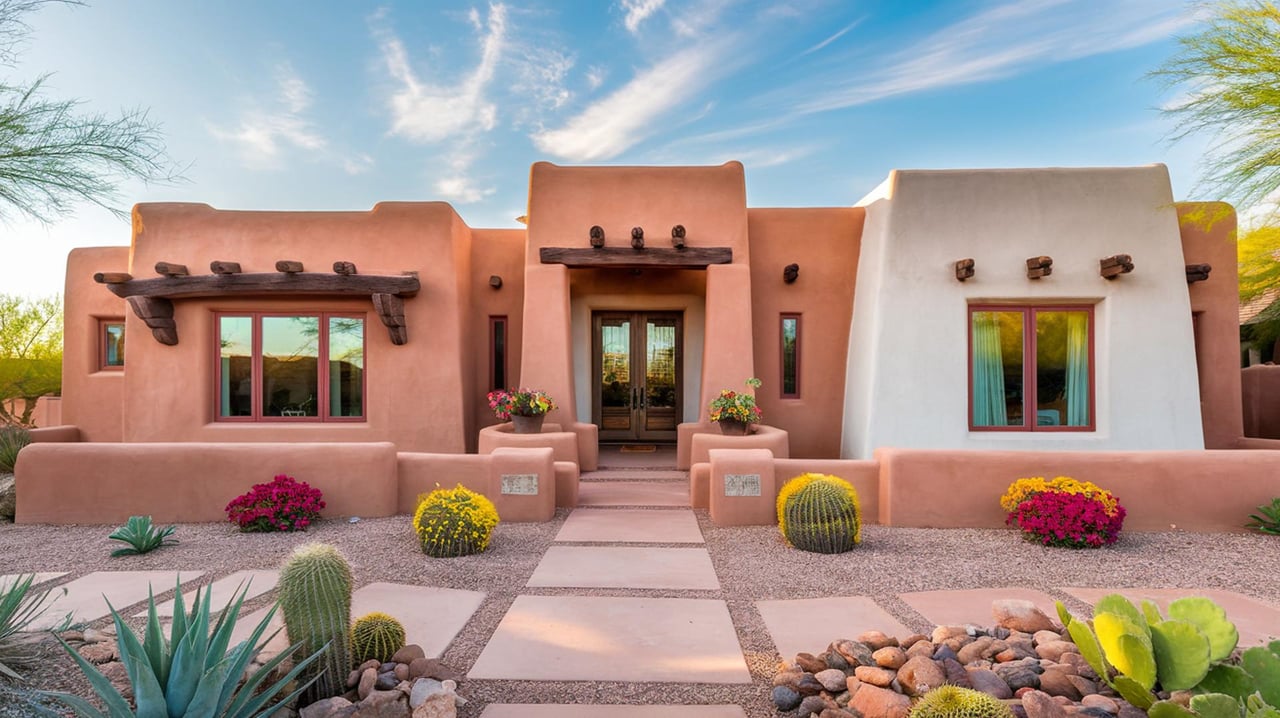
Paradise Valley’s Southwestern character runs deeper than a surface-level trend. It is tied to the town’s early adobe and ranch-era roots, which still influence how authentic desert homes are perceived today.
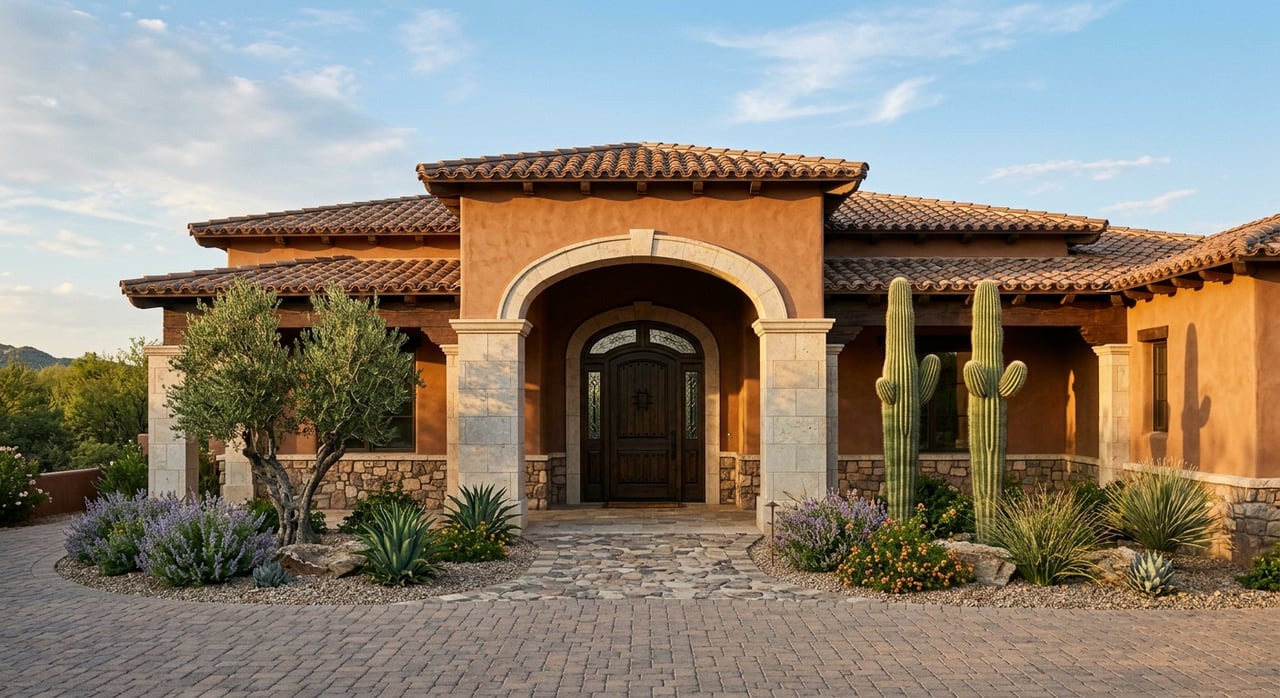
This style usually works best when it feels restrained and material-driven. Think adobe walls, patios, territorial details, and compound-like layouts that create privacy and connection between indoor and outdoor spaces.
Older adobe and ranch-inspired homes can remain very compelling in the market, especially when original character is preserved. Updated kitchens, baths, glazing, and outdoor entertaining spaces can help these homes feel current without losing what makes them special.
Why Authenticity Matters
In Paradise Valley, buyers often respond to homes that feel true to their architecture. A Southwestern home tends to read better when it leans into authentic materials and proportion rather than trying to mimic a resort look.
That matters for sellers because design consistency affects perception. If the architecture, finishes, and landscape all tell the same story, the home often feels more memorable and more polished.
Transitional Estates Stay Strong
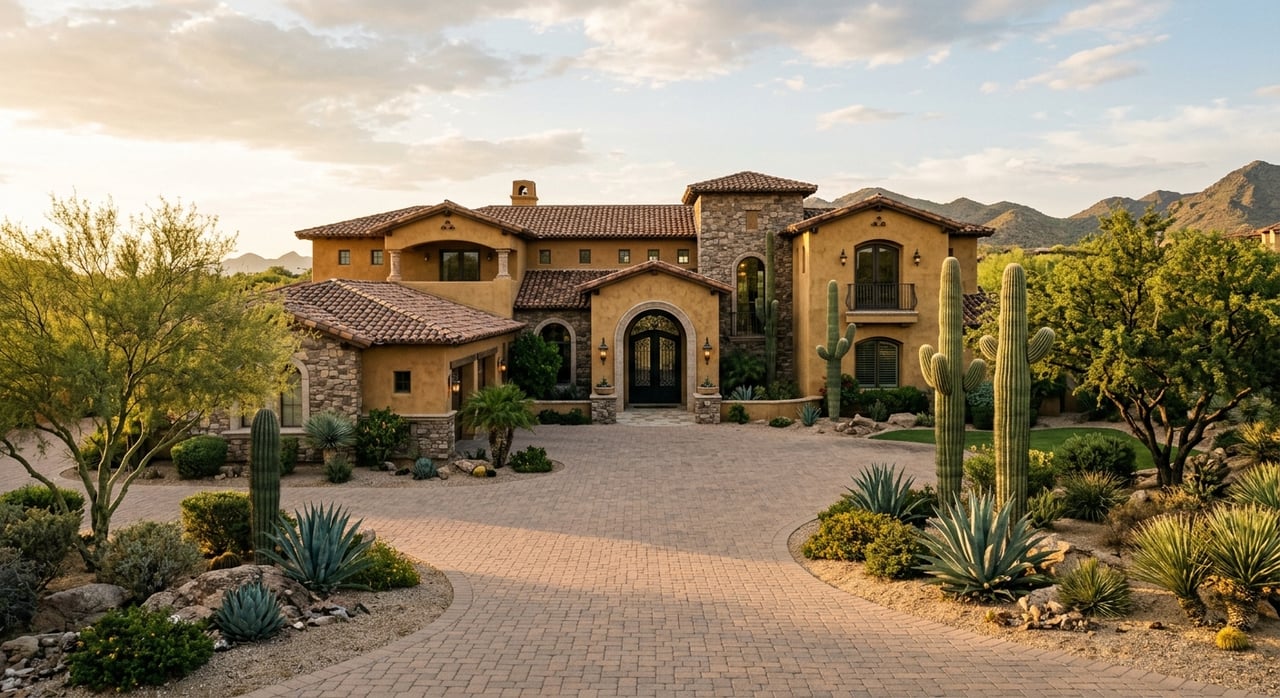
Another important style in Paradise Valley is the timeless estate or transitional look. These homes often combine classic proportions with updated interiors, creating something formal enough for luxury buyers but still warm and comfortable.
You may see refined stonework, wood detailing, elegant room flow, and resort-style outdoor amenities. The appeal is balance. Buyers who want a home that feels current but not overly trendy are often drawn to this category.
This style also fits well with the local design culture because it allows for sophistication without losing a sense of place. In Paradise Valley, that usually means warm materials, strong outdoor connections, and a layout that supports both entertaining and everyday living.
Midcentury Modern Adds Character
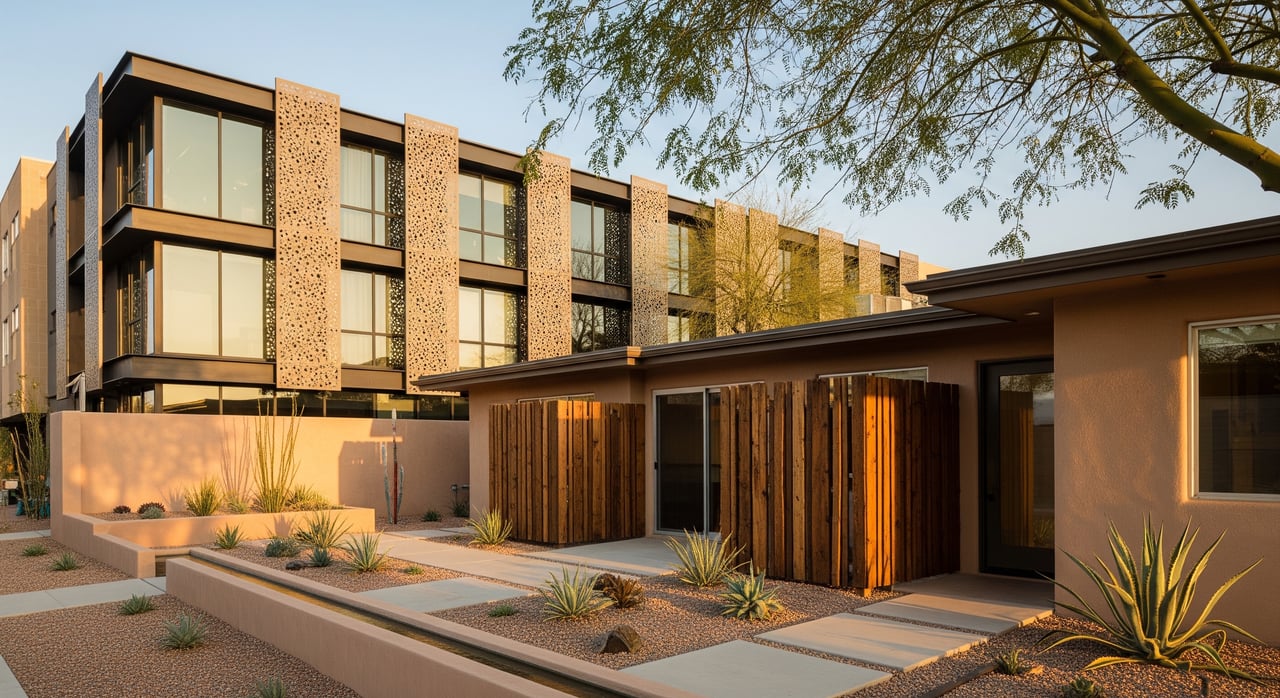
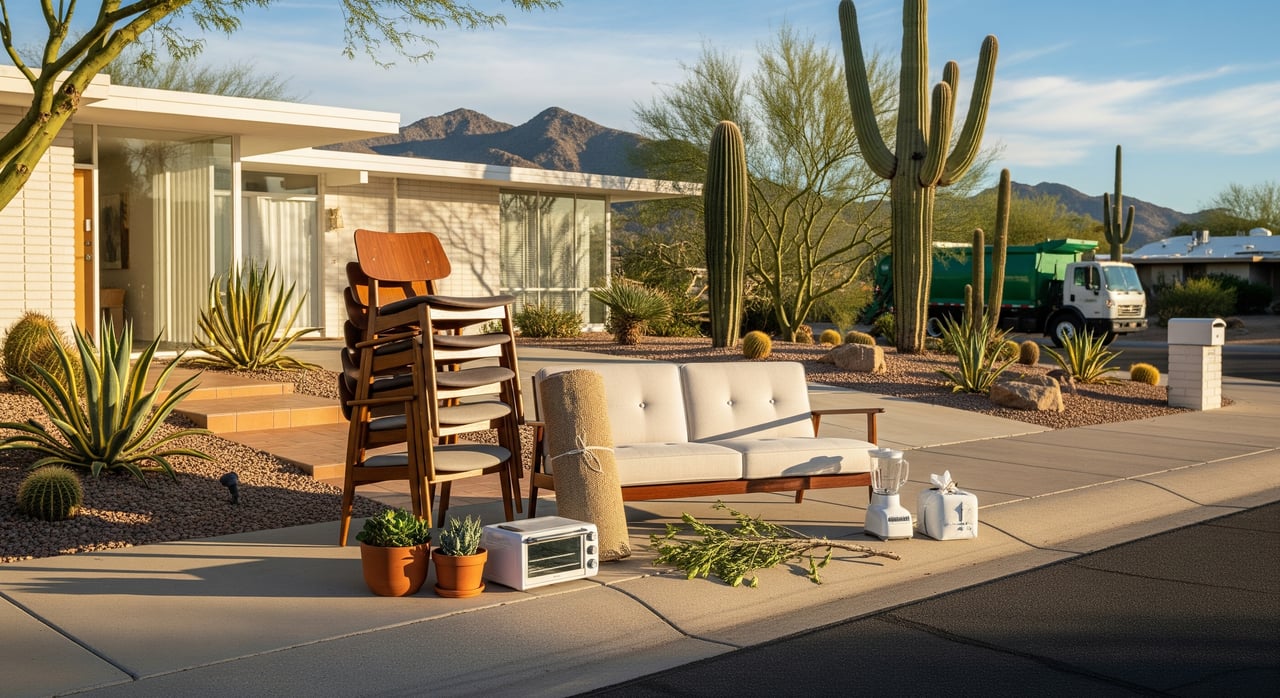
Midcentury modern is not the dominant style in Paradise Valley, but it remains an important part of the town’s architectural mix. In older pockets, you can still find homes with floor-to-ceiling windows, exposed beams, concrete block, pivot doors, and patios that open directly to desert views.
These homes help explain why Paradise Valley does not feel stylistically uniform. Instead, it feels eclectic in a curated way, with different architectural eras sharing the same respect for landscape, light, and openness.
For buyers, a well-preserved or thoughtfully updated midcentury home can offer character that is hard to replicate. For sellers, retaining original design elements while modernizing key spaces can strengthen the home’s position in the market.
Luxury Design Trends Shaping Interiors
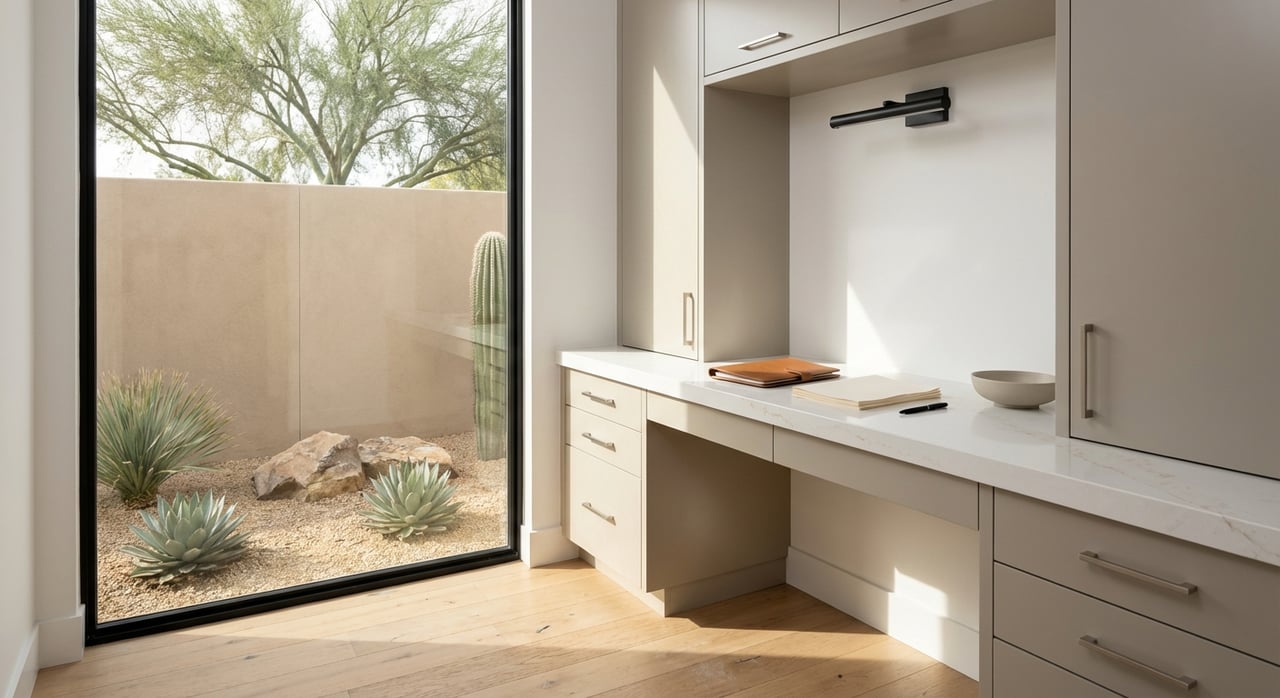
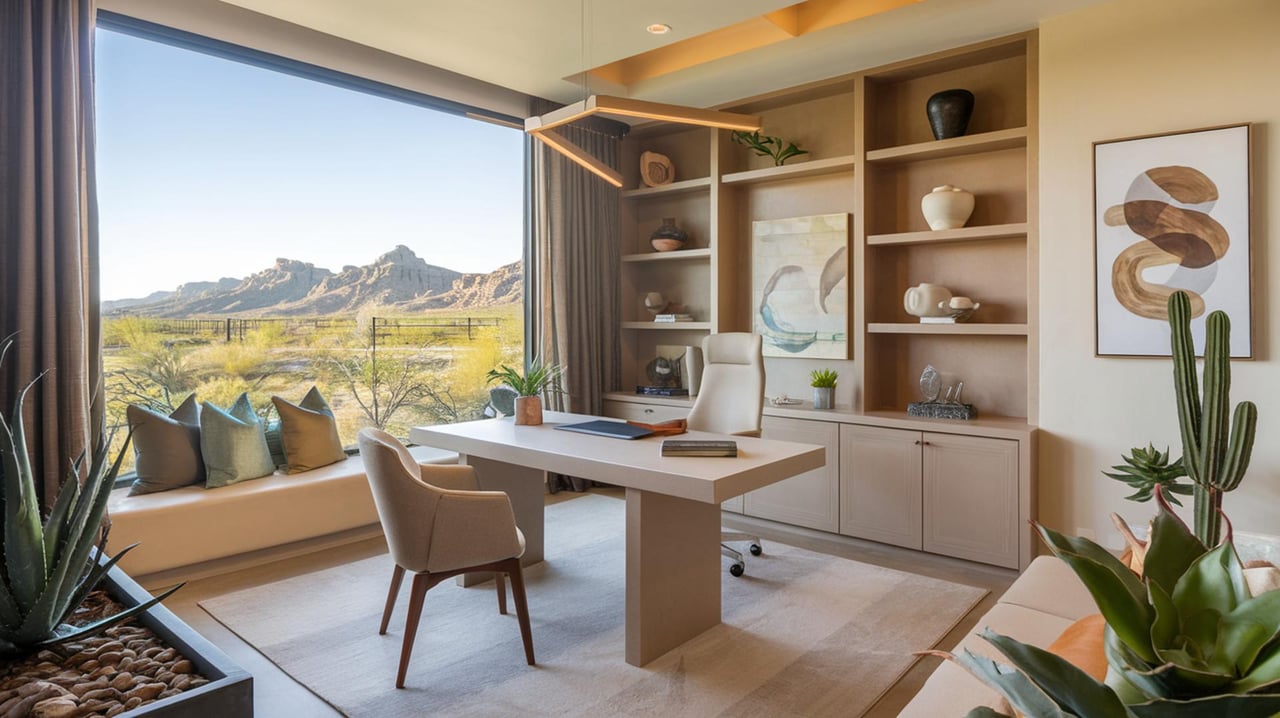
Across 2025 and 2026 trend reporting, one of the biggest shifts is clear: luxury interiors are getting warmer. Stark whites and cool grays are giving way to earthier tones like beige, taupe, sage, olive, and terra cotta.
That change fits Paradise Valley naturally. Warmer palettes tend to connect better with desert light, stone surfaces, wood tones, and the surrounding landscape.
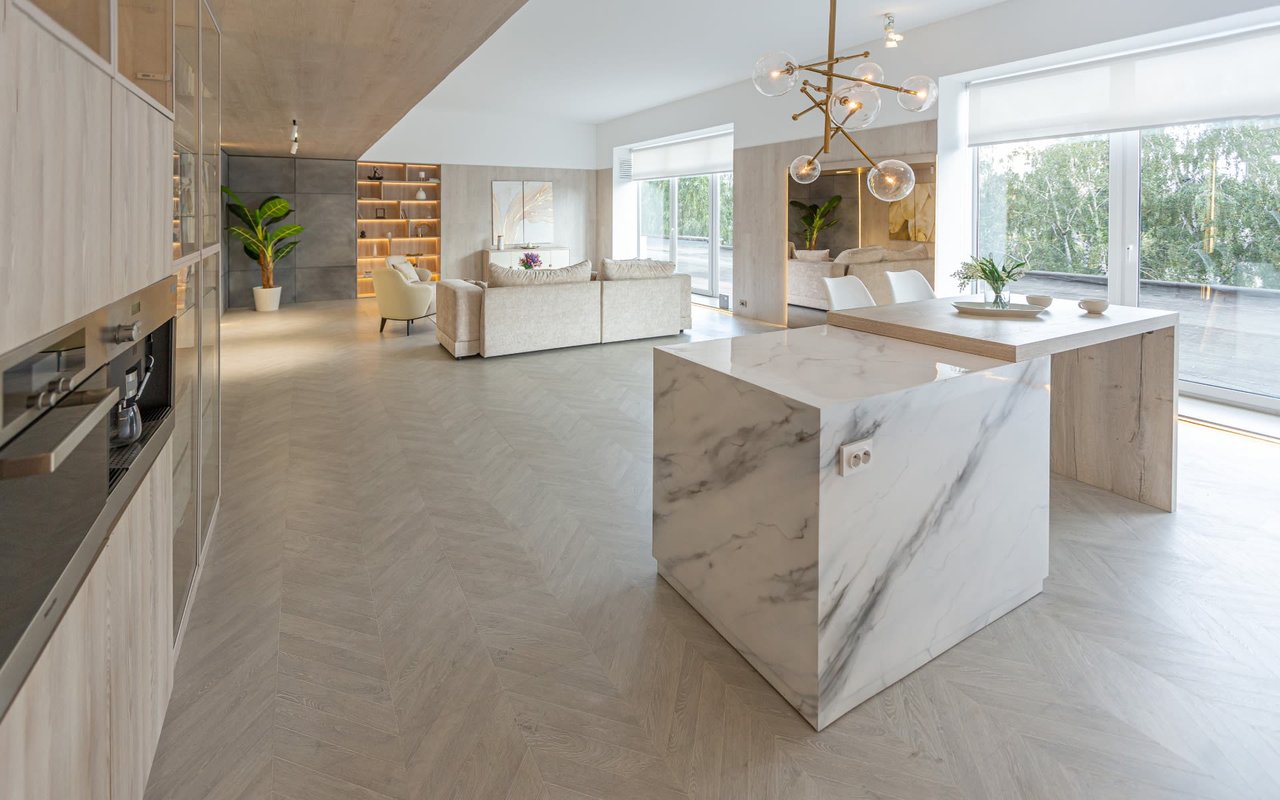
Natural textures are also playing a larger role. Wood, plaster, natural stone, and layered materials help interiors feel more tactile and less severe. Houzz reported that wood cabinetry became the top cabinet color in renovated kitchens at 29%, just ahead of white at 28%.
Key Interior Trends Buyers Notice
If you are evaluating a home in Paradise Valley, these are the design details that often stand out right now:
- Warm, earthy color palettes
- Wood cabinetry and mixed-material kitchens
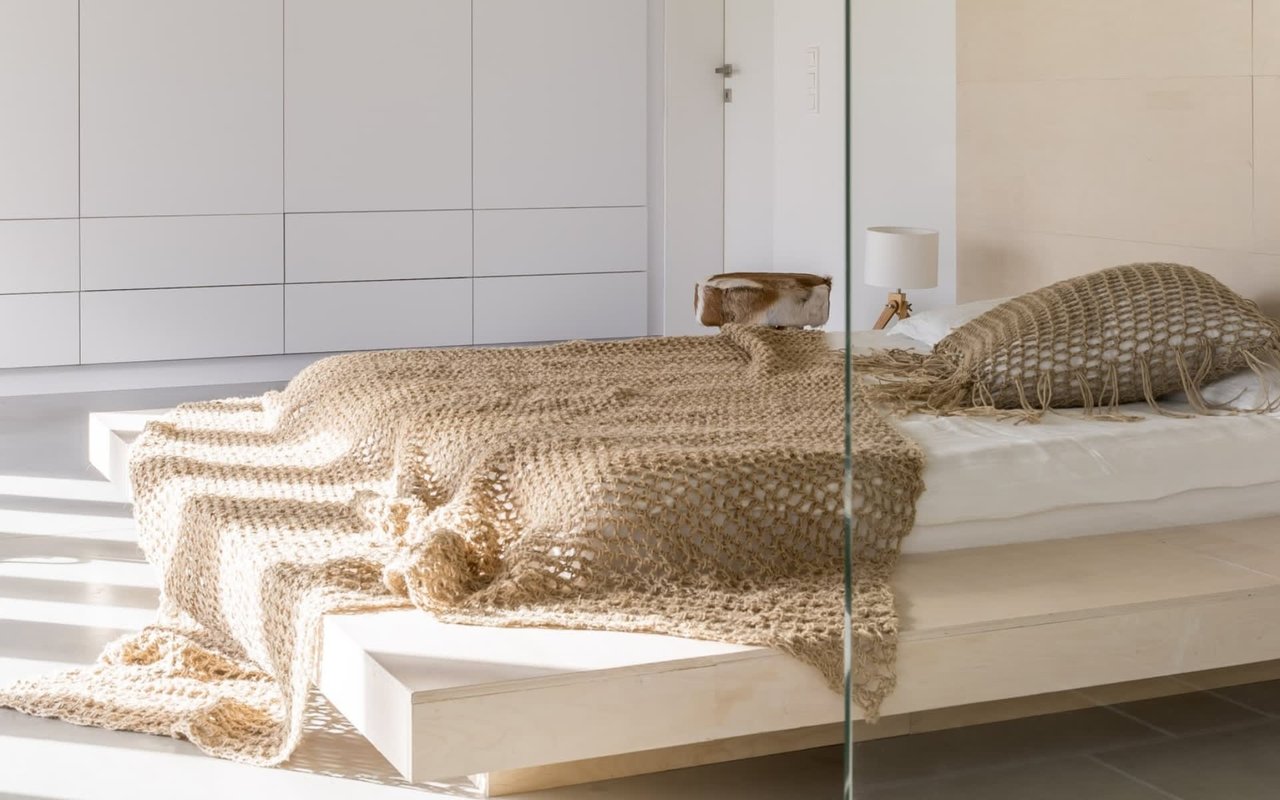
- Natural stone, plaster, and textured finishes
- Softer shapes like curves and arches
- Daylight-focused spaces
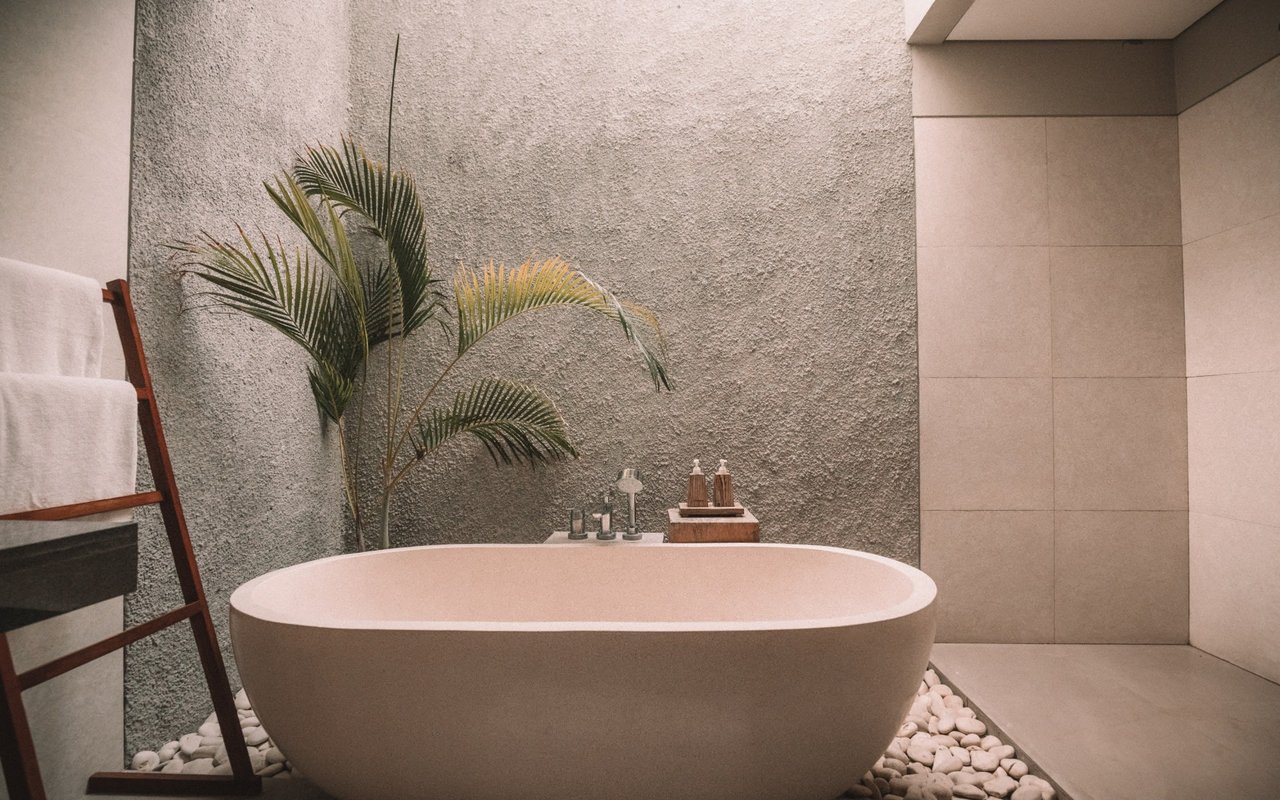
- Wellness-inspired baths and relaxing retreat areas
These trends do not mean every home needs a full remodel. Often, the strongest impression comes from a few thoughtful choices that make the home feel more current, cohesive, and inviting.
Kitchens and Baths Are More Purposeful
Luxury kitchens are becoming more hospitality-focused, which is a natural fit for Paradise Valley homes built around entertaining. Hidden function is a major theme, with specialty built-ins, beverage stations, scullery-style support spaces, and appliance storage that keeps the main kitchen visually clean.
Houzz’s 2026 kitchen study found that 76% of renovating homeowners added specialty built-ins, 24% included beverage stations, and 28% used slab backsplashes. These details can make a kitchen feel both more functional and more elevated.
Bathrooms are also shifting toward spa-like design. Trend reporting points to stronger demand for wellness-oriented spaces, along with rising interest in features like daylighting and radiant heated floors.
For sellers, these spaces matter because buyers tend to notice where design meets daily life. For buyers, they can signal whether a home has been updated in a way that supports modern living rather than just surface-level style.
Softer Shapes Are Replacing Harsh Minimalism
Another trend influencing luxury design is a move away from rigid modernism. Curves, arches, rounded islands, and sculptural forms are becoming more common.
This softer geometry works well in Paradise Valley because it adds warmth to contemporary homes. It helps modern spaces feel calmer, more livable, and better suited to the natural shapes and colors of the desert environment.
If a home feels contemporary but not cold, this is often part of the reason. Buyers are increasingly drawn to spaces that look refined while still feeling comfortable and sensory-rich.
Outdoor Living Is Central in Paradise Valley
In Paradise Valley, outdoor living is not an extra. It is part of the main living experience. That is true in both local luxury homes and broader design trend data.
AIA’s 2025 survey found that outdoor living spaces and blended indoor-outdoor areas remain top exterior features. Houzz’s 2026 outdoor study reported that 83% of renovated outdoor spaces included a lounge or seating area, 71% included sofas or lounge chairs, and 66% included outdoor lighting.
That lines up closely with what you see in Paradise Valley. Pocketing glass, patios off primary living spaces, outdoor kitchens, pergolas, fire pits, pools, heaters, misting systems, and water features all support a year-round entertaining lifestyle.
What Strong Outdoor Design Looks Like Here
The best outdoor spaces in Paradise Valley usually share a few traits:
- Clear connection to main interior living areas
- Shade, lighting, and comfort features for extended use
- Pools or water elements placed to support views
- Native or low-water landscaping
- Materials and colors that match the home’s architecture
- Privacy and screening that still feel open and elegant
Because the town emphasizes native plant material, dark skies, and desert-appropriate landscaping, the strongest outdoor spaces tend to feel polished and climate-aware rather than overly lush or disconnected from the setting.
What Buyers and Sellers Should Watch For
In Paradise Valley, architecture is more than appearance. It acts as a signal of fit. Homes often feel most desirable when the architecture, landscape, and outdoor rooms work together and reflect one coherent desert story.
That can mean a desert modern home with warm stone and shaded patios. It can mean a preserved adobe with updated interiors. It can also mean a classic estate with refined finishes and a strong indoor-outdoor flow.
For sellers, this is where presentation matters. A home usually makes the strongest impression when its style is clear, its updates feel intentional, and its design connects to the setting.
For buyers, it helps to look beyond labels. Instead of asking only whether a home is modern, traditional, or Southwestern, it is smarter to ask whether the design feels authentic, well-executed, and suited to Paradise Valley.
If you are thinking about buying, selling, or positioning a home in Paradise Valley, local design context can shape both value and first impressions. For tailored guidance, professional marketing insight, and concierge-level support, reach out to Kayla Kerulis.
FAQs
What architectural style is most common in Paradise Valley luxury homes?
- Contemporary desert design is one of the most visible styles today, with big glass, warm natural materials, strong indoor-outdoor flow, and architecture that responds to mountain views and desert terrain.
How does Paradise Valley’s desert setting influence home design?
- The town emphasizes respect for natural landscape, native vegetation, dark skies, hillside sensitivity, and low-water-use landscaping, so homes often use warm materials, climate-appropriate plantings, and view-oriented layouts.
Are adobe and Southwestern homes still desirable in Paradise Valley?
- Yes. Homes with authentic adobe or Southwestern character can remain very appealing, especially when original features are preserved and paired with thoughtful updates to kitchens, baths, glazing, and outdoor spaces.
What interior design trends are popular in Paradise Valley homes right now?
- Warmer color palettes, wood cabinetry, natural stone, plaster finishes, layered textures, softer shapes, and wellness-oriented spaces are all influencing luxury interiors.
What outdoor features stand out in Paradise Valley luxury properties?
- Buyers often notice seamless indoor-outdoor flow, shaded patios, lounge areas, outdoor lighting, pools, fire features, outdoor kitchens, and desert-appropriate landscaping that matches the architecture.
Why does architectural consistency matter when selling a Paradise Valley home?
- Homes often show best when the architecture, finishes, landscaping, and outdoor living areas feel cohesive, because that creates a stronger sense of quality, authenticity, and fit with the local setting.