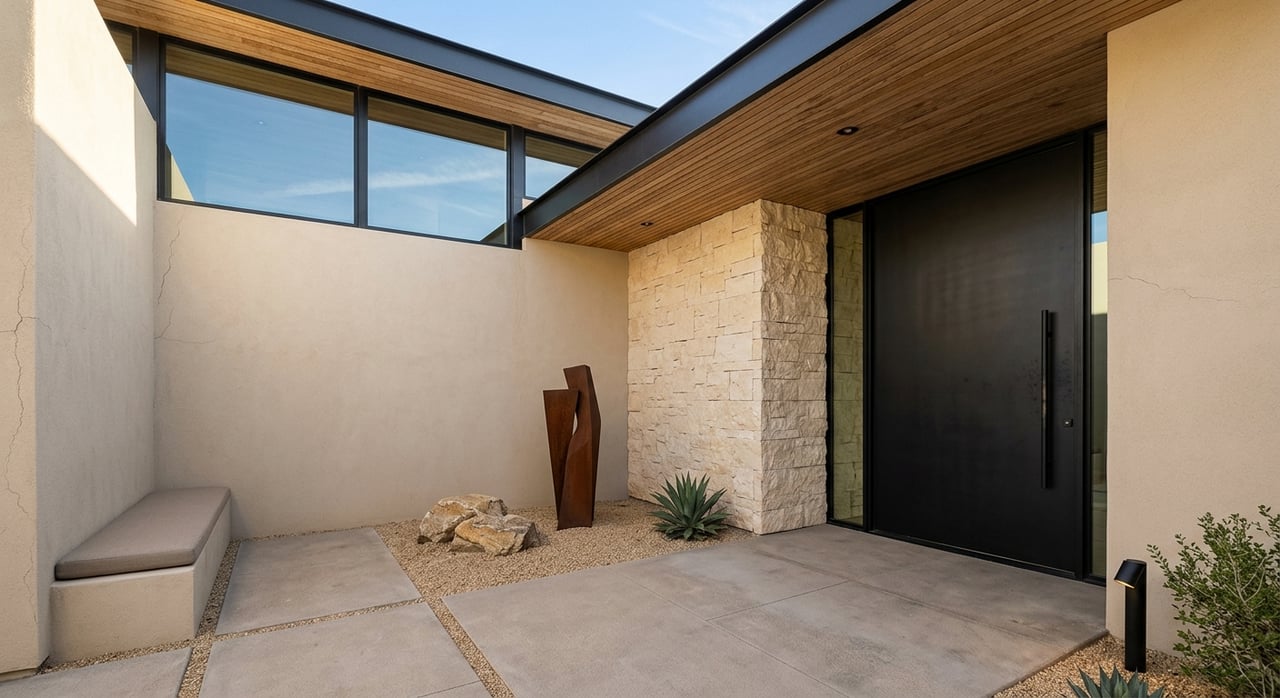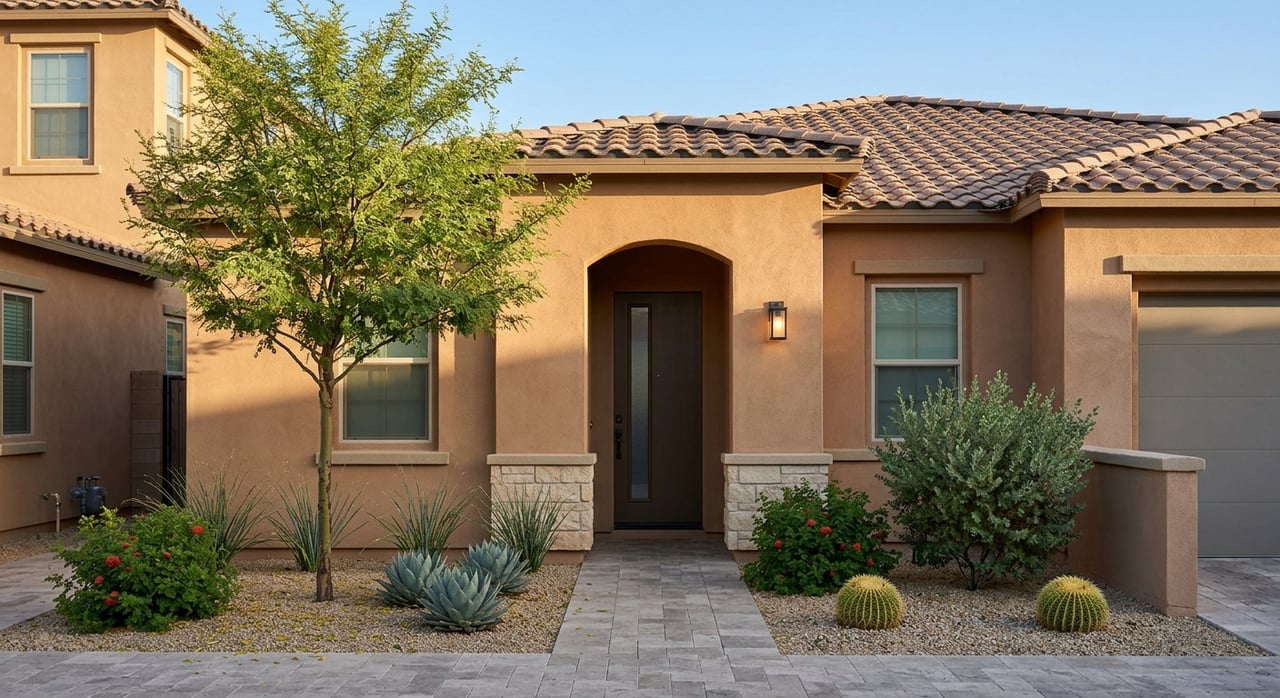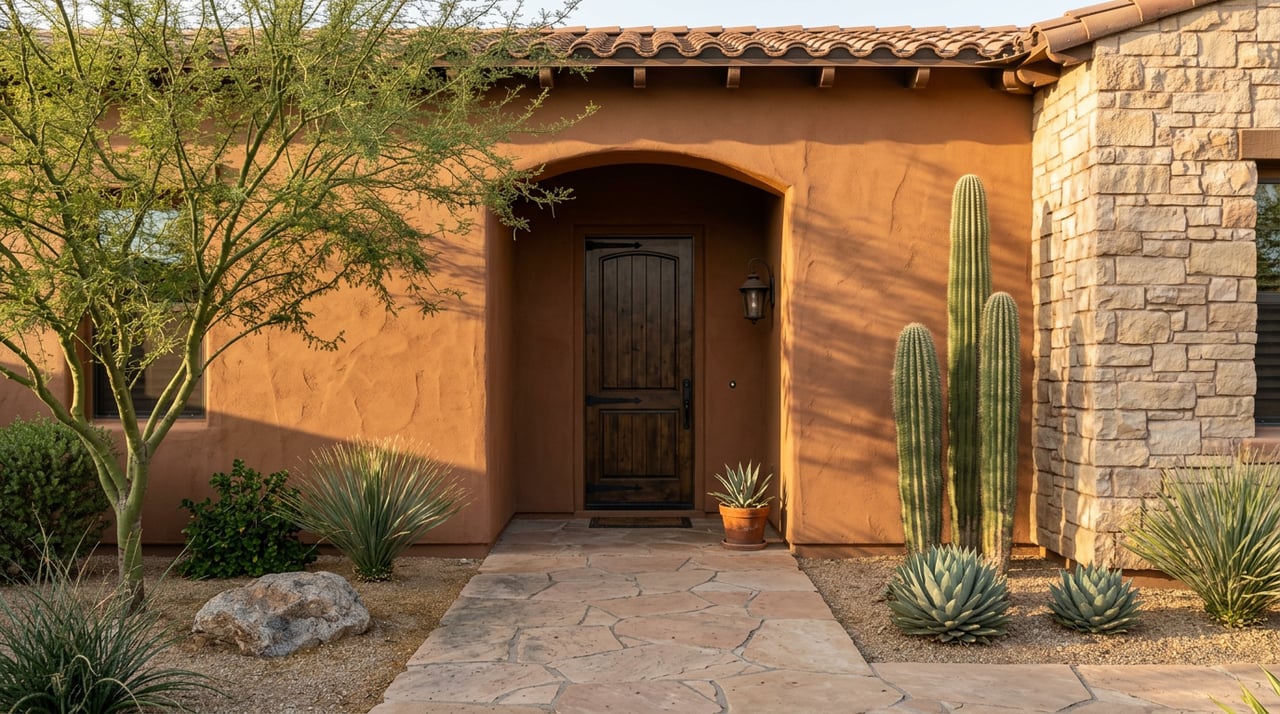
Trying to decide between a condo and a house in Phoenix? You are not alone, and the choice can feel bigger here than in many other markets. Between price differences, HOA rules, heat-season upkeep, and neighborhood patterns, the right fit depends on how you want to live day to day. This guide will help you compare both options in a clear, practical way so you can move forward with confidence. Let’s dive in.
Start With Your Budget
In Phoenix, condos and townhomes often offer a lower entry price than single-family homes. Phoenix REALTORS® reported a June 2026 median sales price of $330,000 for townhouse and condo homes, compared with $485,000 for single-family homes. That gap makes condos worth a close look if you want to get into the market at a lower price point.
At the same time, purchase price is only part of the story. Your real monthly cost may also include HOA assessments, insurance differences, and shared community expenses. A condo that looks more affordable at first glance can feel very different once you factor in those ongoing costs.
Phoenix market timing also varies by property type. The same June 2026 report showed 96 days on market for townhouse and condo homes versus 76 days for single-family homes. That does not make one option better than the other, but it does show that condos and houses can move at different speeds in the local market.
Compare Total Monthly Cost
Before you choose, compare the full monthly picture for each property:
- Mortgage payment
- Property taxes
- Homeowners insurance
- HOA assessments
- Any known community costs or reserve-related concerns
Arizona resale disclosure rules can help you make that comparison. Resale packets for condominiums and planned communities must disclose assessment amounts, budgets, annual financial reports, insurance coverage, reserve studies if available, and pending lawsuits. That gives you a more complete view before you commit.
Understand Maintenance and Control
One of the biggest differences between a condo and a house is who handles what. Under Arizona condominium law, the association is generally responsible for maintenance, repair, and replacement of common elements, while the unit owner is responsible for the unit itself. In simple terms, condo ownership often shifts more exterior and common-area responsibility to the association.
A house usually gives you more direct control over the property, but it also means more responsibility. If something needs repair or replacement on the property itself, you are usually making those decisions and covering those costs. For many buyers, this tradeoff matters just as much as price.
A House Can Still Have an HOA
It is important not to assume that buying a house means avoiding HOA rules. Arizona’s buyer checklist warns that CC&Rs may restrict things like landscaping, RV parking, play equipment, and satellite antennas. A single-family home in a planned community can still come with monthly assessments and community rules.
That is why the better question is not simply, “Condo or house?” It is, “What does this specific HOA cover, and what does it restrict?” Two properties with the same price can offer very different ownership experiences.
Review HOA Documents Carefully
Arizona resale packets are designed to show you what you are stepping into. These documents may include:
- Current assessment amounts
- Operating budget
- Annual financial report
- Reserve study, if available
- Insurance coverage
- Pending litigation
- Assessment status
- Notice of alterations that may violate the declaration
The packet also includes a signed acknowledgment that the governing documents are a contract and that unpaid assessments can lead to foreclosure. That is a serious reason to read the paperwork closely and ask questions early.
Think About Phoenix Lifestyle Patterns
Where you want to live in Phoenix often points you toward one property type before you even realize it. Downtown Phoenix is the city’s urban center, with government, business, cultural, and transportation uses concentrated in one area. It also includes places like Roosevelt Row, Grand Avenue, CityScape, the Phoenix Convention Center, and Valley Metro Rail access, which makes it a natural fit for condo buyers who want an urban setting.
The Biltmore area is another common condo-oriented pocket in Phoenix. It is known for high-rises, shopping, dining, and central access. If you picture a more lock-and-leave lifestyle in a mixed-use area, neighborhoods like these may rise to the top of your list.
Arcadia offers a useful contrast. It is often associated with historic charm, leafy streets, and mid-century ranch homes, which can appeal more to buyers looking for a single-family-home feel in central Phoenix. The setting, lot style, and housing mix create a different daily experience.
Urban Cores vs Suburban Villages
Phoenix planning documents also support a broader pattern. Village cores tend to have more intense land uses and generally taller buildings. That often lines up with where you see more condo and townhome options.
By contrast, suburban village areas such as Ahwatukee Foothills, Deer Valley, Desert View, Laveen, North Gateway, and South Mountain may be a more natural starting point if you want to focus on houses. If your lifestyle leans toward yard space, more separation from neighbors, or a more traditional single-family setup, these areas may fit your search better.
Factor in Phoenix Heat
Phoenix is an extreme-heat market, and that should absolutely shape your decision. The City of Phoenix defines May through September as heat season, and NOAA data for Phoenix Sky Harbor shows average daily maximum temperatures above 100 degrees in June, July, and August. That reality affects how a property lives and what it takes to maintain it.
When you compare a condo and a house, look beyond square footage and finishes. Think about air-conditioning reliability, roof condition, shade, exterior materials, and the amount of yard or landscape upkeep involved. In Phoenix, these are not minor details.
How Heat Can Change the Choice
A condo may reduce the amount of exterior maintenance you have to manage yourself. That can be appealing during the hottest months, especially if the association handles more of the building exterior or shared spaces. But you still need to understand whether the HOA is financially prepared for future repairs.
A house can offer more privacy and autonomy, which many buyers value. It can also mean you are more directly responsible for major repair and replacement decisions tied to the property. In Phoenix, heat makes those responsibilities especially important to think through long term.
Questions to Ask Before You Decide
The best choice usually becomes clearer once you ask a few practical questions. These questions can help you compare options with less guesswork and more confidence.
Ask About Monthly HOA Coverage
Find out exactly what the monthly HOA assessment covers and what it does not. Arizona disclosure rules require associations to share assessment status, budgets, annual financials, reserve information if available, insurance coverage, and more. That information can help you spot whether a lower-priced property still fits your monthly budget.
Ask About Lawsuits and Special Assessment Risk
Pending lawsuits and unpaid assessments must be disclosed in the resale documents. Those details matter because they can point to financial or governance issues that affect your ownership experience. It is wise to understand those risks before moving forward.
Ask How Much Property Control You Want
Some buyers want flexibility with landscaping, parking, or exterior changes. Others are happy to trade some control for simpler maintenance. Since Arizona’s buyer checklist notes that CC&Rs can restrict several common uses, it is important to match the property’s rules with your lifestyle.
Ask for New-Construction Documents Early
If you are buying new construction, ask whether the Arizona Department of Real Estate Public Report has been provided before you sign the purchase contract. Arizona says this report must be provided to a prospective purchaser by law before signing. It includes details such as HOA information, taxes and assessments, and common community facilities.
Ask When HOA Documents Will Arrive
Timing matters when you are under contract. Arizona law gives the association 10 days after notice of a pending sale to deliver the disclosure packet. The law also generally limits the resale-document fee to an aggregate of $400, with limited rush and update fees allowed.
So, Which One Makes More Sense?
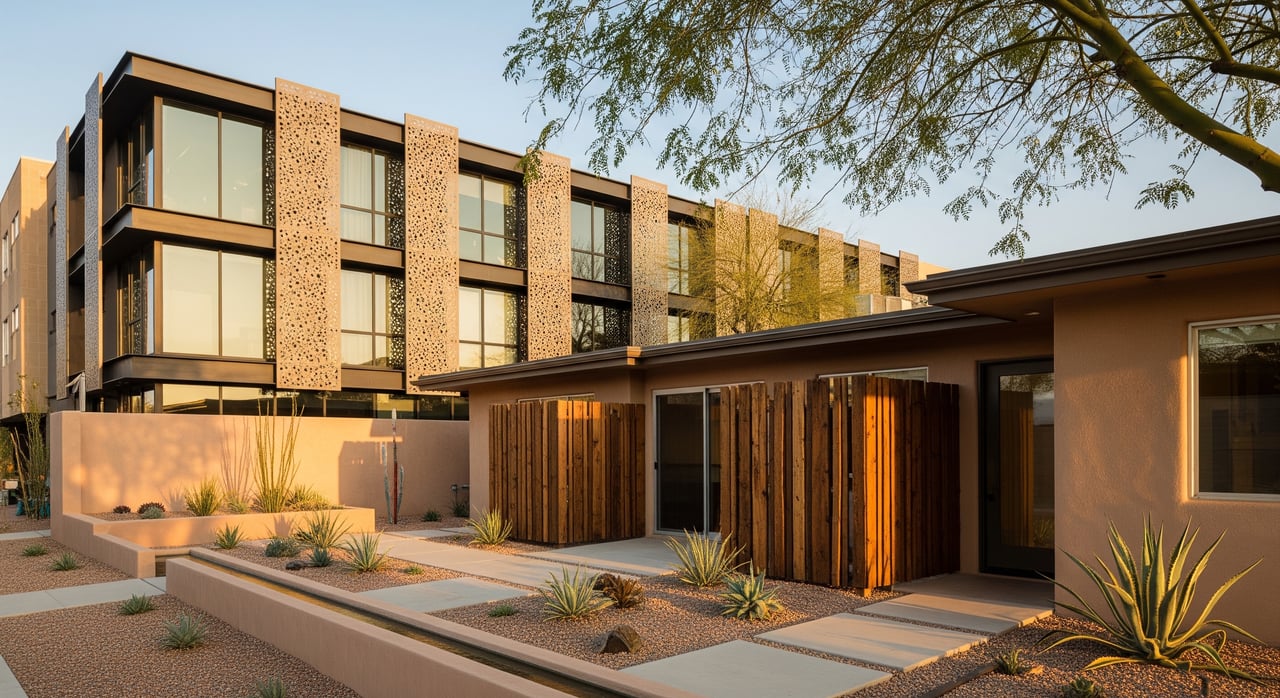
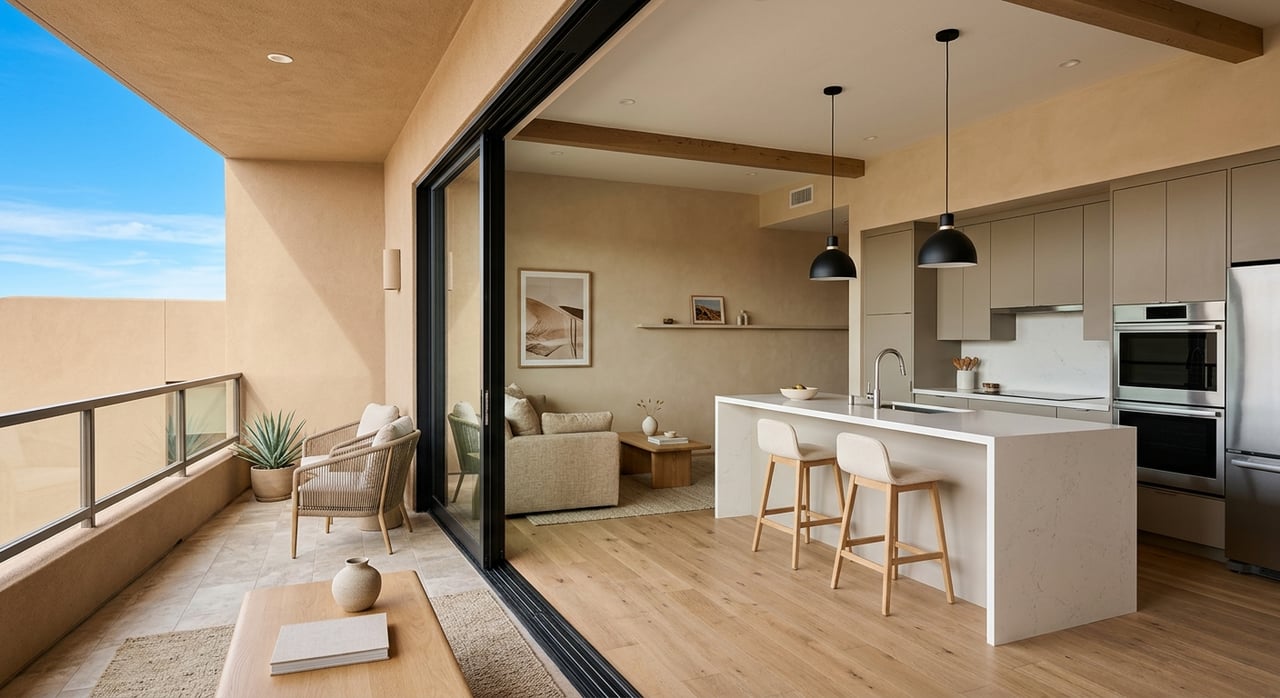
For many Phoenix buyers, a condo makes the most sense when lower entry price, central location, and reduced exterior maintenance matter most. That can be especially appealing in areas like downtown Phoenix and Biltmore, where condo living often aligns with the surrounding housing pattern and lifestyle.
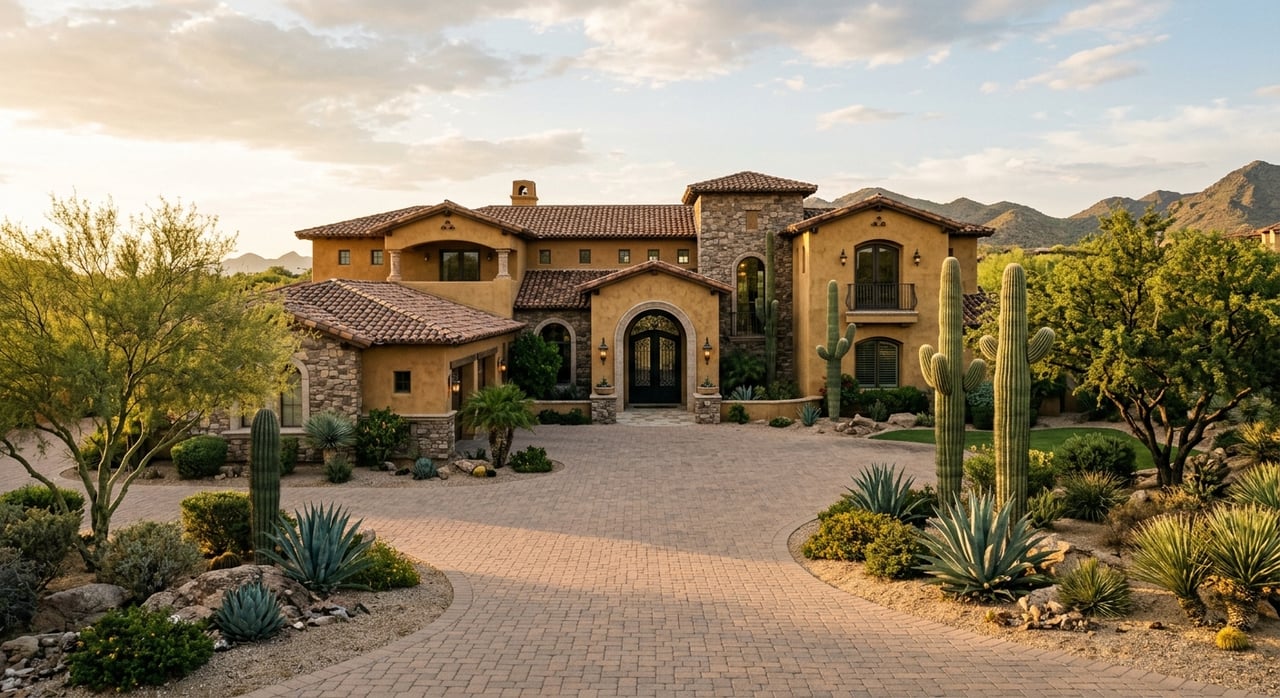
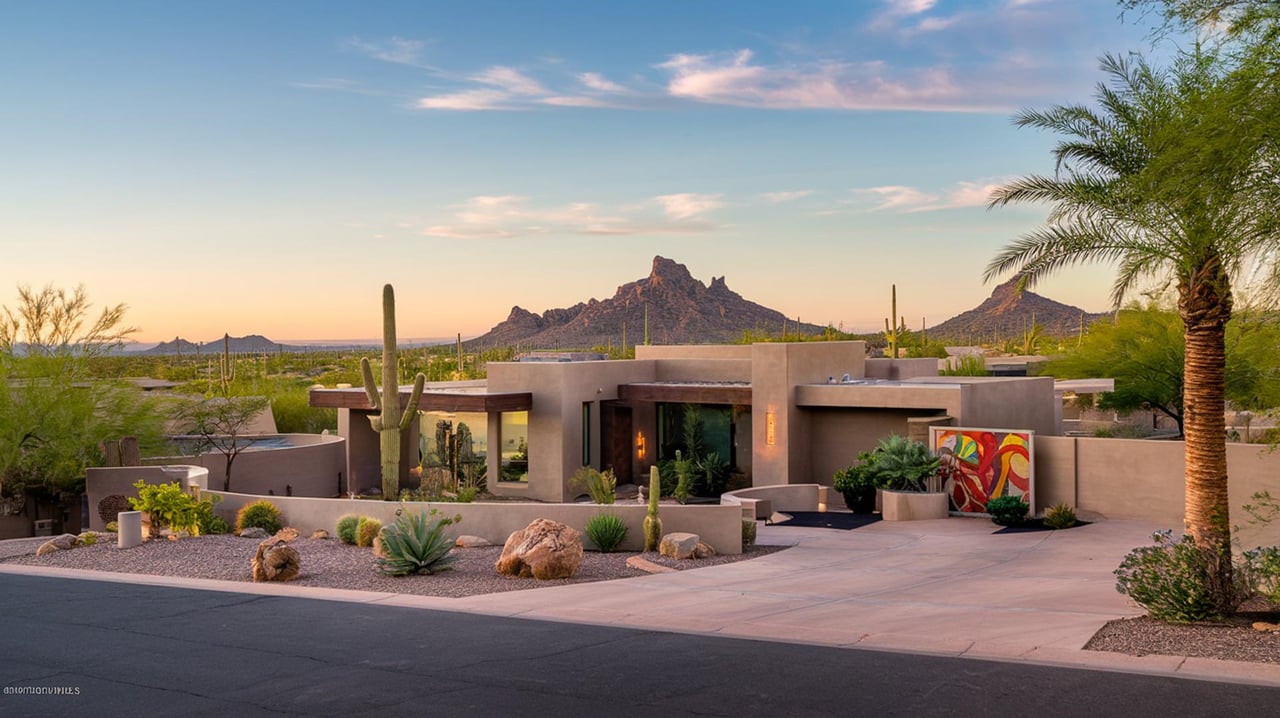
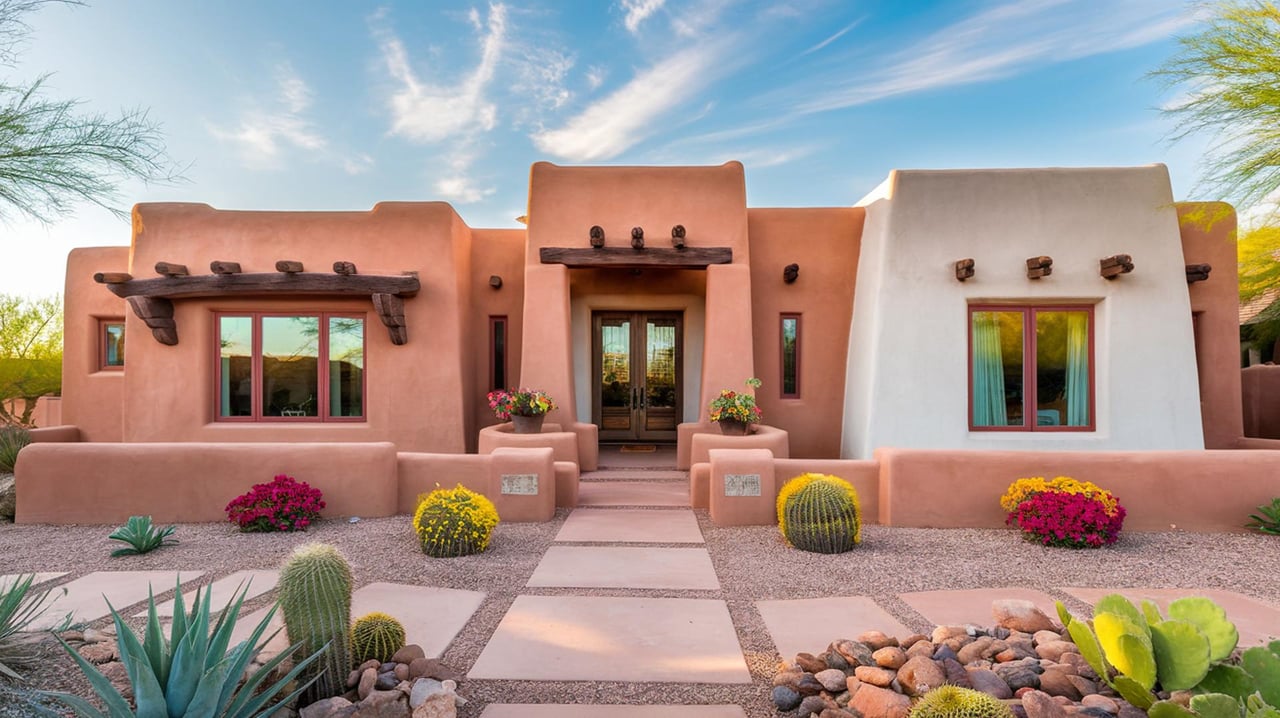
A single-family home often makes more sense when privacy, yard space, and greater control over the property matter more to you. That preference may steer your search toward Arcadia or more suburban village areas where house shopping is more common.
The right answer is personal, but it should also be practical. When you compare monthly cost, maintenance responsibility, HOA structure, location, and heat-related ownership demands, the best fit usually becomes much easier to see.
If you want concierge-style guidance as you compare condos and houses across Phoenix, Kayla Kerulis can help you weigh the numbers, the neighborhoods, and the day-to-day lifestyle so you can make a confident move.
FAQs
What is the price difference between condos and houses in Phoenix?
- Phoenix REALTORS® reported a June 2026 median sales price of $330,000 for townhouse and condo homes and $485,000 for single-family homes.
What do HOA documents show for Phoenix condos and houses?
- Arizona resale packets may disclose assessment amounts, budgets, annual financial reports, reserve studies if available, insurance coverage, pending lawsuits, and assessment status.
Can a single-family house in Phoenix still have HOA rules?
- Yes. Arizona’s buyer checklist says CC&Rs may restrict items such as landscaping, RV parking, play equipment, and satellite antennas.
Which Phoenix areas tend to have more condos?
- Condo shopping often clusters in downtown Phoenix, Central City, Biltmore, and similar mixed-use corridors.
Why does Phoenix heat matter when choosing a condo or house?
- Phoenix heat season runs from May through September, so buyers should pay close attention to air-conditioning reliability, roof condition, shade, exterior materials, and landscape upkeep.