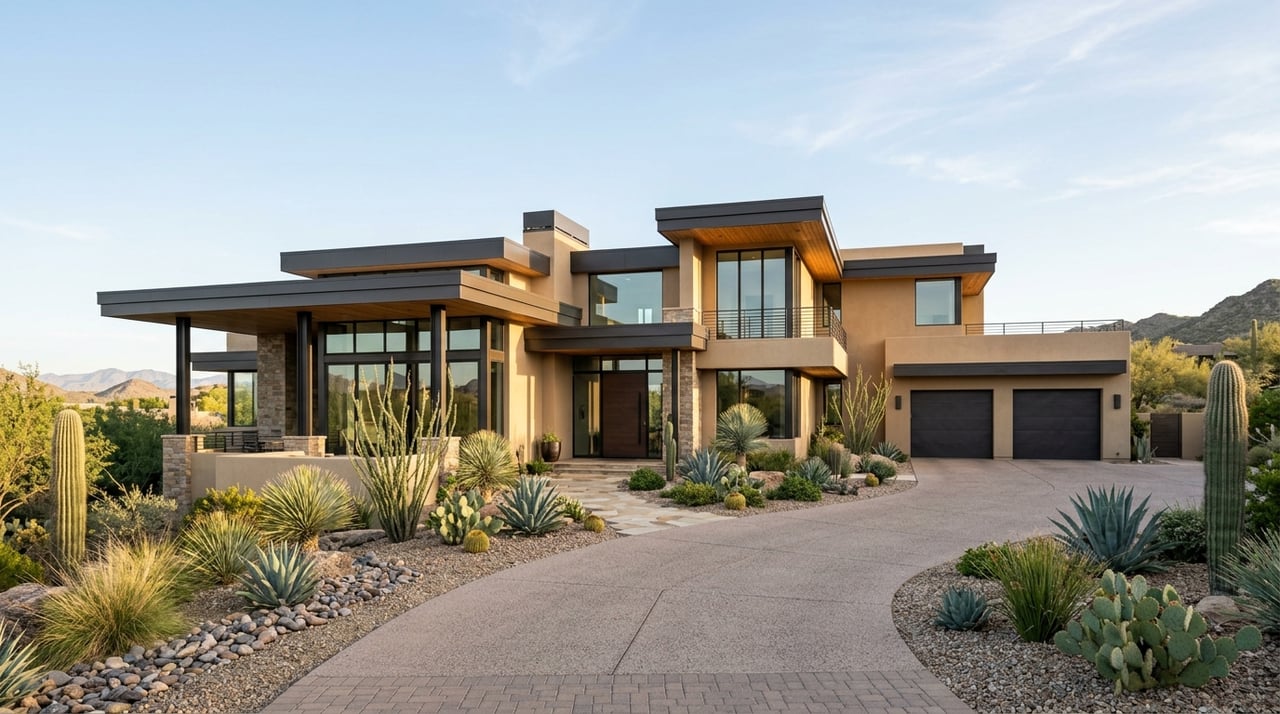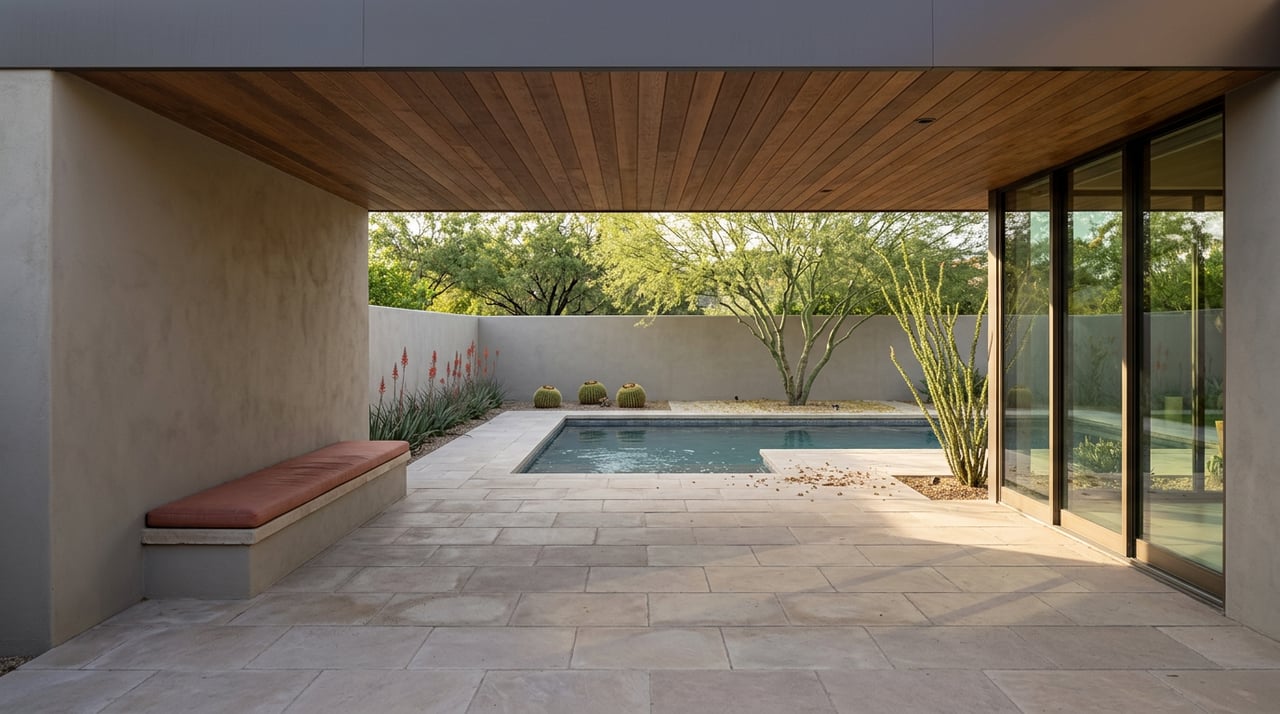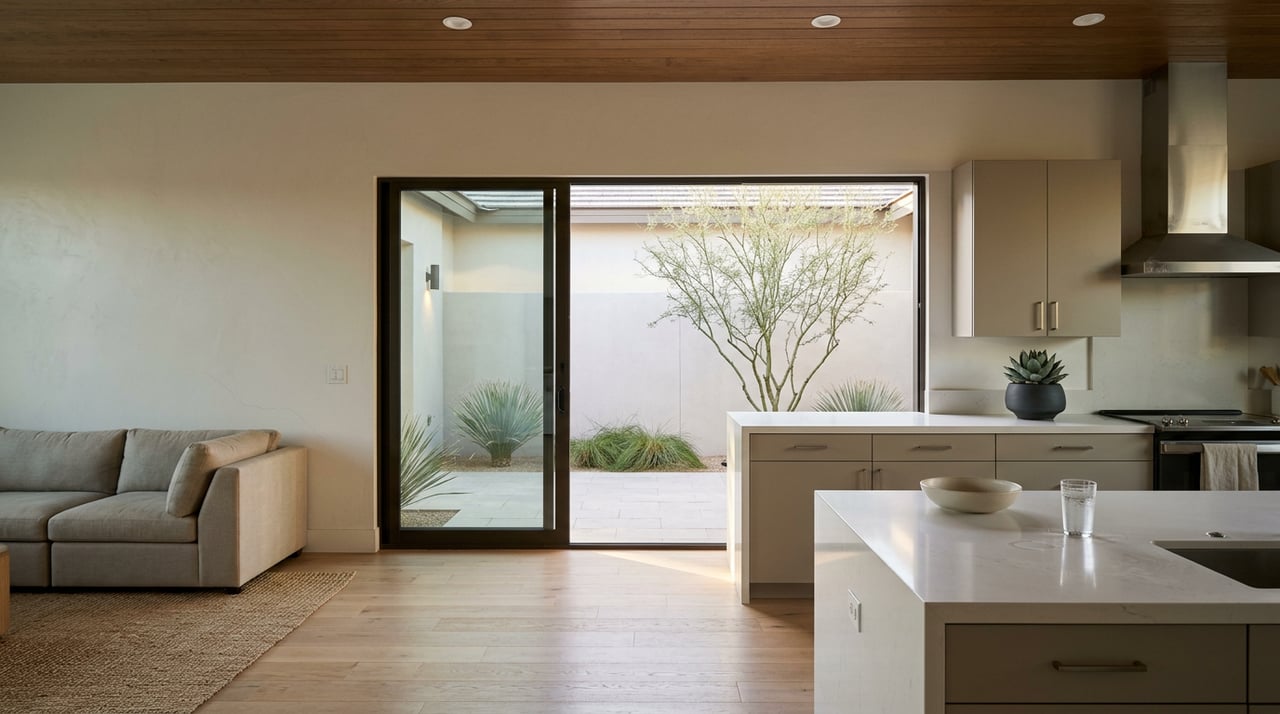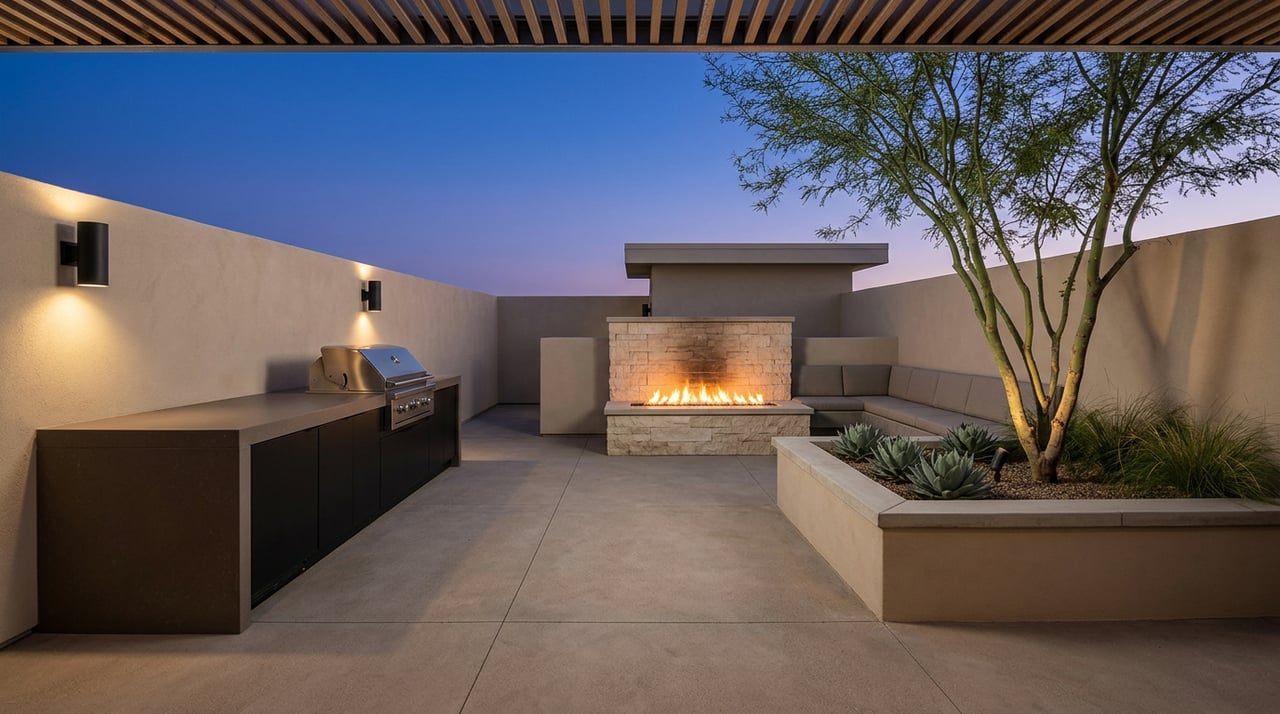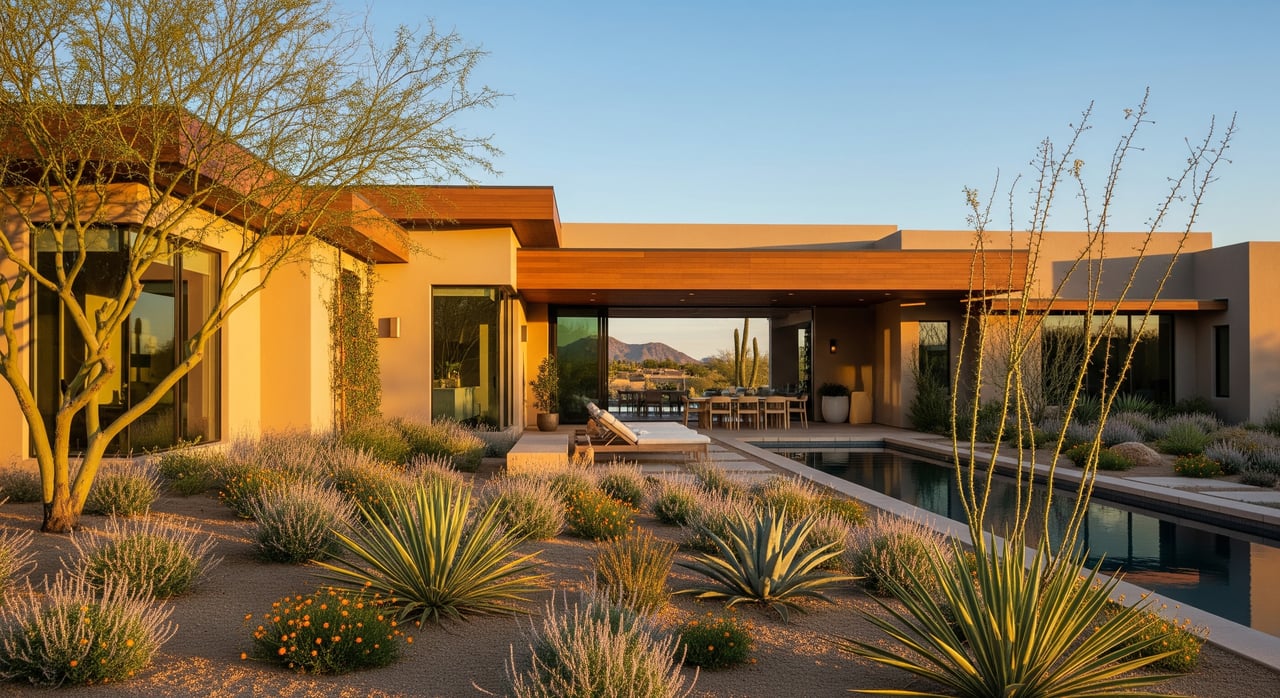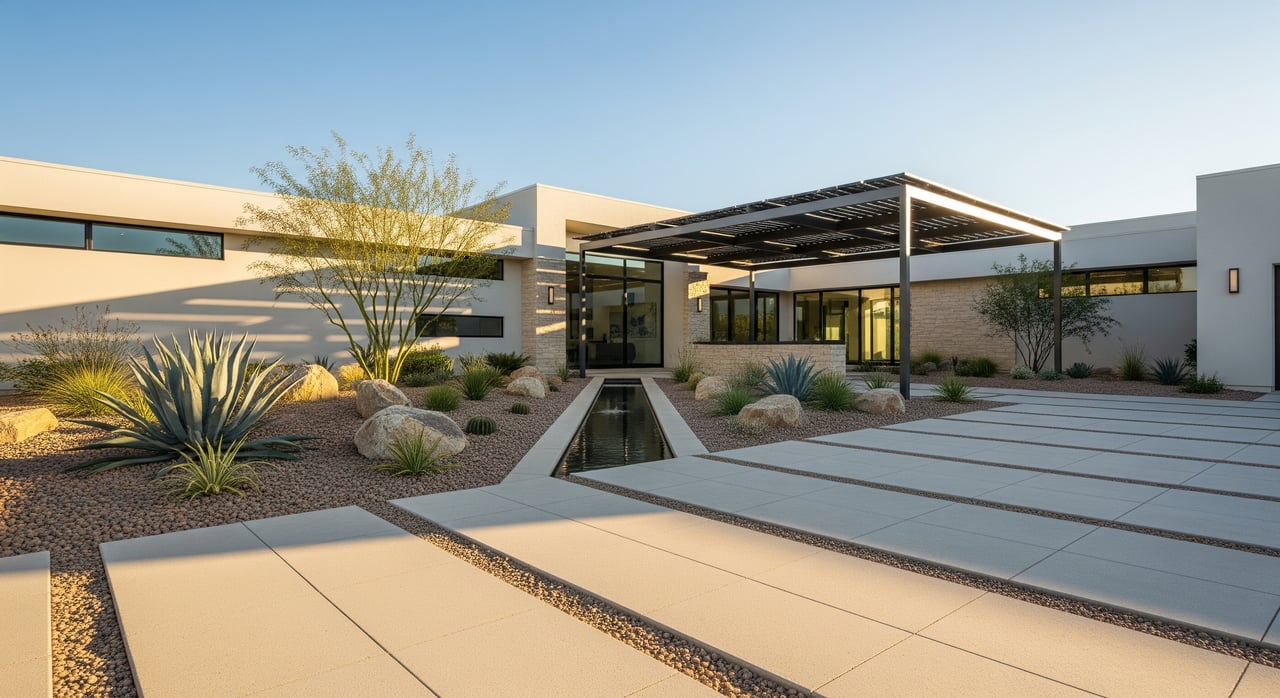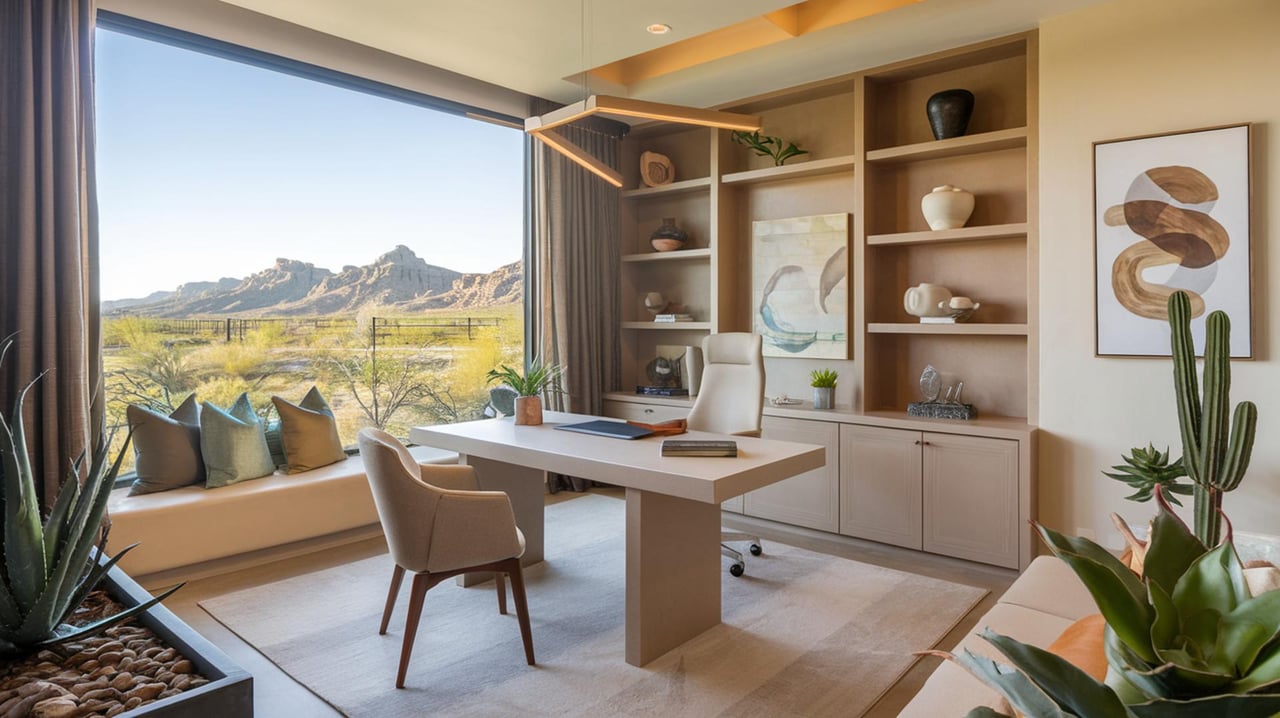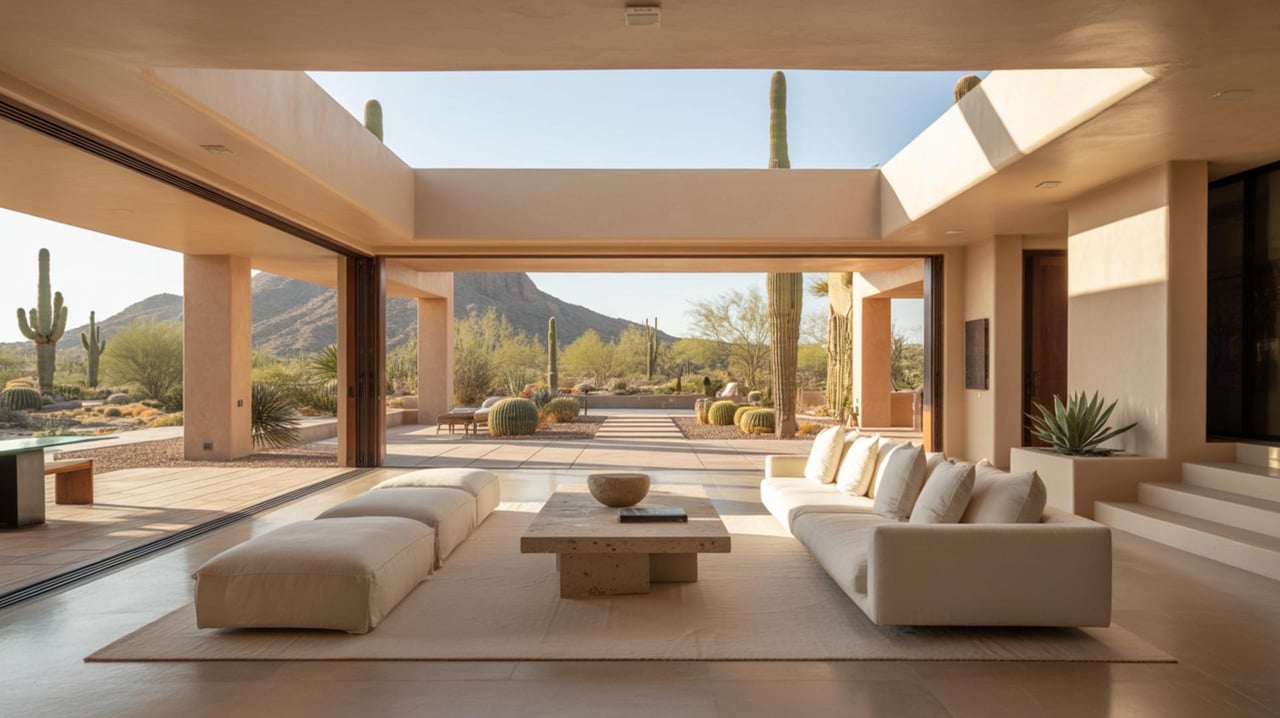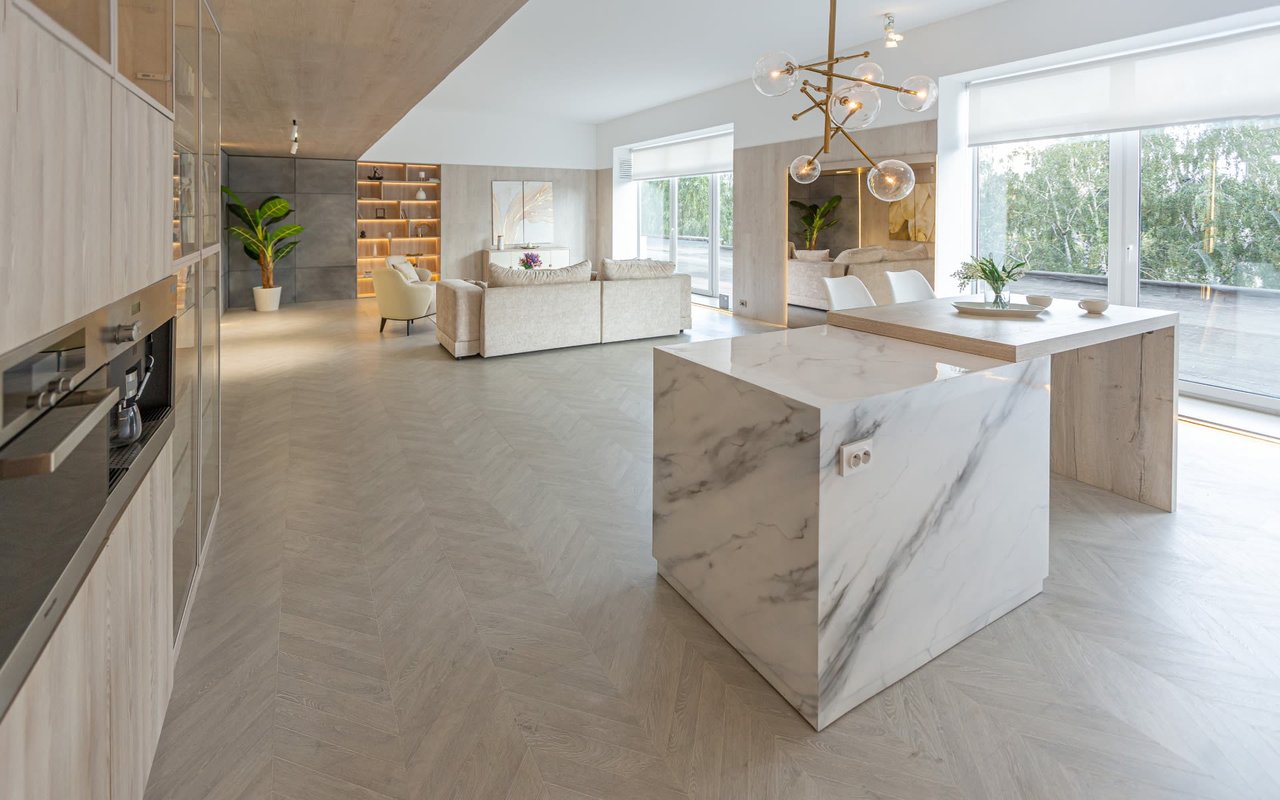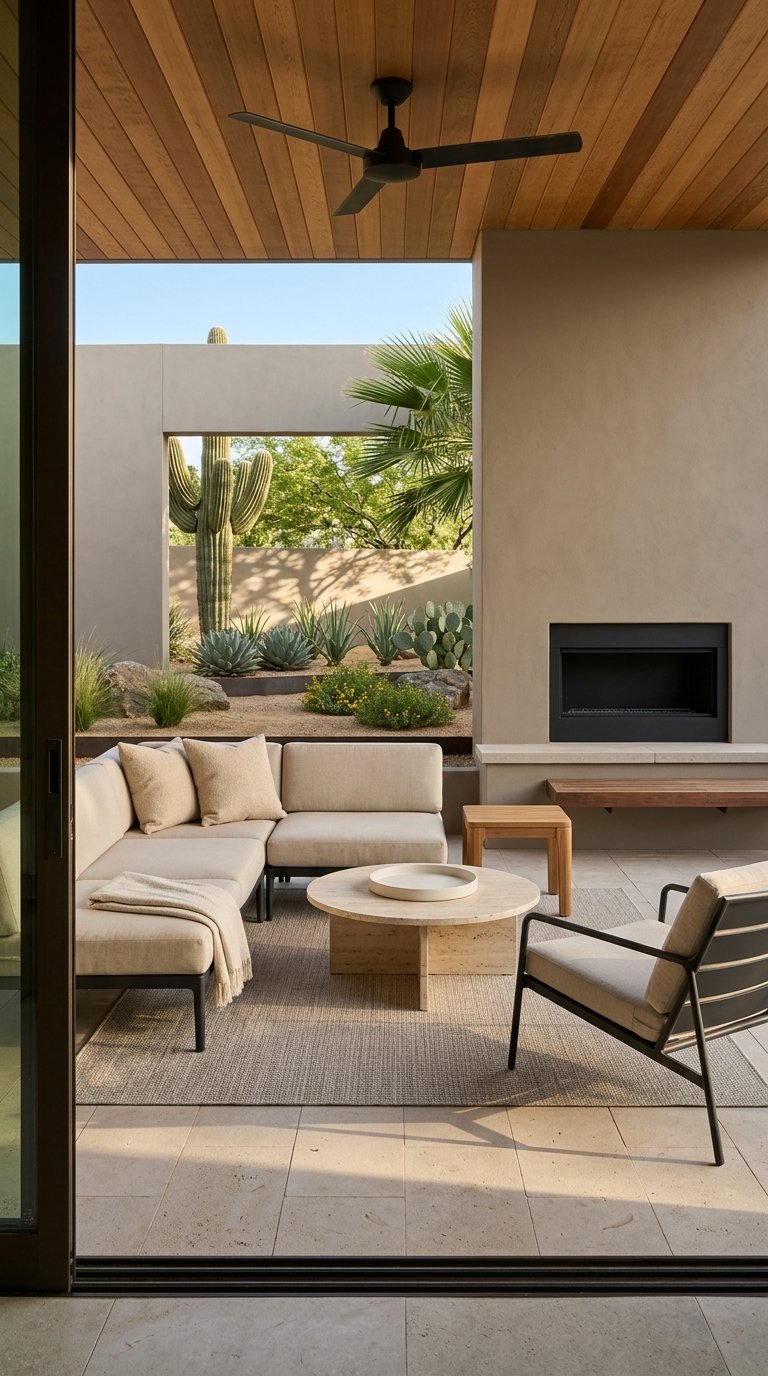
If your Paradise Valley home makes a strong first impression online, you are already ahead. In a market where buyers are comparing exceptional properties and negotiating carefully, staging can help your home feel polished, spacious, and worth a closer look. The goal is not to create a false version of the property, but to present it in a way that highlights its architecture, privacy, views, and indoor-outdoor lifestyle. Let’s dive in.
Why staging matters in Paradise Valley
Paradise Valley is known for its low-density residential character, open space, mountain views, privacy, and Sonoran Desert setting. The town’s 2022 General Plan notes that low- and very-low-density residential uses make up more than 70% of the planning area, and that new activity is increasingly shaped by infill and redevelopment that fits the area’s established character.
That local context matters when you prepare your home for sale. Buyers are often paying close attention to scale, visual calm, outdoor livability, and how the home sits within its desert surroundings. In this setting, staging works best when it feels restrained, refined, and true to the property.
Recent market data also shows why thoughtful presentation matters. Realtor.com reported a median listing price of $4,992,500 in March 2026 with a 95% sale-to-list ratio, while Redfin reported a March 2026 median sale price of $4.8 million. In a balanced market like this, staging should be viewed as support for premium positioning, not as a promise of a certain return.
Start with the rooms buyers notice first
National staging data gives a helpful roadmap for where to focus. The National Association of Realtors 2025 Profile of Home Staging found that 83% of buyers’ agents said staging made it easier for buyers to visualize a property as a future home.
That same report found the most commonly staged rooms were the living room, primary bedroom, and dining room. Buyers’ agents also identified the living room as the single most important room to stage. For a Paradise Valley listing, that supports starting with the main entertaining spaces and the primary suite before moving into secondary areas.
Prioritize the living room
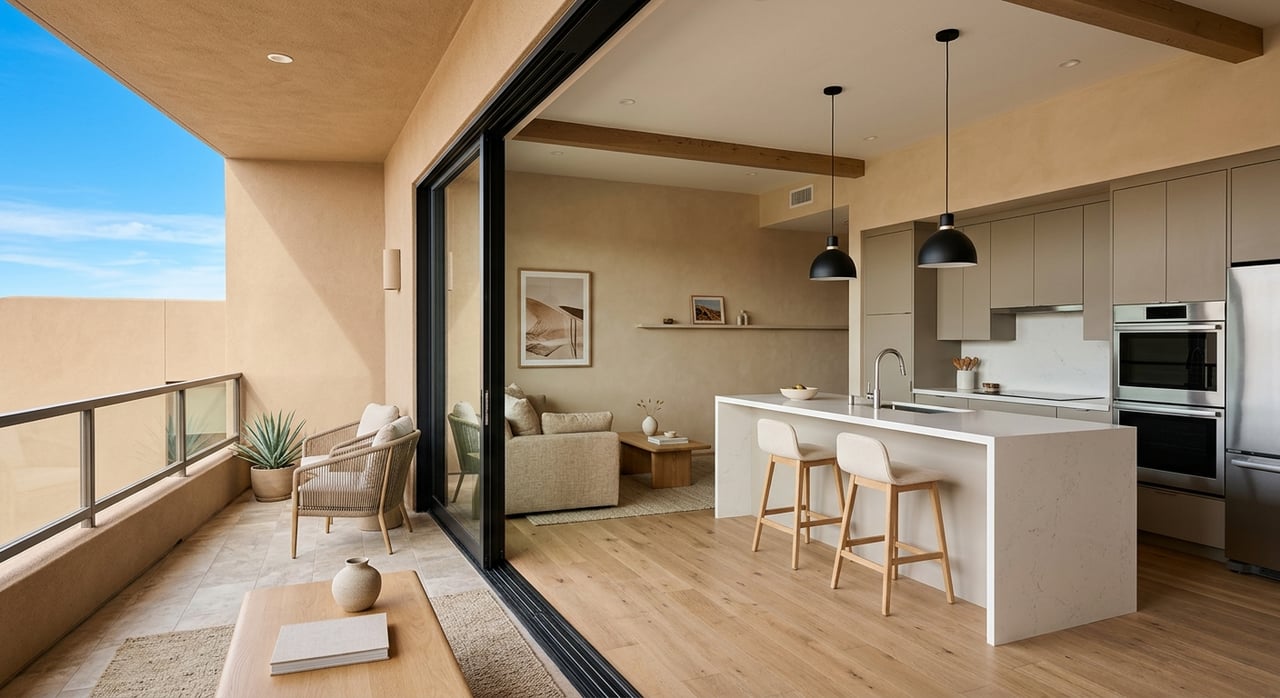
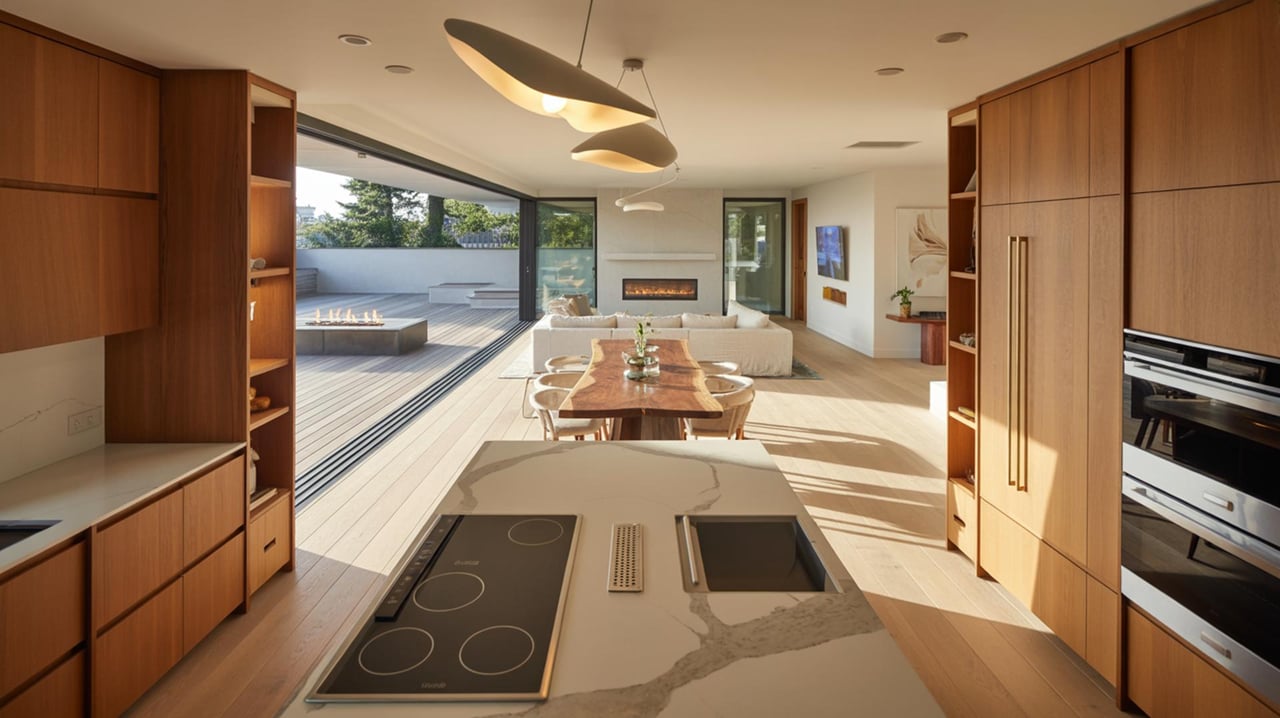
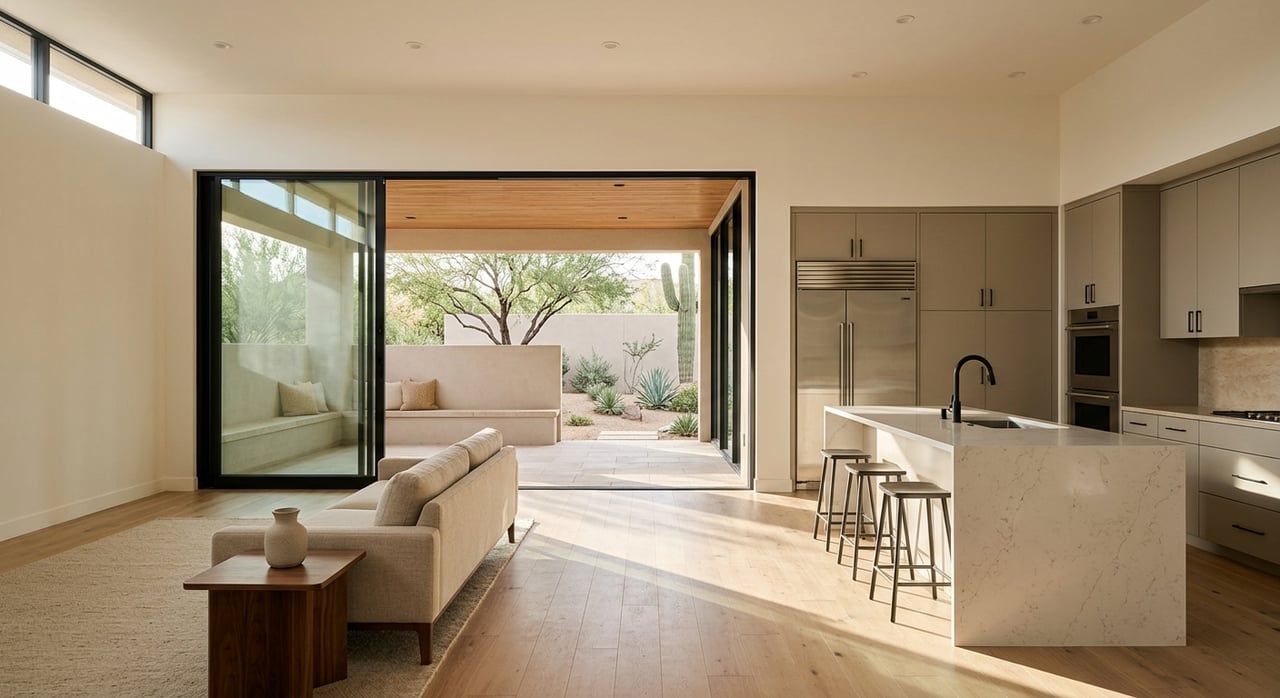
Your living room often carries the weight of the first interior impression. It should feel open, comfortable, and easy to understand in both photos and in-person showings.
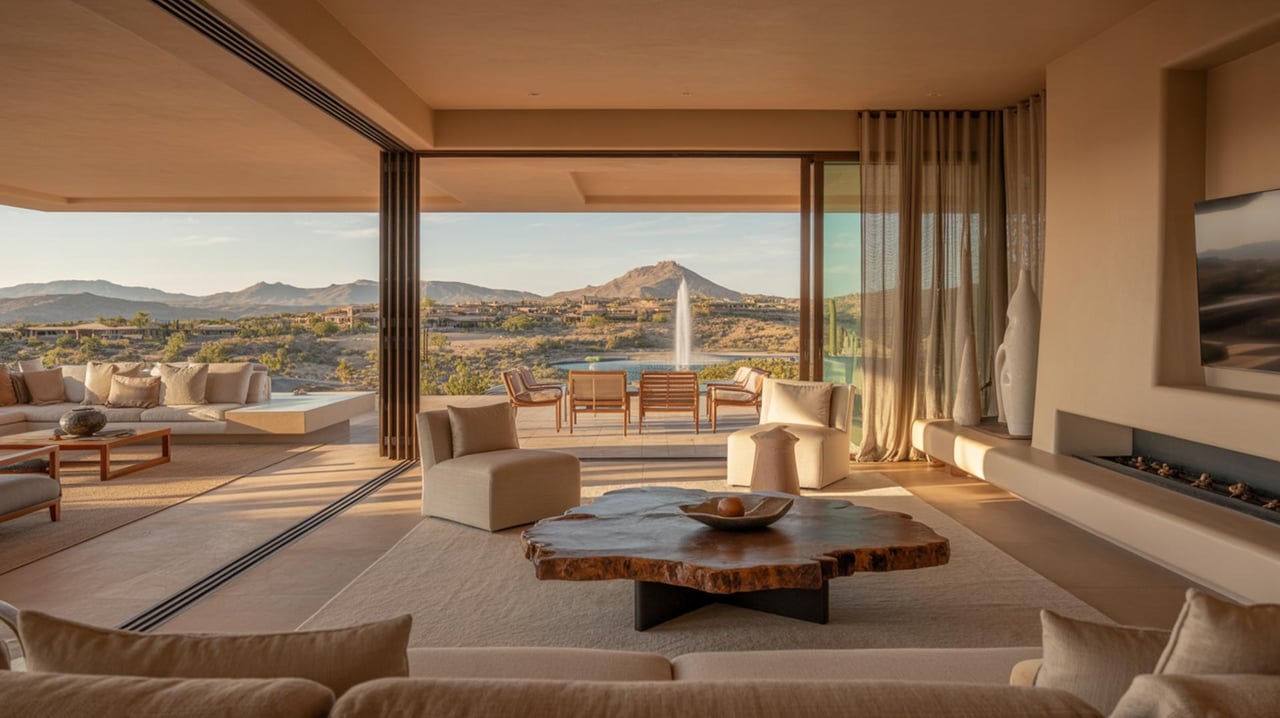
Focus on clean furniture lines, balanced seating, and clear circulation paths. If the room has mountain views, large windows, or strong architectural details, let those features lead. The staging should support the room, not compete with it.
Refine the primary suite
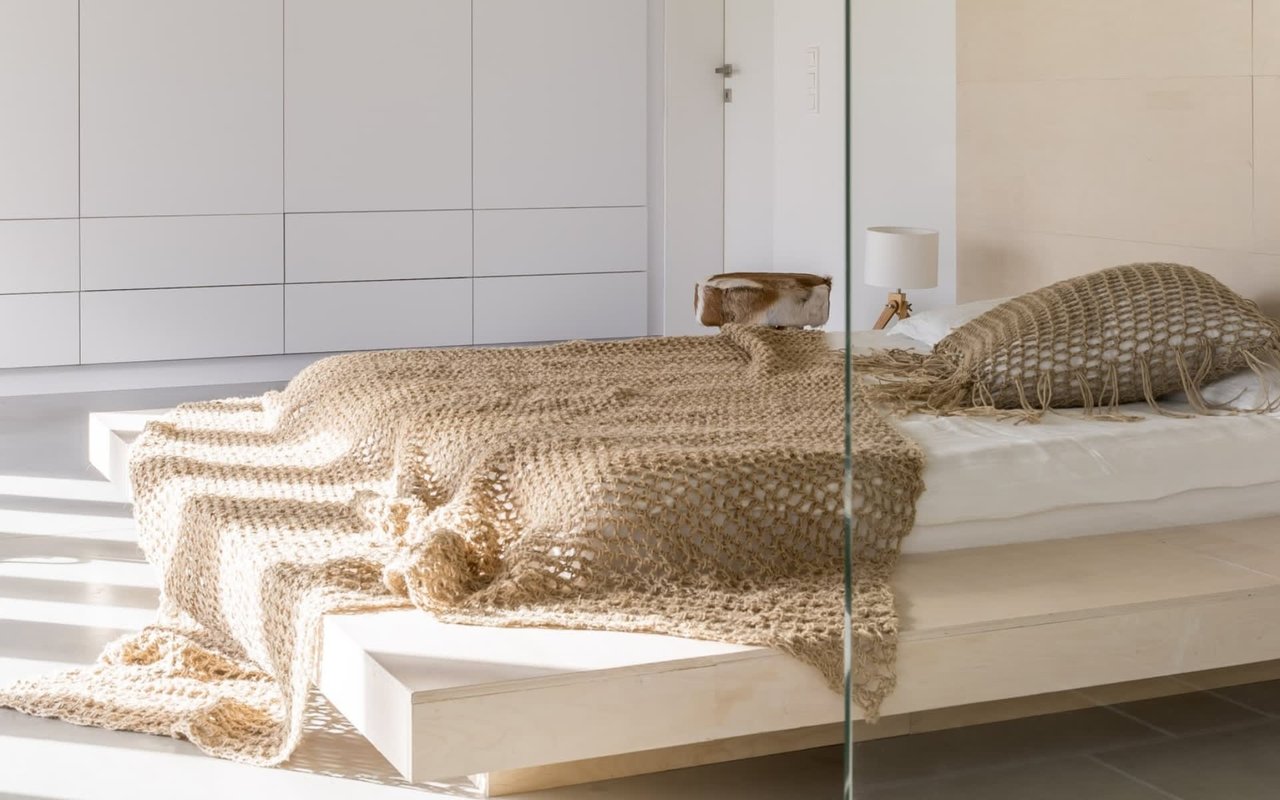
The primary bedroom should read as calm, spacious, and restful. In a luxury market, buyers are often responding to a lifestyle feeling as much as square footage.
Use simple bedding, minimal personal items, and a layout that makes the room feel generous. If there is a sitting area, fireplace, or access to outdoor space, make sure those features feel intentional and usable.
Keep dining and kitchen areas crisp
Dining rooms and kitchens help buyers picture gatherings, daily routines, and flow between spaces. These areas do not need heavy styling, but they do need clarity.
A dining table with simple place settings or a restrained centerpiece can help define the room. In the kitchen, clear counters, fresh lighting, and a deep clean often do more than decorative accessories. The goal is to make the home feel move-in ready and visually fresh.
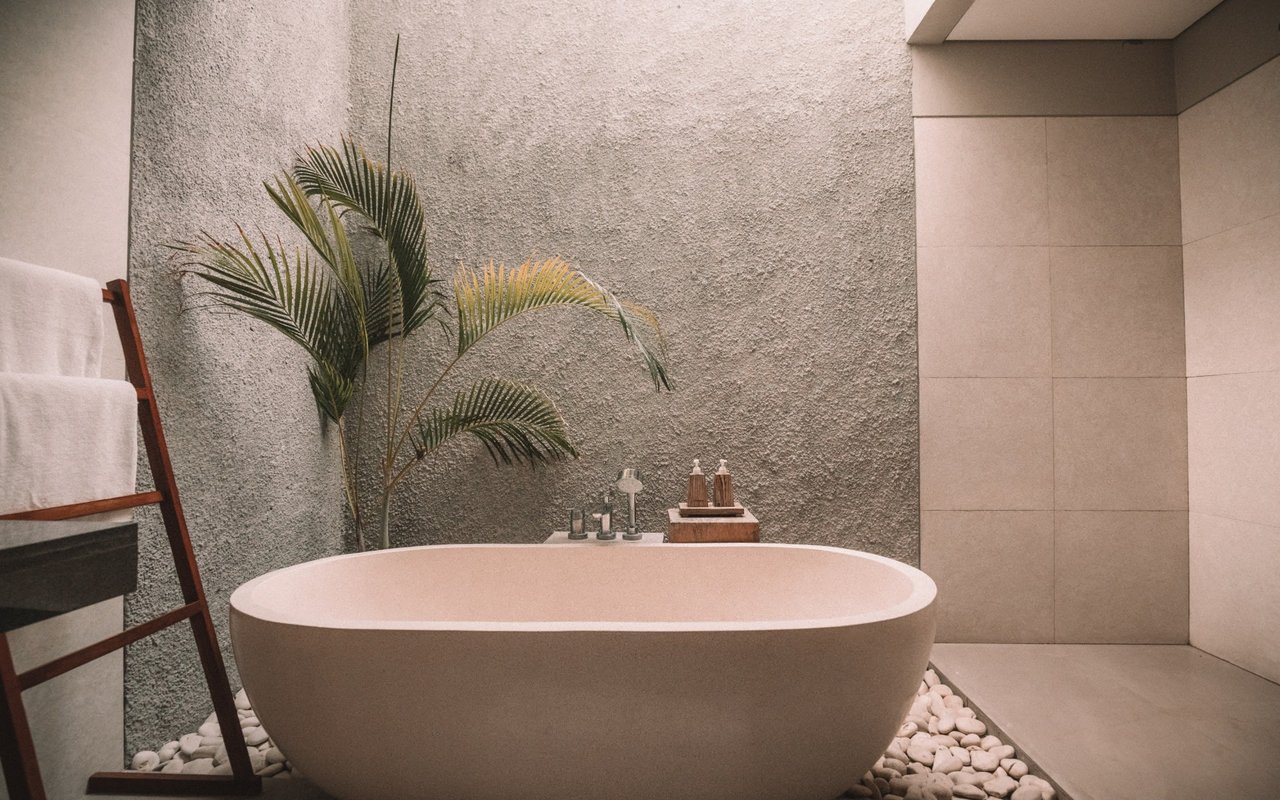
Use a light, neutral approach indoors
In Paradise Valley, interior staging usually works best when it feels calm and architecture-aware. National staging guidance points to practical basics like natural light, neutral wall colors, open space, and streamlined decor.
That does not mean every room should feel empty. It means the home should feel edited. Buyers should notice ceiling height, room flow, finishes, and natural light before they notice your personal style.
Declutter and depersonalize thoughtfully
Zillow’s seller guidance recommends deep cleaning, decluttering, depersonalizing, opening blinds, turning on lights, and staging room by room so the layout reads clearly in photos. Those basics matter at every price point, but they are especially important in a high-value market where details stand out.
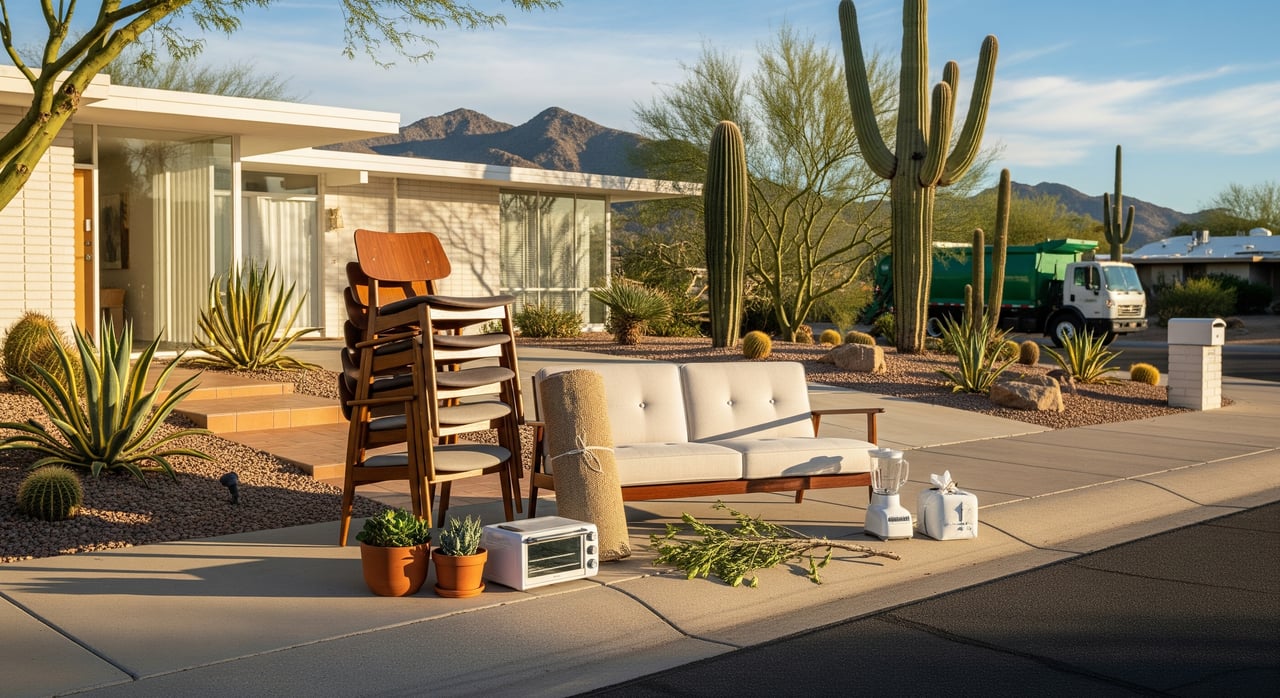
Remove extra furniture that makes rooms feel tight. Pack away highly personal items, oversized collections, and anything that distracts from the architecture. In a Paradise Valley home, simplicity often feels more elevated than excess.
Refresh instead of over-renovating
Not every listing needs a major remodel before it goes live. Research from NAR suggests minor cosmetic updates can help when they improve visual freshness, especially through neutral finishes, better light, and replacing worn flooring with wood, vinyl, or tile.
If your home has tired paint, dated fixtures, or visible wear, selective updates may help the property show more cleanly. The key is to invest where buyers will see freshness and care, not to chase unnecessary changes with uncertain payoff.
Make outdoor living part of the story
Outdoor space deserves special attention in Paradise Valley. NAR’s 2025 staging profile found that 68% of sellers’ agents staged outdoor or yard areas, and that makes sense in a market where patios, pools, terraces, and desert views often shape buyer interest.
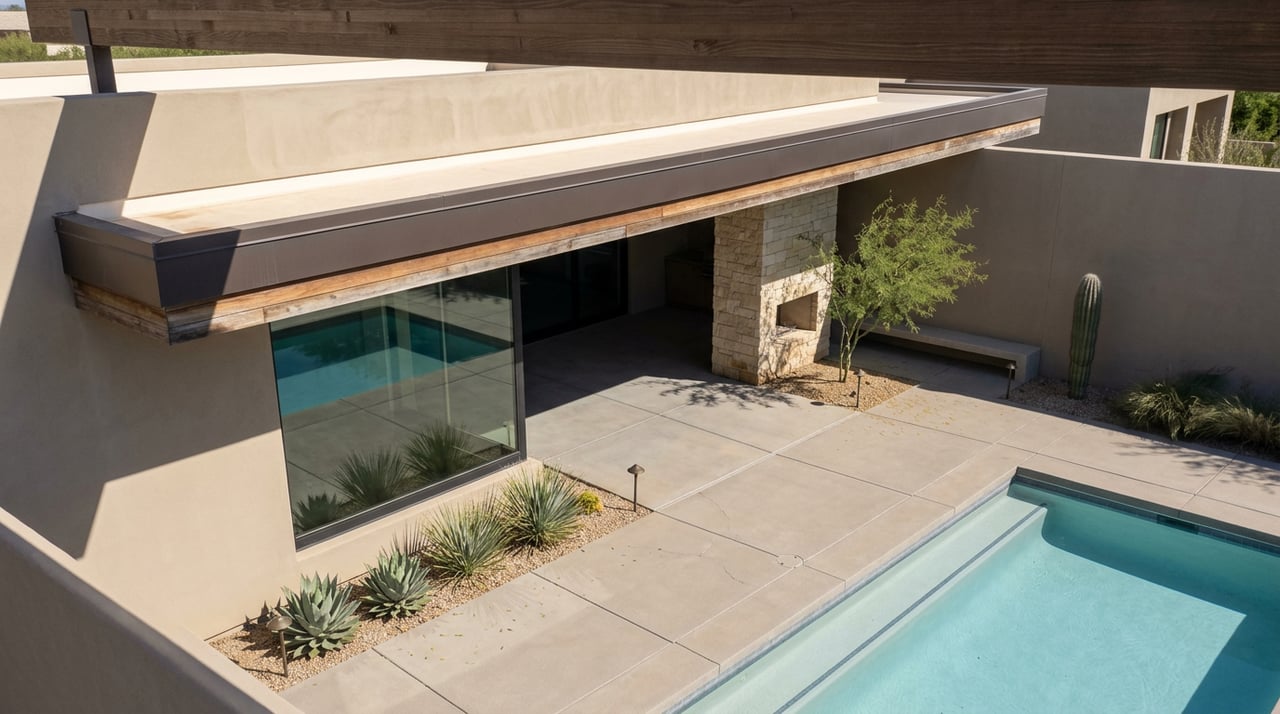
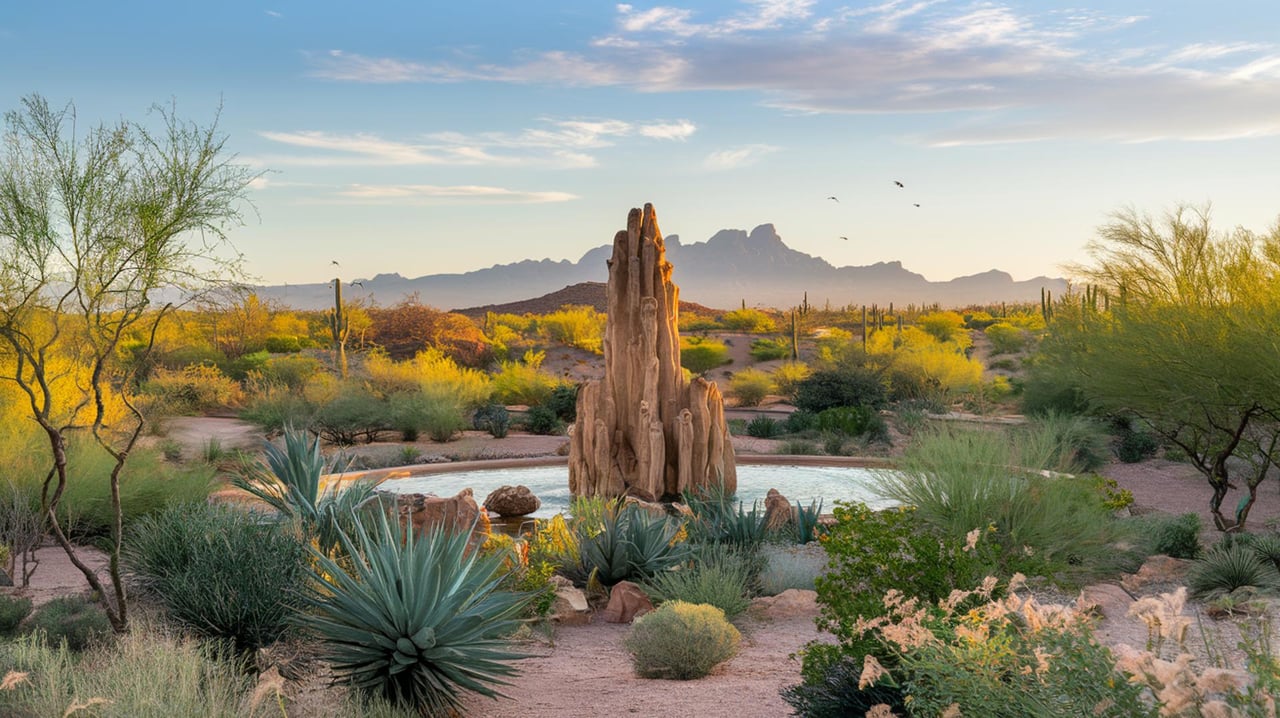
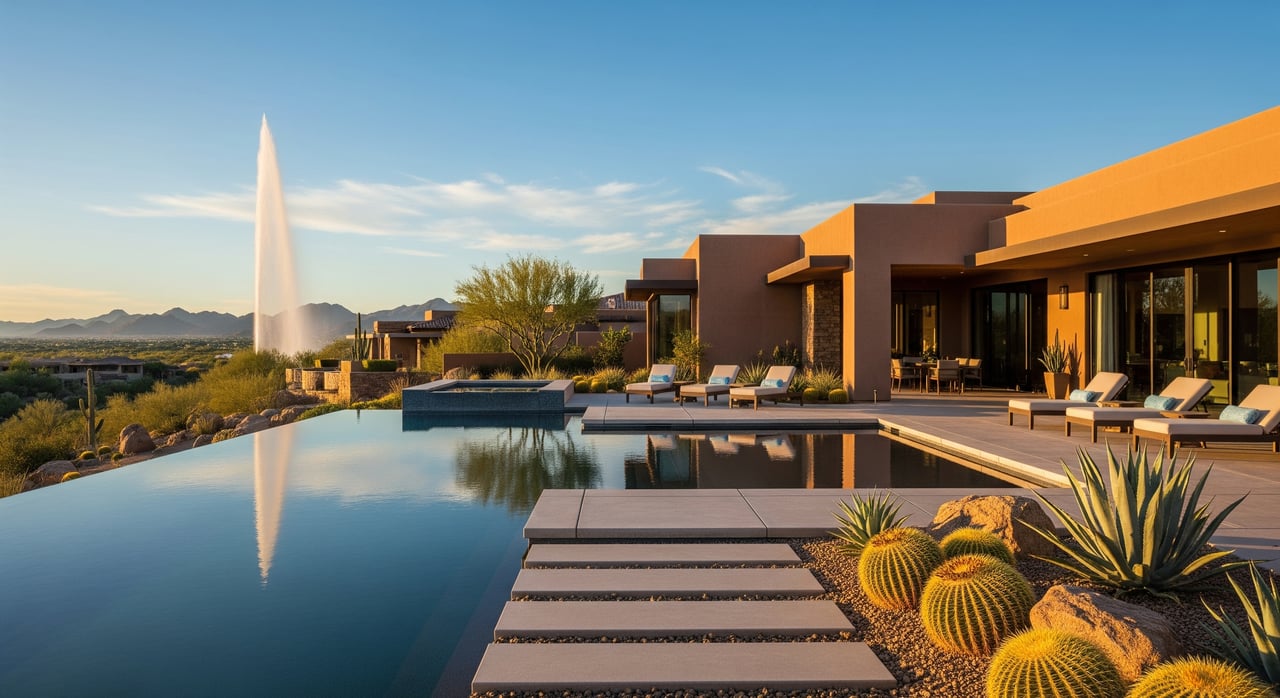
The town’s planning documents emphasize open space, mountain views, and the natural desert environment. For sellers, that means outdoor staging should protect sightlines and avoid cluttering terraces, pool decks, or view corridors.
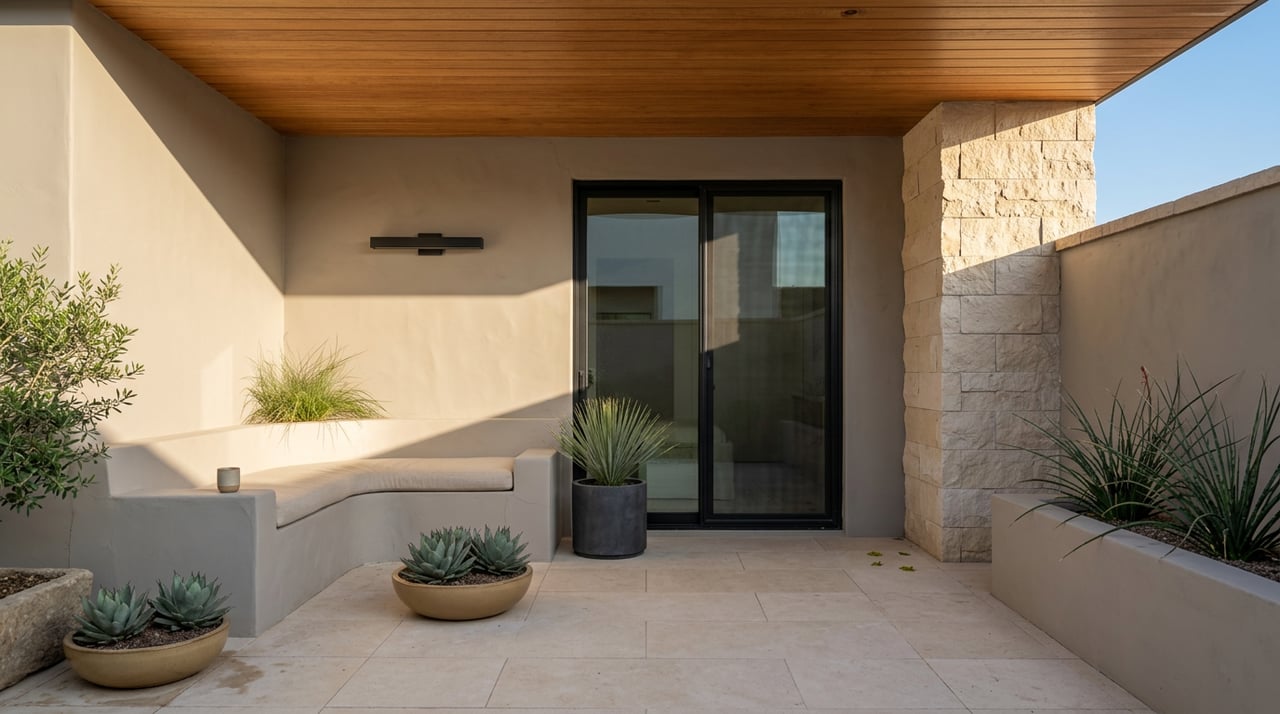
Highlight usable outdoor spaces
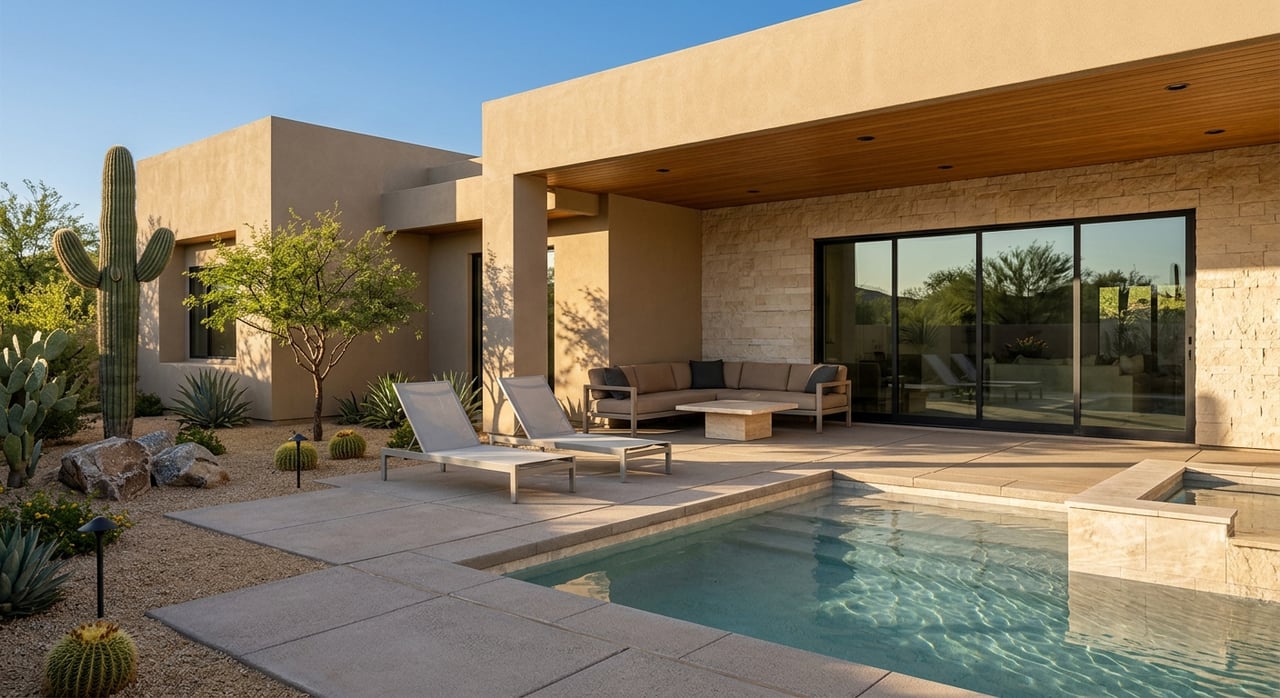
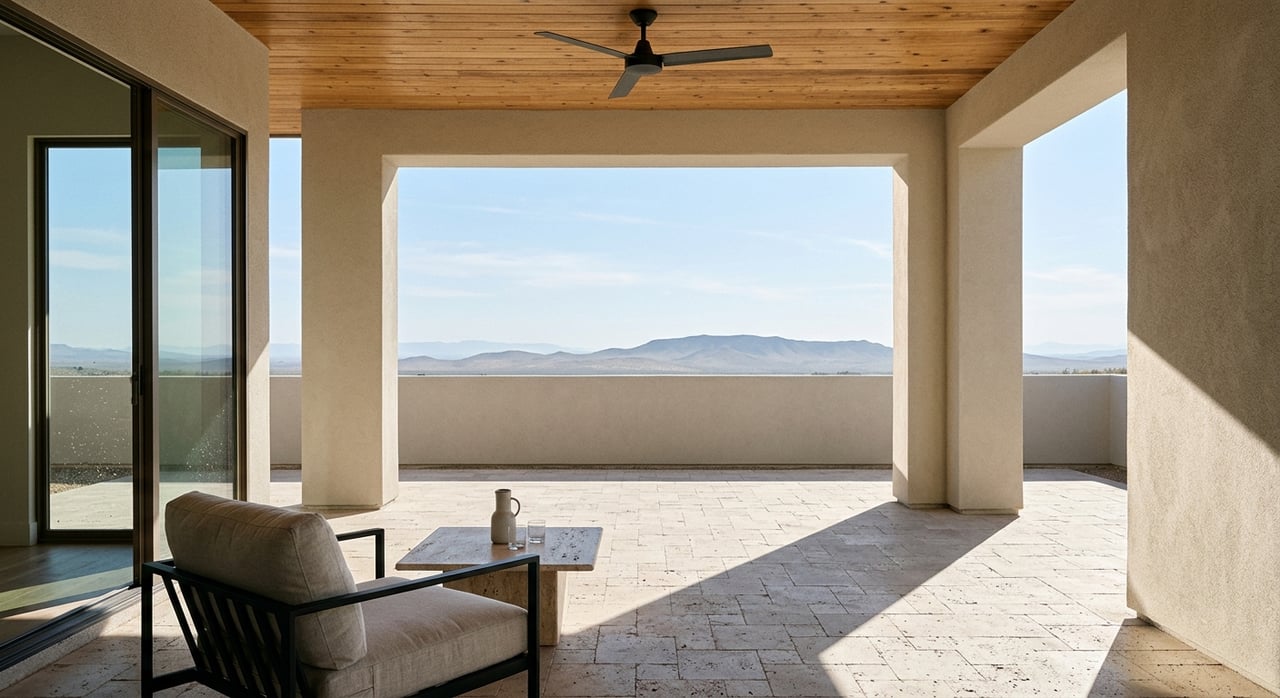
Your exterior should feel like an extension of daily living. Buyers should be able to imagine coffee on the patio, evenings by the pool, or relaxed entertaining under a covered ramada or shaded lounge area.
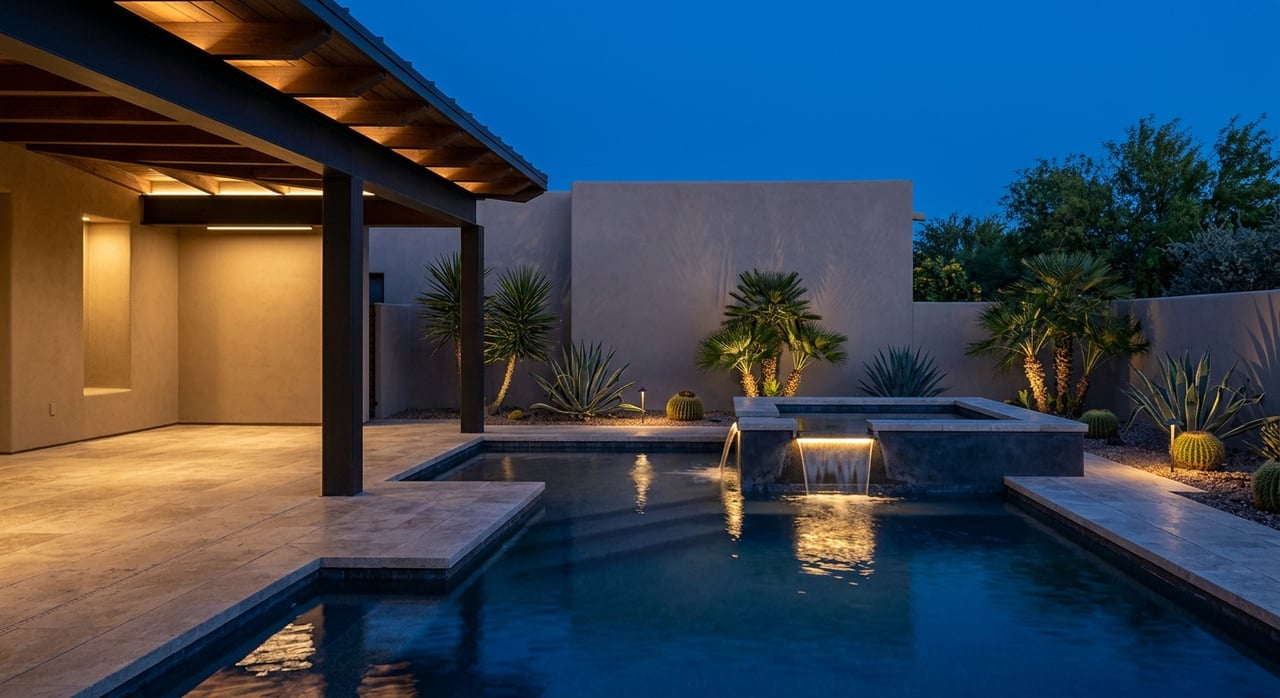
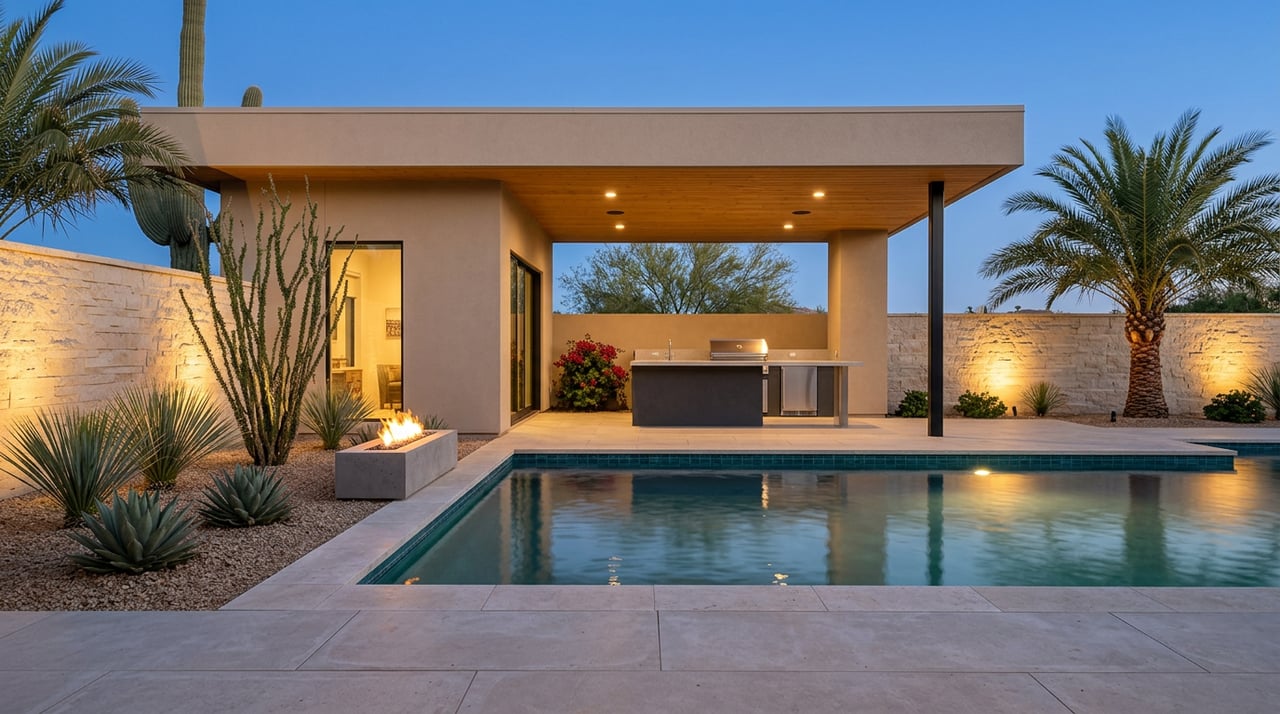
Keep furniture scaled to the space and arranged with purpose. If you have a pool, spa, fire feature, or outdoor dining area, make sure each zone feels maintained and ready to enjoy.
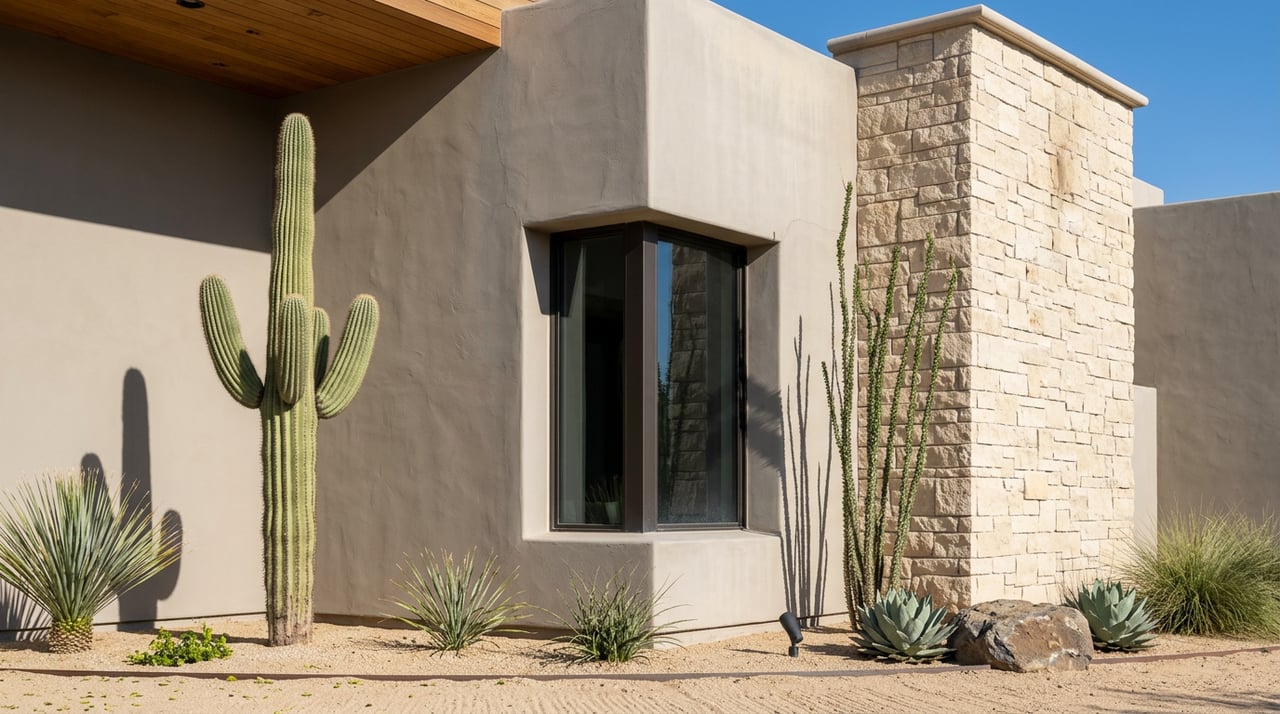
Respect the desert setting
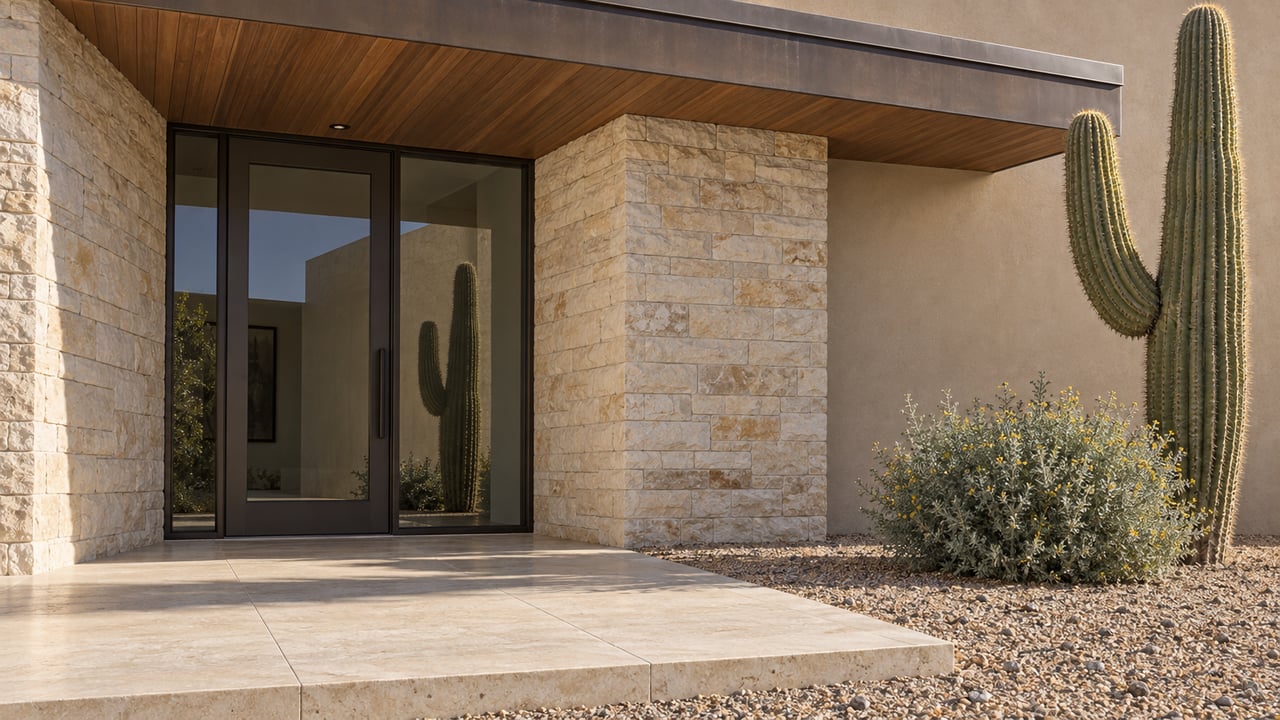
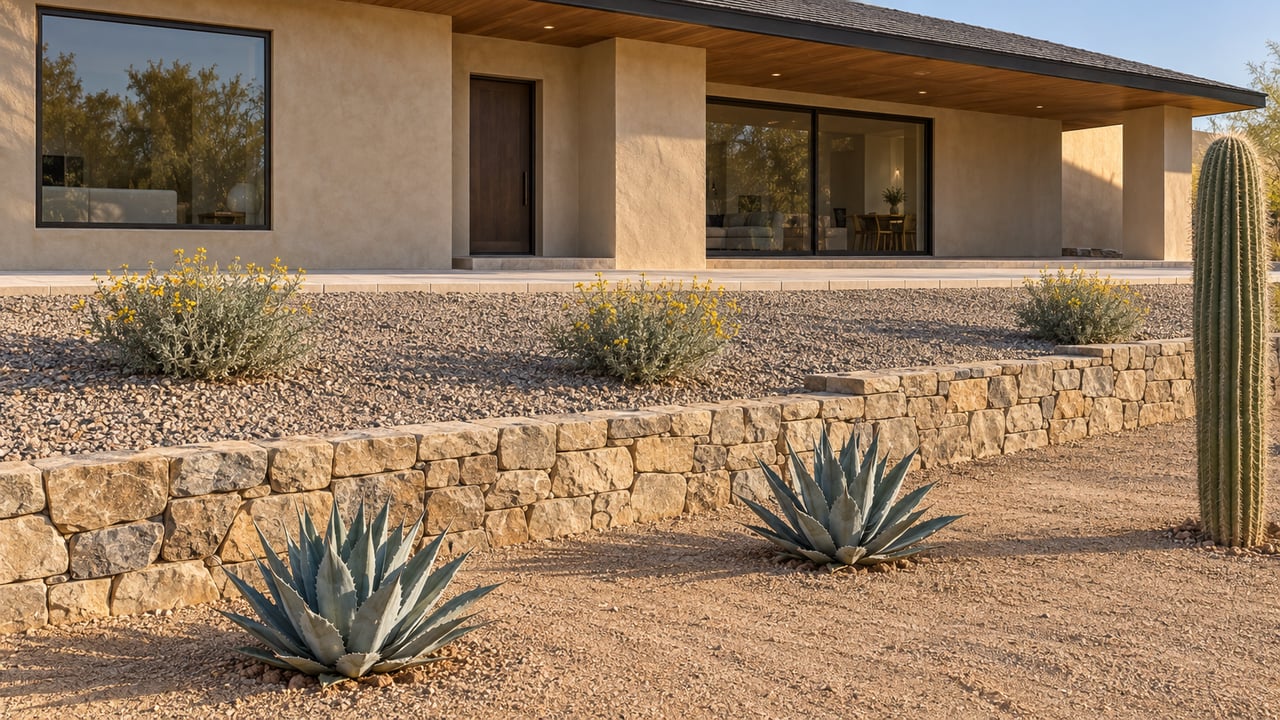
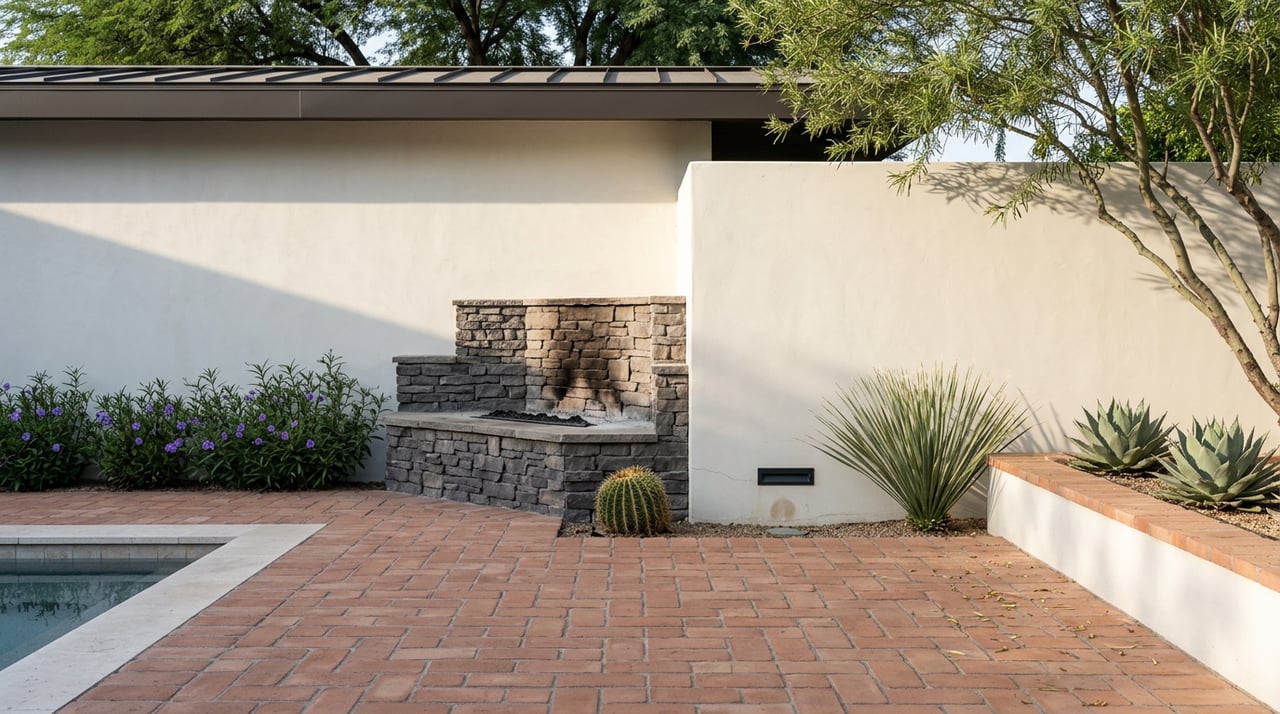
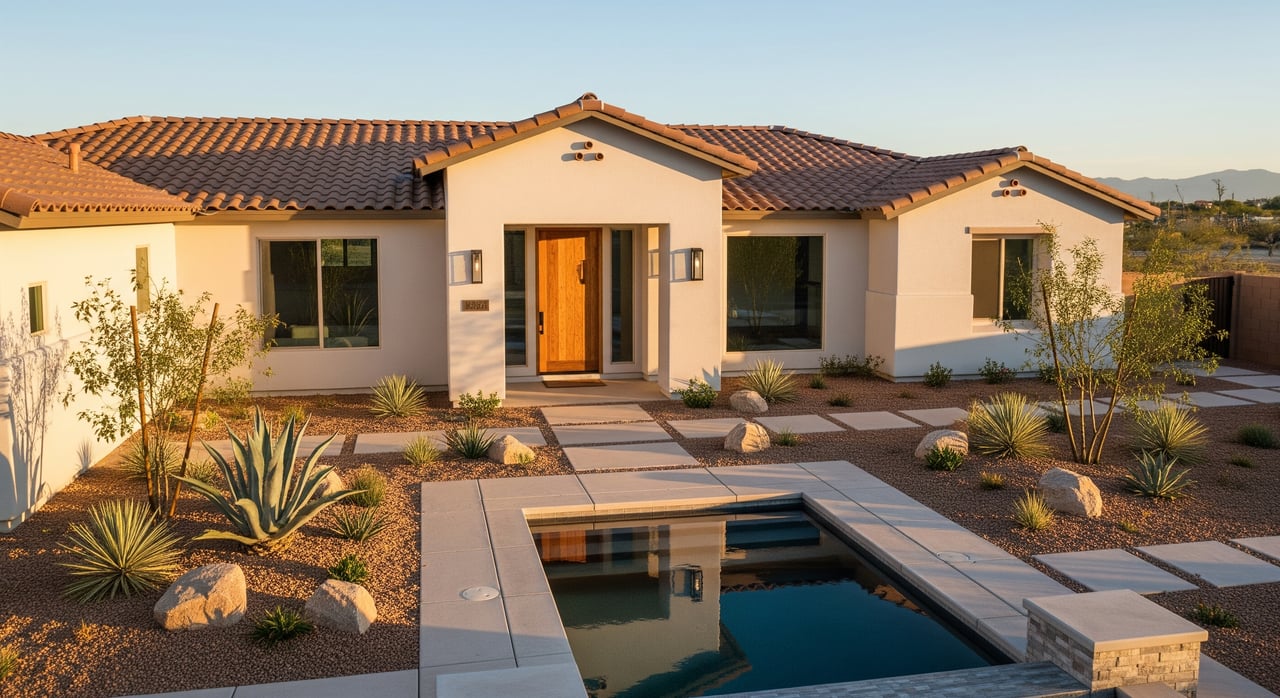
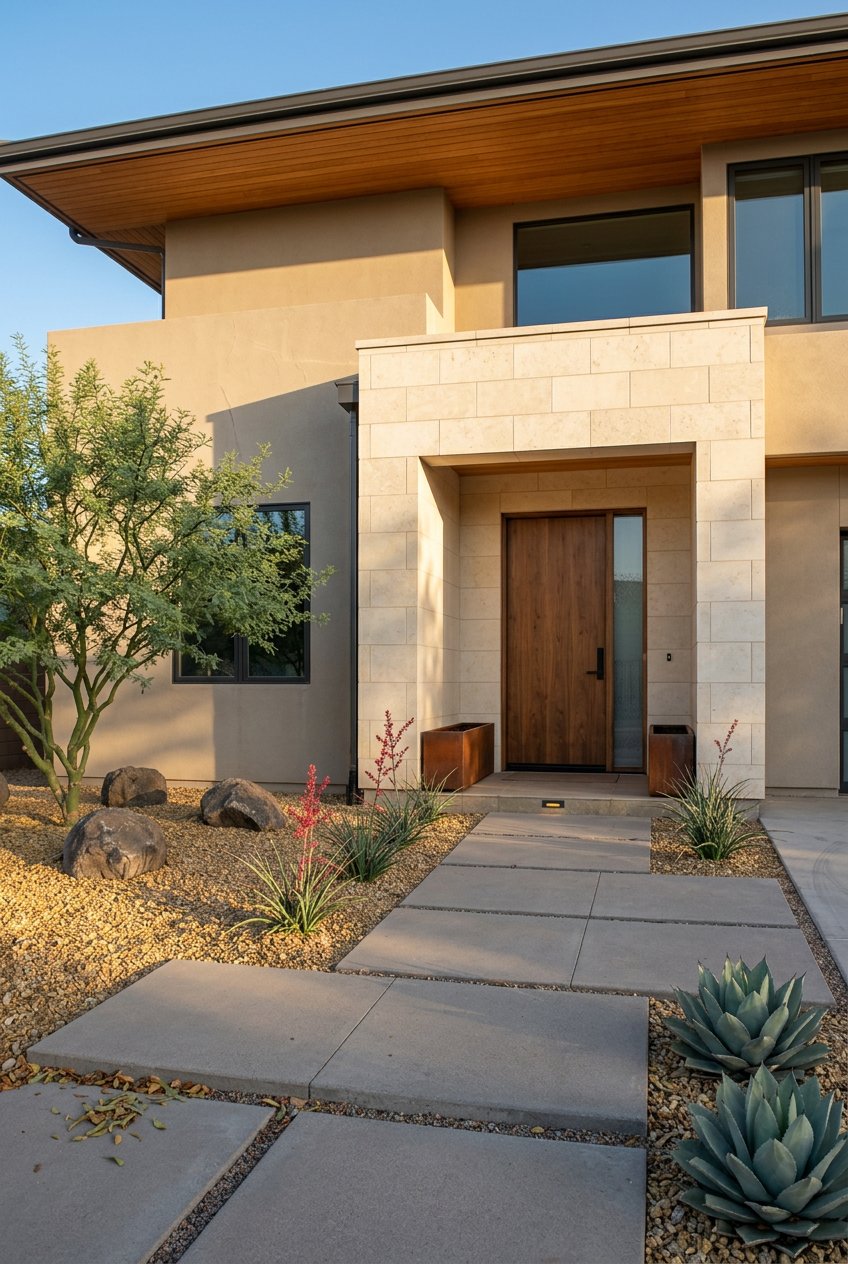
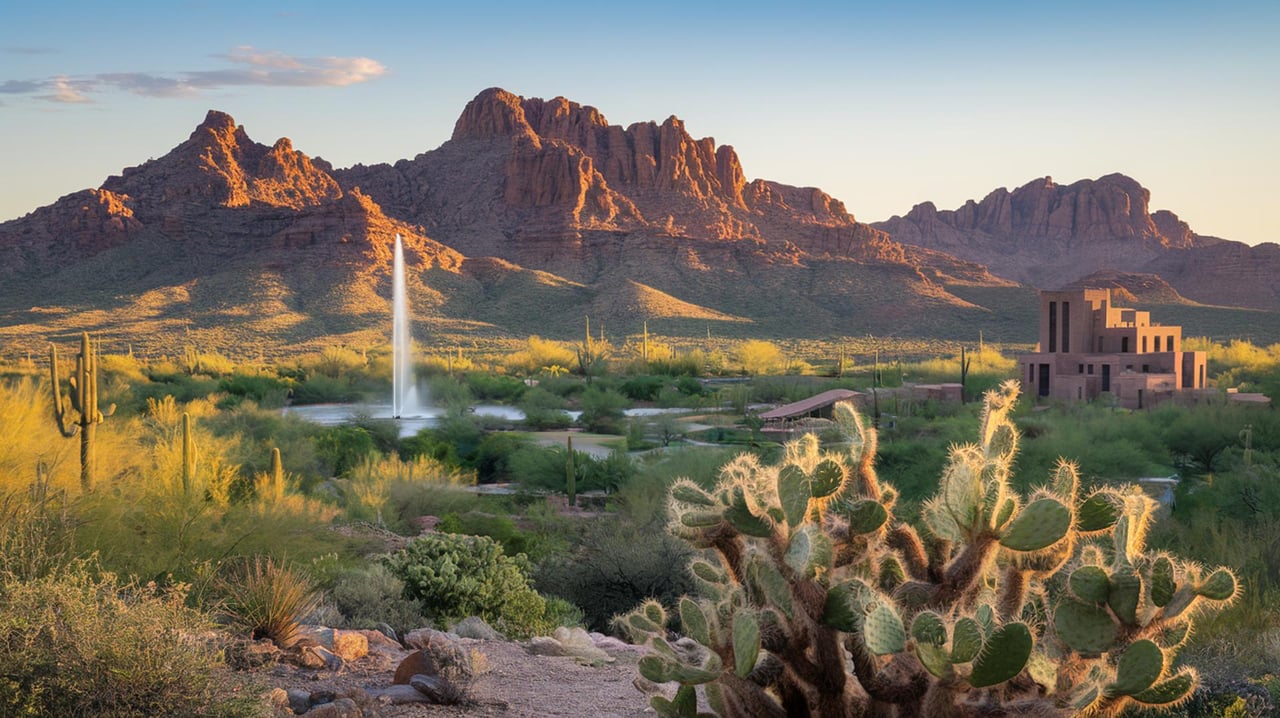
Paradise Valley homes often look best when landscaping feels clean, intentional, and in harmony with the Sonoran Desert setting. Trim plantings, remove debris, and make sure gravel, stone, and hardscape areas look crisp.
Avoid overfilling outdoor areas with decor. The home’s setting, sky, and views should do a lot of the visual work. A restrained approach usually feels more luxurious and more authentic to the area.
Stage for photos, video, and tours
Today, staging is not only about open houses or private showings. It also needs to perform well in listing photos, video, and virtual tours.
Zillow reports that 79% of recent buyers shopped online to find their home, and nearly half said professional photos were extremely or very important to their experience. In other words, many buyers will form an opinion before they ever step onto the property.
Think media-first from day one
A staged home should photograph clearly and honestly. Zillow recommends 22 to 27 photos for a listing, chest-height landscape shots, an angled exterior shot, and enough room-to-room coverage to show flow.
For Paradise Valley, the media plan should visibly feature architecture, light, outdoor living, and any mountain or desert views. Tiny rooms do not need attention unless they offer a unique feature. The listing should lead with the spaces that create emotion and define the home’s value.
Let natural light work for you
NOAA describes Phoenix as having a desert climate with low annual rainfall, low relative humidity, hot summer daytime temperatures, mild winters, and strong seasonal sun. That climate affects how your home should be staged and photographed.
Open blinds, remove window screens if they reduce light, and schedule photography when exterior light is even. Bright, harsh sun can flatten some features and overwhelm others, so timing matters. The result should feel warm, accurate, and inviting.
Match the staging to the home’s price point
Luxury buyers often expect a home to feel styled and polished. NAR’s luxury listing guidance notes that high-net-worth buyers want to envision the lifestyle they are purchasing, and the broader staging profile shows many buyers now expect homes to look more finished because of media and television influence.
In Paradise Valley, that does not mean over-staging. It means creating a presentation that feels refined, well-lit, uncluttered, and consistent with the home’s architecture and value range.
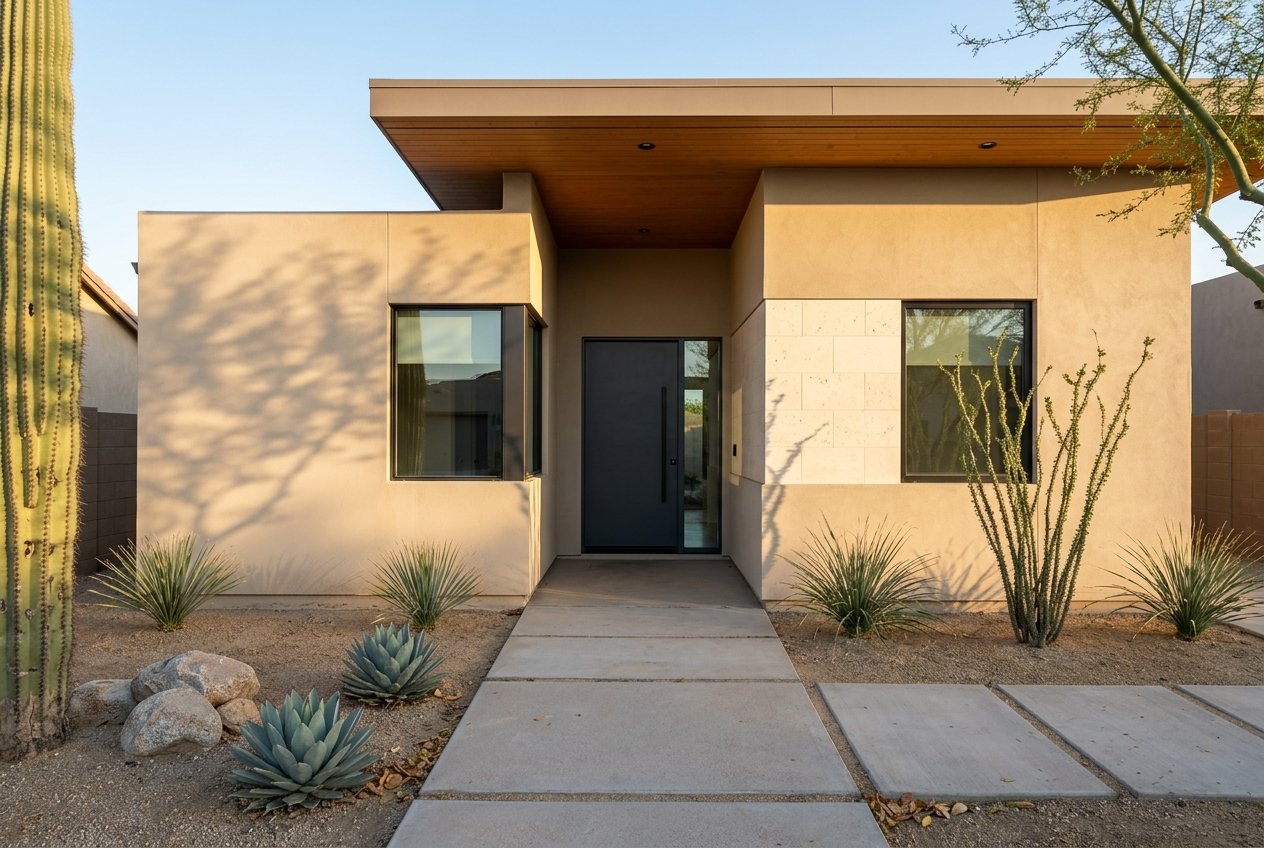
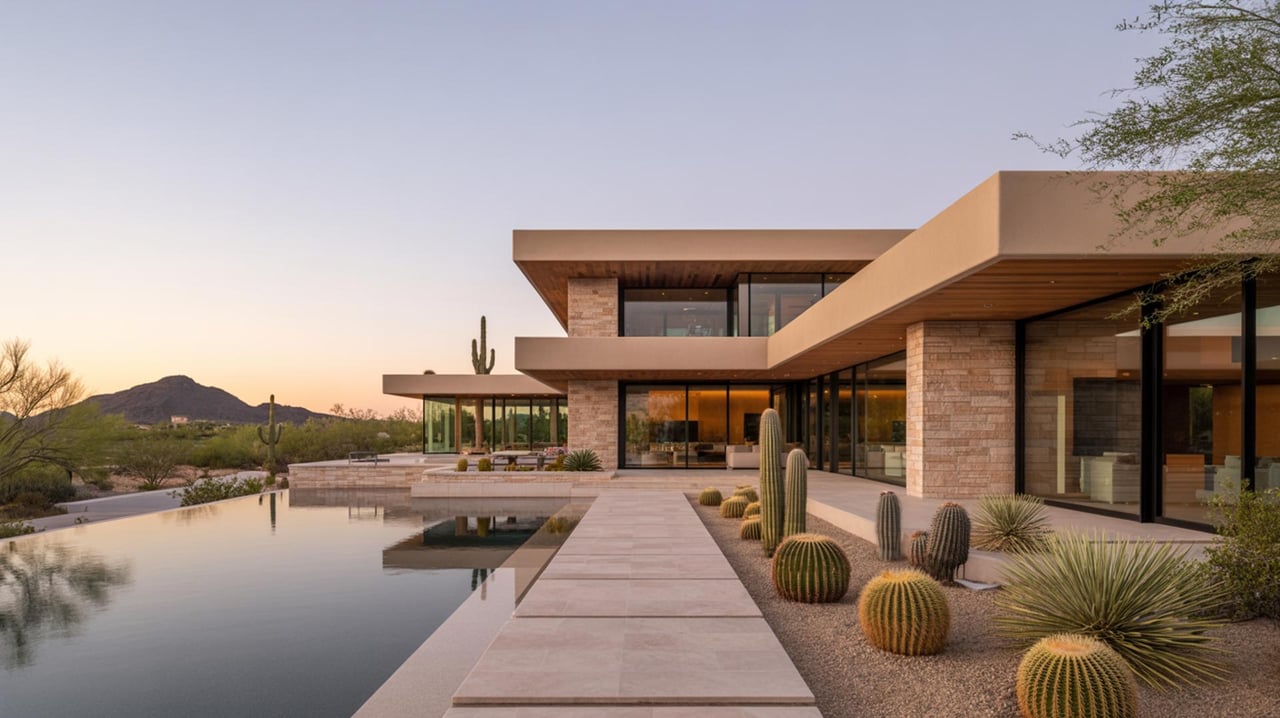
For desert-modern homes
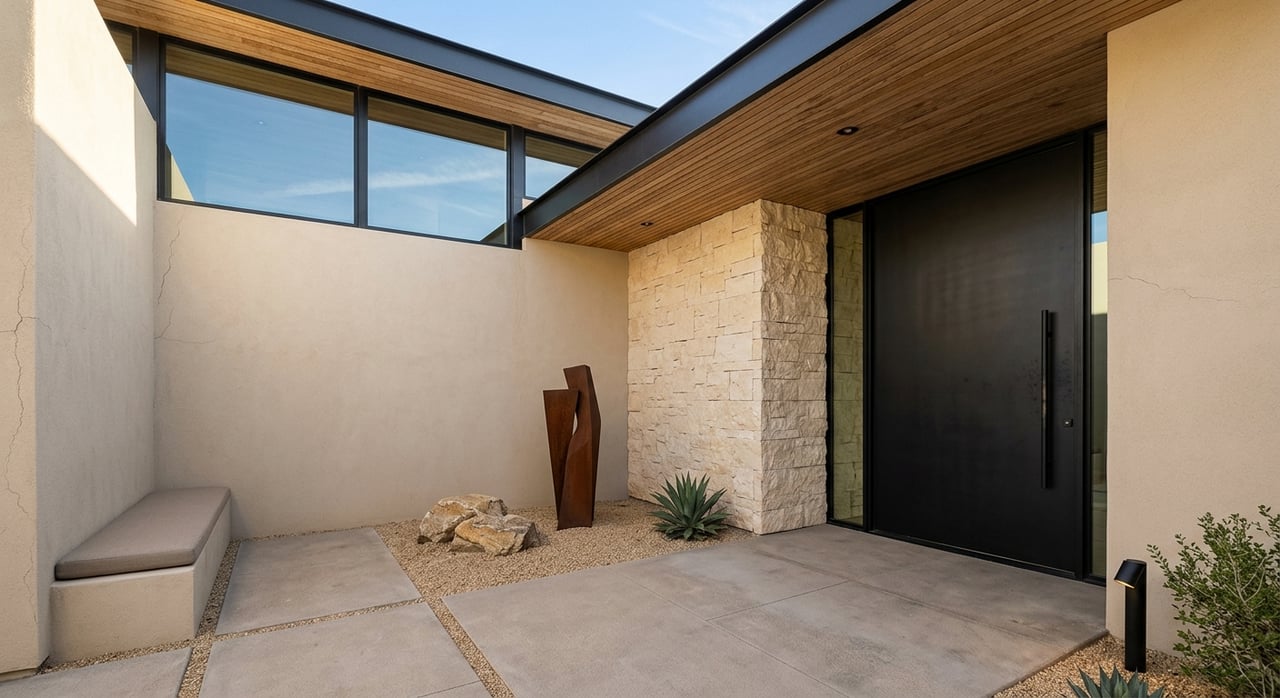
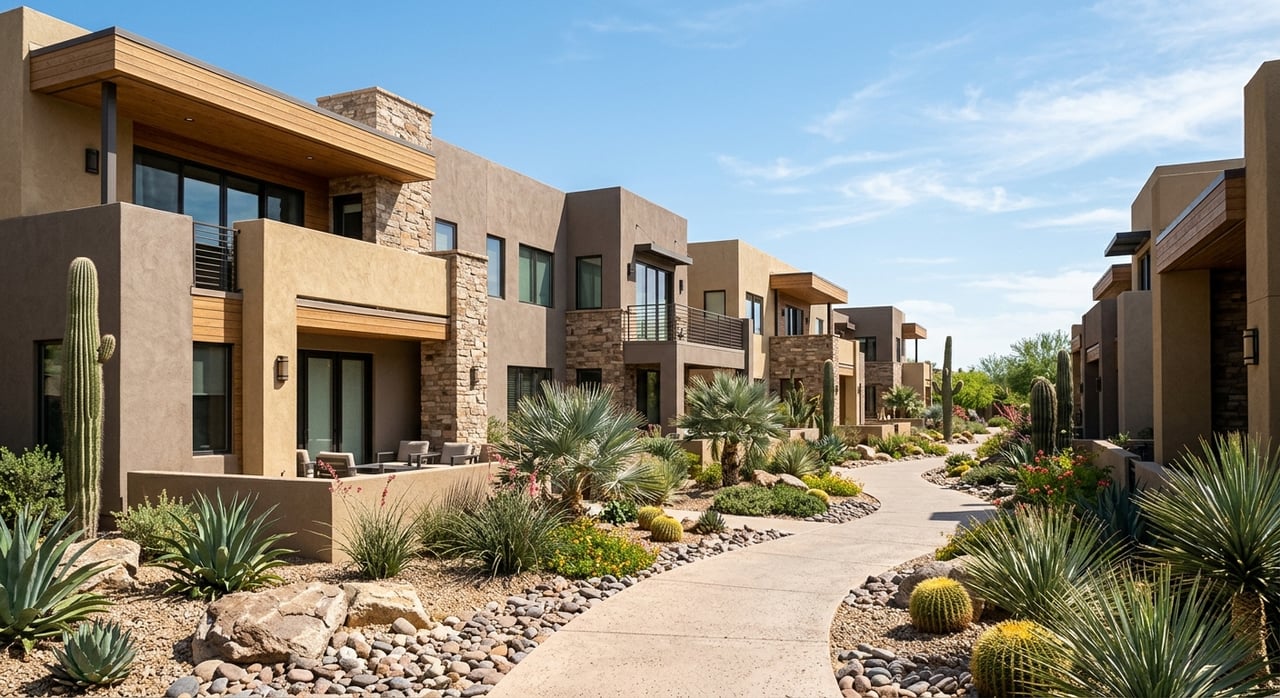
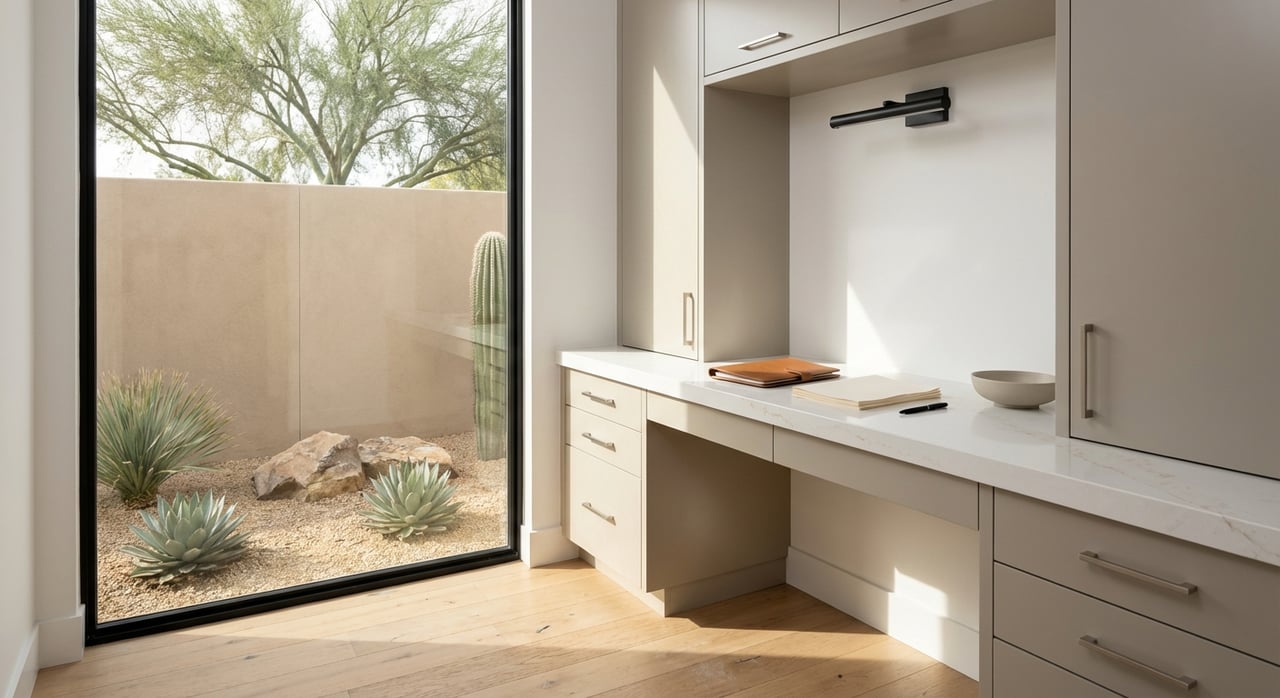
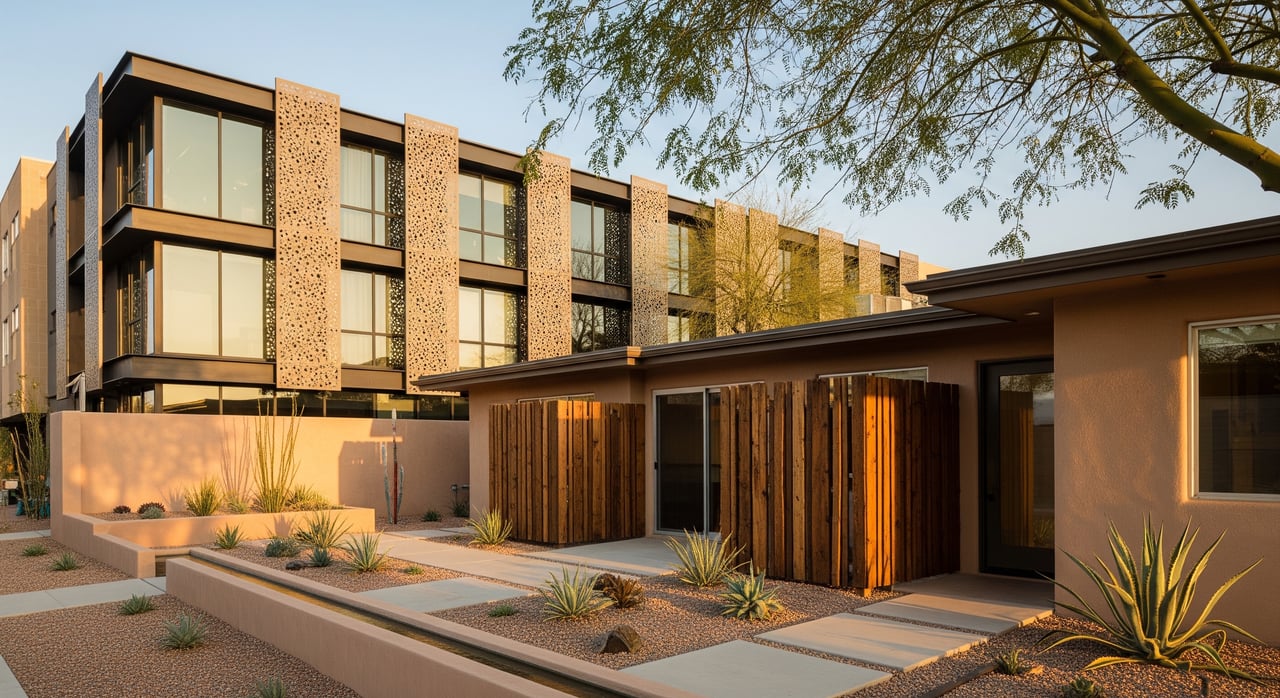
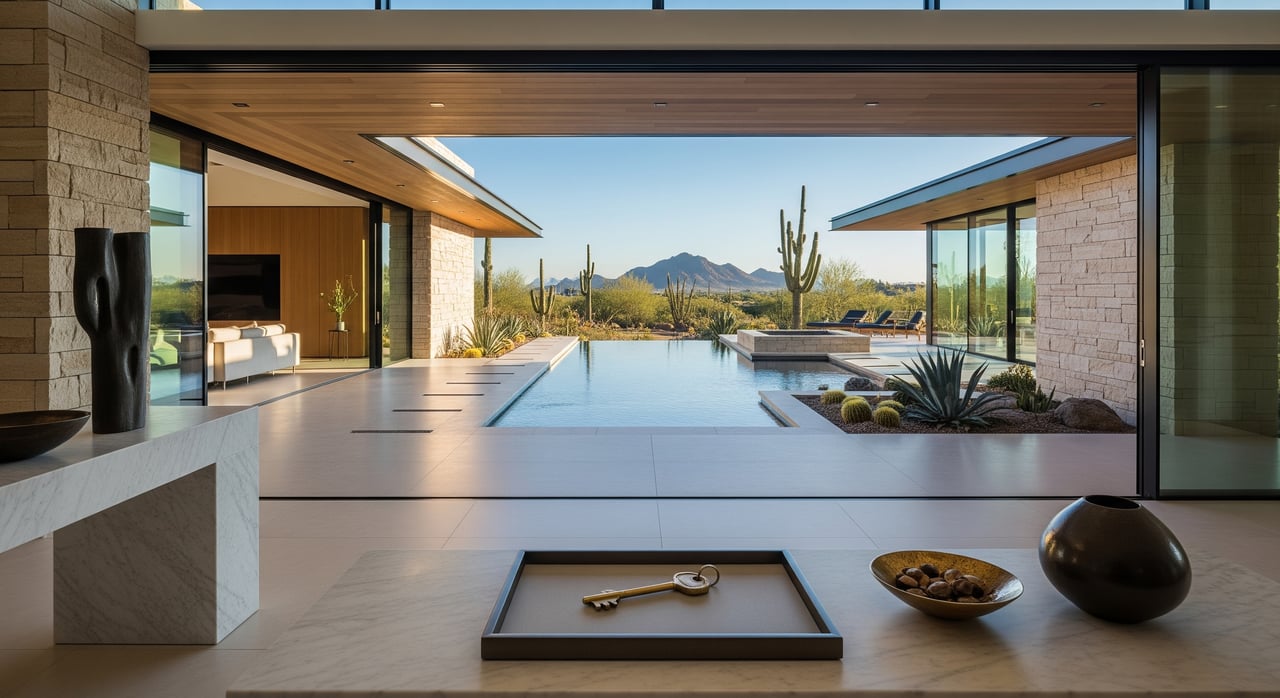
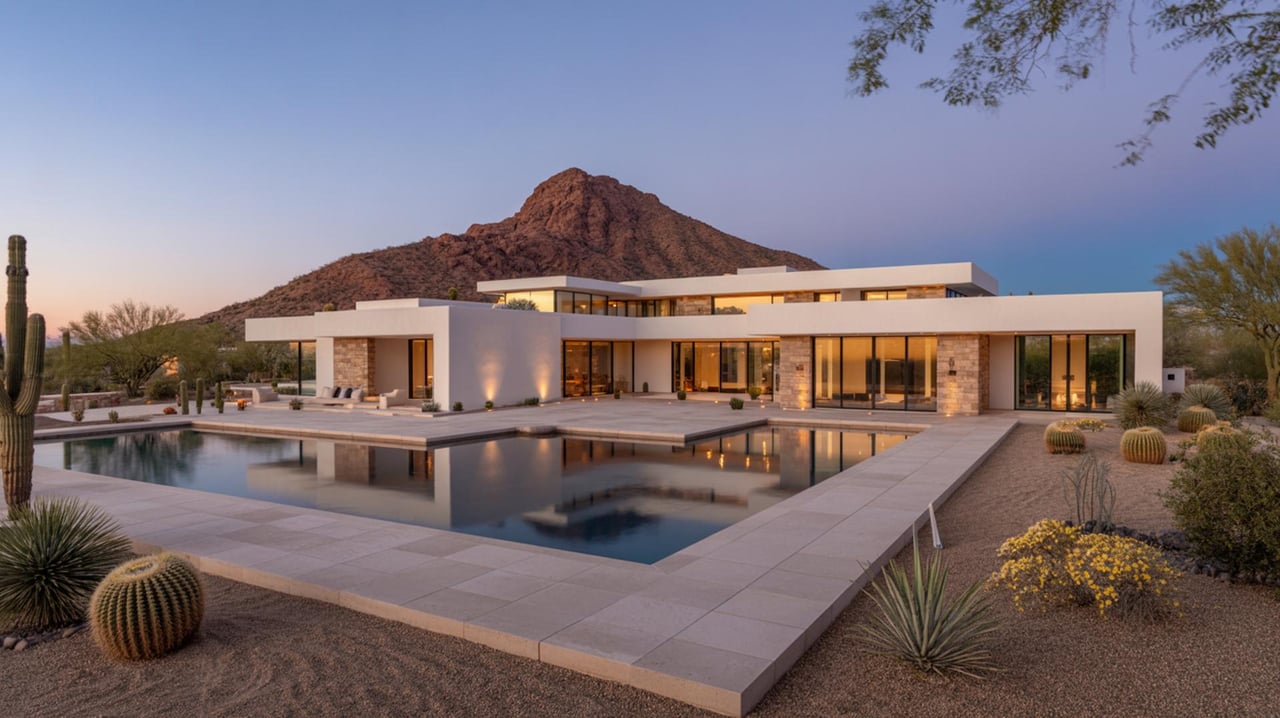
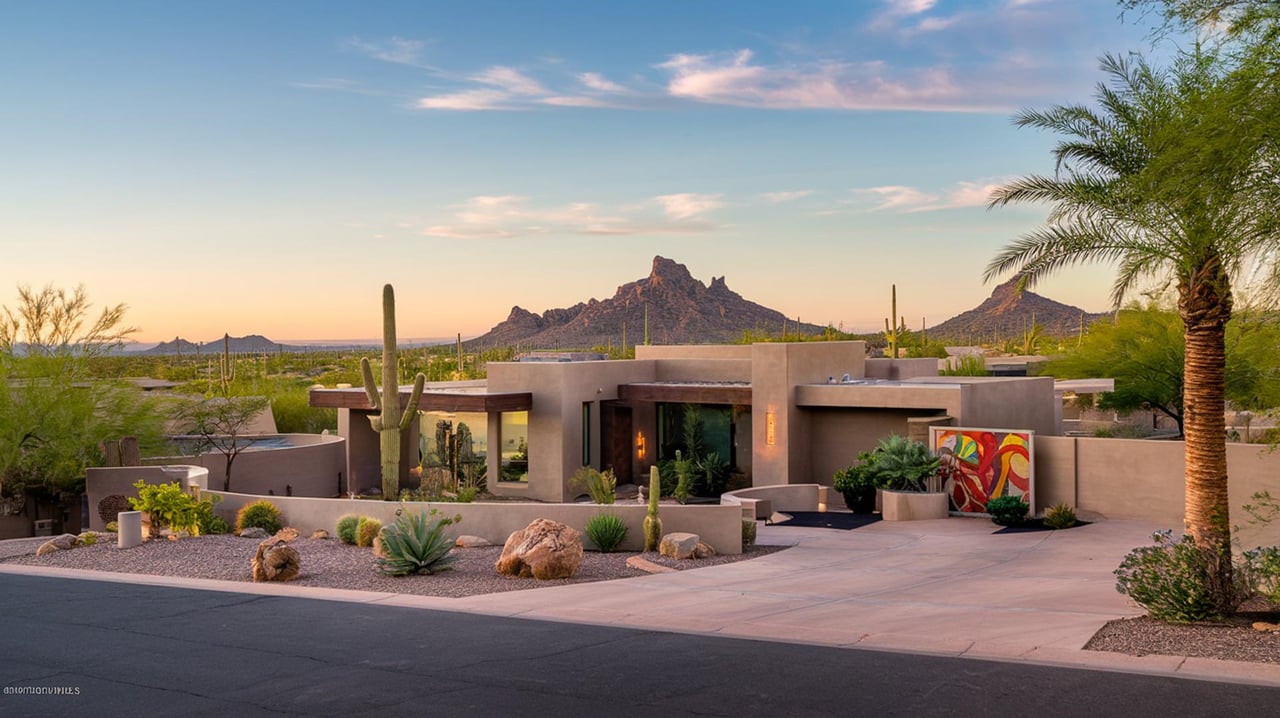
Lean into clean lines, restrained decor, and open surfaces. Let broad overhangs, large glass, warm wood accents, and strong indoor-outdoor flow take center stage.
A few well-scaled furnishings often work better than many smaller pieces. Keep color palettes soft and grounded so the architecture remains the focus.
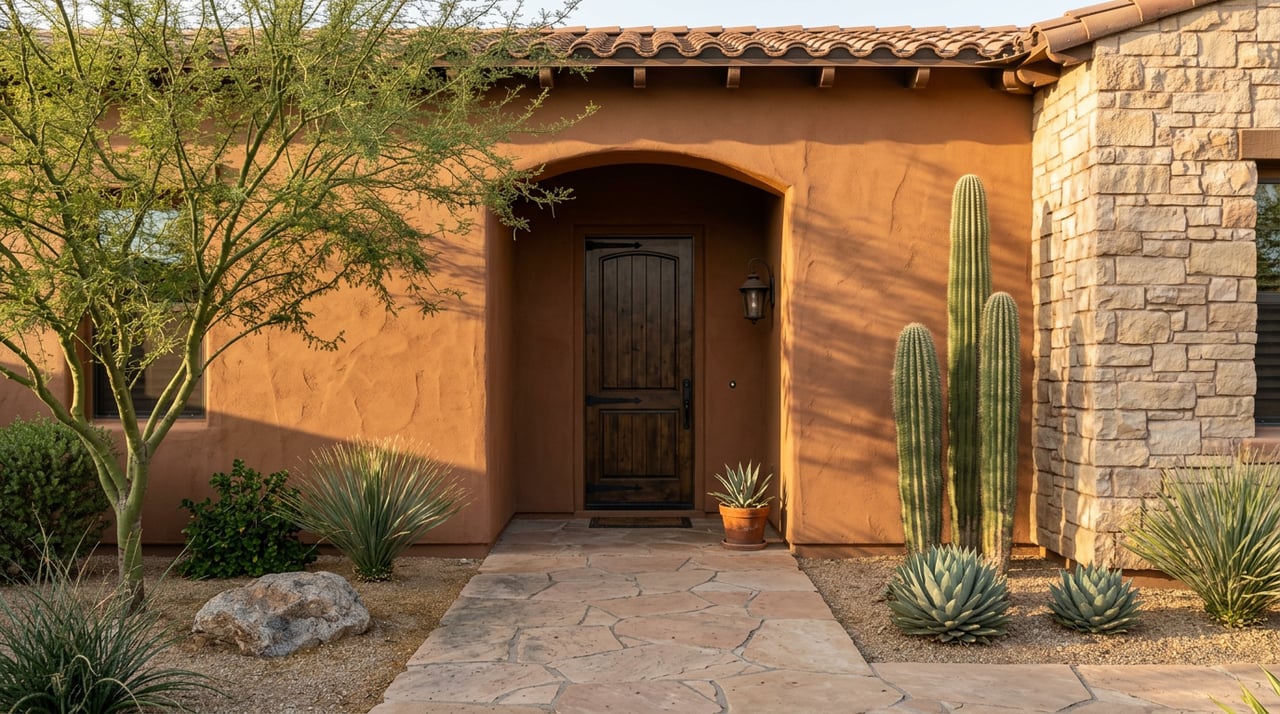
For Southwest or Tuscan homes
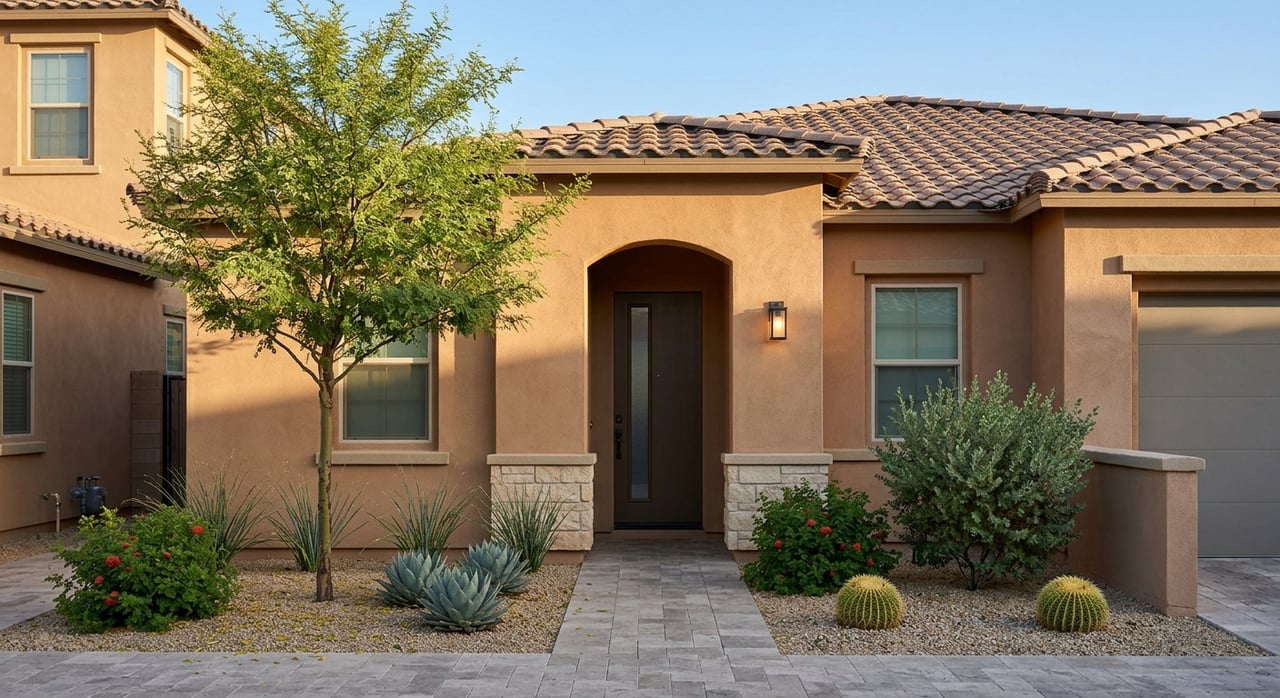
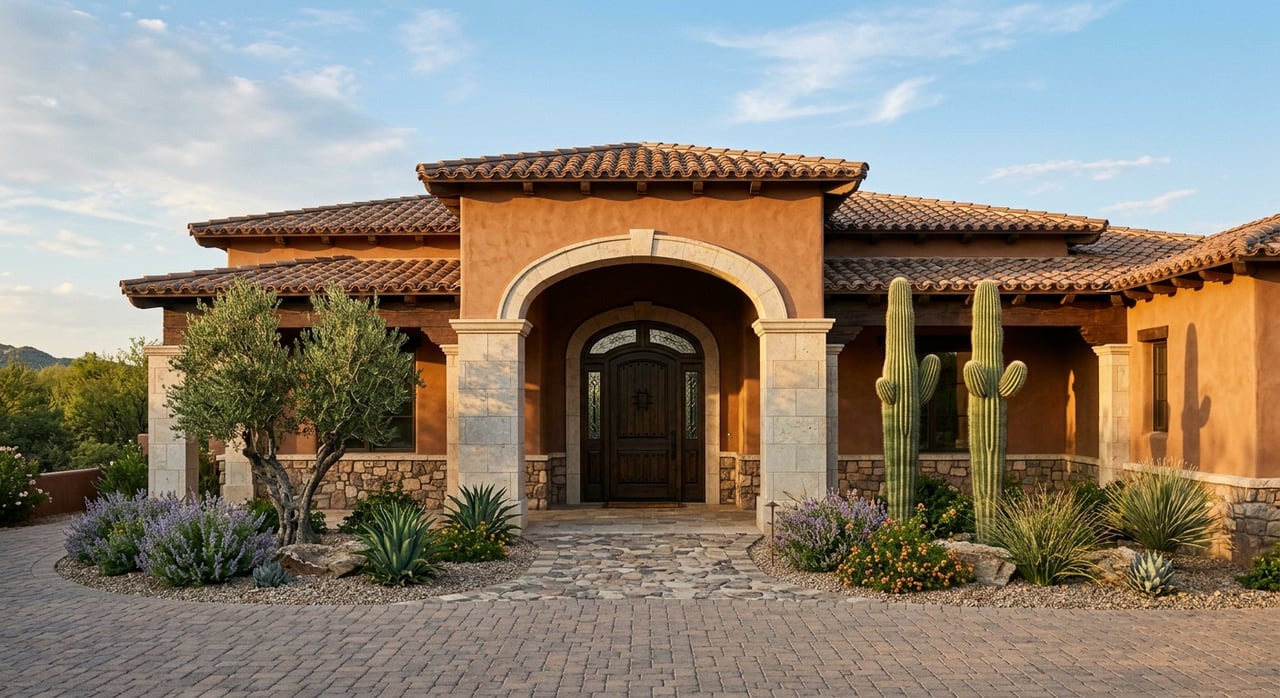
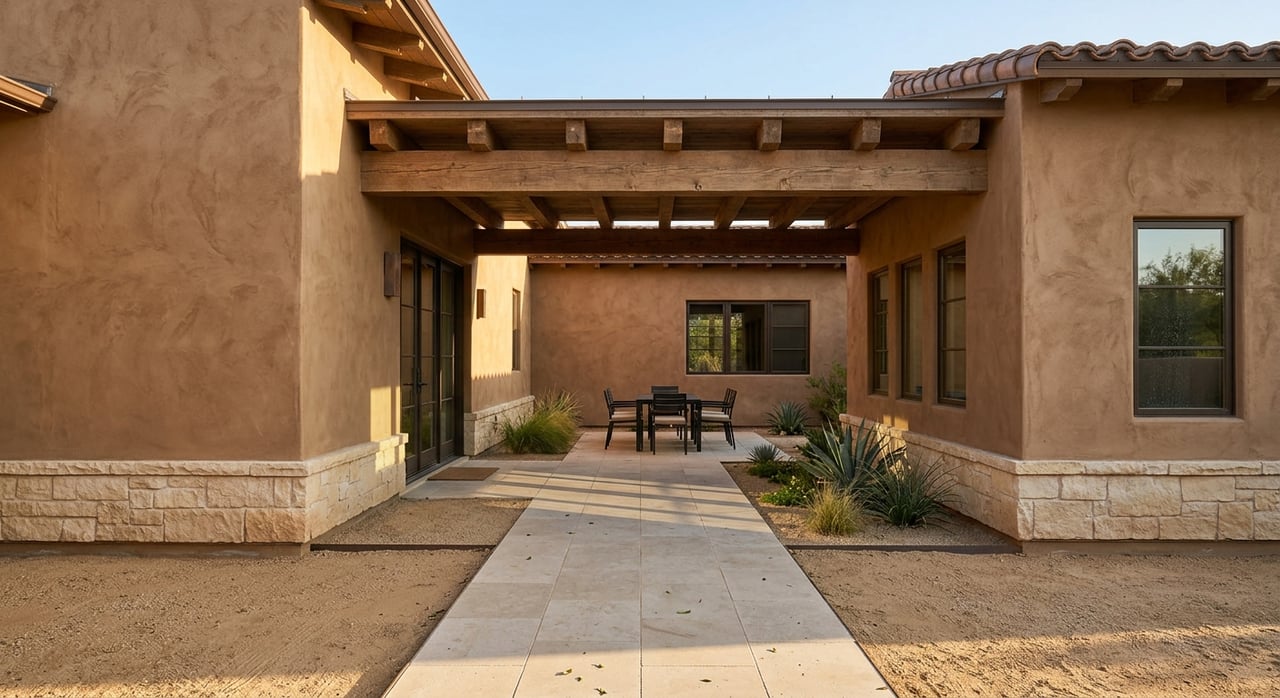
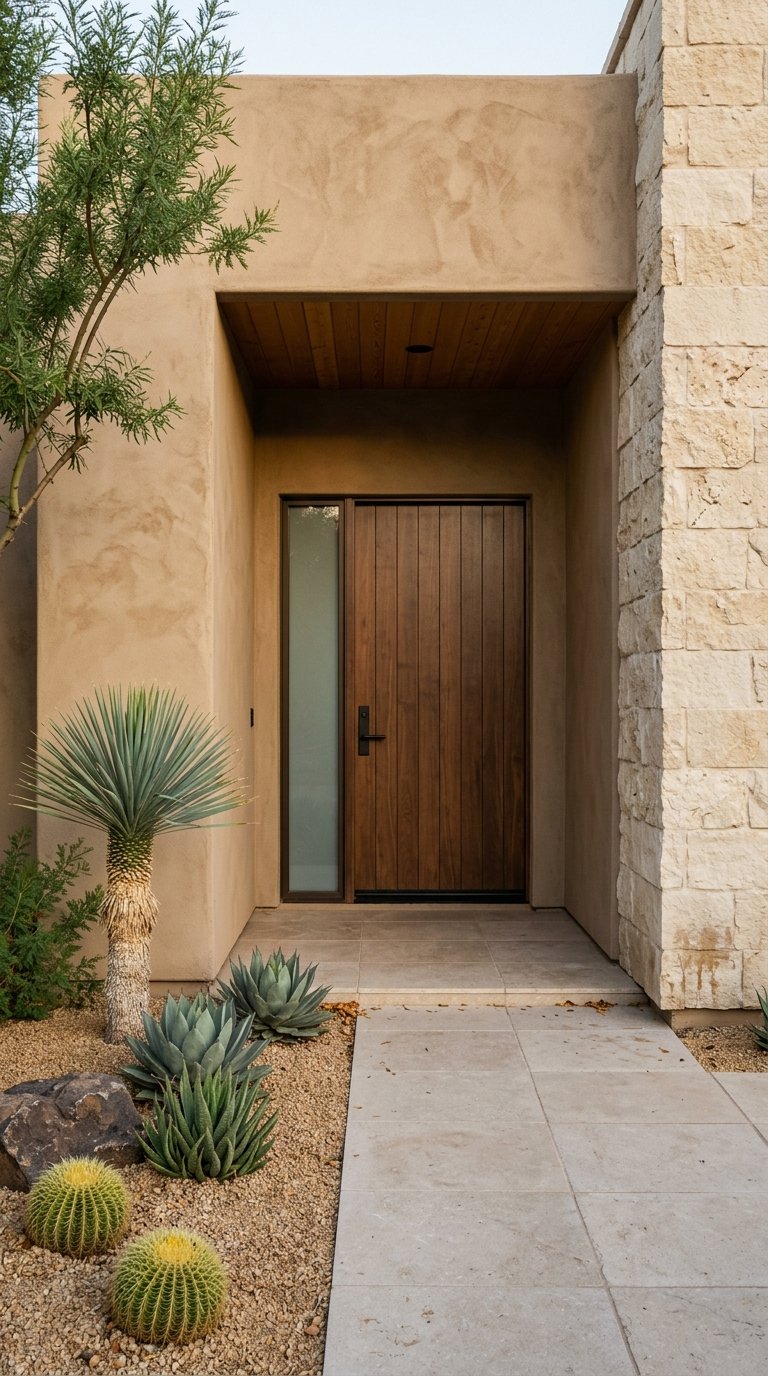
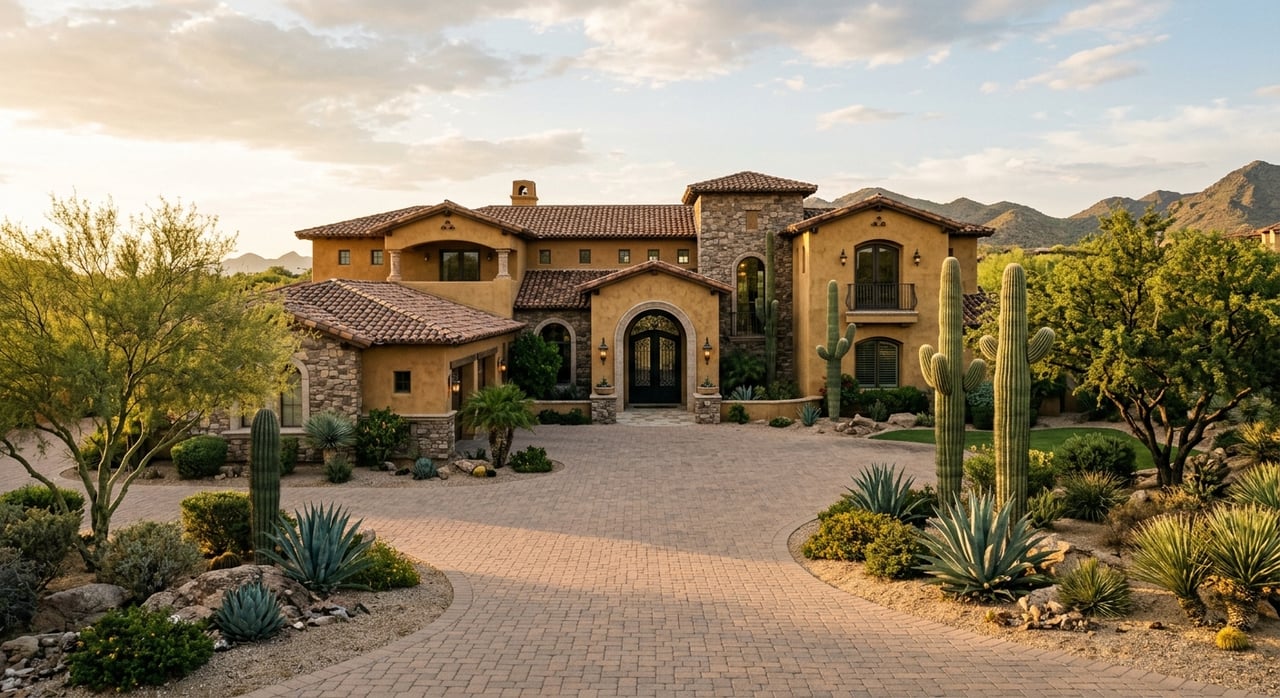
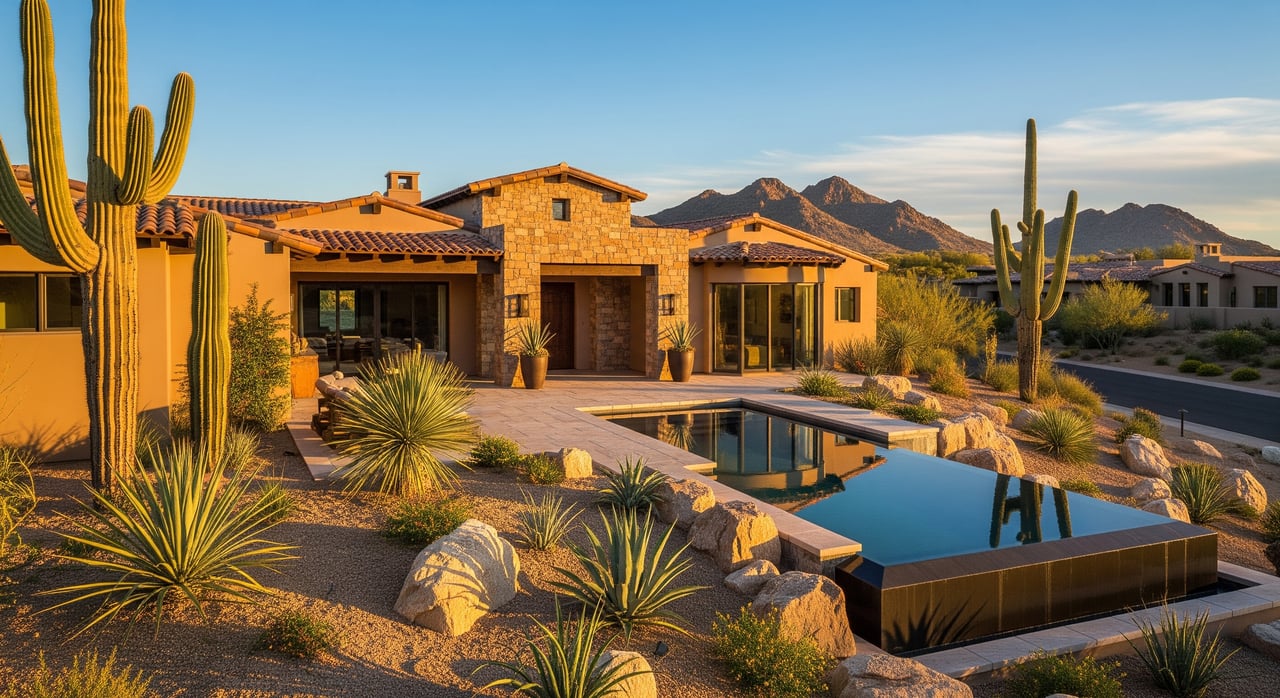
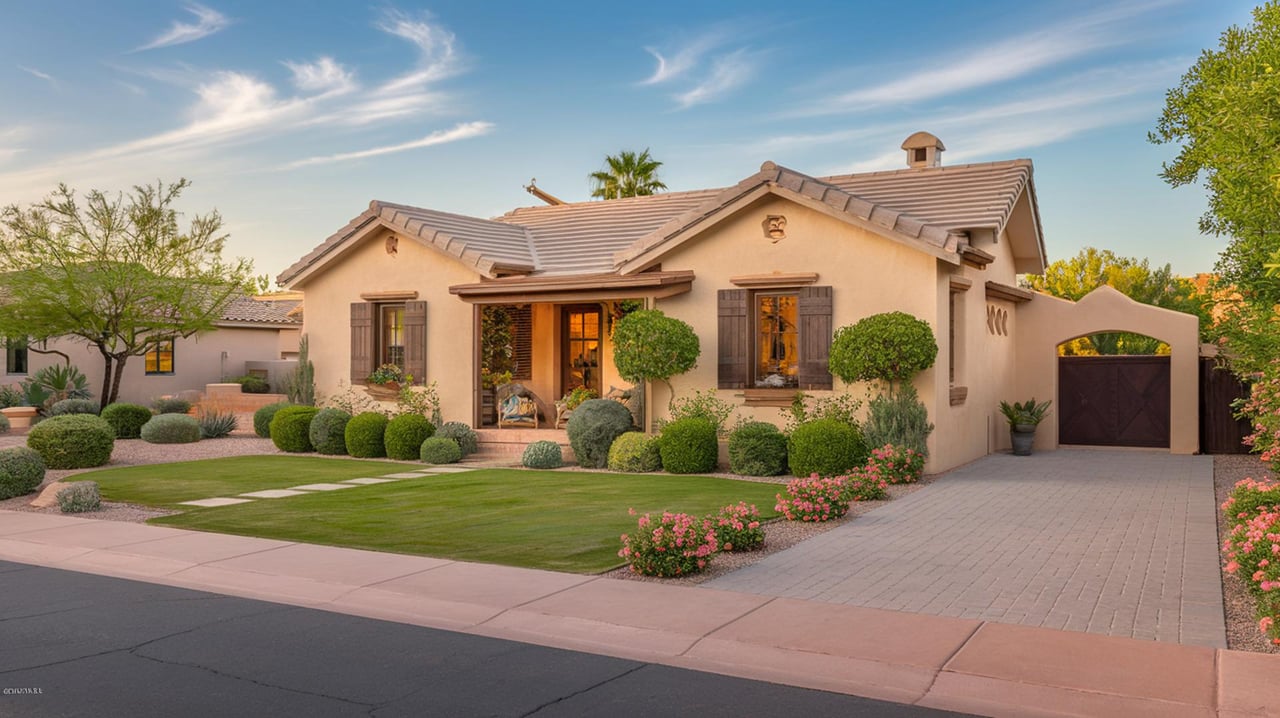
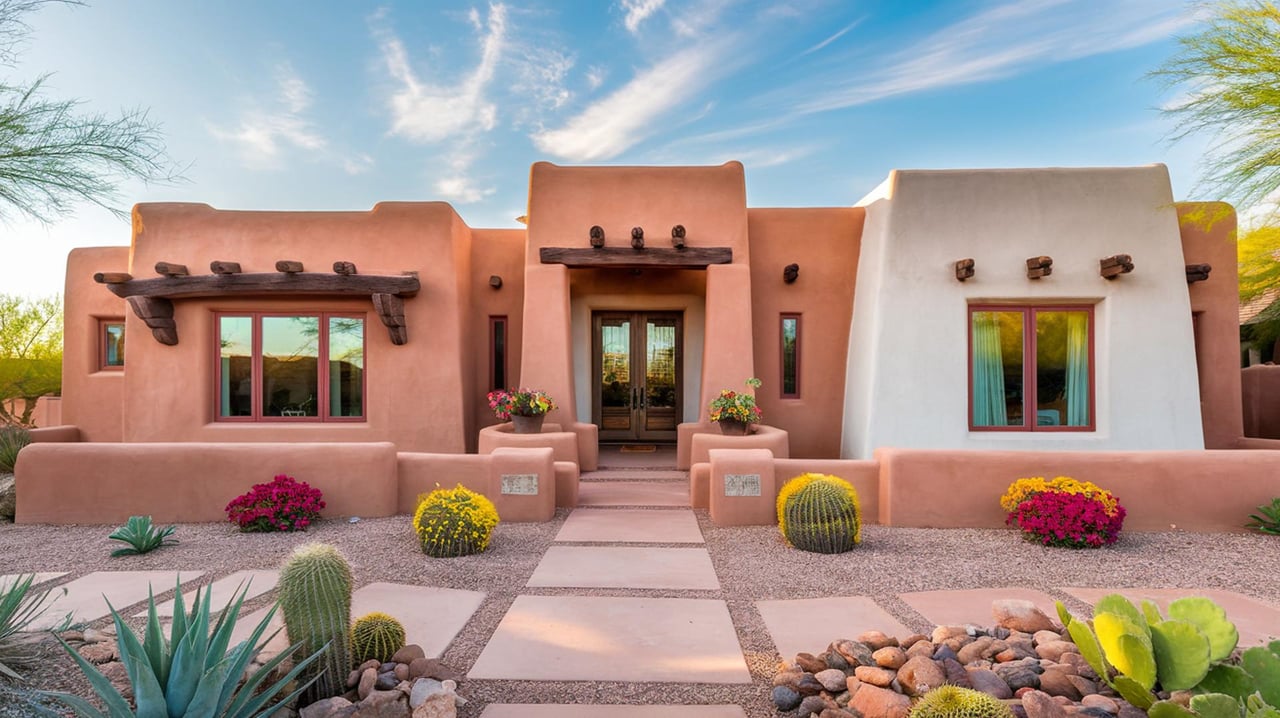
Warm stucco, stone details, arches, and textured finishes can photograph beautifully when the styling is edited. Use furnishings and accessories that feel intentional but not heavy.
Too much ornament can make these homes feel dated in photos. A cleaner presentation helps traditional architecture feel timeless rather than overly themed.
Budget with strategy, not assumptions
Staging costs can vary depending on the home, the level of service, and whether the work is done professionally or more lightly in-house. NAR reported a median staging-service spend of $1,500, compared with $500 when sellers’ agents staged personally.
That does not mean one number fits every Paradise Valley listing. Larger homes, luxury inventory, and extensive outdoor areas may need a more customized plan. The right approach is to look at what will most improve first impressions, buyer confidence, and digital presentation.
What the best Paradise Valley staging plan includes
For many sellers, the strongest approach is a combination of practical prep, selective refreshes, and professional media readiness. You do not need to transform your home into something unrecognizable. You need to make it easier for buyers to see its scale, light, comfort, and setting.
A strong staging plan often includes:
- Deep cleaning throughout the home
- Decluttering and depersonalizing key spaces
- Prioritizing the living room, primary suite, kitchen, and dining room
- Refreshing paint, lighting, or worn finishes where needed
- Editing outdoor areas to protect views and improve usability
- Preparing the property for professional photography, video, and virtual tours
In a place like Paradise Valley, thoughtful staging is really about clarity. When buyers can quickly understand the home and imagine life there, your listing is better positioned to stand out.
If you are preparing to sell in Paradise Valley and want a polished, market-smart presentation plan, Kayla Kerulis offers concierge-level guidance, professional listing marketing, and local insight to help your home make the right impression from day one.
FAQs
What rooms should you stage first in a Paradise Valley home?
- Start with the living room, primary bedroom, kitchen, and dining room, since staging research shows these spaces carry the most weight for buyer perception and visualization.
How should outdoor spaces be staged for a Paradise Valley listing?
- Keep patios, pool areas, and terraces clean, usable, and uncluttered so buyers can appreciate outdoor living, privacy, and view corridors.
Does staging guarantee a higher sale price for a Paradise Valley home?
- No. Staging should be framed as a way to improve first impressions, buyer confidence, and premium positioning in a market where pricing is still negotiated.
What interior style works best when staging a Paradise Valley property?
- A light, neutral, edited look usually works best because it helps buyers focus on architecture, natural light, room flow, and move-in-ready appeal.
Why is photo-ready staging important for Paradise Valley sellers?
- Many buyers begin their search online, so your home needs to look polished and accurate in photos, video, and virtual tours before buyers decide to visit in person.