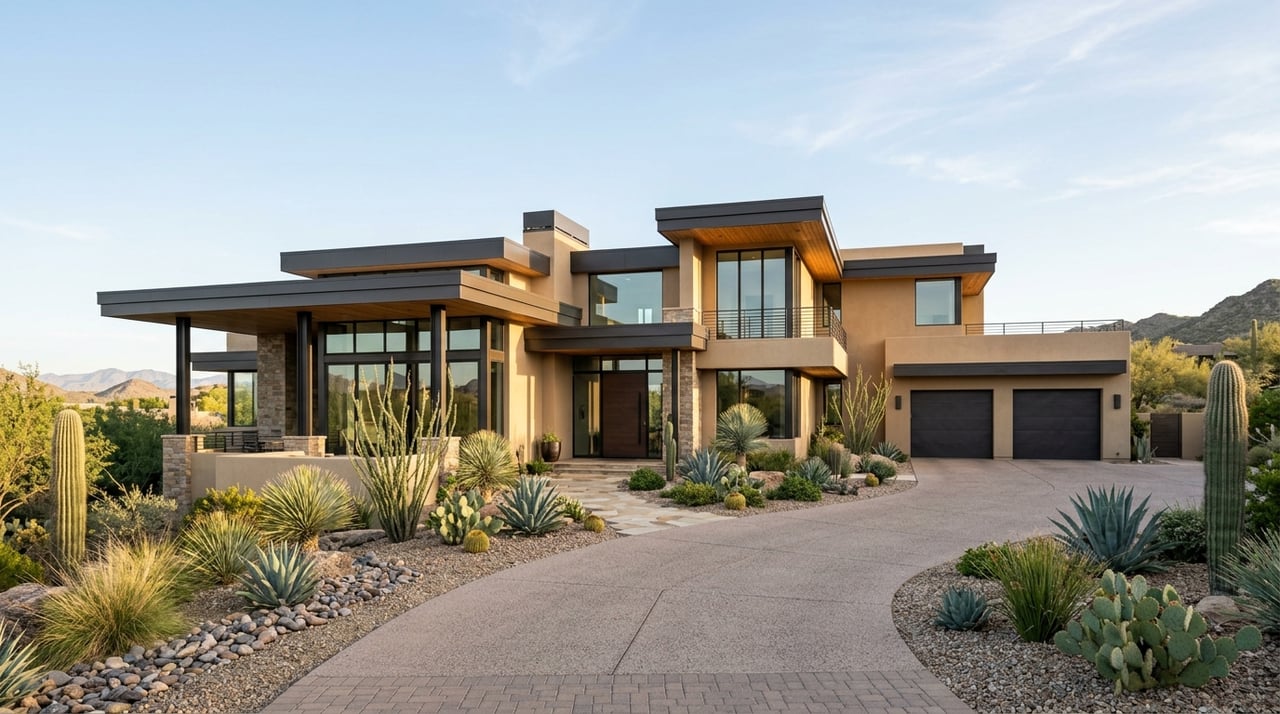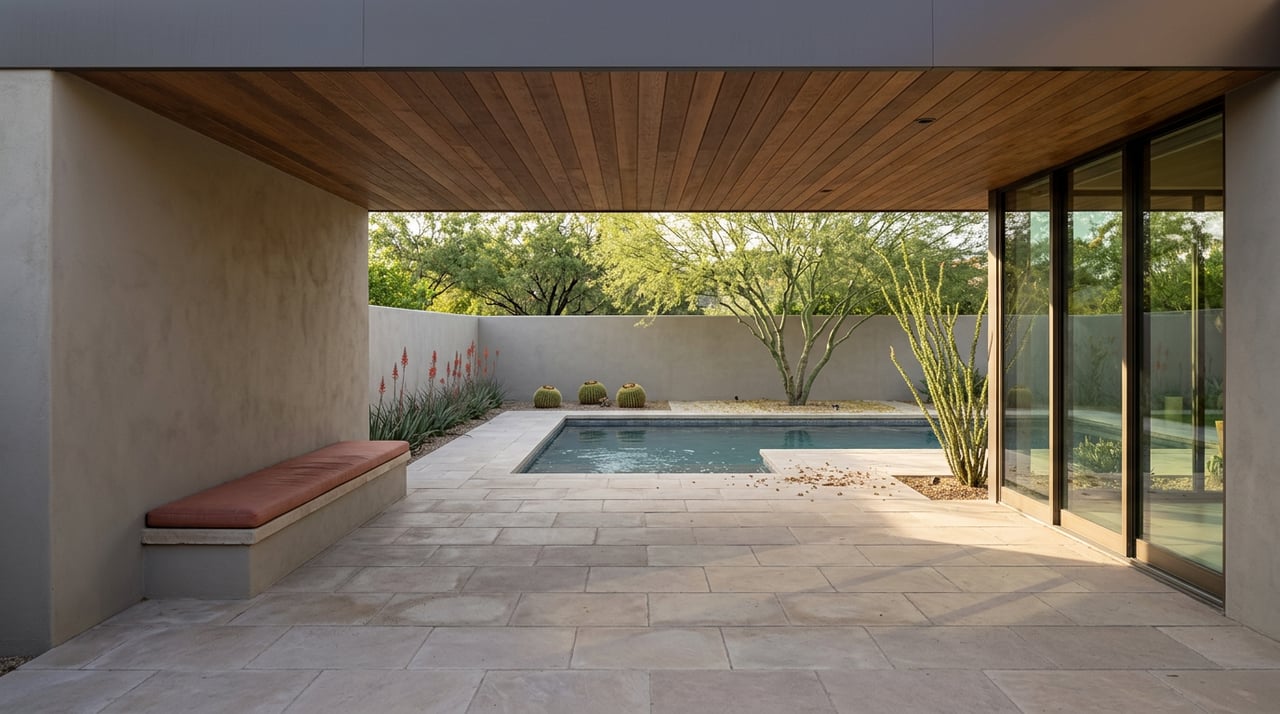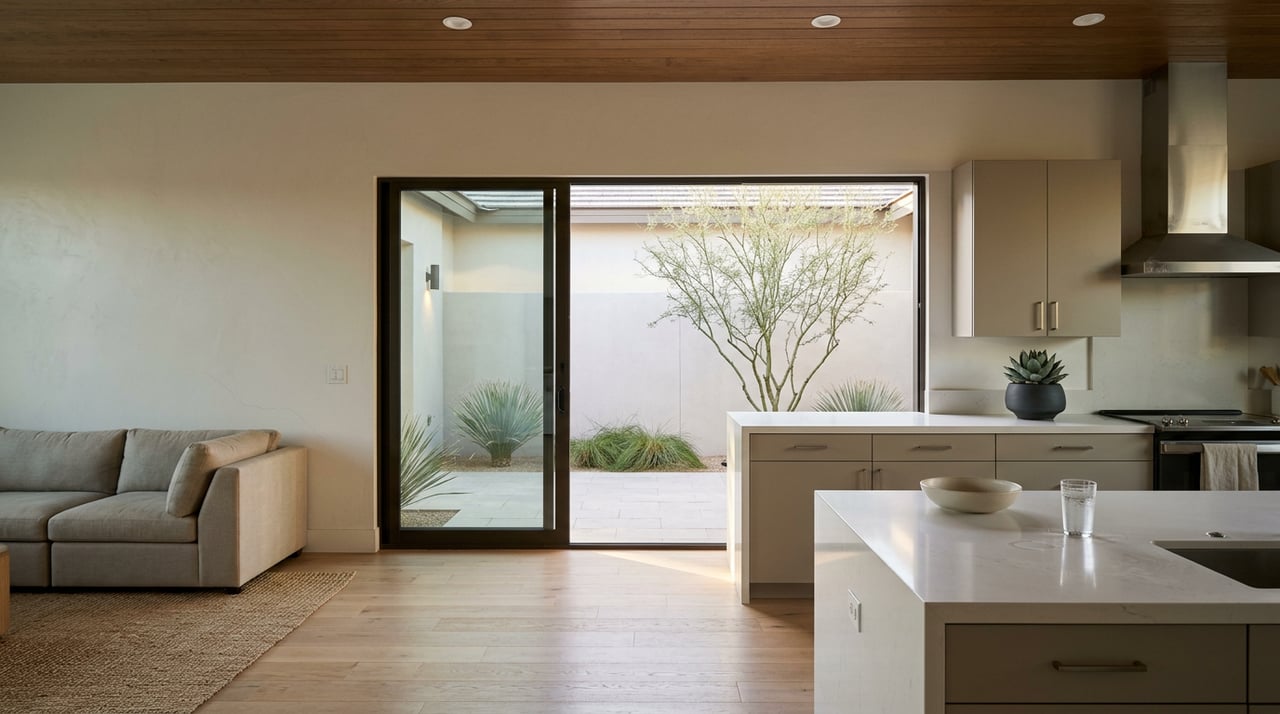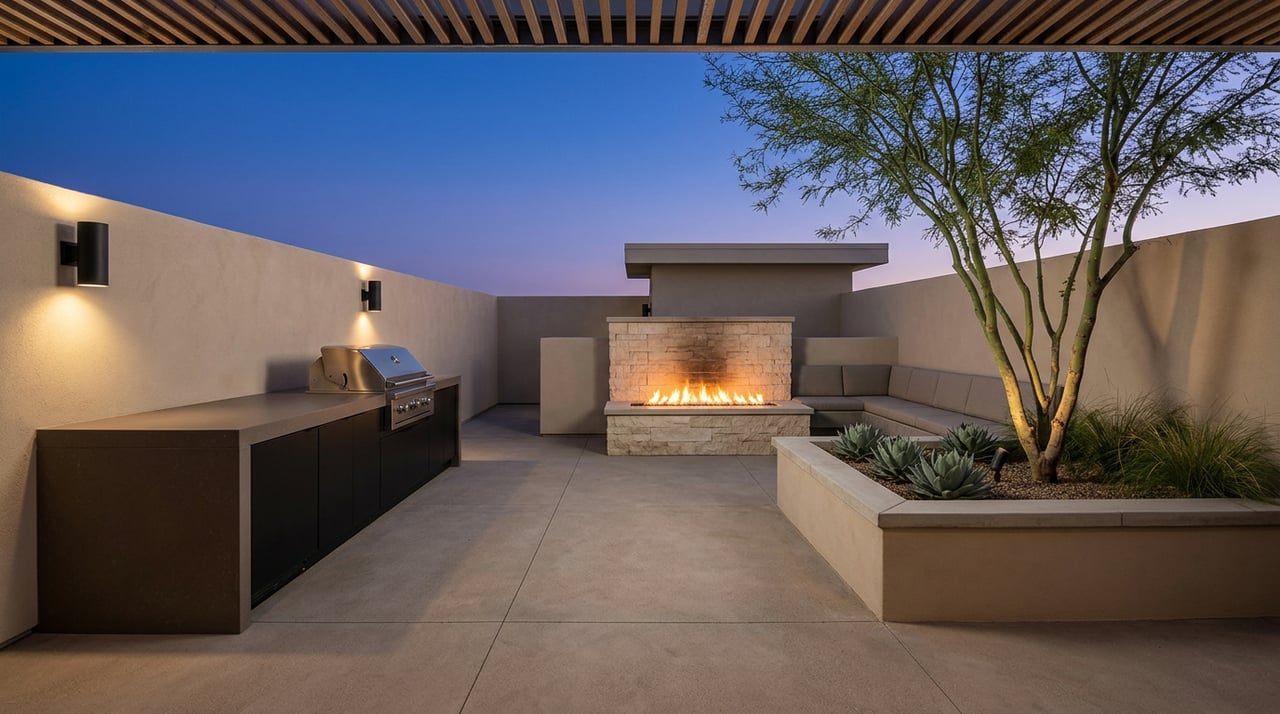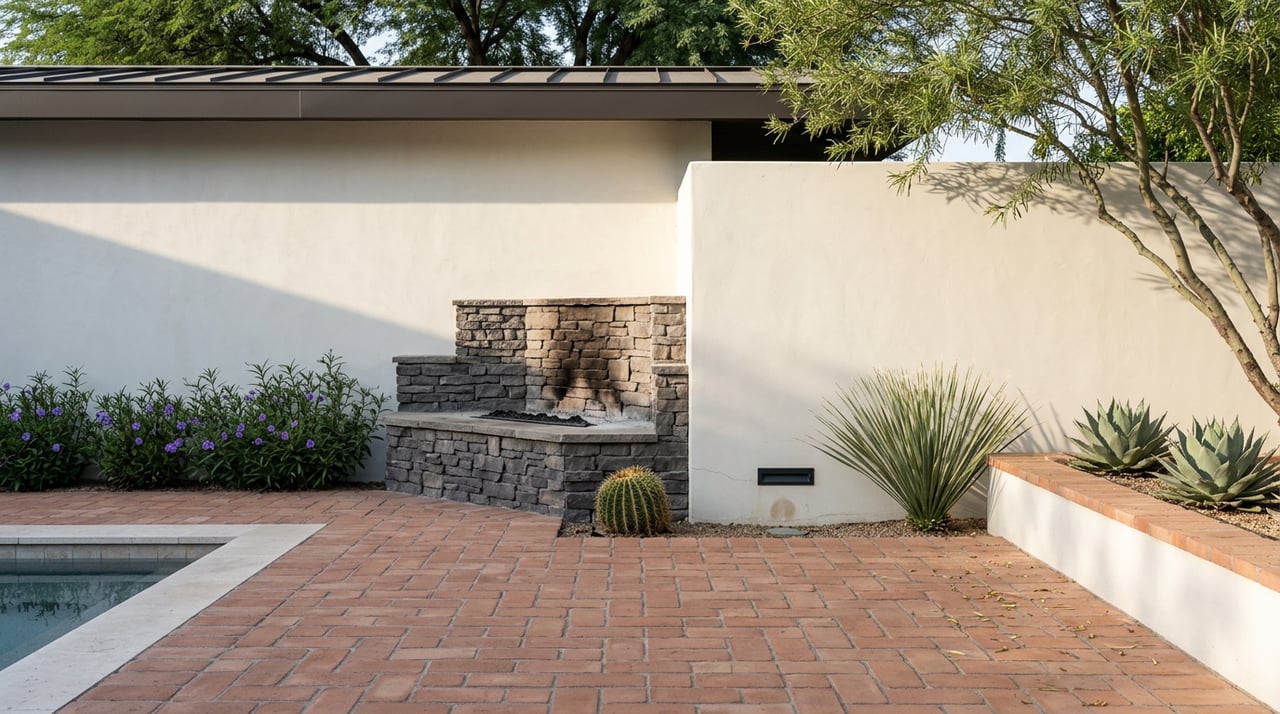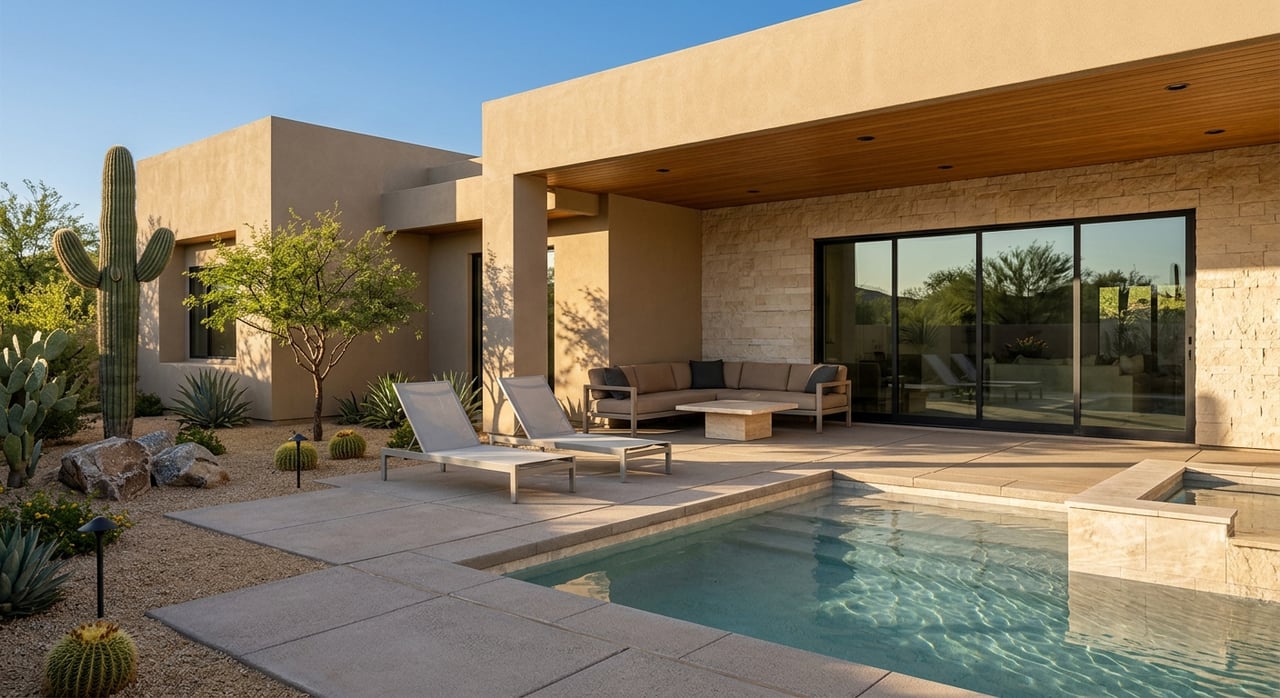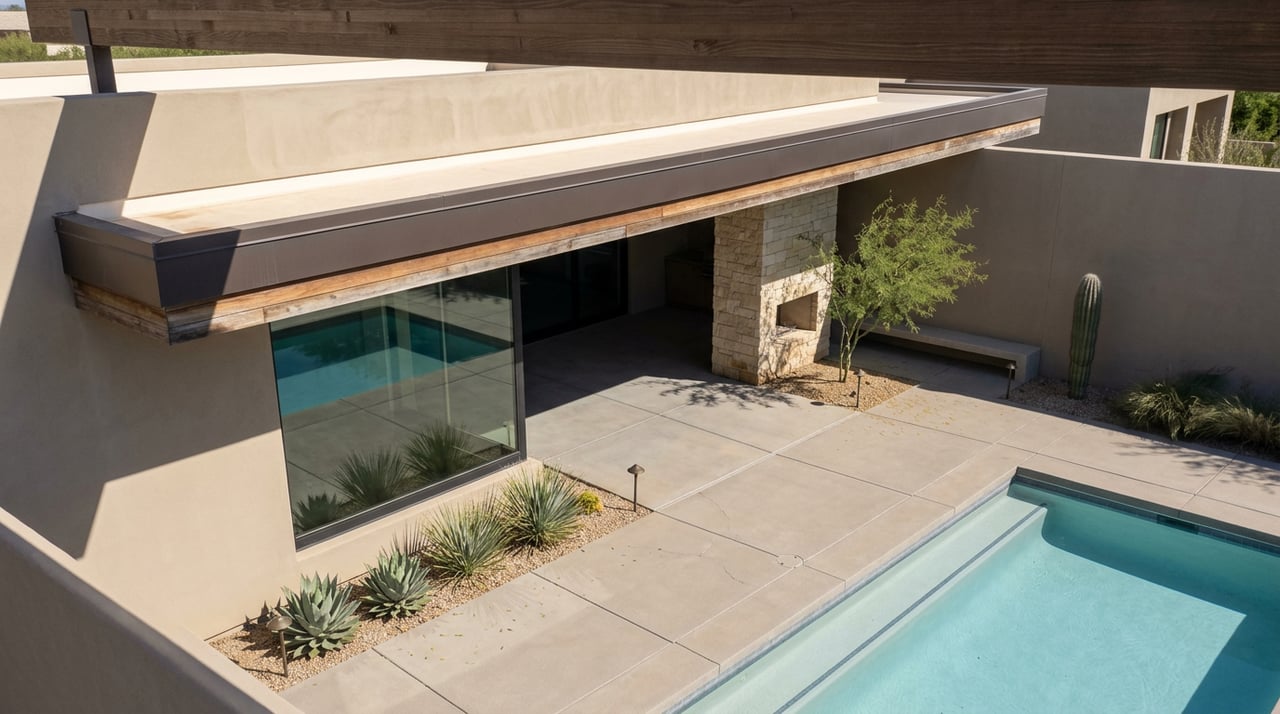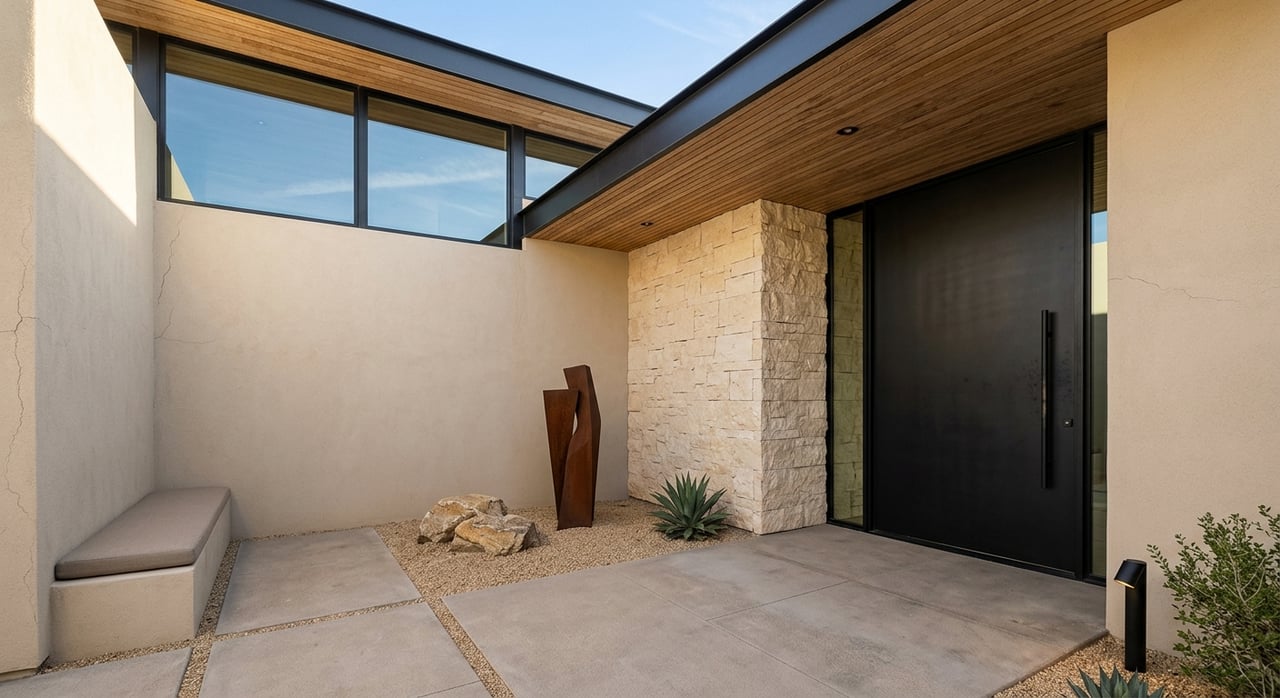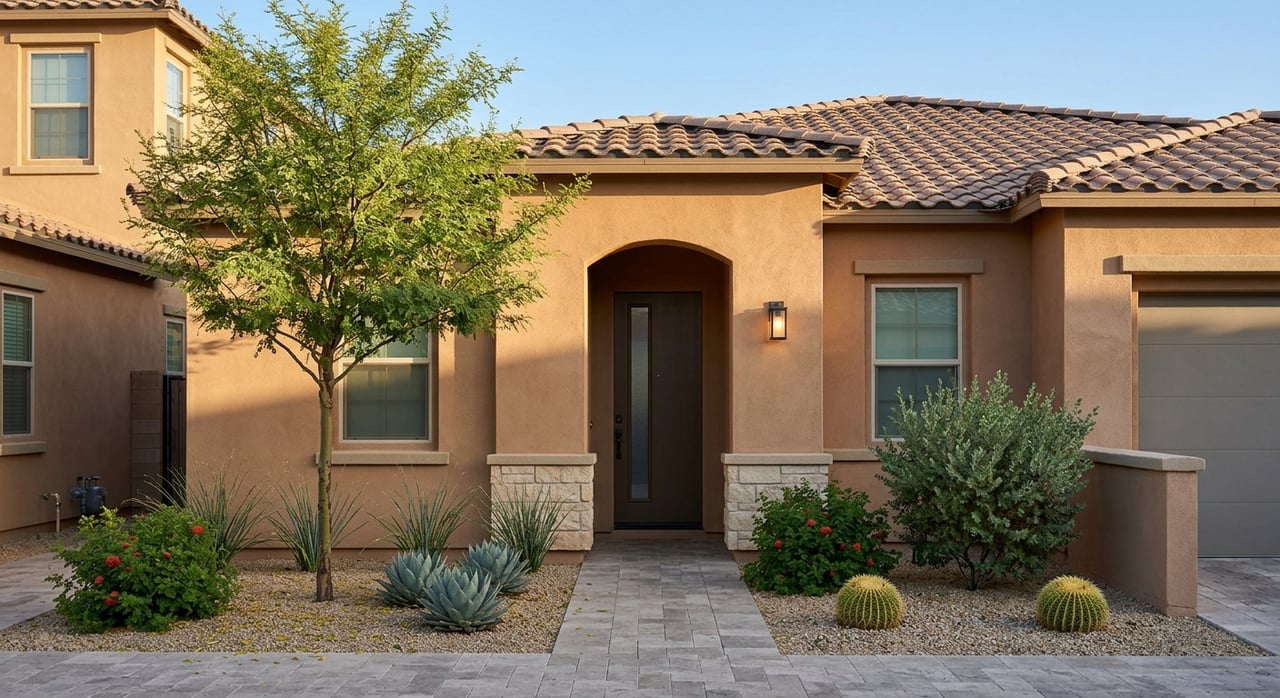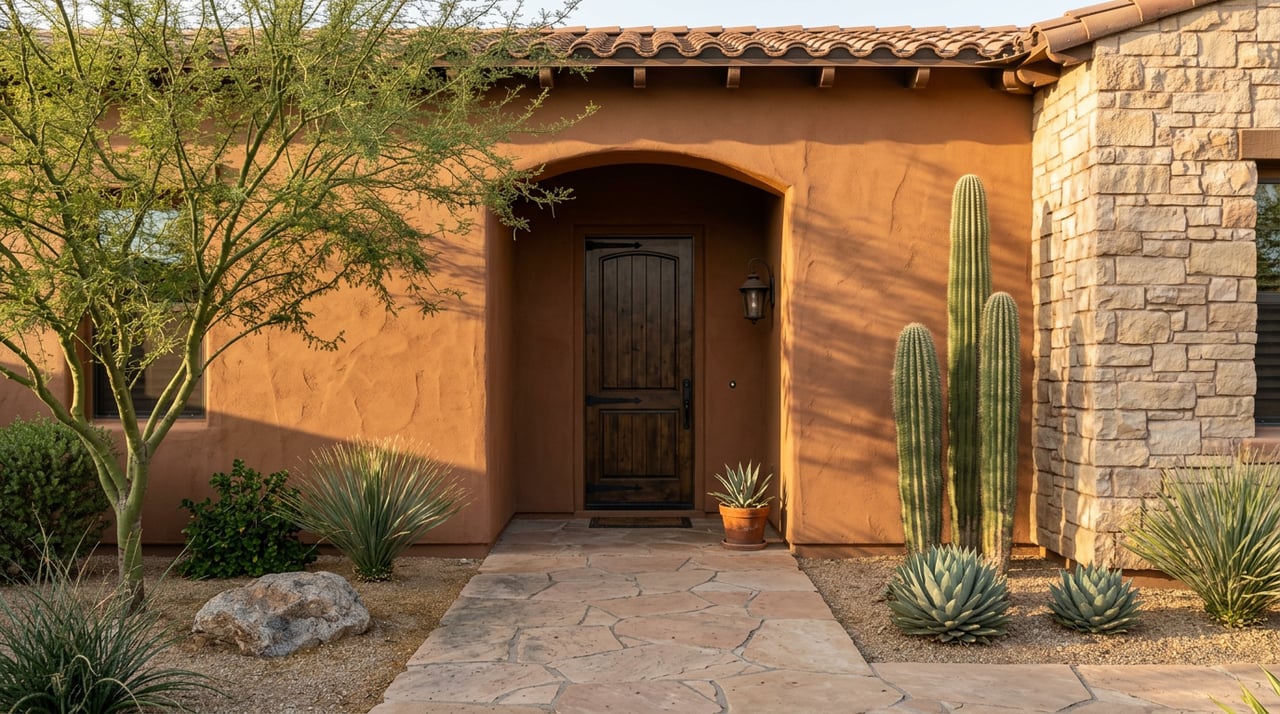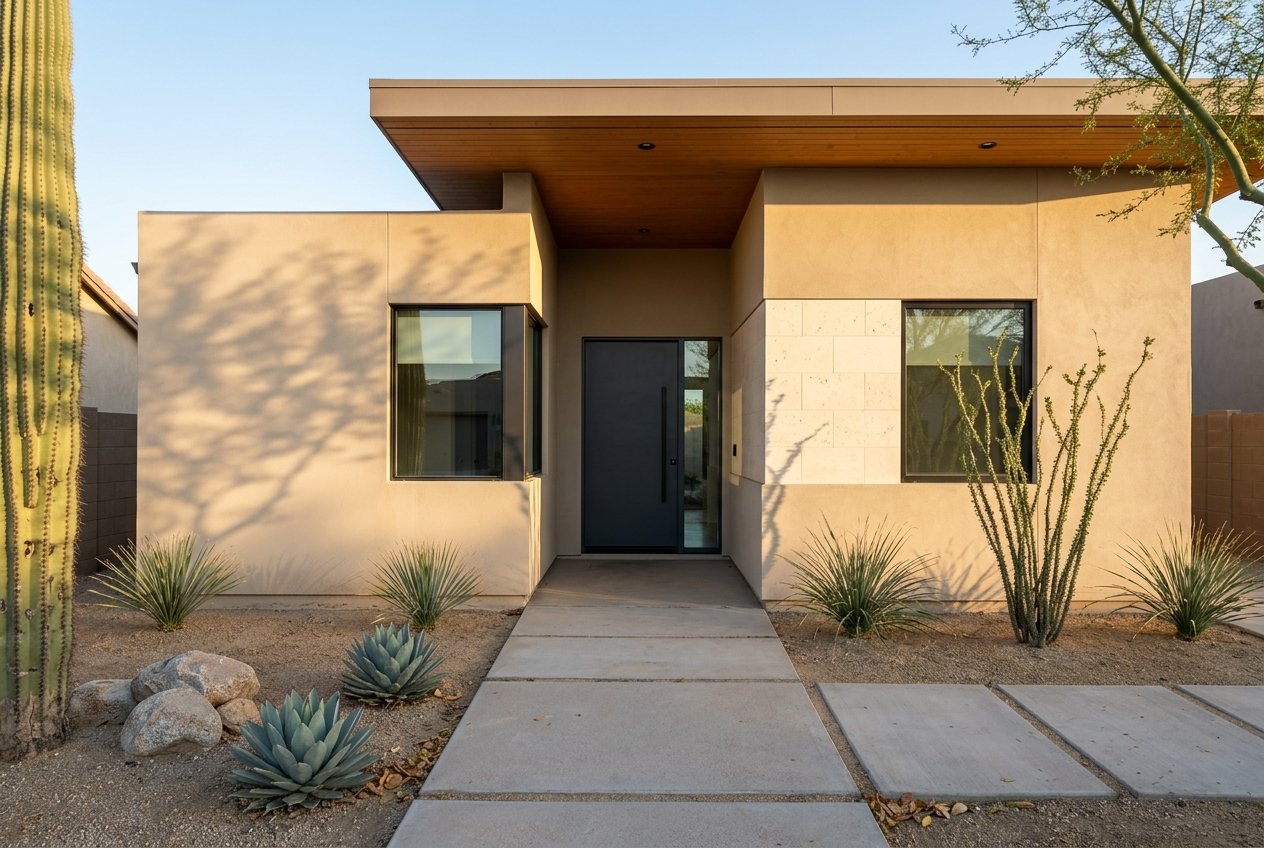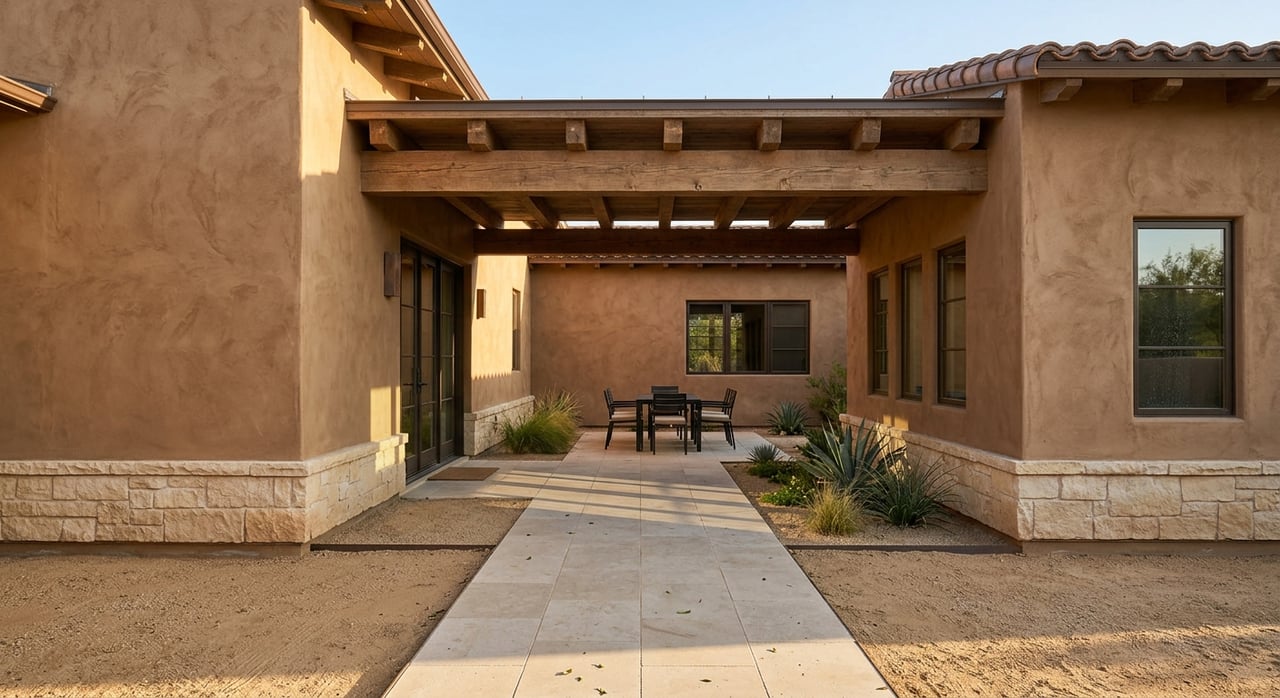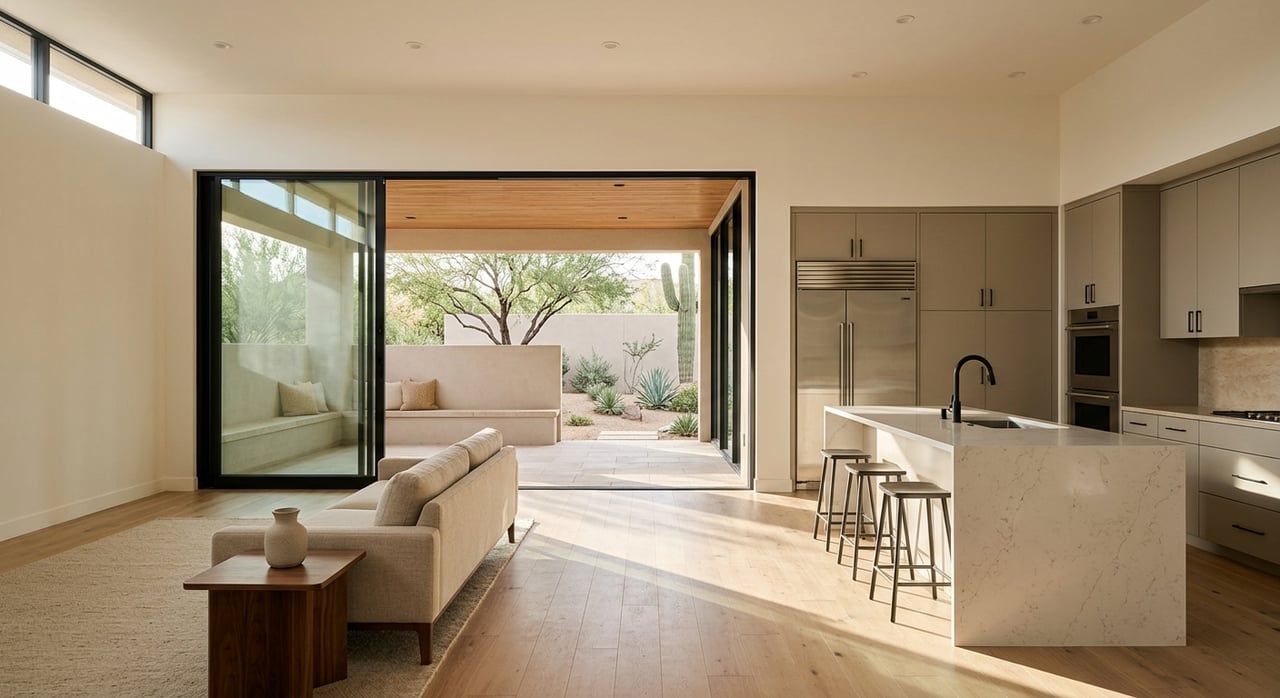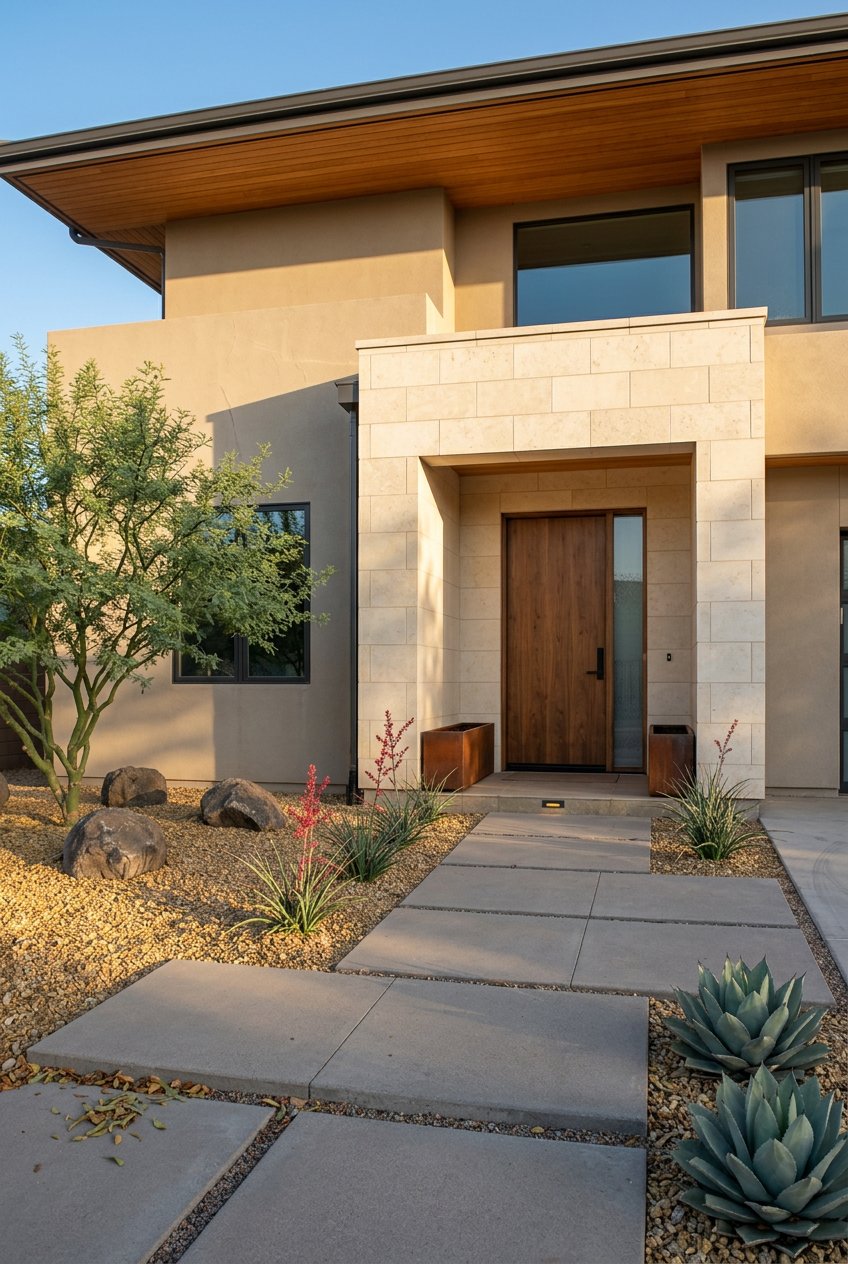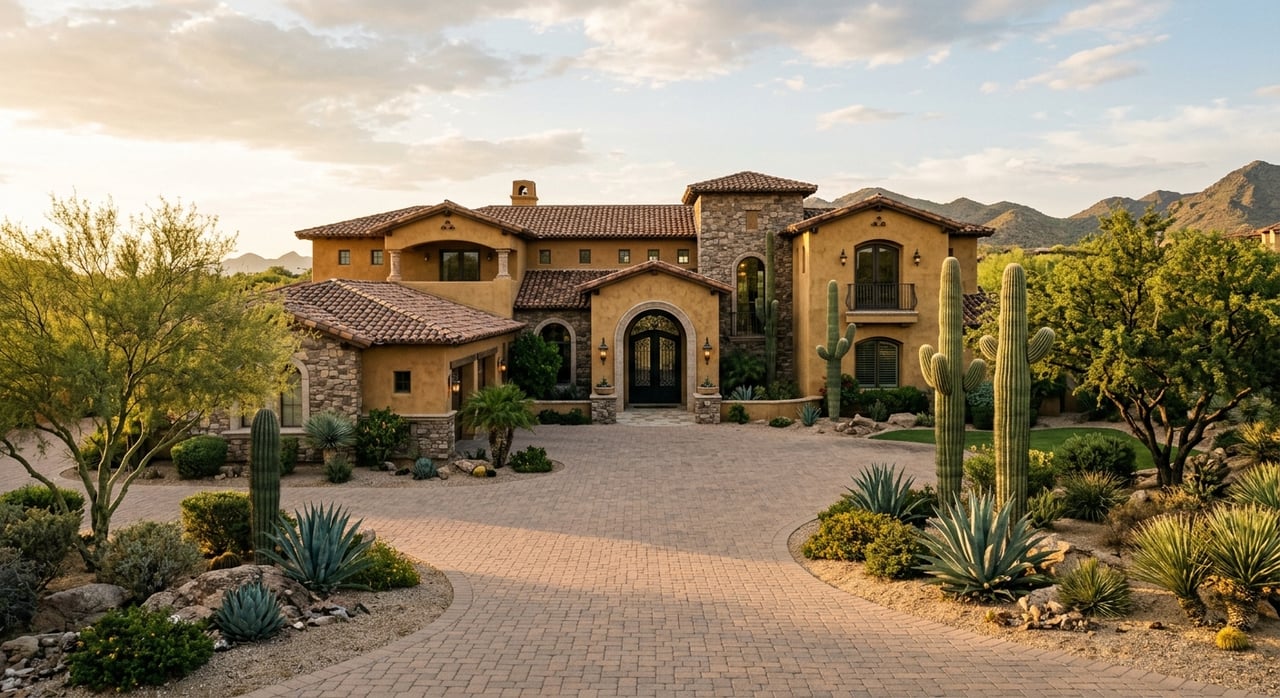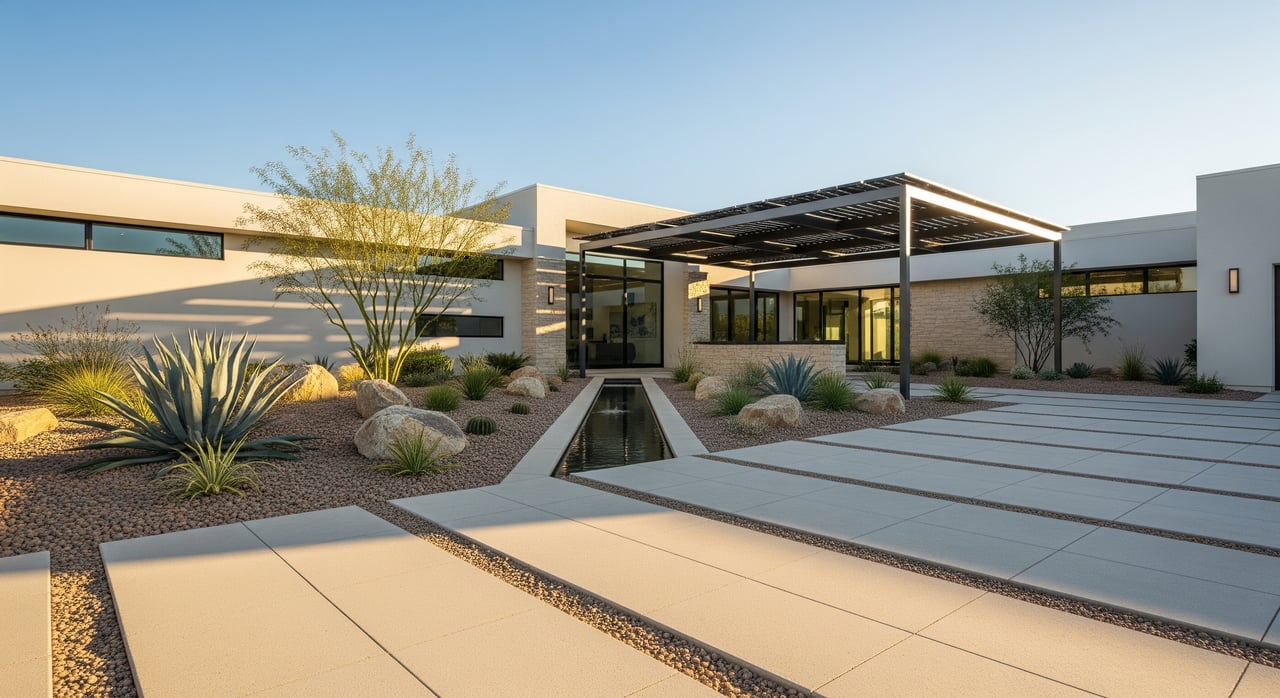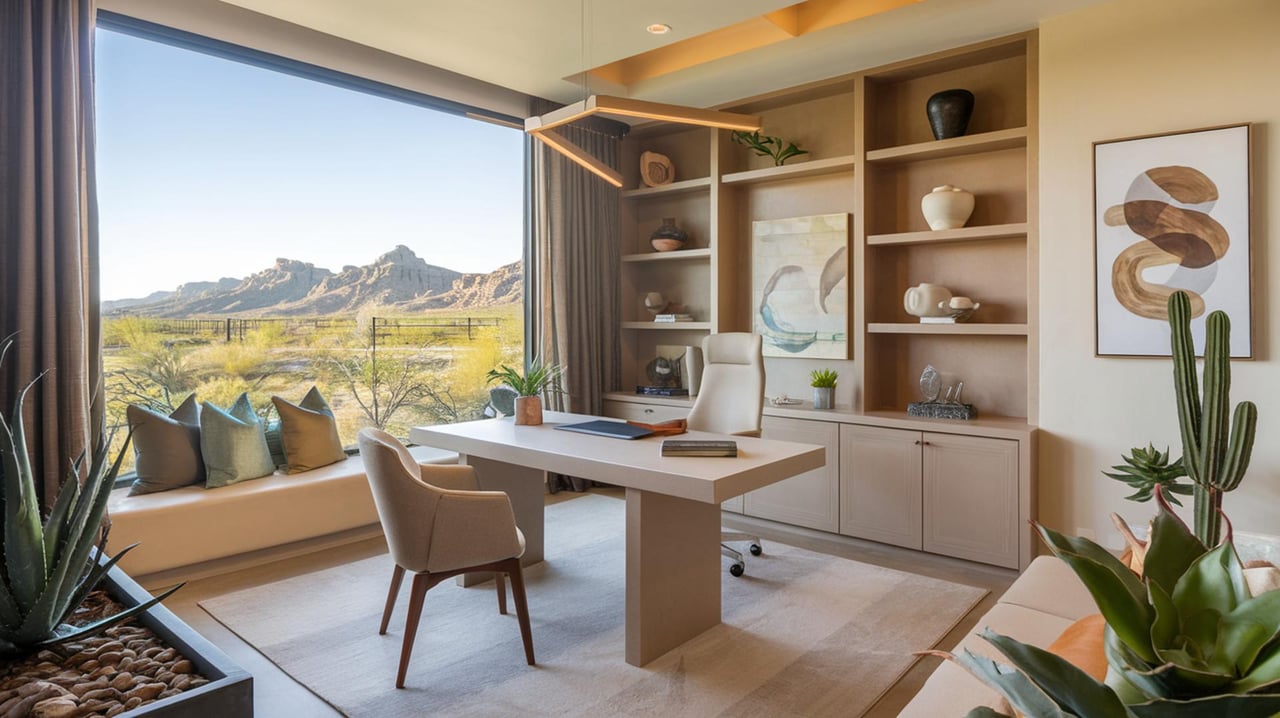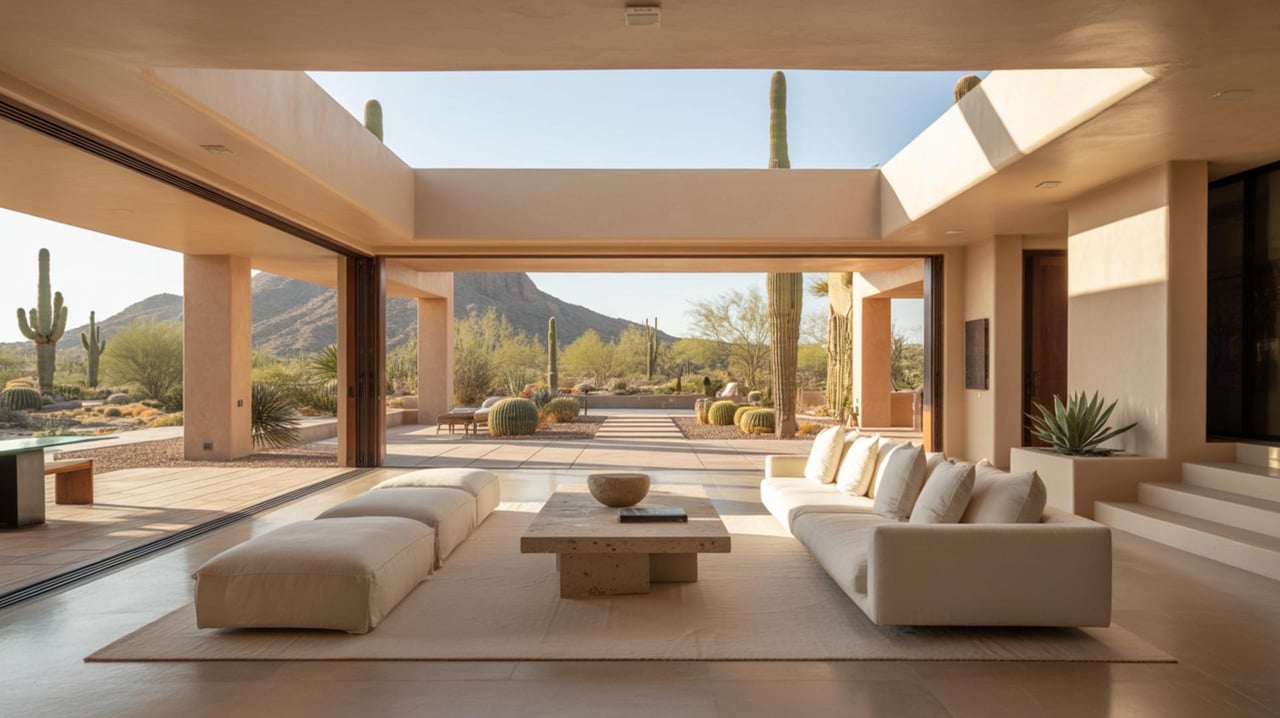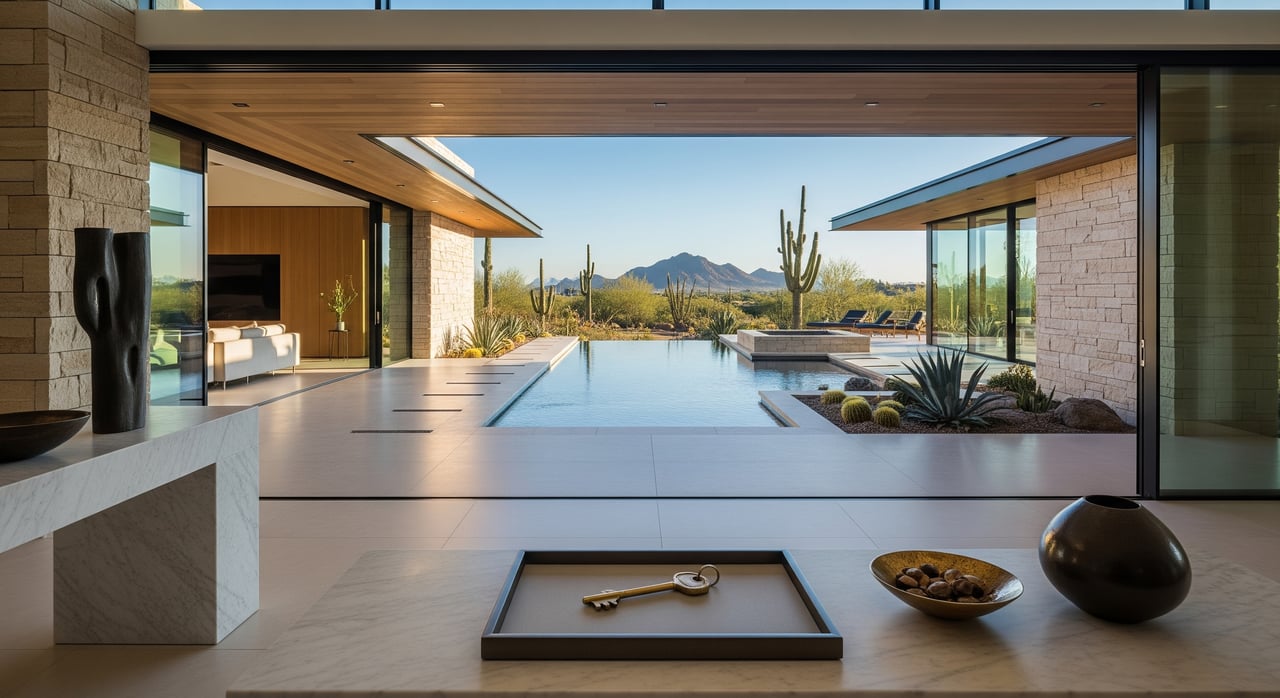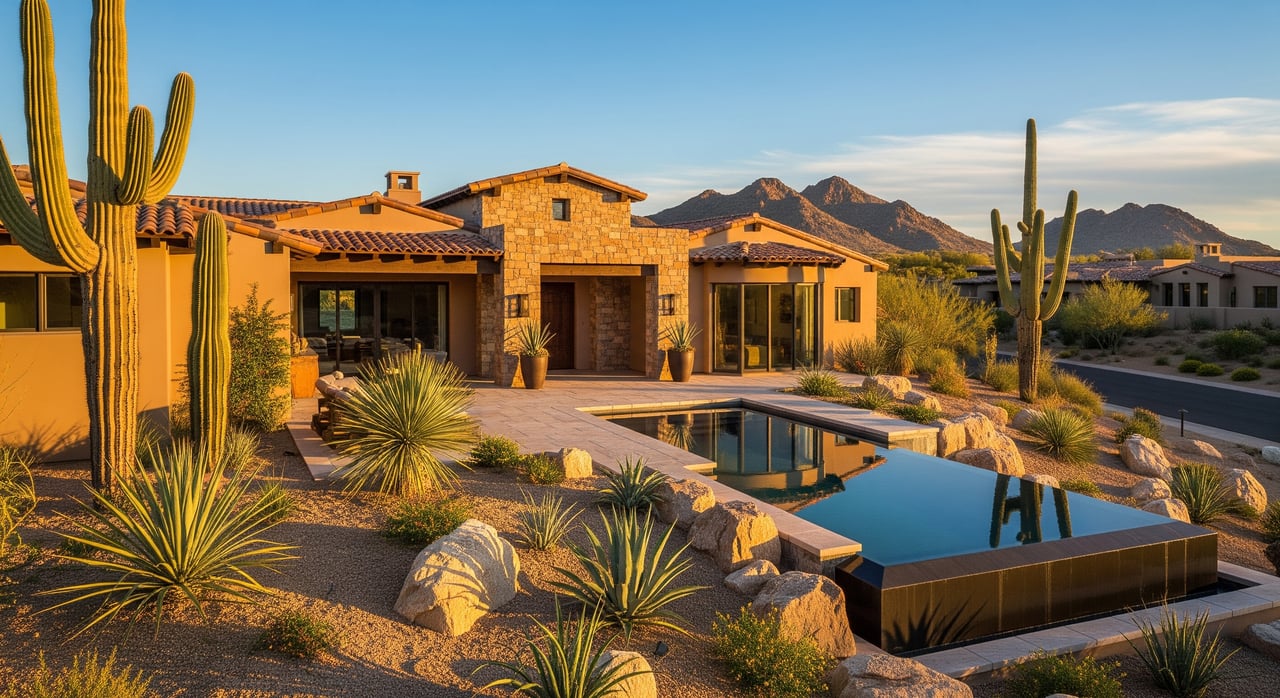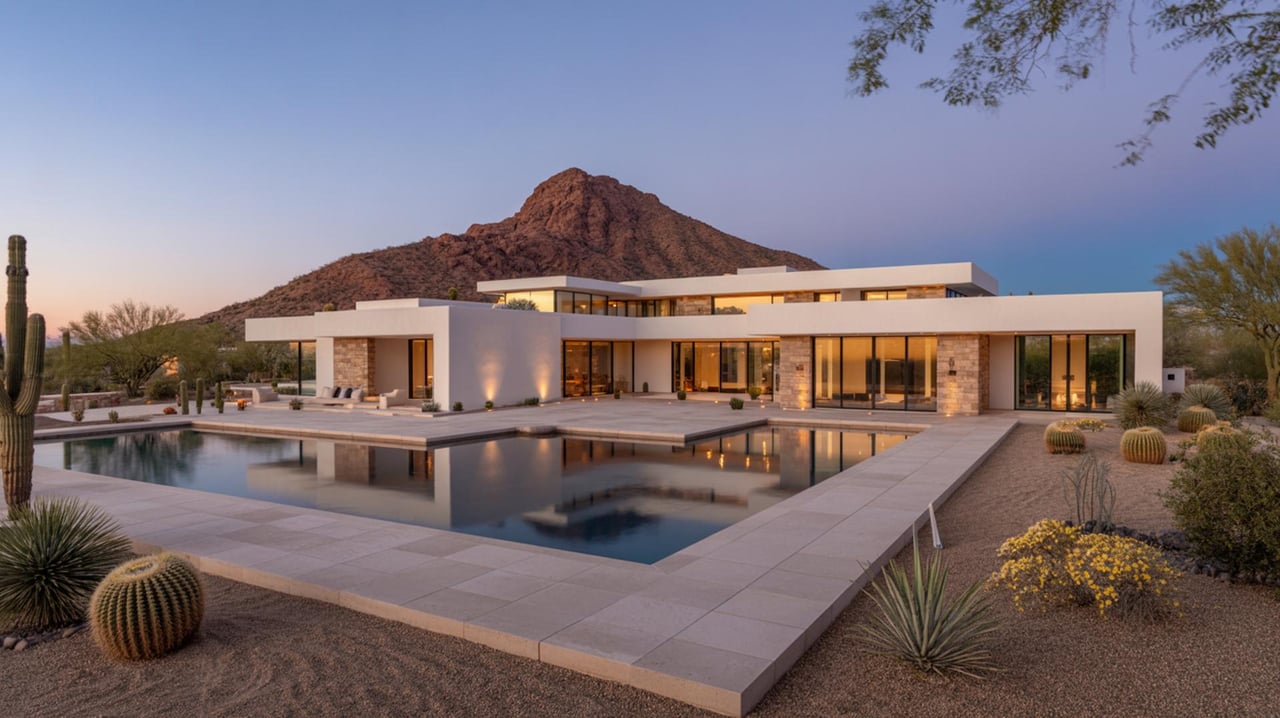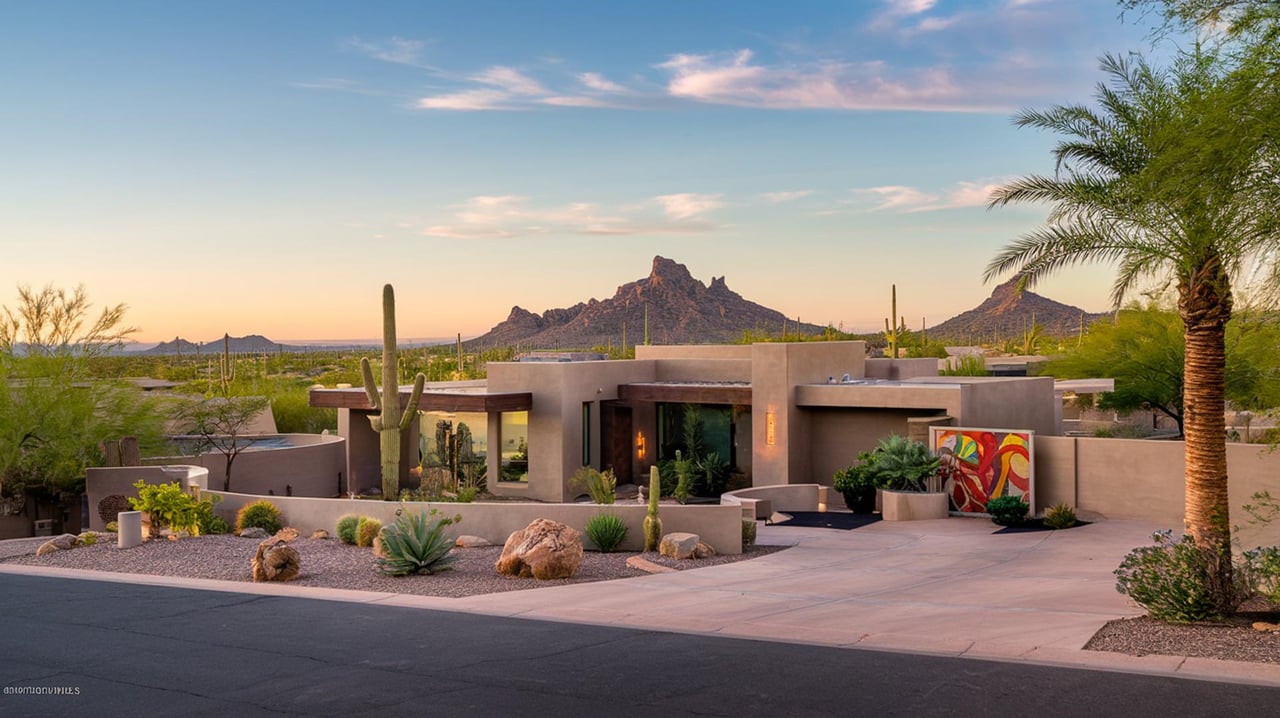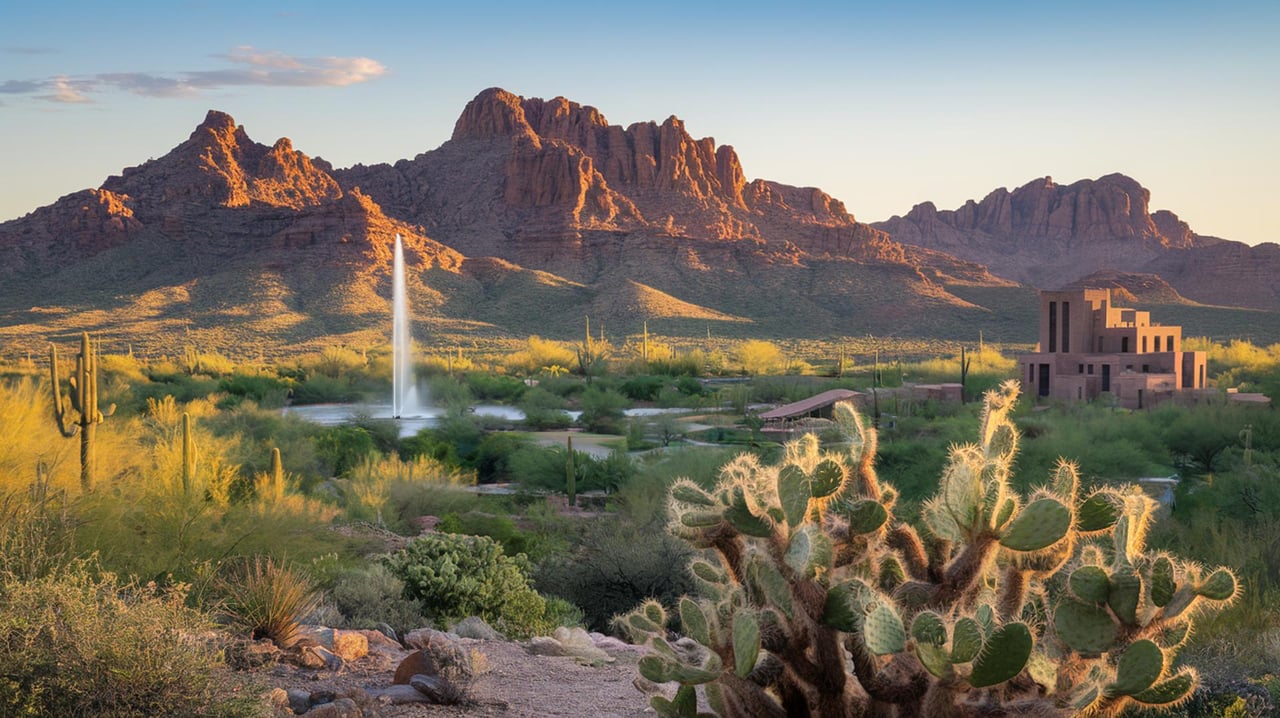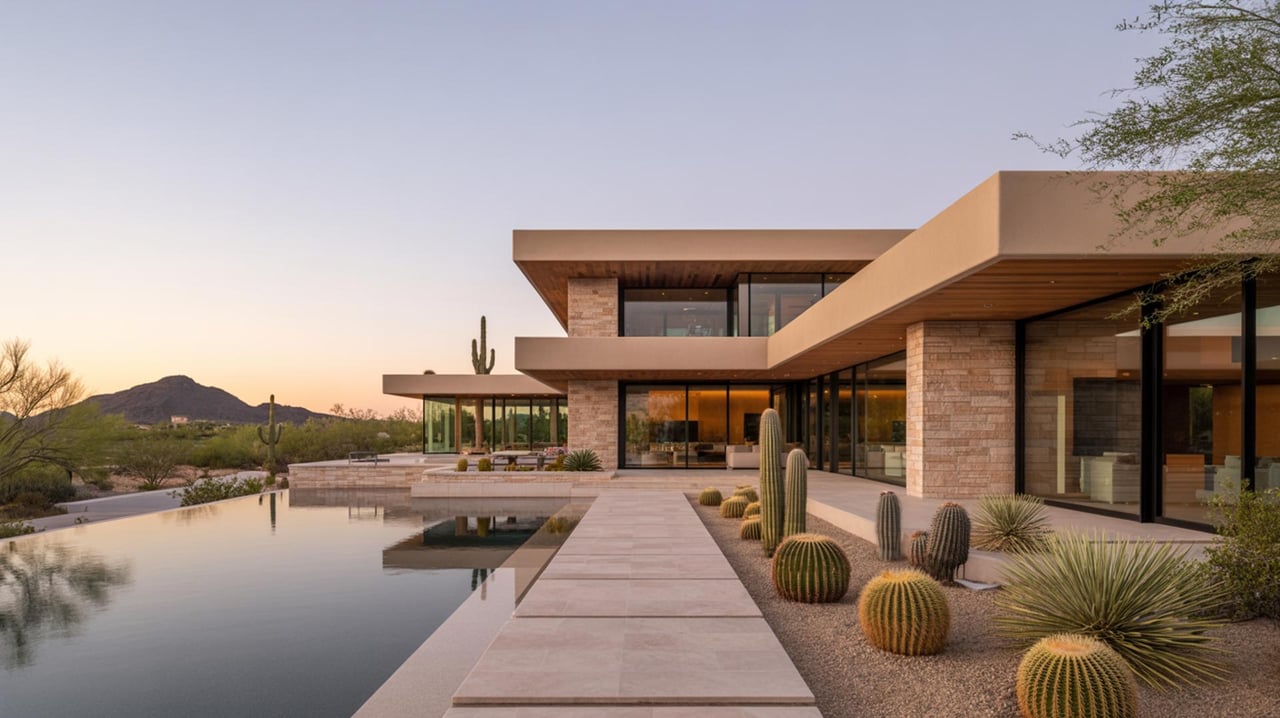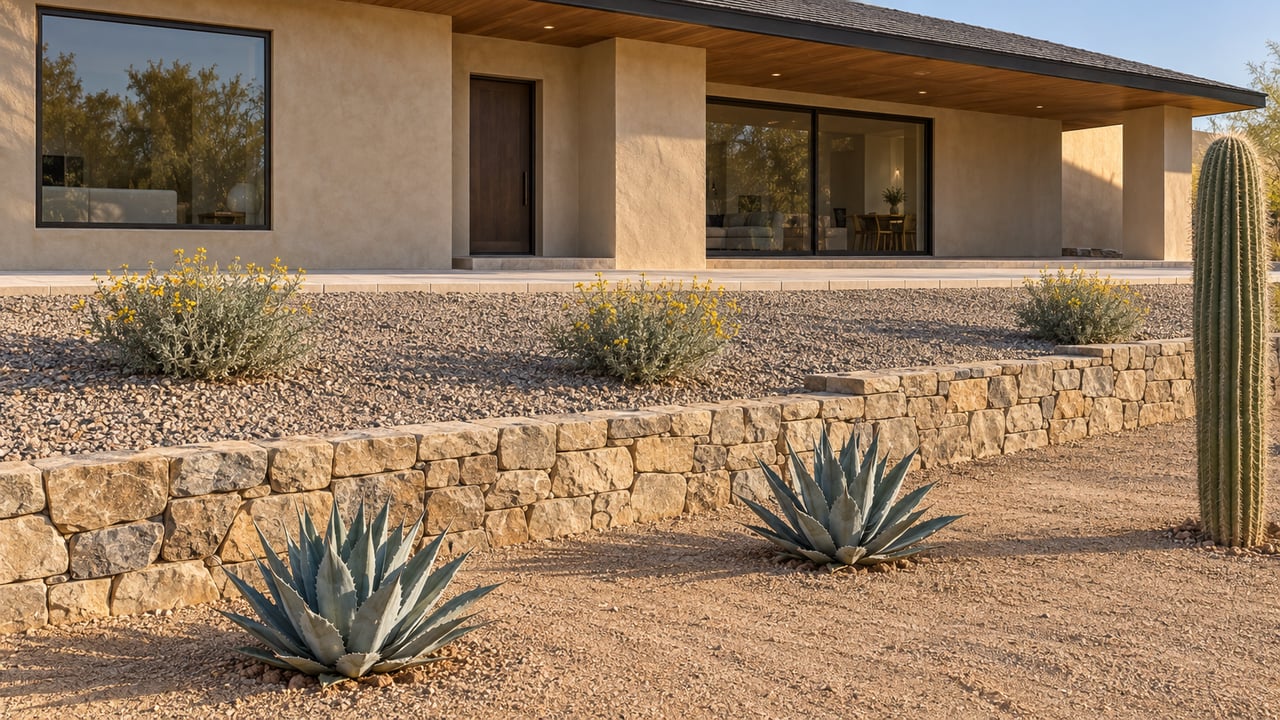
Two lots go on the market in Paradise Valley within the same week, both listed near $3 million, both close to an acre, both within a mile of each other. One of them can support a sprawling single-story estate with a pool wing and a casita. The other tops out at a footprint roughly a third smaller, capped at one story, with a second floor that would require doubling the side yard setback just to pencil out. The listing price told you almost nothing about which lot you were looking at.
That gap comes down to one number neither listing photo shows: the slope of the ground. In Paradise Valley, the town regulates how much house you can build by how steep the lot is, not by how many acres the deed says you own. Once you understand that mechanism, comparing two lots by price per acre stops making sense, and comparing them by buildable envelope starts to.
The Price Tag Doesn't Come With a Site Plan
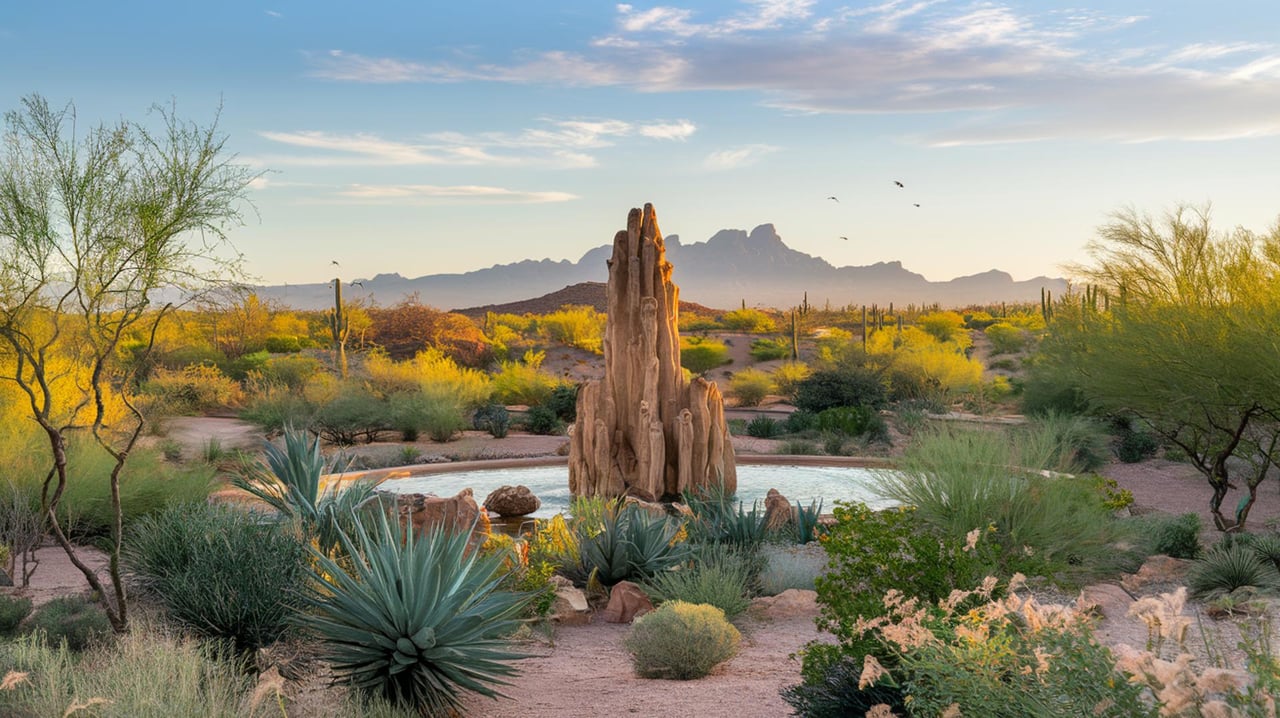
Raw land in Paradise Valley has traded between roughly $1.5 million and $5 million or more per acre in 2025 and 2026, with the spread driven by location, view exposure, and topography. A two-acre parcel in the Mummy Mountain foothills with panoramic valley views sits at the high end of that range. A flat lot of the same size closer to the Scottsdale border sits well below it.
That spread already tells you something: buyers are not paying for acreage on its own. They are paying for what the acreage lets them build, and in a hillside town, that is a separate question from how big the parcel is on paper.
Paradise Valley incorporated in 1961 specifically to stay out of Phoenix's and Scottsdale's annexation reach, and the town has held onto that identity since. It covers roughly 15 square miles, holds about 13,000 residents, has no commercial corridors, and most of its roads don't have streetlights. The zoning code was written to keep it that way, and the two articles that matter most to anyone comparing lots are Article X, which sets height and area limits, and Article XXII, which governs hillside development. The full text of both is published in the town's zoning ordinance.
How Much of the Lot You're Actually Allowed to Touch
Article XXII applies to any parcel with a slope of 10 percent or more, which the town treats as hillside terrain. It caps the percentage of the lot you can disturb through grading, cutting, filling, clearing, or trenching, and that cap tightens fast as the slope increases.
| Building-site slope | Maximum lot disturbance allowed |
|---|---|
| 10% | Up to 60% |
| 15% | About 34% |
| 25% | About 13% |
| Beyond 50% | Single digits |
A wash running through an otherwise flat lot can be enough to trigger this table on part of the parcel, even if the rest of the site reads as level ground. On a steep estate lot, more than half the acreage can end up off-limits to any construction at all. That is the practical reason a two-acre foothill parcel with a dramatic view doesn't necessarily support a dramatically larger house than a smaller flat lot down the hill. The acreage exists. The buildable share of it does not scale the same way.
Every new home on a hillside lot goes through review by the town's Hillside Building Committee, which looks at disturbance, grading, drainage, retaining walls, exterior materials, lighting, and height before any permit is issued. No clearing or grading can begin until that approval is in hand.
The Height Cap Nobody Reads Until the Second Story
Even on flat, non-hillside ground, Paradise Valley doesn't apply a single height limit across the town. Article X ties the maximum building height to lot acreage. A lot under three acres caps out at 24 feet. Between three and four acres, the limit rises to 26 feet. Only lots of four acres or more reach 30 feet, which is the standard height allowance in Phoenix, Scottsdale, and Mesa regardless of parcel size.
That means a buyer on a one-acre R-43 lot, the town's base single-family district, is working with a ceiling six feet lower than what a same-sized lot would allow just across the municipal line. For a design that leans on double-height great rooms or a dramatic second story, that six feet is the difference between a rendering and a resubmission.
The R-43 district also requires a full acre per home, sets a 25 percent floor-area ratio, and holds standard setbacks at 40 feet front and rear with 20 feet on the sides. Add a second story, and the side yard requirement doubles to 40 feet. On paper, going up looks like the obvious way to get more square footage without expanding the footprint. In practice, on a one-acre lot, going up costs width on both sides that a single-story design would have kept.
None of this shows up on a listing sheet, and none of it is visible from a satellite photo of the parcel. It only surfaces once an architect runs the numbers against the specific lot, which is exactly why two lots at the same price can produce two very different houses.
Two Approval Tracks, Not One
Building on a Paradise Valley lot means clearing two separate review processes, and they run one after the other rather than at the same time. Entitlement and zoning review, including the hillside disturbance analysis if the slope qualifies, has to close out before building permit review can start in earnest. Skipping ahead, or assuming a flat purchase price means a flat approval timeline, is one of the more common ways a project's schedule slips early.
A slope, soils, and topographic analysis, along with a check for wash and floodplain mapping and any HOA or CC&R restrictions, is worth doing before closing on land, not after. A hillside designation that surfaces mid-project can add months to the schedule and, on some sites, another $200,000 to $500,000 in site costs that never appeared in the original budget. Construction costs in Paradise Valley already run from roughly $650 to $1,300 or more per square foot for a custom home, with ultra-luxury estates reaching $2,000 per square foot once steel structure, high-end glazing, and difficult site work are factored in. Site conditions decide which end of that range a project lands on well before finishes and fixtures do.
What This Means When You're Comparing Two Lots
If you're comparing Paradise Valley parcels side by side, price per acre is the wrong first filter. The better first question is what slope percentage applies to the buildable pad, because that number sets the disturbance cap, and the disturbance cap sets how much of the lot's stated size actually turns into house. The second question is where the parcel falls on the acreage-height table, because a one-acre lot and a four-acre lot are not playing by the same height rules even if they sit on the same street.
A flat, non-hillside acre near the edge of town and a view lot in the foothills can carry similar list prices and tell completely different stories once a site plan gets drawn. One buys you a straightforward build against generous but standard limits. The other buys you a view and a set of constraints that a good architect can work with, but that no amount of acreage on the deed will override.
That's the piece worth understanding before an offer goes in, not after.
If you're comparing lots, an existing hillside home, or a potential teardown in Paradise Valley and want a read on what a specific parcel's slope and acreage actually allow, Kayla Kerulis can walk through what the site rules mean for your plans before you write an offer.